“His Words Changed My Life”—Kumiko Endo Reflects on the Advice From Kenichi Hagiwara That Led Her to Love Acting
More than 30 years since her big break as an actor in a McDonald's commercial


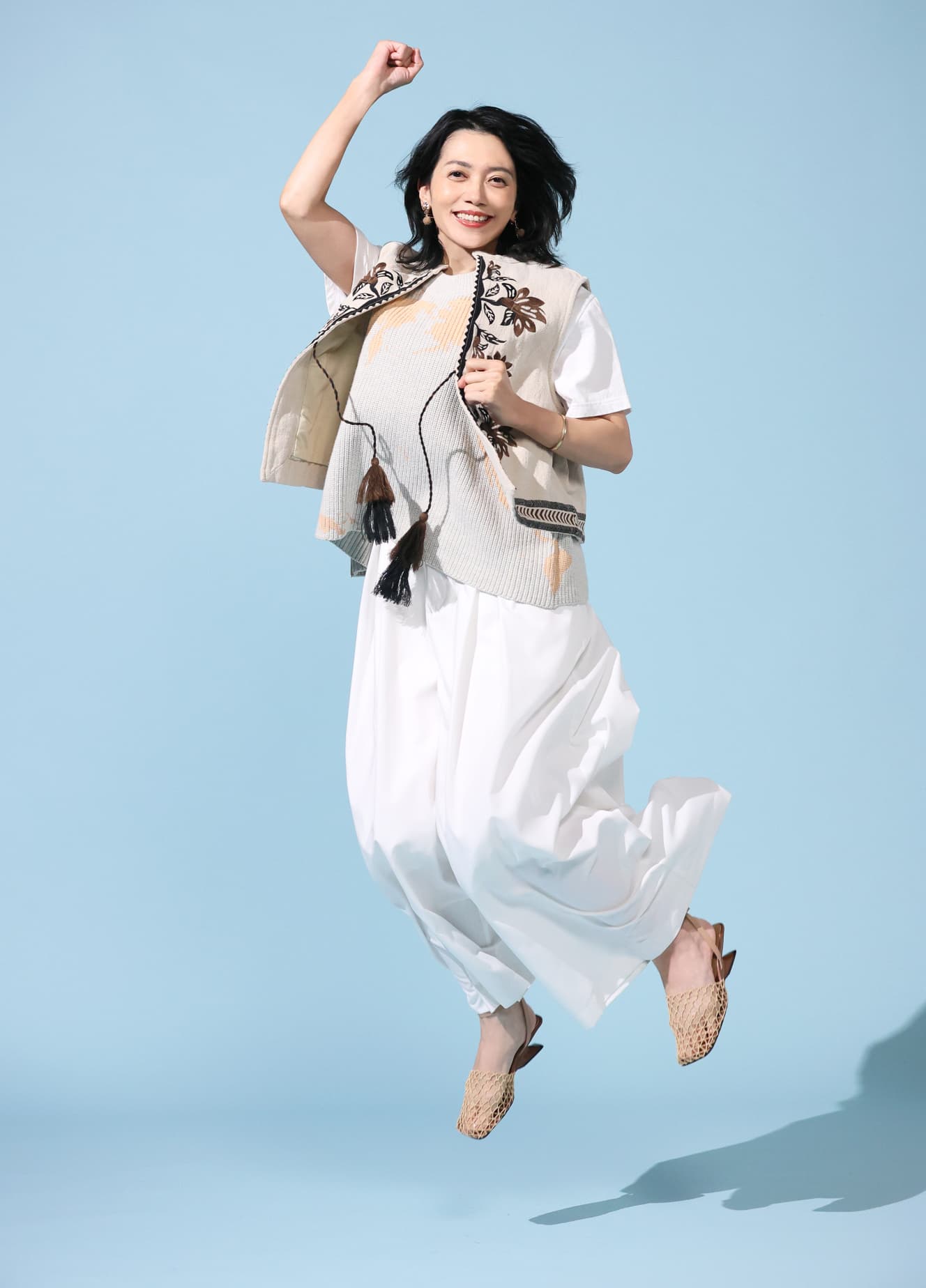
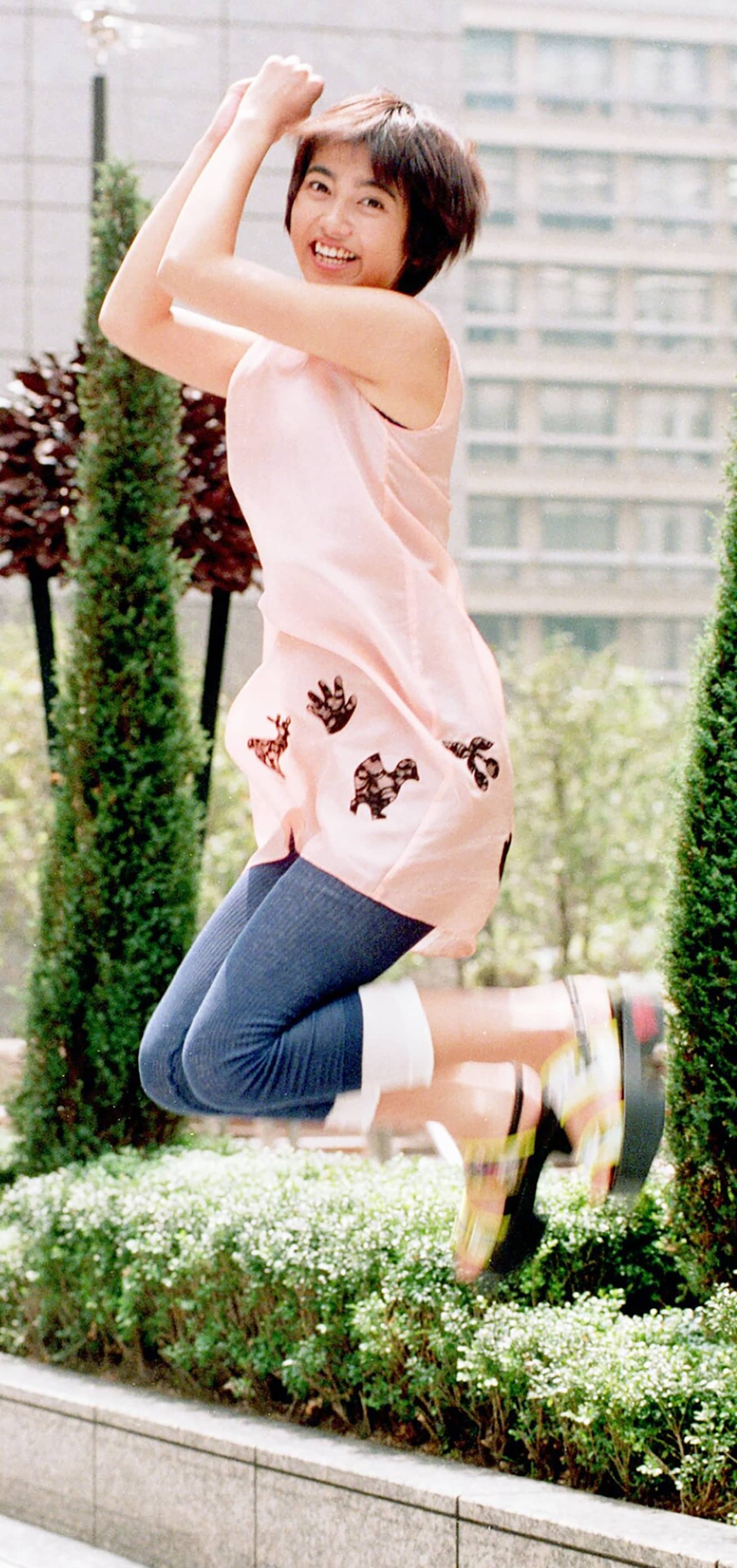
Acting
“Being able to discuss things at home, like ‘What emotions should I have when delivering this line?’ is something unique to being married. Directors and actors normally only get to talk on set, so I’m grateful to have an environment where I can discuss my character with my husband anytime, anywhere.”
“My role is one of the innkeepers who welcomes the sisters staying at the guesthouse. In fact, the two women who jointly run the inn are also sisters—I play the younger one. Even when the young sisters staying there, who are emotionally guarded and prickly, wake up late, we warmly greet them with a cheerful ‘Good morning’ and welcome them. What I focused on was fully becoming the innkeeper and empathizing, as a fellow sister, with the younger women’s struggles over how to live their lives. But there is no single correct answer in acting, so it’s difficult to give a performance I’m completely satisfied with.”
Known for her cheerful “Enkumi” persona, Endo has grown into an actress capable of portraying a wide range of roles. She says she had long dreamed of performing from an early age.
“I want to become an announcer or a voice actress.”
That was what she wrote in her elementary school graduation essay.
“I was inspired by TARAKO, the voice actress for the anime ‘Chibi Maruko-chan.’ I thought it was amazing that she could express Maruko’s anger and sadness using only her voice.”
Endo was deeply devoted to basketball during junior high and high school, but a turning point came in her first year of high school.
“I actually worked part-time at a fast-food restaurant. One day, a friend of my older sister—who was five years older than me—came in to eat a hamburger. She happened to work in the entertainment industry and, for some reason, took a strong interest in me. She said, ‘I can introduce you to an agency. Why don’t you give it a try?’ She encouraged me to audition, and I thought, ‘Why not?’ I went without giving it much thought, and by chance I landed a McDonald’s commercial.”
“I hope we can work together again”
The commercial that catapulted Endo to fame was McDonald’s “Photo Booth” advertisement, which aired in 1995. In the commercial, Endo enters a photo booth to take an ID picture, leaving the fries and other food she bought at McDonald’s with her friends. From outside the booth, they ask questions such as, “Can I drink your shake?” The sight of the short-haired young beauty hesitantly but sweetly replying, “Sure,” won over viewers.
“At the time, I had absolutely no acting experience. I didn’t know how I was supposed to say ‘Sure.’ I couldn’t get it right, and after filming I went home and cried. But when I saw the finished commercial, it worked perfectly. My genuinely confused expression as I said ‘Sure’ turned out to fit the role of a bewildered girl exactly.”
Shortly after entering the entertainment industry, Endo received words she has never forgotten.
“The president of my agency told me, ‘Do whatever you want. If you fail, I’ll get down on my knees and apologize for you.’ I thought, ‘I can’t let the president have to bow in apology because of me.’ I remember feeling a strong determination to work as hard as I could.”
She made her drama debut at the age of 17 in Kankon Sōsai Buchō, broadcast on TBS in 1996.
“I played the daughter of the lead actor, Kenichi Hagiwara, but I kept making mistakes. There was a scene where my character argued with his, but since I’d never actually fought with my own father, I couldn’t portray it convincingly. I couldn’t get an OK take, and the assistant director spent two hours coaching me in a separate room. I felt terrible for holding up the production.
What saved me was something Hagiwara-san said. When filming resumed, he told me, ‘That was better than before.’ It was a casual remark, but it eased my mind at a time when I was beginning to lose confidence.
I was also inspired by his professionalism. Even though, as a veteran actor, he had his own private dressing room, he would stay in the studio while waiting for his scenes, rehearsing lines and studying the set to work out his movements. Seeing the way a true professional lived his craft made a deep impression on me. When the production wrapped, I told him, ‘Please let me work with you again someday. I’ll come back after I’ve grown as an actress.’ Sadly, he passed away in March 2019, so that reunion never came to be.”
Endo continued to struggle throughout her twenties. The performances she envisioned in her mind never seemed to come out the way she intended. Even when she thought she had done well, watching the broadcast afterward would leave her thinking, “No, that’s not what I meant,” and reflecting on what she could have done differently.
“I once asked Masatoshi Nakamura, whom I worked with on the 2001 TV Asahi drama Oyaji Tantei, ‘Have you ever been completely satisfied with your own acting?’ He replied, ‘No. Maybe the reason I keep acting is because I’m never satisfied.’ At the time, I thought he was just being modest. But now I understand the weight of those words.”
What she discovered through the stage
Meanwhile, Endo also found success in variety television. On programs such as ” Nanchan no Urinari!!” (Nippon TV) and “Ninkimono de Ikō!” (TV Asahi), audiences loved her naturally airheaded personality, often teased by comedians including Masatoshi Hamada of Downtown.
“On variety shows, the professional comedians would embellish my stories and make me seem funny. I myself didn’t have unusual anecdotes or great storytelling skills that would entertain viewers. I barely even had any romantic experience. Directors would often tell me, ‘Please give us the same kind of performance as that time,’ but the me they were referring to was a character that the comedy professionals had brought out.
My agency at the time seemed to want me to become a variety show host like Masami Hisamoto. But I don’t have the ability to draw out the charm of a large group of guests through conversation. The reason I enjoyed working on variety shows was entirely thanks to the comedians.”
In 2002, she took on her first stage production, The Bellringing Cactus Man of Dublin. That play became a turning point, leading her to focus primarily on theater afterward.
“That was the production that made me truly think, ‘Acting is really fascinating!’ It felt fresh to create a work together by exchanging ideas with fellow actors and the director. It was also exciting to experience the audience’s reactions firsthand. People would laugh or cry right in front of me because of my performance. Since then, even when acting in television dramas, I’ve always been conscious of the viewers on the other side of the camera.”
Even so, as she mentioned earlier, Endo says she is still not fully satisfied with her own acting.
“Even a simple line like ‘Thank you’ can be delivered differently depending on who the other person is and what the situation is. There isn’t just one correct answer. I may never be completely satisfied with my acting. But perhaps that’s exactly why I can keep acting.”
Even after building a long career, her warm smile remains unchanged. Enkumi’s growth as an actress continues.


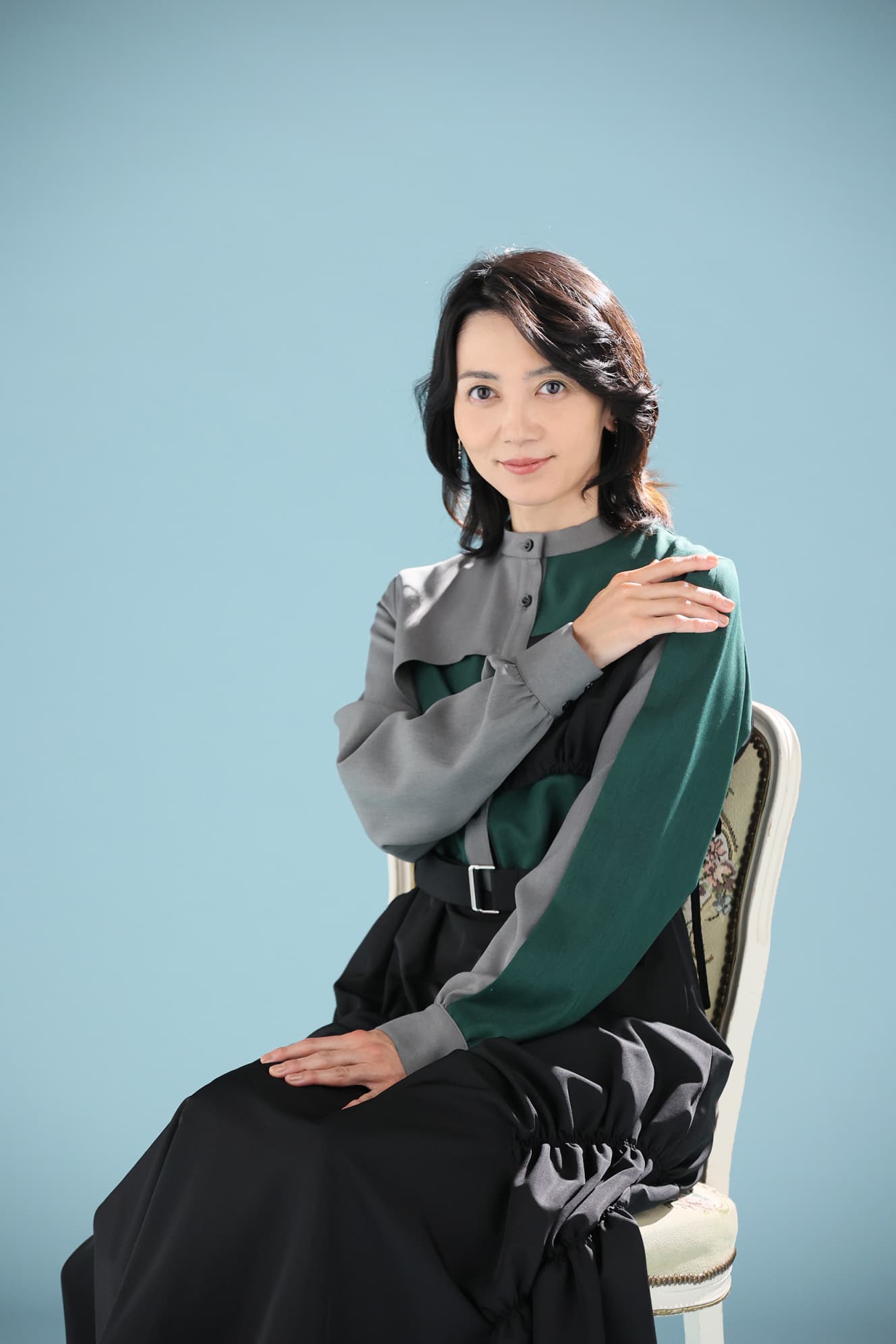
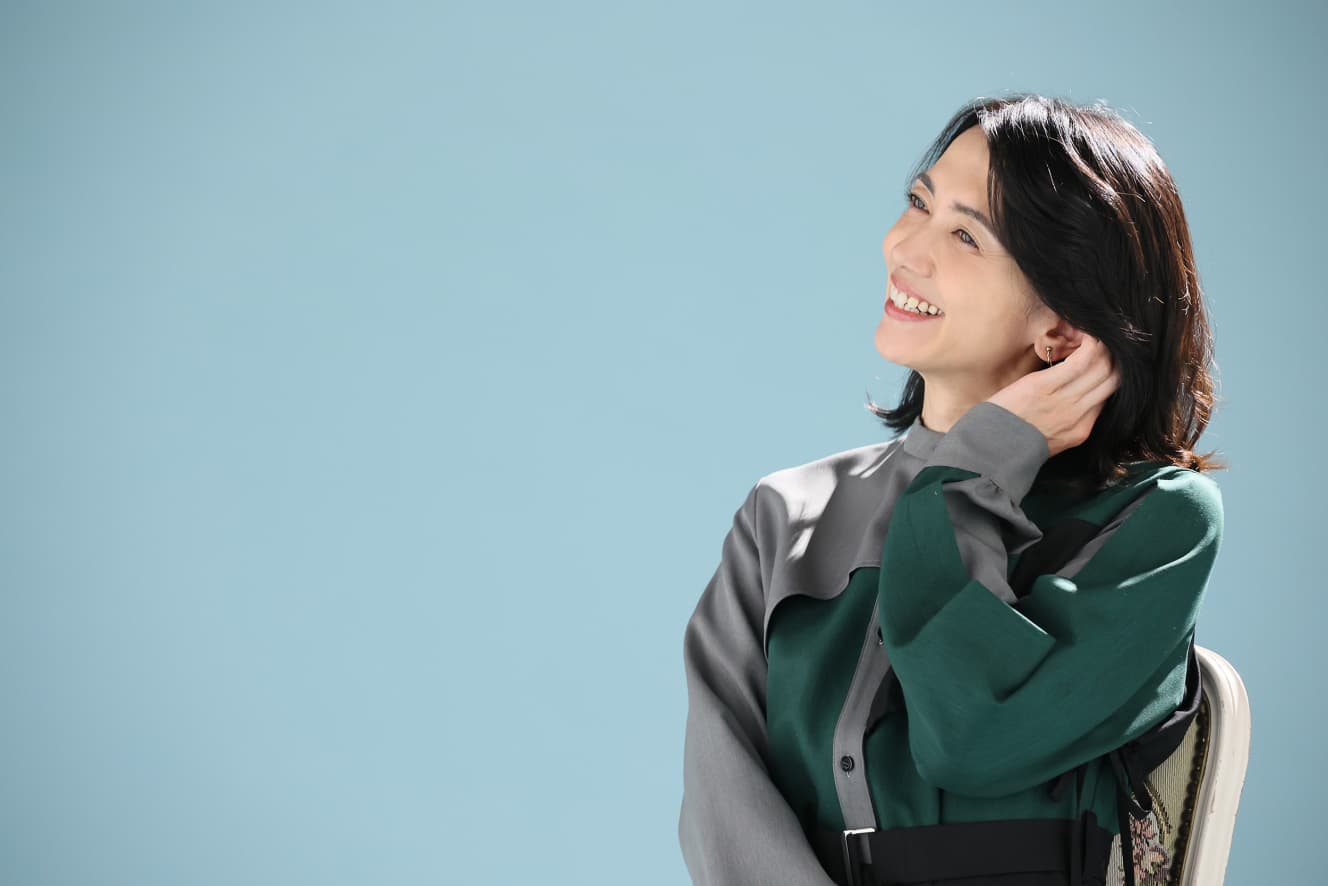
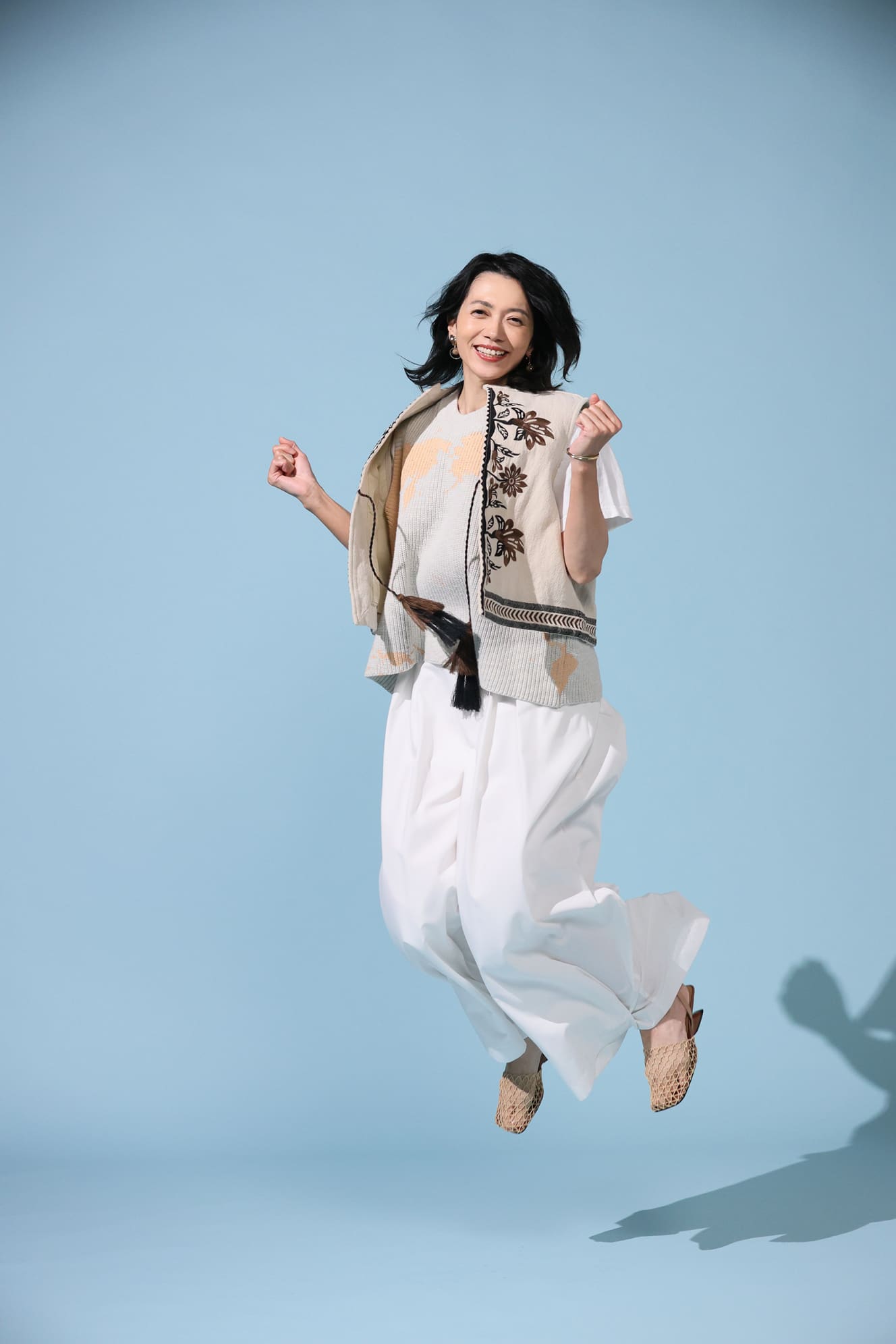
From the June 5 and 12, 2026 issue of “FRIDAY”
PHOTO: Takehiko Kohiyama Hair and makeup: Yoko Fuseya (ESPER) Stylist: Shingo Tsuno (IMPIGER) Costume Cooperation: SUM1 STYLE (Smith Style) DoCLASSE