“I Came With People I Didn’t Even Know”—Inside the Shadowy Recruitment Behind Japan’s Robbery Ring Epidemic



“I didn’t know we were going to commit a robbery.”
A string of attempted robbery cases believed to be linked to tokuryū (anonymous, fluid criminal groups) has occurred one after another. On May 28, Koki Tanaka (20), an unemployed man from Chofu, Tokyo, and another 19-year-old man of unknown occupation and address were arrested on suspicion of preparing to commit robbery after allegedly gathering on a street in Edogawa Ward, Tokyo with the intention of carrying out a robbery.
On May 30, Tanaka was escorted from Koiwa Police Station for prosecution. He fixed reporters with a sharp gaze, glaring at the cameras as though trying to convey something. He appeared to gesture with both hands in an attempt to make some kind of statement, but ultimately boarded the vehicle without saying anything.
“According to nearby residents, four or five men had gathered carrying what appeared to be crowbars. Police officers responding to a 110 emergency call reporting a suspicious vehicle questioned them, and one of the 19-year-old men admitted they intended to commit a robbery, leading to their arrest.
During questioning, the 19-year-old said, ‘A local senior told me to go steal gold bars. I drove the car and came with people I didn’t know.’ However, Tanaka has denied the allegations, saying, ‘I didn’t know we were going to commit a robbery.’
Security camera footage from the area also captured two other men, separate from Tanaka’s group, fleeing on motorcycles. According to police, a gold transportation company nearby was preparing to load gold bars into a vehicle that day. Investigators believe the group was targeting those gold bars and are currently searching for the two men who escaped,” said a reporter from a national newspaper’s crime desk.
The same company was also the site of an assault incident last September.
“On September 24, 2025, two masked individuals suddenly sprayed what appeared to be pepper spray at employees on the street in front of the company. The victims were two female employees in their 30s and one male part-time worker, who had just returned from shopping and were resting inside and beside their vehicle when they were attacked.
All three suffered eye irritation and were taken to the hospital with minor injuries. The two attackers fled by car, and police are continuing to search for them,” the reporter added.
Crimes planned around inside information
One week before this incident, on May 21, two men in their 20s were arrested in Yotsuya, Shinjuku Ward, Tokyo, on suspicion of preparing to commit robbery after allegedly attempting to steal gold bars from the office of a precious metals purchasing company while carrying extendable batons and other weapons.
The same office had also been the target of an attempted robbery in February. Investigators believe it may have been targeted because of its connection to the gold transport company in Koiwa that was targeted in the latest case. Yukio Ishihara, a journalist familiar with the criminal underworld, explained:
“This is a method that has become increasingly common in recent years: obtaining information about the transportation schedule or storage of valuables, planning the crime based on that intelligence, organizing an execution team, and sending them to the scene. While the current case is still under investigation and no conclusions can be drawn, many cases involve an insider on the victim’s side or a spy who has infiltrated the organization.
In the January robbery in Okachimachi, Tokyo, where ¥420 million in cash was stolen, an insider on the victim’s side leaked the information. According to the victims, the money was payment received from selling gold to a Japanese dealer, and it was likely money that couldn’t be openly disclosed because it was connected to a gold smuggling business. Funds tied to illicit activities are especially attractive targets. Since these are essentially conflicts within the criminal underworld, perpetrators know that victims are often reluctant to report the crime to police.”
Over the past month, a series of robberies and attempted robberies carried out by “dark part-time job” (yami baito) recruits have occurred across Japan. In some cases, the same target has reportedly been attacked multiple times. The question remains: why have these incidents become so frequent?
Why are dark part-time job robberies happening so frequently?
“Some people say that the same locations are being targeted repeatedly because information brokers are selling the same intelligence to multiple criminal groups, but I disagree. Information brokers know that these yami baito robbery operations are backed by yakuza organizations. If they tried to sell the same information to rival gangs, they know they wouldn’t get away with it.
If multiple groups were acting independently, there would likely be occasions when they crossed paths. Considering that the attempted robberies occurred on different dates, I think it’s more likely that after the first team failed to obtain the target, second and third teams were dispatched. The fact that they remain so persistent suggests that the original intelligence they received was considered highly reliable,” Ishihara said.
One major difference from the past is that not only the low-level participants but also those higher up in the organization are now being arrested. Within the criminal underworld, the prevailing view has reportedly become that “tataki”—violent robbery jobs—are simply not worth the risk. Even so, Ishihara offered the following theory as to why yami baito robberies continue to occur:
“I even think it’s possible that every case since the incident in Kaminokawa, Tochigi Prefecture, has been orchestrated by the same group. Perhaps they suddenly found themselves needing a large amount of money and were so desperate that they didn’t even have time to carefully plan the operations in advance. That could explain why there have been so many attempts, including failed ones, as well as so many arrests.”
An increasing number of those recruited as the actual perpetrators are teenagers and people in their 20s. How much longer will young people continue to throw themselves into crimes that offer no real future?
“FRIDAY Digital” welcomes your information and tip-offs. Please send your information to the following information form or to the official X.
Information form: https://friday.kodansha.co.jp/tips
Official X: https://x.com/FRIDAY_twit



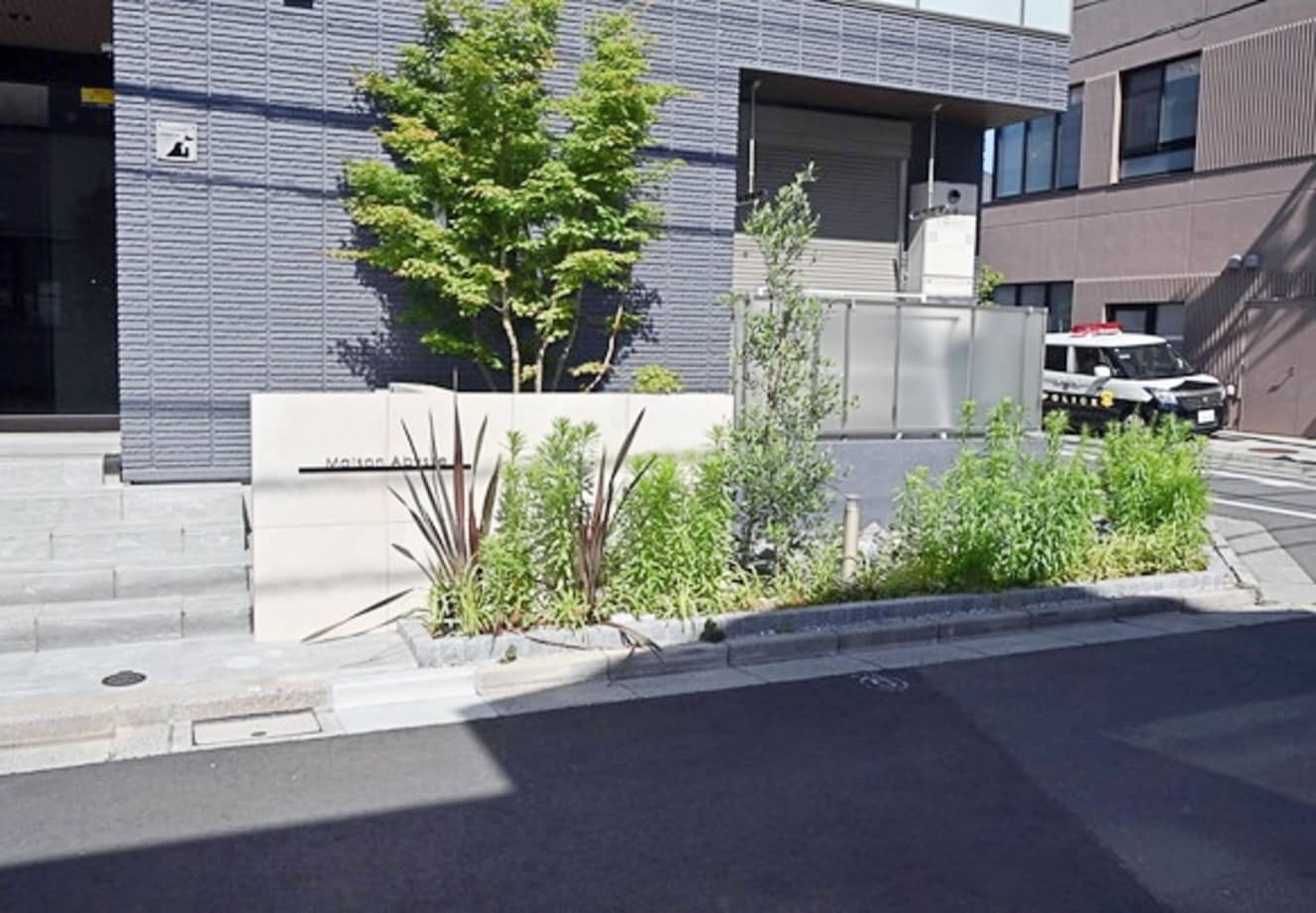
PHOTO: Shinji Hasuo