Inside a Real Estate Firm That Deals Only in Stigmatized Homes—The Surprising Similarity Among Its Clients


The number of cases exceeded 22,000 last year
A person who dies quietly alone in their home with no one by their side is said to have died a lonely death (kodokushi). Among these, cases in which the body is not discovered for more than eight days are classified as “isolated deaths” (koritsushi), and their numbers continue to rise as Japan’s population ages.
According to the Cabinet Office’s “Estimated Number of Isolated Deaths in 2025” released on April 14, 2026, there were 22,222 isolated deaths in 2025, an increase of 366 from the previous year, with 80% of the deceased being men.
In an aging apartment building located in a residential neighborhood of Asakusa, Tokyo, the gap around the front door of a first-floor unit had been carefully sealed with plastic tape to prevent foul odors from escaping. When a specialized cleaning worker removed the tape, a strong stench immediately drifted into the hallway.
Inside the entrance lay a large bath towel spread across the floor—the spot where the body had been found. Decomposition fluids had leaked over a wide area, making it difficult to step inside without the towel covering the floor.
The apartment was a modest six-tatami one-room unit. The calendar hanging on the wall was still turned to last August. Beside a small television lay a stretched-out undershirt. Near the window was a stack of sun-bleached, discolored copies of the TV magazine The Television. The refrigerator still contained oolong tea, Pocari Sweat, Ajinomoto seasoning, soy sauce, and a few other items.
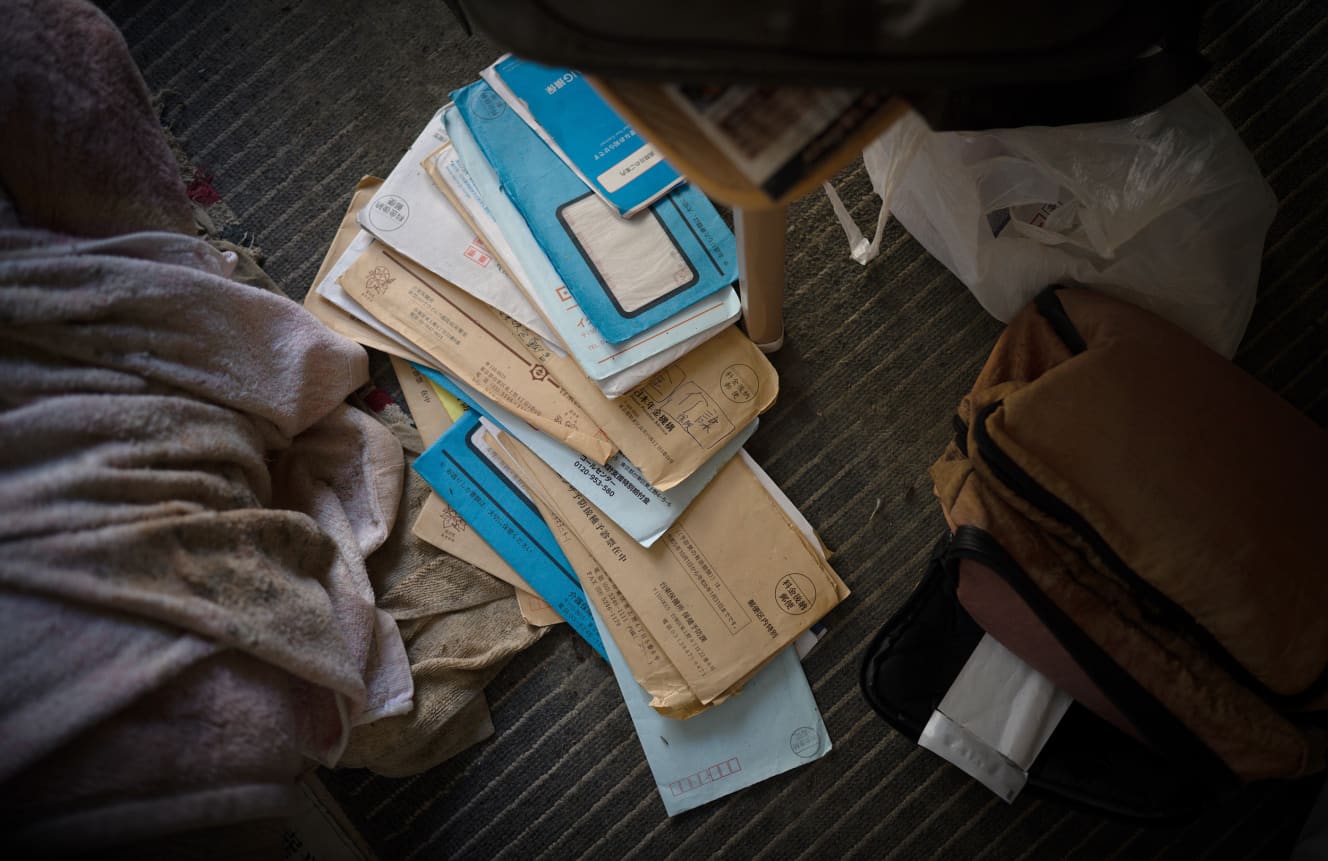
Judging from the pension notices piled on the floor, the tenant’s monthly income had been around ¥120,000 to ¥130,000. He was believed to have been a man in his late sixties from northern Kanto who graduated from a local junior high school, worked as a carpenter and factory worker, and spent roughly the last twenty years of his life supporting himself through part-time jobs.
A delivery flyer for kamameshi rice on the table painted a vivid picture of a man spending his final years in solitude.
According to Kenjiro Sakura, president of Next Co., Ltd., a company specializing in cleaning sites where lonely deaths occur, isolated deaths are not limited to people living alone.
“One case involved an elderly couple where the wife had dementia and the husband cared for her. The husband died first, and because the wife couldn’t understand what had happened, his body remained there for about ten days.
Another case involved a two-family home where the children lived on the third floor and the father on the second. Apparently they had little interaction, and although the father died in his room, his children didn’t notice for two or three weeks. These are both cases from the past few years where people experienced isolated deaths despite living with family.”

Properties where a murder occurred are worth half as much
Isolation that cannot be prevented even when people live under the same roof is becoming increasingly common. One notable recent trend is the growing number of isolated deaths among people in their 50s and 60s who are still of working age.
“The people who die this way aren’t necessarily those receiving extensive nursing care. There are cases where perfectly healthy people who weren’t using day-care services or home helpers died alone. If someone living by themselves suddenly becomes ill and collapses, and no one visits their home regularly, it’s inevitable that the discovery of the body will be delayed,” says Sakura.
As the problems of lonely and isolated deaths become more serious, a new business has emerged: Jōbutsu Real Estate (Jōbutsu Fudōsan), a real estate service specializing in so-called stigmatized properties (homes where deaths or other incidents have occurred). The service launched in April 2019.
According to Koji Hanahara, president of Marks Life Co., Ltd., which operates the service, many of the properties they handle are apartments or houses where lonely deaths or suicides have occurred.
“We receive referrals from funeral homes, as well as from nursing care providers, hospitals, and legal professionals. We also frequently receive properties from real estate agencies.
Some people wonder, ‘Why would anyone buy a place like that?’ But there are always others who think, ‘If it’s cheaper, why not?’ Business has been doing well.”
Hanahara explains that prices vary depending on how the previous occupant died.
“Generally speaking, properties where a lonely or isolated death occurred sell for about 10% below market value. If it was a suicide, they’re typically around 20% cheaper. Properties where a murder took place are often worth only half the normal price.
In recent years, rising real estate prices have affected stigmatized properties as well, so even these discounted homes have tended to increase in value along with the overall market.”
For property owners and surviving family members, such homes can become both an emotional and financial burden.
“If someone died alone, the property can’t be sold while the odor remains. The owners must hire specialized cleaners and repair the flooring before putting it on the market, which can cost a considerable amount.
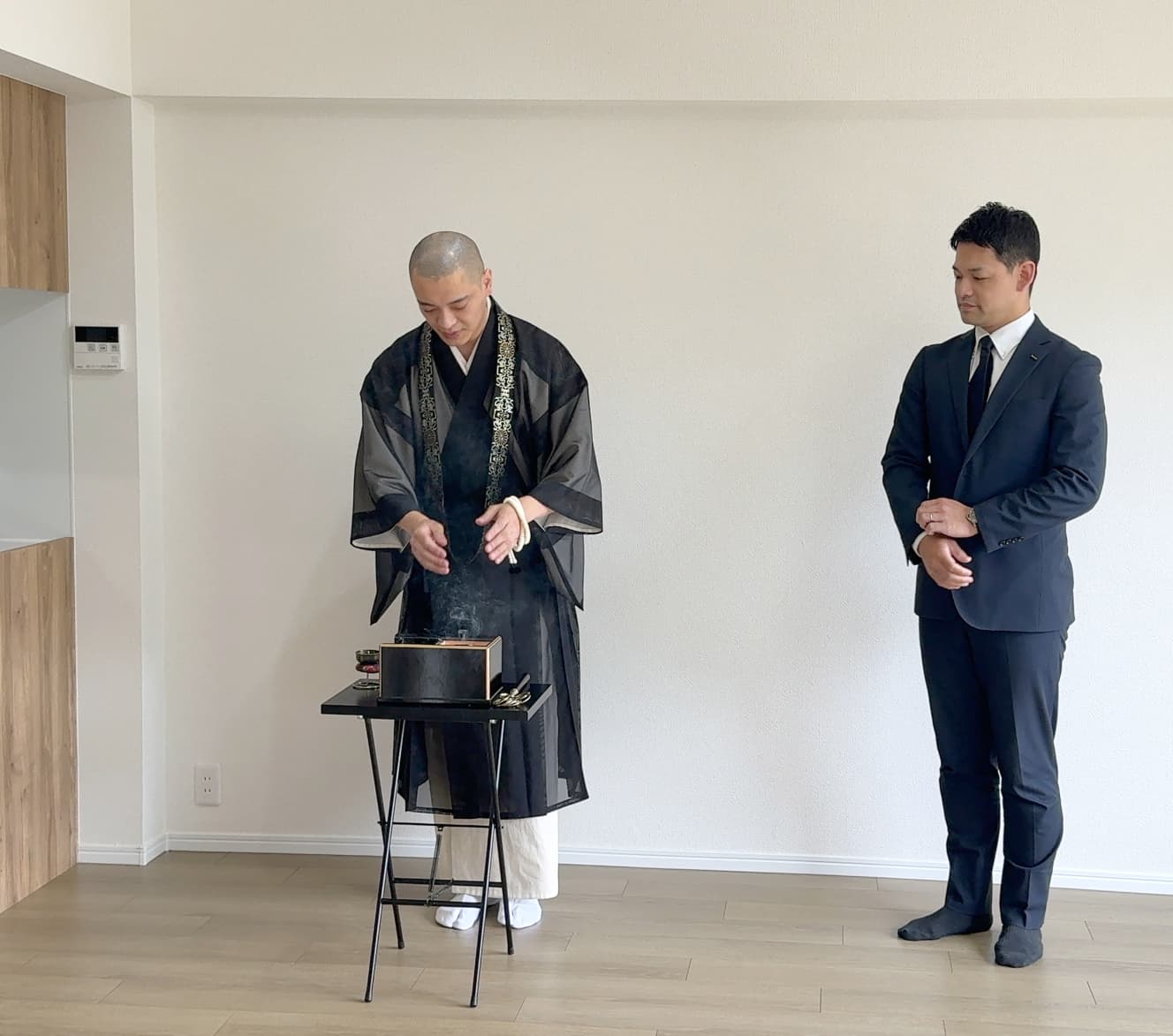
Our company purchases properties in their existing condition, so sellers don’t have to pay anything out of pocket. After the specialized cleaning and sorting of the deceased’s belongings, we also invite a Buddhist priest to perform a memorial service.”
One case that remains deeply etched in Hanahara’s memory involved a detached house where a couple in their thirties and their young daughter had lived. The husband, who suffered from depression, had taken his own life. Afterward, his wife meticulously cleaned every corner of the home.
“When I told her, ‘Because this house has been cared for so lovingly, I’m sure the next buyer will appreciate it too,’ she suddenly burst into tears.
It seemed as though some of the burden she had been carrying in her heart was finally released. For the surviving family, the house was filled with precious memories. Once I realized that she had continued caring for it after her husband’s death for that reason, it completely changed the way I look at these properties.”
The company has even handled homes where highly publicized murder cases took place.
Several years ago, a gruesome incident occurred somewhere in the Kanto region in which a younger brother killed his older brother. Even that crime scene was eventually purchased by an investor who viewed it purely as an investment property, and it is now reportedly occupied by a recipient of public assistance.
According to estimates by the National Institute of Population and Social Security Research, the proportion of single-person households is expected to rise from 38.0% in 2020 to 44.3% by 2050. A future in which nearly half of all households consist of people living alone is fast approaching.
Reporting and writing: Hironori Jinno (Nonfiction writer) PHOTO: Soichiro Koriyama, courtesy of Marks Life (4th photo)