While Ohtani and Okamoto Shine, Four Top Japanese Pitchers Can’t Buy a Win—Here’s Why
Is Yusei Kikuchi (Angels), Akira Sasaki (Dodgers), Kota Senga (Mets), Tatsuya Imai (Astros)


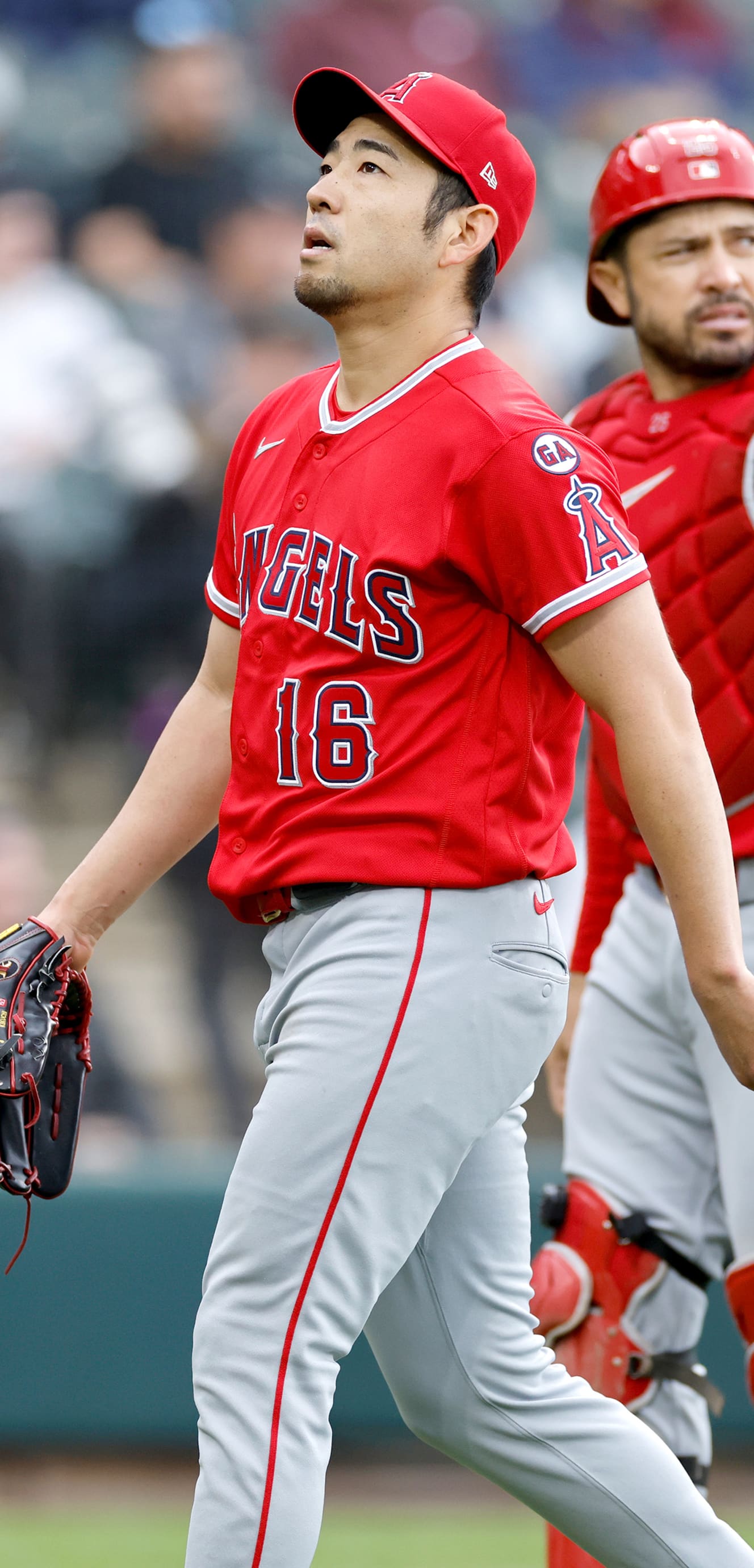
Everything bakcfired
This year’s Major League Baseball season began with Japanese players making a tremendous impact. Shohei Ohtani (31) of the Dodgers, fresh off helping the team win its second consecutive World Series title last season, has continued to dominate on the mound with dazzling pitching. His teammate Yoshinobu Yamamoto (27) has delivered steady performances as the club’s ace. Munetaka Murakami (26), who joined the White Sox this season, has been launching home runs from Opening Day and, despite being a rookie, currently leads the American League home run race. Kazuma Okamoto (29), who crossed the Pacific at the same time to join the Blue Jays, has established himself as the starting third baseman for one of the league’s powerhouse teams, earning high praise for both his dependable defense and powerful bat.
At the same time, however, some Japanese players have struggled on baseball’s biggest stage. In particular, four pitchers—Yusei Kikuchi (34) of the Angels, Roki Sasaki (24) of the Dodgers, Kodai Senga (33) of the Mets, and Tatsuya Imai (28) of the Astros—have failed to perform at the level expected of them. All four were dominant aces in NPB, yet they have been unable to replicate that success in the majors. Why have they struggled, and are they destined to remain disappointments at the MLB level?
This article examines the reasons behind their difficulties, drawing on pitching analysis by former major leaguers Ryota Igarashi and Keiichi Yabu, as well as reports from journalists covering MLB on a daily basis.
“I still don’t know what will happen. All we can do is wait.”
Angels manager Kurt Suzuki (42) spoke with visible disappointment about Kikuchi, who left his April 30 game (Japan time) against the White Sox after experiencing tightness in his left shoulder.
“During the offseason, he said he always wanted to become the healthiest pitcher in the world, so this setback must be a tremendous shock for him as well. He is expected to spend the next three to four weeks on a no-throw program before beginning rehabilitation aimed at returning to the mound,” said an MLB reporter for a sports newspaper.
Through seven starts this season, Kikuchi has gone 0-3 with a 5.81 ERA, lacking his usual consistency. Igarashi believes an aggressive attempt to overhaul his pitching mechanics may have backfired.
“This season, Kikuchi switched to a short-arm delivery, making his takeaway more compact. The goal was likely to stabilize his release point and improve the command of his breaking pitches. However, that style requires seamless coordination with the lower body. If that synchronization isn’t working properly, the pitcher has no choice but to compensate by increasing upper-body effort. That could have placed extra strain on his shoulder and caused fluctuations in his performance.”
Kikuchi’s trademark has always been his explosive fastball-driven pitching style. However, a Los Angeles-based media reporter believes that becoming one of MLB’s most analytical pitchers has actually worked against him.
“As Kikuchi has gotten older, he has increasingly relied on motion analysis and tracking systems such as Rapsodo to fine-tune his mechanics. By becoming too focused on vast amounts of data and advanced metrics, he has lost the raw aggressiveness that once made him so effective. Even with the constraints of the pitch clock, he has spent more time thinking on the mound, leading team officials to speculate that mental fatigue may have disrupted his mechanics, ultimately contributing to both his injury and poor performance.”
That said, it is also true that Kikuchi has improved his command through his data-driven approach. If, during his rehabilitation, he can rediscover the balance between analytical precision and his trademark intensity, there is every reason to believe he can once again establish himself as one of Major League Baseball’s premier left-handed pitchers.
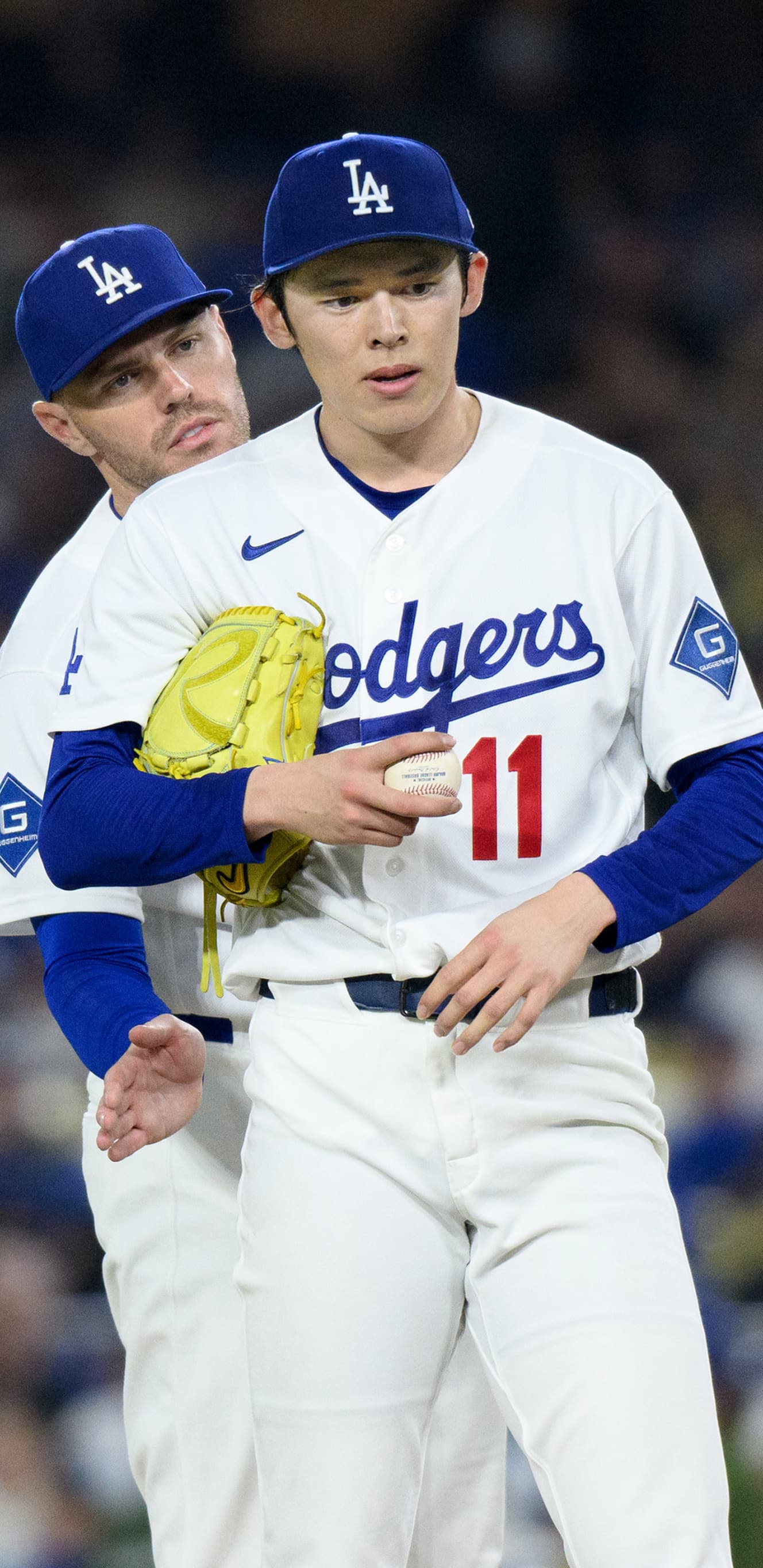
Lacking variety—and endurance
After contributing to the Dodgers’ World Series championship as a reliever during last year’s postseason, Roki Sasaki entered this season as a member of the starting rotation. So far, however, his performance has been underwhelming, posting a 2-3 record with a 5.09 ERA.
According to an MLB reporter covering the West Coast for a sports newspaper, “Unlike Kikuchi, Sasaki’s limited pitching repertoire has been exposed.”
“In Japan, many argue that his fastball gets hit because it’s too straight, but the Dodgers’ coaching staff sees a more fundamental issue: the lack of pitch variety. Yoshinobu Yamamoto can command a splitter, curveball, cutter, sinker, and slider at a high level, and Shohei Ohtani is similarly versatile. Sasaki, on the other hand, essentially relies on only three pitches—a four-seam fastball, splitter, and slider.”
Former major leaguer Keiichi Yabu agrees, saying that broadening Sasaki’s arsenal will be the key to his future.
“When his splitter isn’t working, he’s forced to throw his four-seam fastball in the strike zone. Pitchers like Ohtani and Yamamoto can adjust by building their game plan around a curveball or another offering, but Sasaki doesn’t have that flexibility. Having come to MLB without ever carrying a full workload in NPB, he sometimes shows signs of uncertainty on the mound.
Major league hitters excel at psychological battles. If they see uncertainty on a pitcher’s face, they’ll capitalize on it. They’re also accustomed to high velocity, so if they can narrow down what pitch is coming, they’ll hit it. He probably needs to develop another weapon, such as a changeup. That said, his seven-inning, one-run performance against the Angels on May 18 demonstrated that his potential is unquestionably elite. With more experience, the results should eventually follow.”
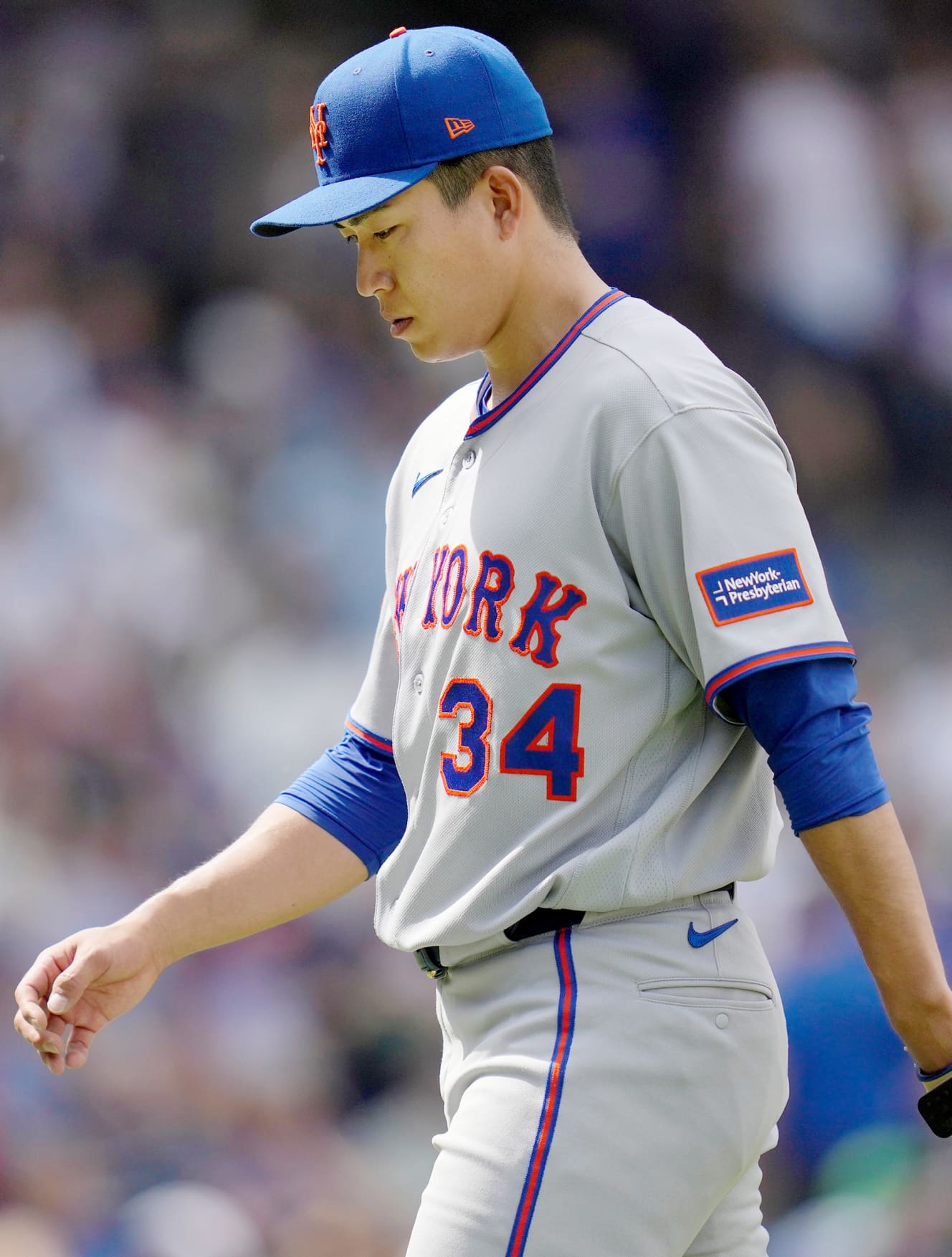
After going 12–7 with a 2.98 ERA in his 2023 rookie season and earning consideration for Rookie of the Year, Mets pitcher Kodai Senga has been plagued by injuries throughout his MLB career. Early last season, he delivered Cy Young-caliber performances with his signature “Ghost Fork,” but suffered a right hamstring injury in June and was forced to the sidelines. Since then, his pitching has been inconsistent. This season, he has made five starts, going 0–4 with a 9.00 ERA, and on April 29 he was placed on the injured list with inflammation in his lumbar spine.
“His physical fragility has been exposed by the grueling Major League environment, where pitchers typically work on four days’ rest. The harsh cold of early spring in New York aggravated old injuries and his back pain, while the comparatively limited medical support available compared with Japan has also become a mental burden. He had been receiving epidural steroid injections to suppress the inflammation, but it’s extremely difficult to perform at a high level while trying to mask an injury,” said an MLB East Coast reporter for a sports newspaper.
Ryota Igarashi describes Senga at full health as one of the premier pitchers in the major leagues, and continued:
“Honestly, I don’t think an injured area ever returns to 100 percent of its original condition. The body compensates to protect that injury, creating imbalances that lead to a chain reaction of further injuries. You also can’t ignore the physical toll of constant travel. When I played in the majors, traveling was by far the toughest part. Players with more sensitive bodies are especially susceptible, and it’s not uncommon for sleep deprivation to lead directly to injuries.”

A mind struggling to keep up
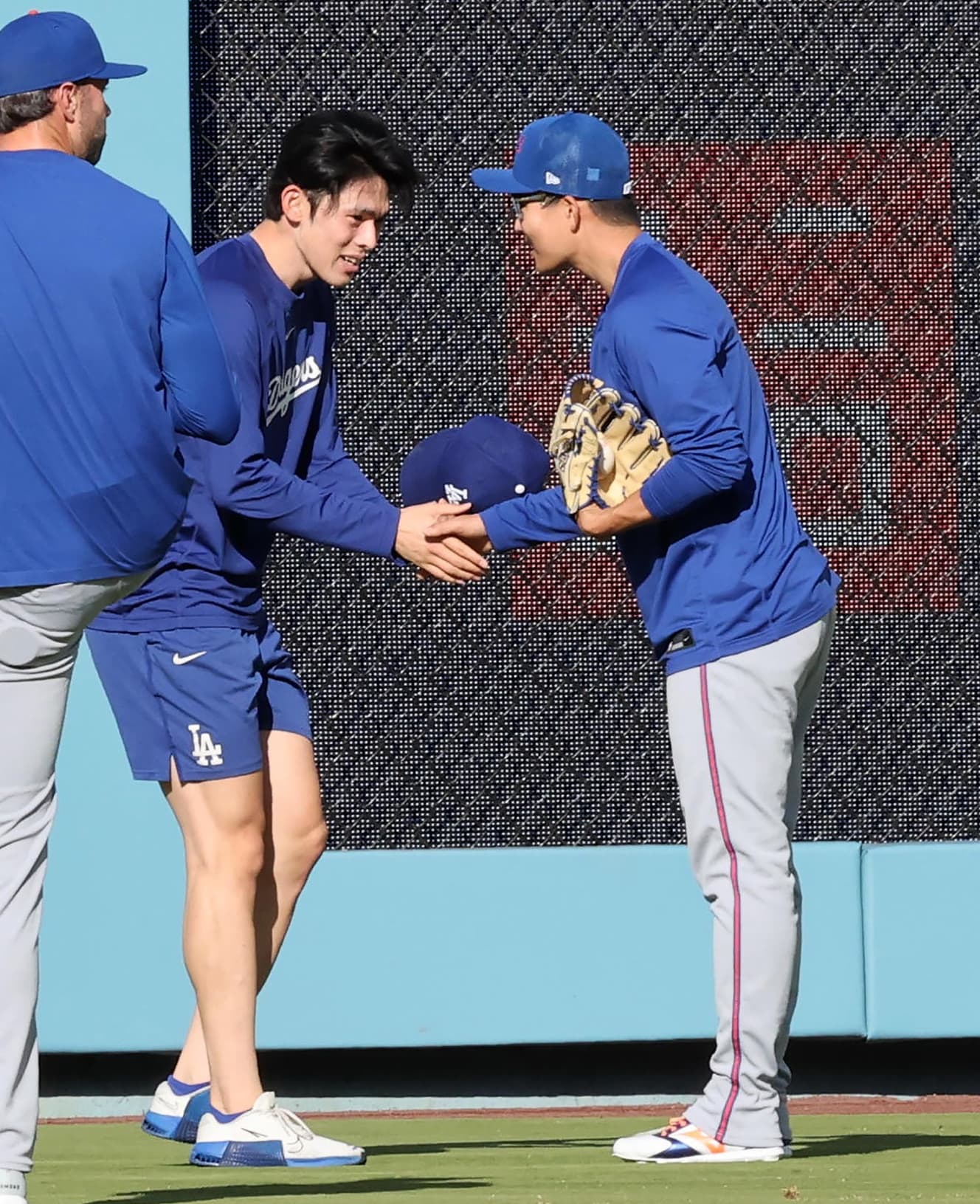
Although Imai, who joined the Astros this season, is reportedly in good physical condition, he appears to be having difficulty adjusting mentally.
“He was known for being a sensitive personality even during his days with the Seibu Lions. He came over saying, ‘I’m going to beat the Dodgers!’ but in Texas, where there are no Japanese players and very few Japanese staff members, he’s probably feeling isolated. On top of that, he has to adjust to the hard major league mounds and the slippery official baseballs, and the control issues that already troubled him in Japan are still present.
As Imai himself has acknowledged, he’s still gradually getting used to the American lifestyle and food, so before even addressing his pitching mechanics, he first needs emotional stability. Had he joined a team in Los Angeles, San Francisco, San Diego, or Seattle—cities with larger Japanese communities and plenty of Japanese restaurants—I think he might have adapted much more quickly.”
(Sports newspaper editor)
So far this season, Imai has appeared in five games, posting a 1-2 record with an 8.31 ERA. It’s clear that he’s struggling to adjust to his new environment. Ryota Igarashi empathizes with his situation while offering encouragement.
“I completely understand how he feels. When I first came to America, it took me time to get used to the major league baseball and the living environment. The subtle difference in how the ball comes off your fingertips is something you can only correct by continuing to pitch and making adjustments yourself. Once he gets past that hurdle, I believe the powerful pitching that defines Imai will return.
Watching him now, there are still too many pitches slipping out of his hand. If he continues making steady adjustments and regains his feel for pitching, he should be more than capable of succeeding.”
The four pitchers are all enduring difficult times, but once each overcomes his respective challenges, they may well soar to even greater heights.
From the June 5-12, 2026 issue of “FRIDAY”
PHOTO: AFLO