ANA Super Flyers Card “3 million per year” – Cosmo’s strongest lounge and credit card strategy to avoid the deterioration of the ANA Super Flyers Card


3 million yen barrier and mileage refugees
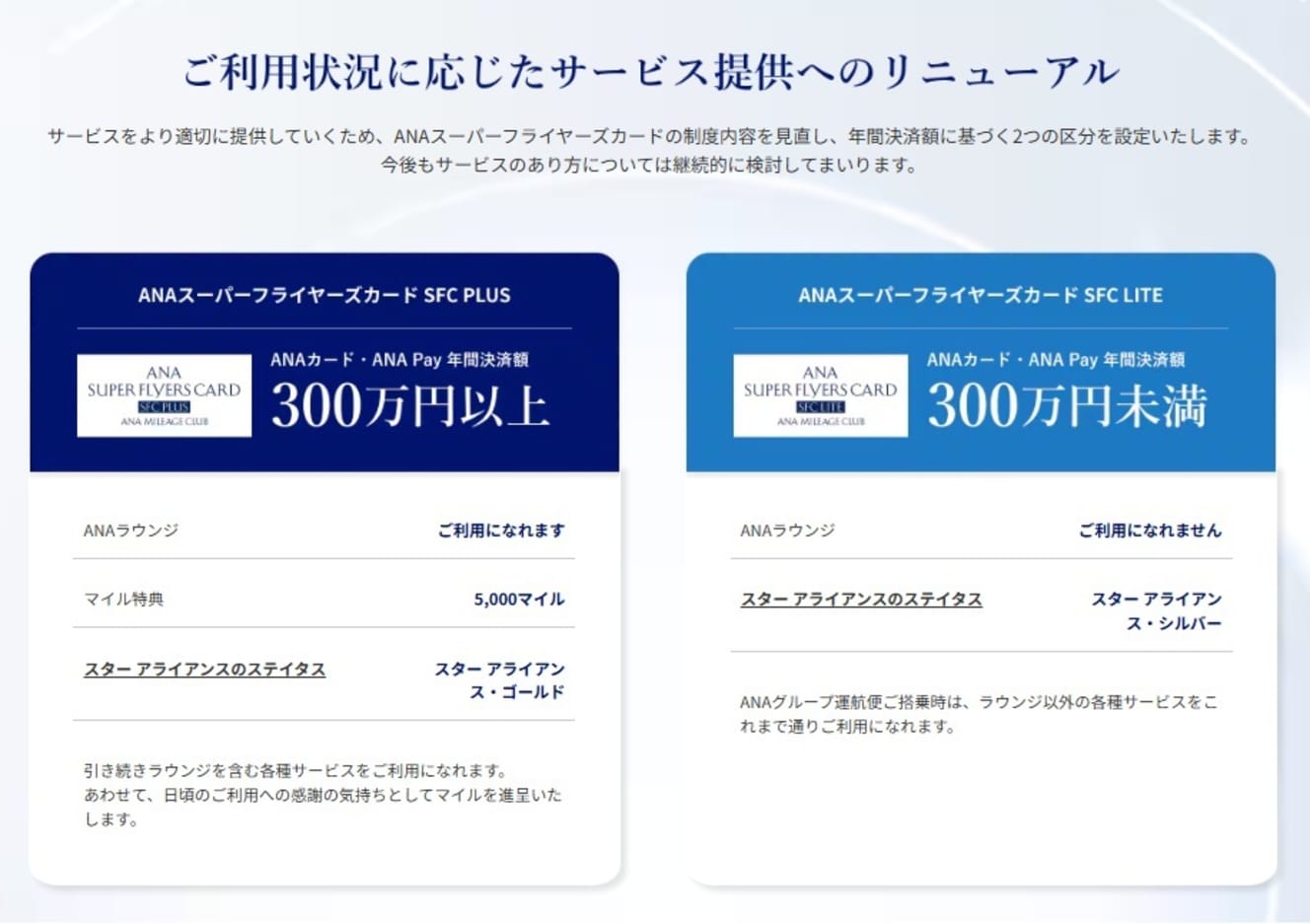
In April, ANA announced the revision of the rules for its Super Flyers Card (SFC), the company’s advanced membership qualification.
The SFC is a special credit card that can be applied for by “those who have completed a certain number of flights (so-called “training”
The appeal of SFC was that there were no quotas in terms of the number of boardings or the amount of money spent on cards each year, but now there is a new rule that members must spend at least 3 million yen per year on ANA cards or ANA Pay. Those members who have not met this requirement will be classified as “PLUS” members, while those who have not met the requirement will be classified as “LITE” members. PLUS members will still be able to enter ANA lounges, but LITE members will not be able to use them. The use of the word “permanent” to aggressively solicit members has also led to an outpouring of angry SFC members on the Internet, who say, “I thought it was a permanent status, but I was deceived.
In recent years, ANA has been making it difficult to obtain reservations for “award tickets. Many people are looking forward to accumulating miles by flying and making daily purchases, and then converting them into award tickets to fly practically for free. Some people are heard to lament, “Even if I spent 3 million yen to accumulate miles, it is meaningless if I cannot get an award ticket or use the miles.

JGC? Hotel credit cards?
In the past, earning miles with airline credit cards was considered “cost-effective” in many ways.
However, there are now a number of cards with high “redemption rates” such as the “Hilton Honors American Express Card” (annual fee 16,500 yen including tax) and the “Marriott Bonvoy American Express Card” (annual fee 34,100 yen including tax). There are a number of cards with high “redemption rates.
If you are an SFC member who wants to maintain privileges such as lounge access, and if you are a frequent ANA flyer for business or other reasons, you should aim to make annual payments of at least 3 million yen with your ANA card and concentrate your payments on daily purchases and other items. However, if you are approaching retirement, “3 million yen annually” will be a heavy burden. They may consider switching to a hotel card.
JAL’s “Life Status Program” (LSP), another airline card, has been in the spotlight in the wake of the SFC scandal. The LSP is a system whereby members can join the JAL Global Club (JGC), a credit card for advanced members that is equivalent to ANA’s SFC, and there is no annual “quota. Those who obtained JGC while working for a company can continue to receive the service after retirement.
However, in order to earn the 1500 points required for JGC membership as an LSP, one must fly a total of 300 domestic flights or spend a cumulative total of approximately 60 million yen with a JAL card. It is virtually impossible for a new cardholder to achieve this goal because of the time and money required.
However, since the JAL Card has a system whereby you can accumulate achievements (points) every year just by holding the card, it would be an excellent transfer destination for dormant JGC holders and those who have already flown with JAL in the past and already hold a certain amount of points, without having to keep up with the annual quota.
In addition, until now, there have been a few people who “used” SFC and hotel credit cards together. In the past, SFC did not have a “payment quota,” so they could “enjoy the best of both worlds” by paying for airline tickets with a hotel credit card that offers a high rate of return and free hotel stays, and then showing their SFC card at the airport to use the lounge. However, the revised rules will make it possible for SFC cardholders to enjoy the benefits of both.
However, with the recent rule revision, “taking advantage of the best of both worlds” is no longer possible. It is not realistic to think that the amount of money spent on hotel cards can be transferred to SFC. Hotel cards often already have a quota of several million yen in payments per year.

The most cost-effective! Lounge-specific credit card
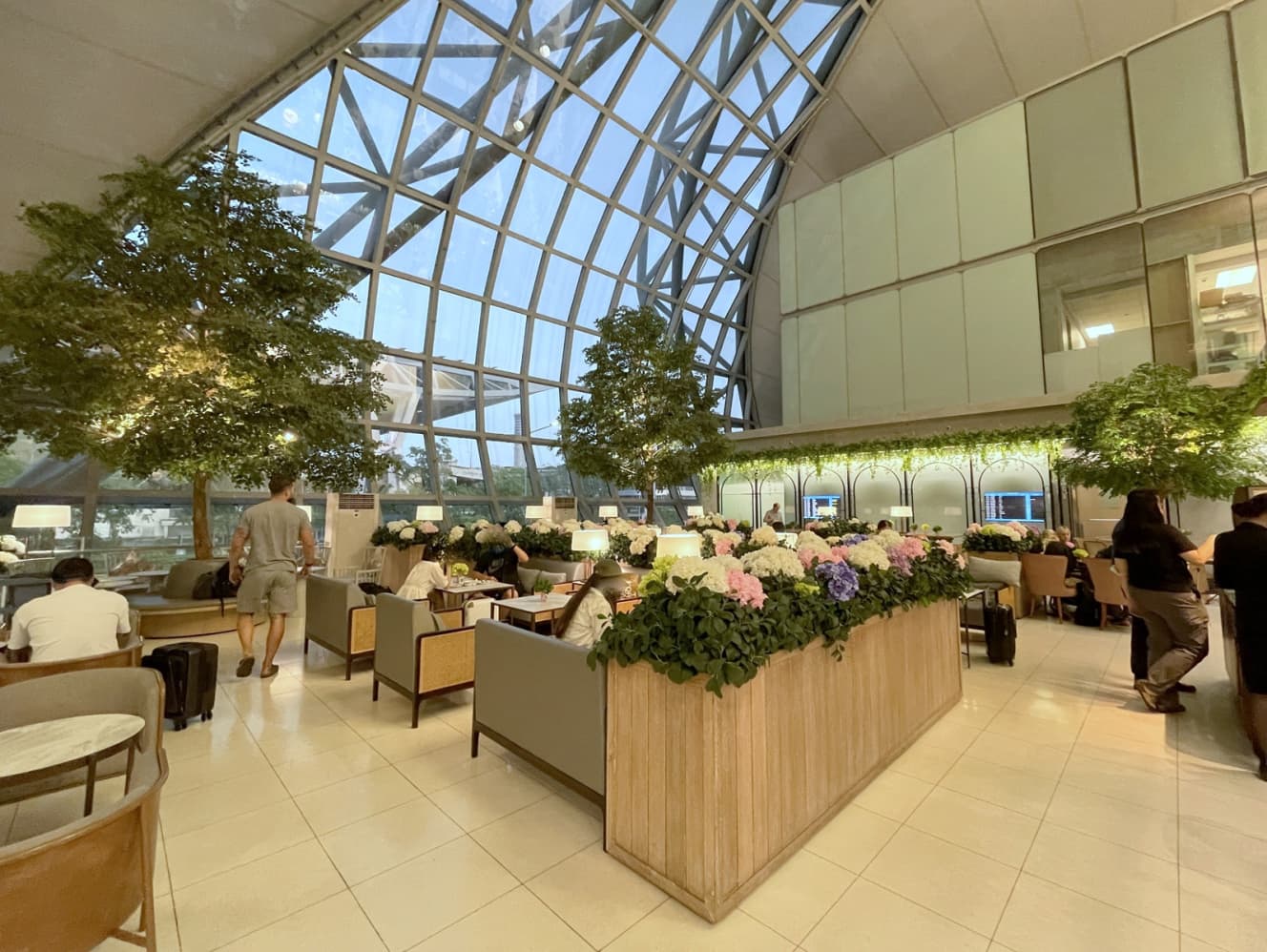
As mentioned above, the biggest difference between the “PLUS” and “LITE” categories of SFC is “lounge access. Lounges are especially useful at overseas airports. If you want to use lounges alone, Priority Pass is recommended. There are more than 1,700 lounges at airports around the world where you can eat, drink, rest, and even use the showers.
Priority Pass is available regardless of the credit card you have. You can sign up for membership on the official website, but the annual fee is expensive at $329 (about 53,000 yen) for a limit of 10 visits per year. It would be more economical to get a credit card that comes with Priority Pass as a free benefit.
The “Saison Platinum American Express Card” (annual fee 33,000 yen, tax included) offers unlimited lounge access. The Rakuten Premium Card (annual fee 11,000 yen, including tax) allows up to five free lounge visits per year. The Saison Platinum American Express Card offers a preferential annual fee based on the amount of annual transactions. The Rakuten Premium Card is convenient for those who use the so-called “Rakuten Economic Zone.
However, the rules for Priority Pass, which comes with credit cards, have been “revised” over the past few years. For example, the Rakuten Premium Card, which used to offer unlimited use of lounges for an annual fee of 11,000 yen, has been limited to five times per year since 2013. We would like to continue to check frequently to be aware of any changes in the criteria for lounge use.
The goal is to move to SkyTeam!
It is also possible to “switch” to a card affiliated with an overseas airline or airline alliance. For example, the Delta Air Lines “Delta SkyMiles American Express Gold Card” has an annual fee of 28,600 yen (tax included) with no charge for the first year, and after that, if you spend at least 1.5 million yen on your card each year, you will be eligible to receive the “Gold Medallion” membership, which gives you access to lounges and services of SkyTeam, an airline alliance that Delta Air Lines is a member of. Gold Medallion” status, which allows access to the lounges and services of SkyTeam, an airline alliance affiliated with Delta Air Lines.
Since no Japanese airlines are members of SkyTeam, it is more suitable for those who take many international flights. In addition to Delta Air Lines, SkyTeam members include Korean Air, Air France KLM, China Airlines, and China Eastern Airlines. It is good for those who often travel to Korea, Taiwan, China, and other countries for travel or business trips.
Korean Air plans to merge with Asiana Airlines this December to become a mega-carrier with one of the largest flight networks in Asia and one of the largest in the world, surpassing JAL and ANA. This is an advantageous choice for those who travel from airports around Japan to Europe, the U.S., and Asia via Incheon International Airport.

How to keep your Star Alliance Gold status
The Star Alliance Gold status granted to SFC members has been revised. If you spend less than 3 million yen per year, you will be downgraded to “Star Alliance Silver”.
There is a big difference between Gold and Silver: Silver members cannot use lounges of Star Alliance member airlines, and have almost no priority in boarding procedures and baggage claim. In addition, you will have to wait in long lines at the counter, which is a harsh reality for those who have enjoyed the benefits of Gold so far.
If you really want to get Star Alliance Gold, you will have to maintain your “SFC PLUS” status or become a frequent flyer member of a Star Alliance member airline other than ANA and accumulate achievements until you are granted Gold status. However, since the membership is renewed every year, unless you are a business traveler, you will need to spend time and effort (training) to keep flying every year.
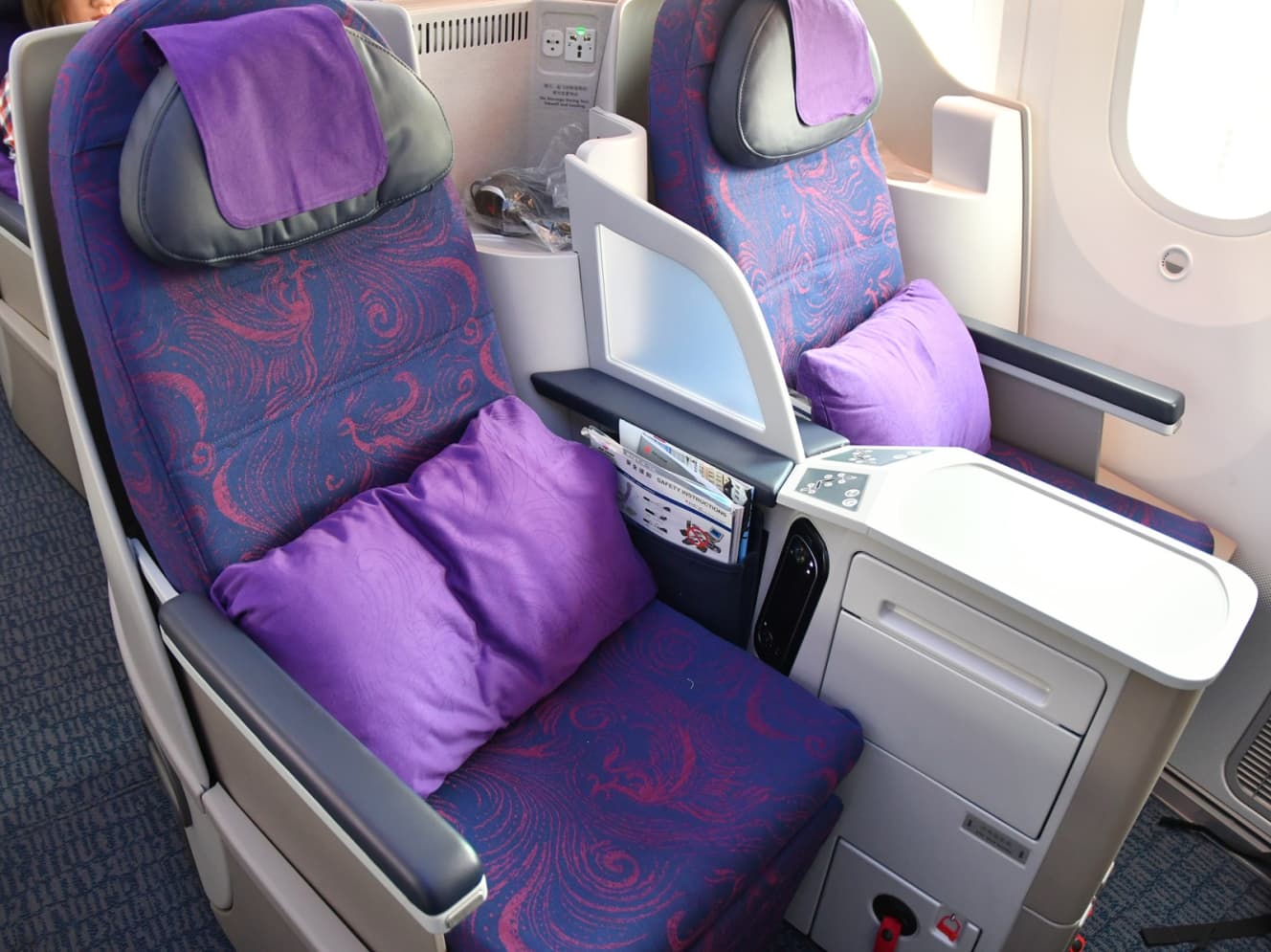
If that is the case, you may choose to book business class only when necessary, for a fee. This is because you get the same priority service as Star Alliance Gold, regardless of your status.
While fares are very expensive on long-haul routes in Europe and the U.S., they are often relatively inexpensive on nearby Asian and foreign carriers. Rather than wasting money on unnecessary payments and expenses to maintain status,
The end of the training? The best path for you is…
The difficulty in booking award tickets on ANA is probably due to the fact that fewer seats are available for award reservations, and the boom in “SFC training” has led to an increase in the number of members with a large number of miles. Some believe that the increase in the number of senior members has led to normalized lounge crowding, leading to the recent SFC rule revision.
Although ANA award tickets are not fully dynamically priced (variable) like JAL’s, the number of miles required varies depending on the season (low, regular, or high), while JAL’s number of miles required increases or decreases depending on the number of seats remaining and other factors. As a mileage member, I appreciate that the number of miles required is fixed, but it is meaningless if it is difficult to make reservations.
The revised rules will probably cause a few SFC members to cancel their membership. If the number of members decreases and award tickets become easier to obtain, the revised rule will be understood to some extent, but if the reservation situation does not change much, there will surely be more complaints that “I spent 3 million yen on this service.
In any case, the era of unlimited access to airline lounges is coming to an end, as people are “training” by flying and paying a little more than 10,000 yen every year to have a ticket. We need to get out of the practice of “making unnecessary purchases for the sake of miles,” and choose only those services that are truly valuable to us in accordance with our current lifestyle. This is the “wise man’s way of transferring” in the new era of the frequent flyer industry, where the rules continue to be revised and worsened.
Interview, text, and photos: Aki Shikama