Environmental DNA Can Detect Bears from a Cup of Water—And Akita Prefecture Is Putting It to Use


Identifying bears with just a cup of water
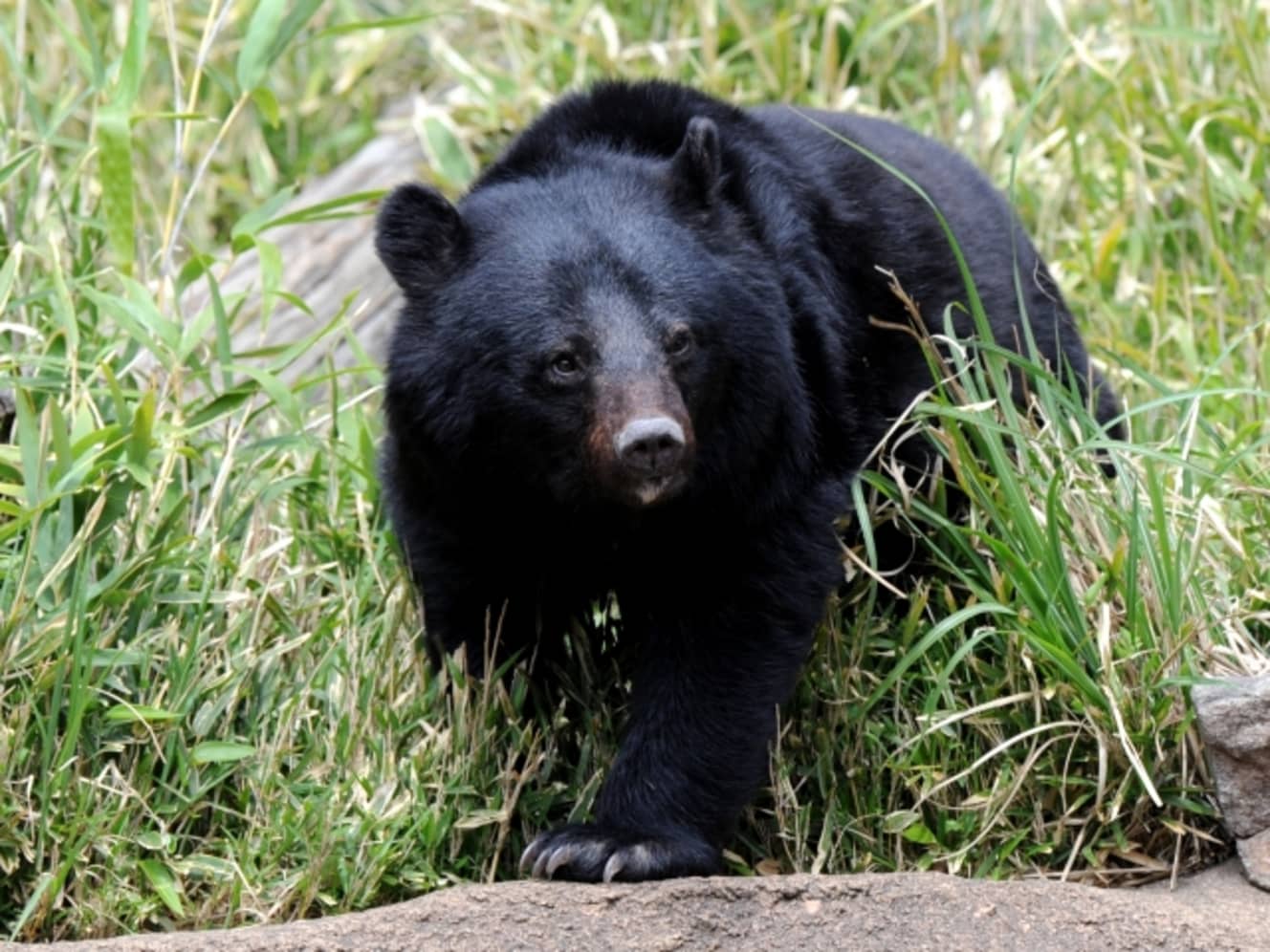
As soon as bears emerged from hibernation, they began appearing in urban areas. While local governments have introduced various measures to deal with bears, Akita Prefecture adopted a new approach last autumn: an environmental DNA survey that detects bear DNA in river and lake water.
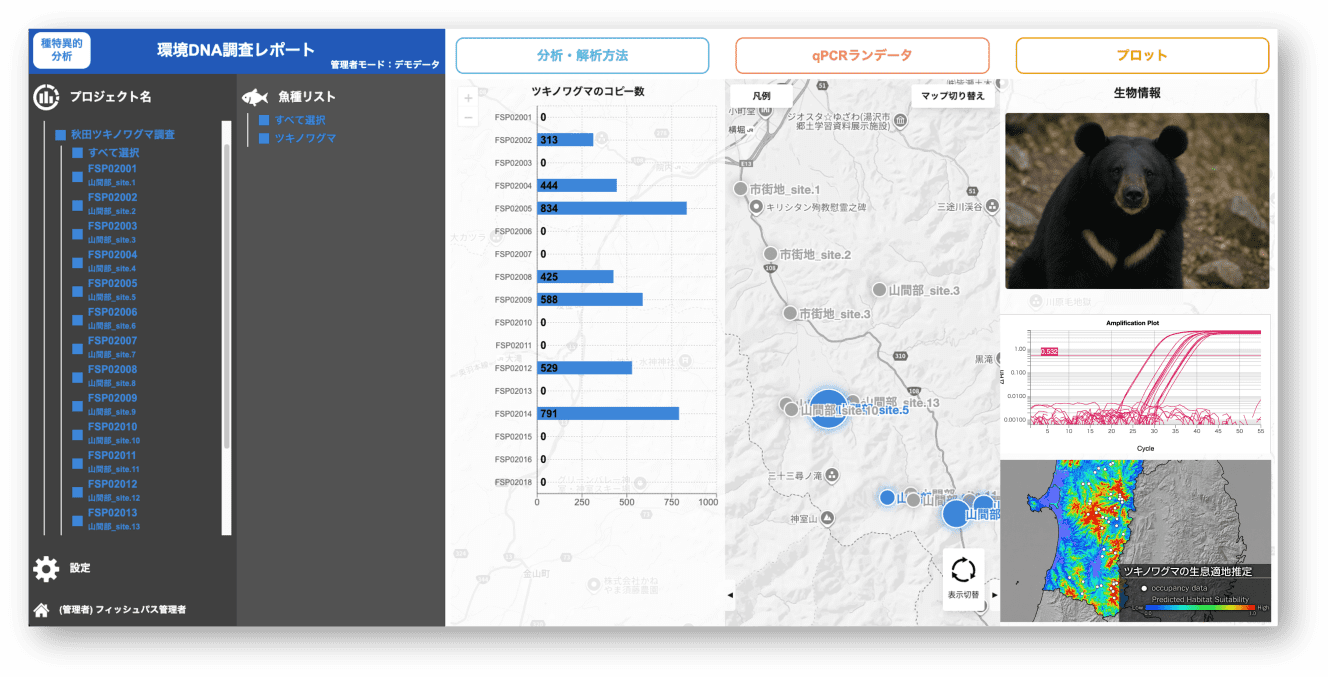
“With just a cup of water, we can estimate within 24 hours which bears—and approximately how many—were present up to one kilometer upstream.”
So says Yuki Nakatani of Fishpass Inc., based in Sakai City, Fukui Prefecture.
When a bear walks along a river, it sheds hair. When it drinks, traces of saliva remain in the water. The company says these tiny biological traces are enough to analyze the bear’s DNA.
Fishpass is a company that supports recreational river fishing. In Japan, anglers must purchase a fishing permit from the local fisheries cooperative before fishing in rivers or lakes, but many are unaware such permits even exist, leaving fisheries cooperatives struggling financially. To address this, Fishpass developed a smartphone app that allows users to purchase fishing permits anytime, 24 hours a day.
Fisheries cooperatives are also required to conduct regular resource surveys. Traditionally, this involved methods such as netting fish or using electrofishing equipment, which require specialized skills and manpower and are not environmentally friendly. To support the cooperatives, the company launched its environmental DNA business.
By collecting a water sample, the company can analyze fish scales, waste, and other biological material contained within it to determine what species of fish—and approximately how many—were present within one kilometer upstream during the previous 24 hours. Today, fisheries cooperatives, environmental consultants, and environmental assessment firms across Japan use this system.
As for why Fishpass expanded into bear monitoring, Nakatani explains:
“A fisheries worker in Akita Prefecture, with whom we had worked through our fishing permit business, was attacked by a bear and seriously injured. That incident prompted us to begin studying environmental DNA for bears.”


Warning of bears before they are spotted
How can analyzing environmental DNA to determine where bears are and how many are present help prevent incidents?
“Based on scientific evidence, we can place traps in areas where bears are most active. By understanding how far bears have entered human-populated areas and where they are concentrated, we can also issue warnings to the public.”
Last year, Akita Prefecture recorded 13,592 bear sightings, the highest number in Japan. Many residents become frightened simply by hearing rustling sounds in the grass, fearing that a bear may be nearby.
“It could just as easily be a wild boar. Environmental DNA analysis can eliminate unnecessary fear by identifying what animals are actually present.”
Even within Akita, the Oga Peninsula has relatively few reported bear sightings. Going forward, surveys will also target areas where it is still unknown whether bears are present at all.

The spread of environmental DNA technology—even adopted by the government
Environmental DNA technology was developed around a decade ago. In its early days, analyzing environmental DNA sometimes required an entire bucket of water. Today, however, just a cupful is enough to examine not only rivers and lakes but also seawater and even sewage.
“We can also analyze soil and air. If we collect DNA from a bear’s claw marks and find human DNA there as well, we can determine that a bear involved in an attack on a person was present at that location.”
Japan’s Ministry of Land, Infrastructure, Transport and Tourism has already decided to incorporate environmental DNA into its national river and waterfront surveys. Some major construction companies have also begun analyzing environmental DNA in soil before construction, during the project, and after completion.
“I believe it will also be useful when constructing offshore wind farms. Environmental DNA is likely to become widely adopted in the field of environmental impact assessments.”
Japan’s Red Data List of endangered species is updated every ten years, and environmental DNA analysis is already being used in those surveys.
“We at Fishpass are likely to be entrusted with fish population surveys.”
One might think the company’s focus has now shifted entirely to environmental research, but Nakatani concluded with another reason behind the project:
“Over the past two or three years, the number of anglers in Akita Prefecture has dropped dramatically because people want to avoid encounters with bears. If we can provide scientific evidence showing that bears are absent or unlikely to appear in a given area, people can enjoy fishing with peace of mind. We’d like environmental DNA analysis to help make that possible.”
Interview and text: Izumi Nakagawa