Court Delivers Verdict in Case of Man Who Claimed, “I Entered and the Woman Happened to Be Naked”


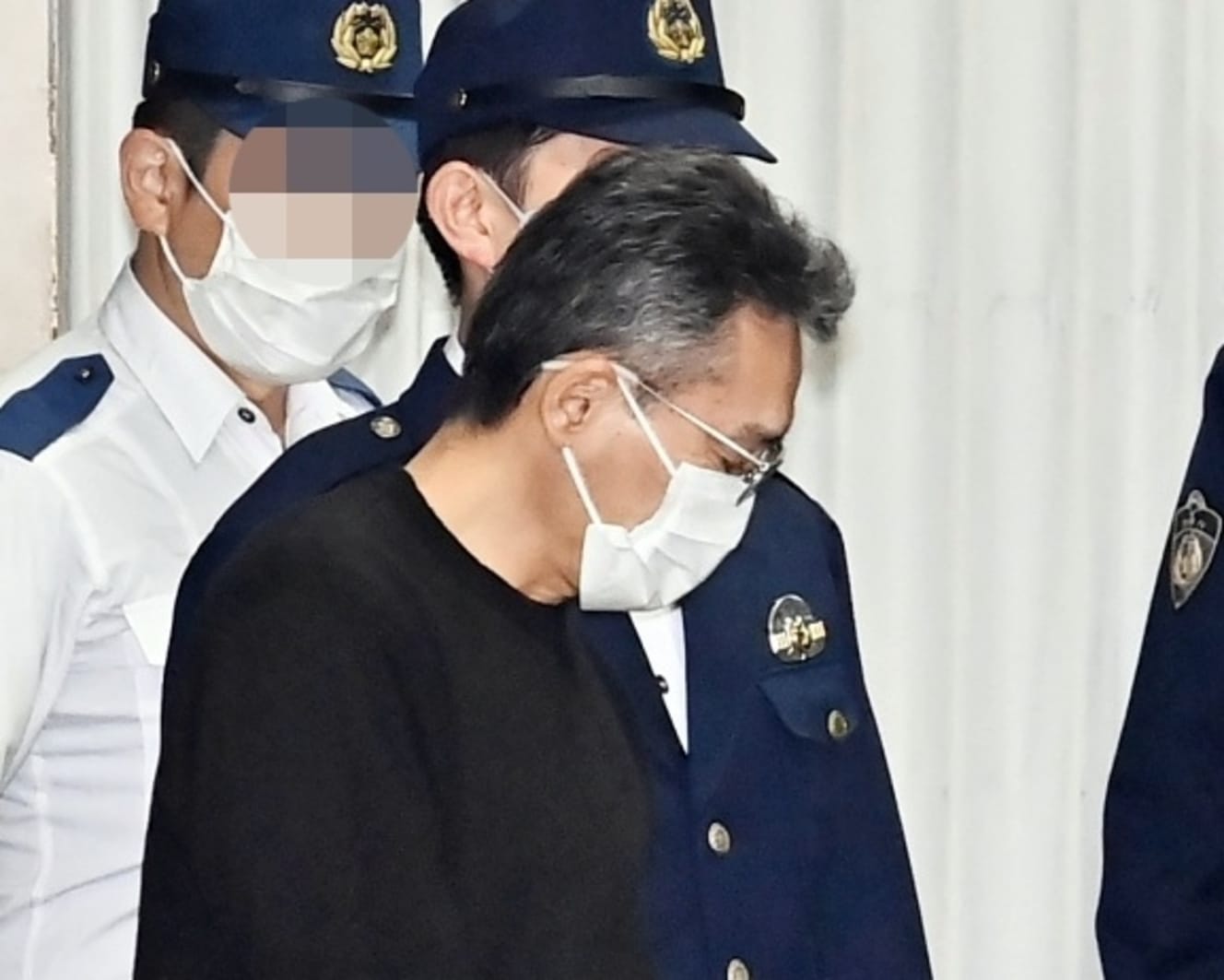
The verdict delivered to an unrepentant defendant
“During the 17 years I spent in prison, I received education and guidance, and I came to realize that the way I had been thinking was wrong. I reflected on my actions, so I’m very disappointed that I ended up doing something like this again.”
With these words, a 57-year-old man expressed regret after repeatedly committing voyeurism offenses only about a year after his release from prison.
On May 27, 2026, the Tokyo District Court held the sentencing hearing for Masahiro Suzuki (57), who was charged with secretly filming the intimate images of four women, trespassing, and theft.
Standing at the witness stand with his hair closely cropped, Suzuki listened as Judge Isao Sasaki handed down a prison sentence of three years. The judge stated that “a total of four women had their private spaces—where they should have felt safe—violated, with house keys stolen and intimate images secretly recorded. The psychological distress and anxiety suffered by each victim were significant.”
Suzuki was first arrested in October 2025 on suspicion of attempted non-consensual indecent acts after allegedly entering the apartment of a woman identified as A in September with the intent to commit a sexual offense.
Although he was released without prosecution at that time, investigators later discovered videos of three women nude on his smartphone, leading to the exposure of additional voyeurism crimes. On November 4, he was arrested by the Ayase Police Station of the Metropolitan Police Department on charges of secretly filming intimate images and trespassing after allegedly entering the grounds of A’s apartment and recording her through a gap in the window.
During the trial, the court heard details of Suzuki’s repeated pattern of invading women’s living spaces to secretly film them and commit related crimes.
In July 2025, he secretly recorded A on two occasions. In August of the same year, he entered the unlocked residence of another woman, B, and stole one of her keys. In September, he secretly filmed woman C while she was naked through a gap in the window of her lodging. Earlier, in November 2024, he had entered the residence of woman D, stolen her key, and secretly recorded her while she was nude.
The crimes against B came to light after investigators found images of B’s driver’s license and her younger sister’s driver’s license stored on Suzuki’s smartphone. During a search of his home, police also recovered a key with a tag bearing B’s name.
The door just happened to be unlocked
When asked about his motive for the crimes, Suzuki repeatedly used the word control.
“By seeing women in vulnerable situations and obtaining their keys or personal information, I felt as though I had control over them. I wasn’t planning to break in again using duplicate keys or anything like that. Just having their house keys and knowing that I could enter whenever I wanted gave me a feeling of dominance.”
Suzuki also had a prior criminal record. In 2006, the Saitama District Court sentenced him to 17 years in prison for four counts of rape and one count of causing injury through forcible indecency. He was granted parole on November 30, 2023.
According to his testimony, he initially worked diligently as a cleaner after his release. However, stress from work and feelings of loneliness caused him to fall back into what he described as bad habits, leading him to wander around alone at night and eventually commit the offenses. Those “bad habits” apparently included peeping into homes through windows and entering houses whenever he found one left unlocked.
He claimed that “the door just happened to be unlocked, so I went inside, and the woman just happened to be naked, so I recorded her.” He further stated that “after serving 17 years, I had learned and reflected enough to know that I must never go any further than that,” suggesting that he had consciously refrained from committing more serious crimes such as non-consensual sexual assault.
Because he had been imprisoned around 20 years earlier, before smartphones became widespread, Suzuki said he first obtained a smartphone only after his release. Even so, he testified that “while in prison, I had heard that secret filming with smartphones had become common.” He said he could not remember exactly when he first started using a smartphone to secretly record women.
Reflecting on his voyeurism offenses, he spoke almost as if describing someone else’s actions:
“I never imagined that I would become someone who secretly filmed people. In a way, I was surprised myself, thinking, ‘So this is how someone ends up committing a sex crime.’”
In explaining the sentence, Judge Isao Sasaki emphasized Suzuki’s criminal history:
“Although the defendant had received a 17-year prison sentence and should have been given an opportunity for rehabilitation, he committed the first offense only eight months after completing his sentence and continued offending thereafter. His respect for legal and social norms is clearly lacking.”
Suzuki himself repeatedly referred to his 17 years in prison, lamenting that his rehabilitation efforts had been wasted.
“During those 17 years, I learned about things like cognitive distortions and realized that my way of thinking had been wrong. Well, it turns out I hadn’t really changed at all. I thought I had learned lessons I could apply after my release, but this time I failed to put them into practice.”
Unless he appeals, Suzuki will serve the sentence as imposed. Given that the bad habits he described resurfaced so quickly after 17 years of incarceration, one cannot help but question whether a three-year prison term alone will be enough to prevent him from reoffending again.
Note: “FRIDAY Digital” welcomes information and tips from readers. If you have information to share, please submit it through the information submission form below or via its official X (formerly Twitter) account.
Information form: https://friday.kodansha.co.jp/tips
Official X: https://x.com/FRIDAY_twit
Interview and text by: Nakahira Ryo PHOTO: Shinji Hasuo