Dozens of Dead Animals Found in Disturbing Hoarding Case Linked to Animal Rights Group Head


A room filled with foul odor and more than 30 carcasses scattered inside
“Rescuing animals that cannot speak”
“Protecting dogs that have lost their place to go”
The representative of an animal welfare organization, which had been advocating noble principles, was found to have been keeping dogs and cats in a sealed room filled with a massive number of carcasses and overwhelming stench, effectively letting them die in captivity.
On May 22, 2026, Marunouchi Rumi (47), the representative director of the general incorporated association “Shelter Dogs and Cats House Nanachan’s Home,” was arrested by the Metropolitan Police Department on suspicion of violating the Animal Welfare Act (animal abuse). While she has stated, “I reflect on having kept them in such poor conditions,” she partially denies the charges, claiming, “There was no need to take them to a hospital immediately,” based on her own experience.
When one imagines an animal welfare organization’s base of operations, one would expect a clean environment where animals wait for new families. However, Marunouchi’s home in Shinagawa Ward was an abnormal space far removed from that expectation.
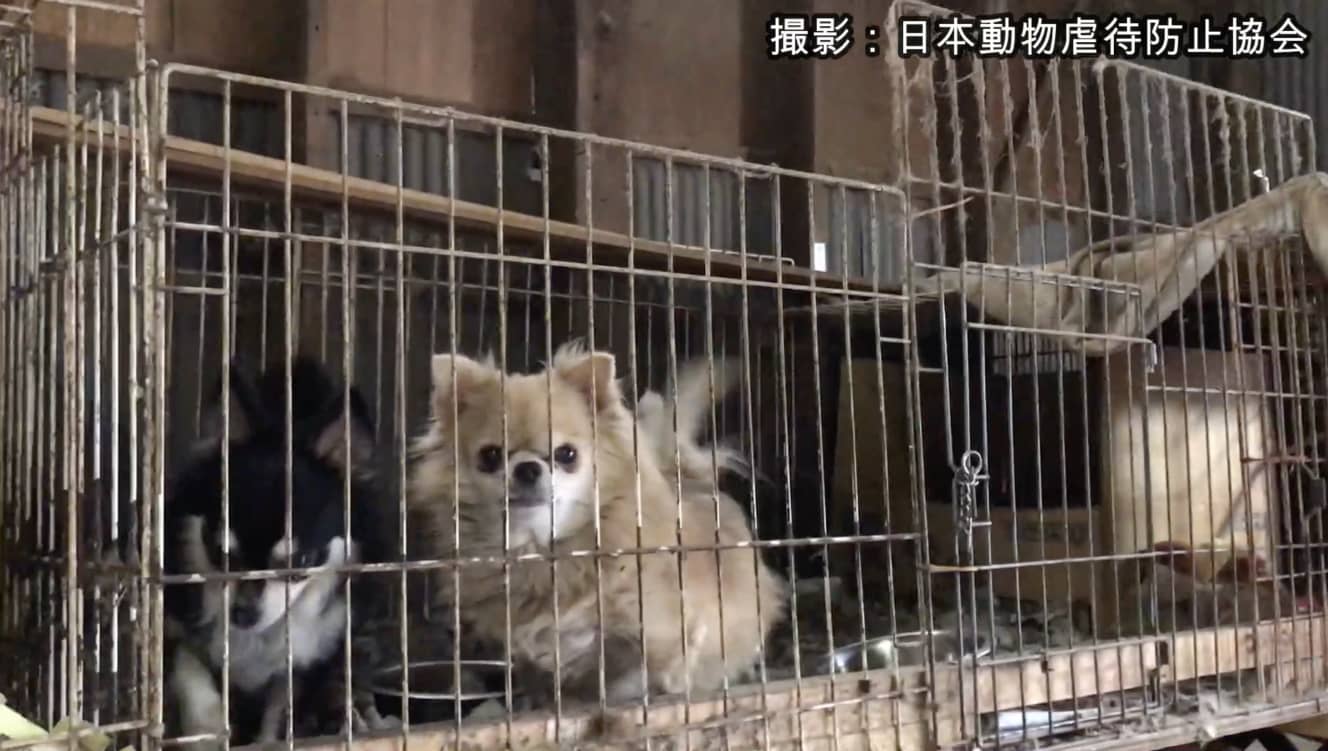
When investigators entered the house, dog and cat corpses and waste were left everywhere inside, making it impossible to even step, according to reports. The ammonia concentration in the room was 133 ppm, far exceeding the standard under the Offensive Odor Control Law (1 ppm), reaching a level that can harm human health.
Most shocking to investigators were the remains and bones of at least 30 dogs and cats scattered throughout the house. There were signs suggesting that surviving animals may have eaten the carcasses, possibly due to a lack of adequate food.
Of the 39 animals rescued, about half suffered from illnesses in their eyes or other areas, but had not received proper medical treatment. It is believed that feces accumulated, dried, and turned into dust and particles that became airborne, attaching to their eyes and damaging the cornea. Marunouchi is said to have stated:
“Cremation costs were too high, so I left the carcasses there.”
“Even when I installed toilets, they were destroyed, and I eventually felt it was pointless to keep cleaning up.”
How did a place meant to save lives turn into such a horrific scene?
Marunouchi reportedly stated that she had kept up to 70 animals at once, and it is clear she had fallen into a situation of multi-animal hoarding collapse beyond what one person could manage.
“According to her statement, one factor that worsened the situation appears to have been the departure of her closest collaborator—her son. Marunouchi cannot drive. When rescuing dogs, she reportedly relied on her son, who lived with her, to drive. In questioning by police, she said, ‘My son moved out, and I ended up having to care for everything alone.’ After repeated incidents of being bitten by rescued dogs, her son apparently grew tired of helping and eventually left the household,” said a social affairs reporter from a national newspaper.
A former colleague from seven years ago speaks about the stark contrast between her back then and now
It is not hard to imagine that being left alone with an enormous number of dogs and cats placed not only a physical burden on her but also a financial one. Many animal welfare organizations rely on donations from supporters for operating funds, but as the number of animals increases, it inevitably becomes impossible to cover the costs.
Dogs are legally required to receive an annual rabies vaccination, and even a basic health check costs about 3,000–4,000 yen per animal. If surgery or hospitalization is needed, costs can reach hundreds of thousands of yen. In facilities caring for many sick rescued animals, medical expenses alone can quickly make operations unsustainable.
With both funds and manpower depleted, and no car available to take animals to the hospital, it is easy to imagine that Marunouchi Rumi had fallen into such an impossible, cornered situation.
Akiko Fujimura, representative of the nonprofit organization “Japan Society for the Prevention of Animal Cruelty,” says she cannot hide her shock at the arrest.
About seven years ago, during another severe case of hoarding collapse in Koga City, Ibaraki Prefecture, Marunouchi had actually been a colleague who helped with undercover investigations at the scene.
The facility in Koga City was an NPO that displayed banners such as “Animal Welfare” and “Zero Euthanasia” at its entrance. However, in reality, it kept more than 100 dogs and cats in a severely unsanitary environment where feces had accumulated, neglecting necessary health care in a serious case of neglect. The facility’s representative was eventually referred to prosecutors on suspicion of violating the Animal Welfare Act. Fujimura recalls the horrific conditions at the time:
“It was a two-story house, but dogs in cages were filthy black even though they were still wearing clothes, and their eyes had turned completely white. We had to wear three masks just to endure the smell. There were also many rat carcasses lying around.”
In response to such poor conditions, Fujimura and other volunteers disguised themselves as helpers and carried out undercover investigations at the facility. One of those active on the front lines of that investigation was Marunouchi herself. Based on the evidence videos they collected, a criminal complaint was filed with the police, which was accepted, leading to a search of the facility and the referral of its representative to prosecutors.
“We went undercover to that facility in Koga City many times, and Ms. Marunouchi helped us. There was a Chihuahua that was bloated and lethargic, and she said, ‘Can I take it to the vet at my own expense?’ and personally brought it to the animal hospital. To me, she really seemed like a very good person.” (Fujimura)
When did the once-strongly principled Marunouchi begin to change? Fujimura also reveals that she had sensed a “disconnect” between Marunouchi’s personality and her recent social media activity.
“She tends to take everything on by herself and doesn’t try to rely on others. I’ve heard from former colleagues that she had a strange sense of pride. When I met her seven years ago, she didn’t seem flashy at all. But when I look at her recent Facebook posts, she seems like a completely different, glittering person compared to the past. Maybe somewhere along the way, she changed.” (Fujimura)
While she appeared to publicly share a glamorous social life on social media, behind the scenes it seems that dogs and cats at her home were continuing to die without receiving adequate medical care.
Animal hoarding as a pathological condition
Why does a person who was once devoted to animal protection end up committing acts of cruelty themselves, resulting in such tragedy? Fujimura points out that there are many cases where well-intentioned people continue taking in animals out of pity, only to eventually reach a breaking point.
“At first, they rescue dogs and cats because they feel sorry for them, but eventually they become overwhelmed and reach capacity. In that state, cases of neglect turning into abuse are very common. In the United States, this condition is called a hoarder, and it is considered a form of psychological pathology. People try to handle everything themselves and, perhaps because they want to avoid problems being exposed, they even begin hiding carcasses inside their homes.”
As a system to prevent such situations, some local governments in the United States have specialized units known as animal police, which have investigative authority in animal abuse cases. They are able to quickly enter properties and remove animals when abuse is suspected. In contrast, in Japan, the authority and manpower of animal administration are limited, making it difficult for local governments to intervene immediately even when abnormalities are detected. In fact, in this case, reports of barking and feces had already been made by residents around the home as early as December last year, but it took nearly half a year for the situation to improve.
“There is no animal police in Japan. Even if public health centers notice abnormalities in cases of hoarding and provide guidance, it is not realistic for them to take in all 50–60 dogs and cats. Because there is no system to receive them, authorities cannot actively intervene, and the situation ends up being overlooked and worsening further,” (Fujimura).
Within Japan’s system, where authorities cannot immediately step in, lives that had nowhere to go quietly disappeared amid stench and filth. The pure kindness of Marunouchi—who once paid out of her own pocket to save a weakened Chihuahua seven years ago—must have been genuine.
However, continuing to take in animals based solely on momentary feelings of pity without a plan inevitably leads to such horrific collapse. Where, then, did Marunouchi lose sight of the heavy responsibility of caring for lives that cannot speak for themselves?


PHOTO: Japan Society for the Prevention of Cruelty to Animals