How the World of “Ashita no Joe’s” Sanya Has Been Redefined in Modern Tokyo


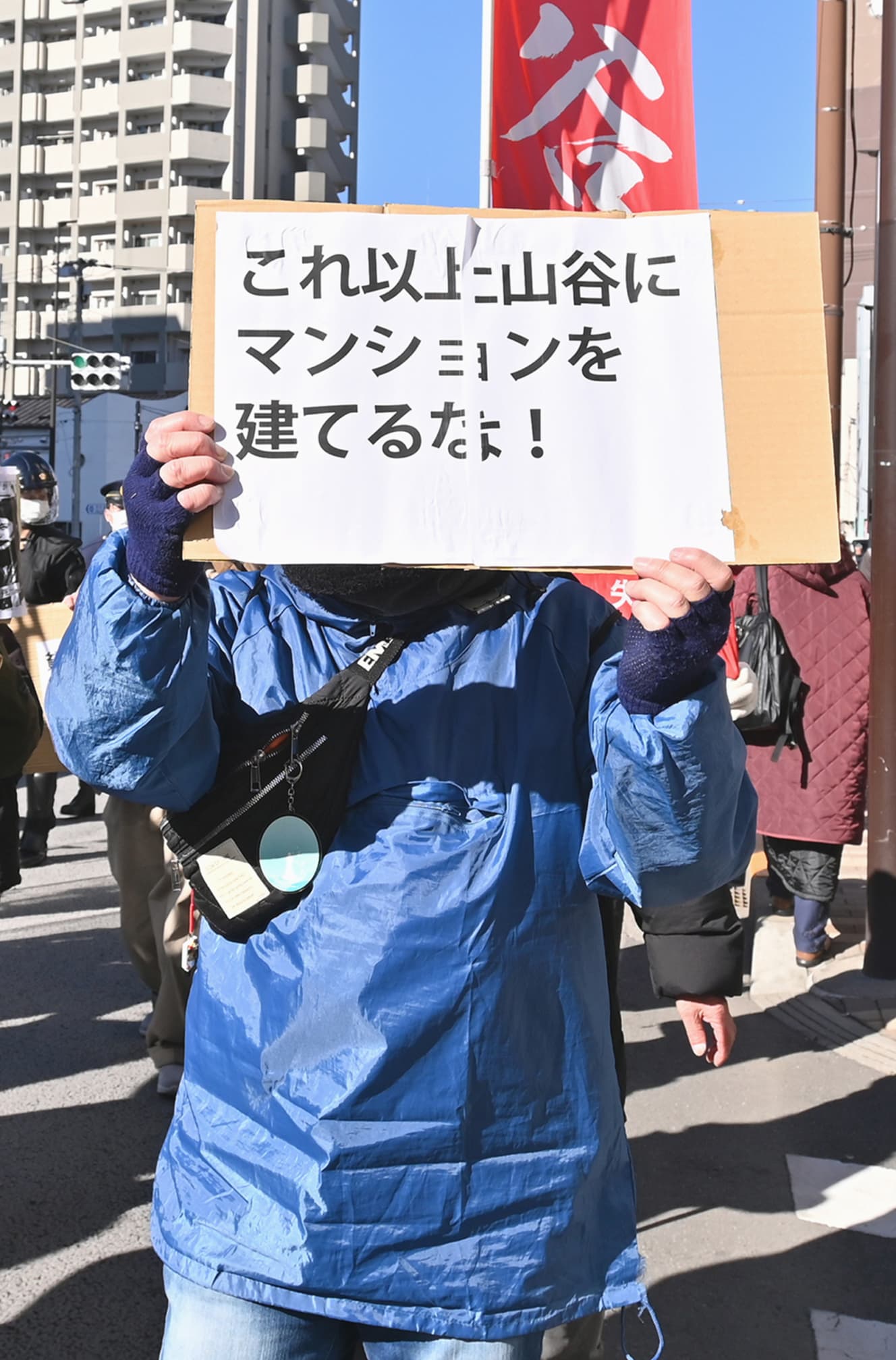
High-rise condominiums loomed over the area.
I was surprised when I visited the site for the first time in four years.
In the area that used to be densely packed with simple lodging houses, a 13-story condominium now stands towering, and parking lots are filled with construction vehicles. Large trucks come and go along narrow roads, and one wonders whether the remaining old buildings will eventually also be demolished.
This is the area known as “San’ya,” covering Kiyokawa, Nihonzutsumi, and Higashi-Asakusa in Taito Ward, Tokyo. Since the Edo period, it has been home to clusters of inexpensive “kichinyado” (lodging houses without meals), and in the Showa era it became widely known as a district of day laborers. However, recently, the appearance of San’ya has been rapidly changing.
“Don’t tear down the dormitories! Don’t build condominiums in San’ya!”
Voices of protest against high-rise condominium construction echoed through the area this January. About 30 staff members supporting workers held a demonstration march, chanting slogans while surrounded by about 80 police officers.
I first visited San’ya about 13 years ago while covering home medical care. Since then, I have spoken with workers living in the area on various occasions, and I have even helped at year-end soup kitchens on New Year’s Eve.
“Previously, actors supporting workers would organize performances on the streets on New Year’s Eve to entertain them. They also prepared warm soba noodles in large pots and served them to the workers. However, during the COVID-19 pandemic, everything changed. Street performances involving crowds were canceled to prevent infection, and soba noodles were replaced with cup noodles,” said a staff member supporting workers.
In San’ya, where new condominiums are rapidly being built, a man in his 50s receiving public assistance and living in a simple lodging house lamented:
“San’ya was the setting for the manga ‘Ashita no Joe,’ and before COVID, workers from all over Japan came here and the area was lively. But recently, festivals and performances have decreased, and the roughly 300-meter arcade of the historic Iroha Shopping Street was also removed a few years ago. They say it was for aging infrastructure and disaster prevention, but places where homeless people could shelter from the rain and wind have disappeared.”
Even the few remaining lodging houses are being converted into new guesthouses for inbound tourists.
The Tokyo Metropolitan Government Bureau of Social Welfare is promoting a project called the “Tokyo San’ya Countermeasures Comprehensive Project Plan.” It is a program aimed at improving the local environment. The plan states the following as part of its policy direction:
“Due to the increase in newly built condominiums and the influx of new residents, the character of the San’ya area is undergoing major changes. Taking this background into account (omitted), efforts will be made to improve the environment of the San’ya area, including environmental beautification activities.”
Koichiro Mukai of the San’ya Workers Welfare Hall Action Committee expressed anger:
“The metropolitan government is only saying empty words. People in socially vulnerable positions are being pushed out. That is the reality of San’ya today.”
The workers’ town is gradually being transformed into a residential area lined with condominiums.
From “FRIDAY,” issue dated May 29, 2026.
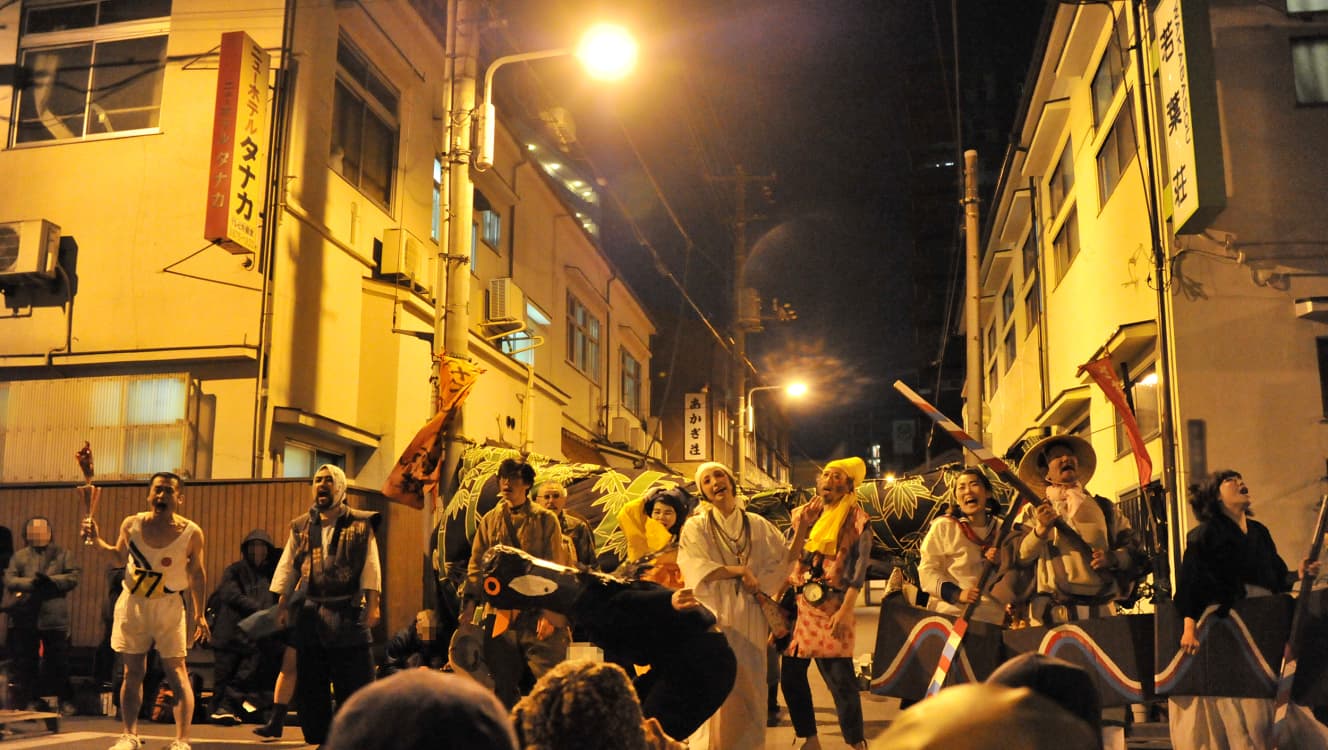
December 2019. After the workers finished eating the New Year’s Eve meal provided at a soup kitchen, a street performance by actors supporting them began.
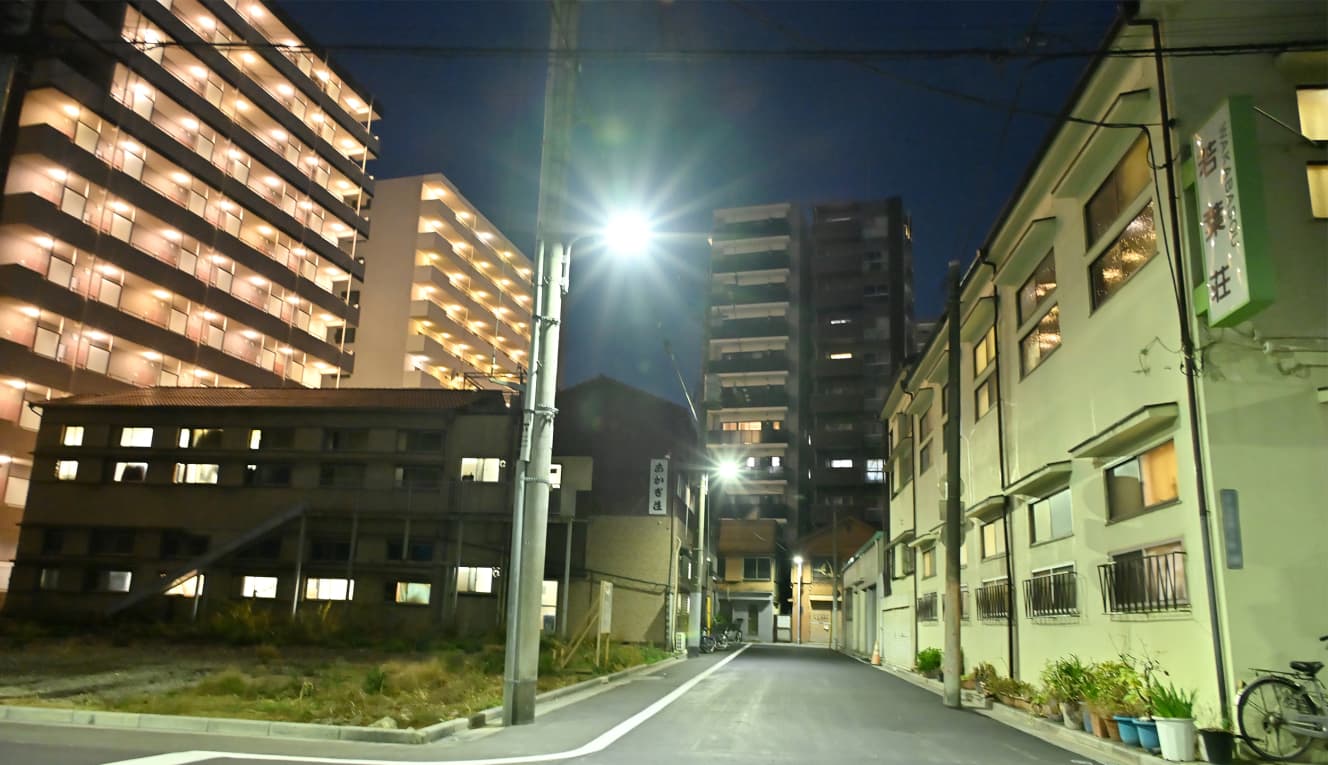
December 2025. Street performances were canceled due to COVID-19 infection prevention measures. The simple lodging house that had been on the left side of the photo above has been turned into a vacant lot.
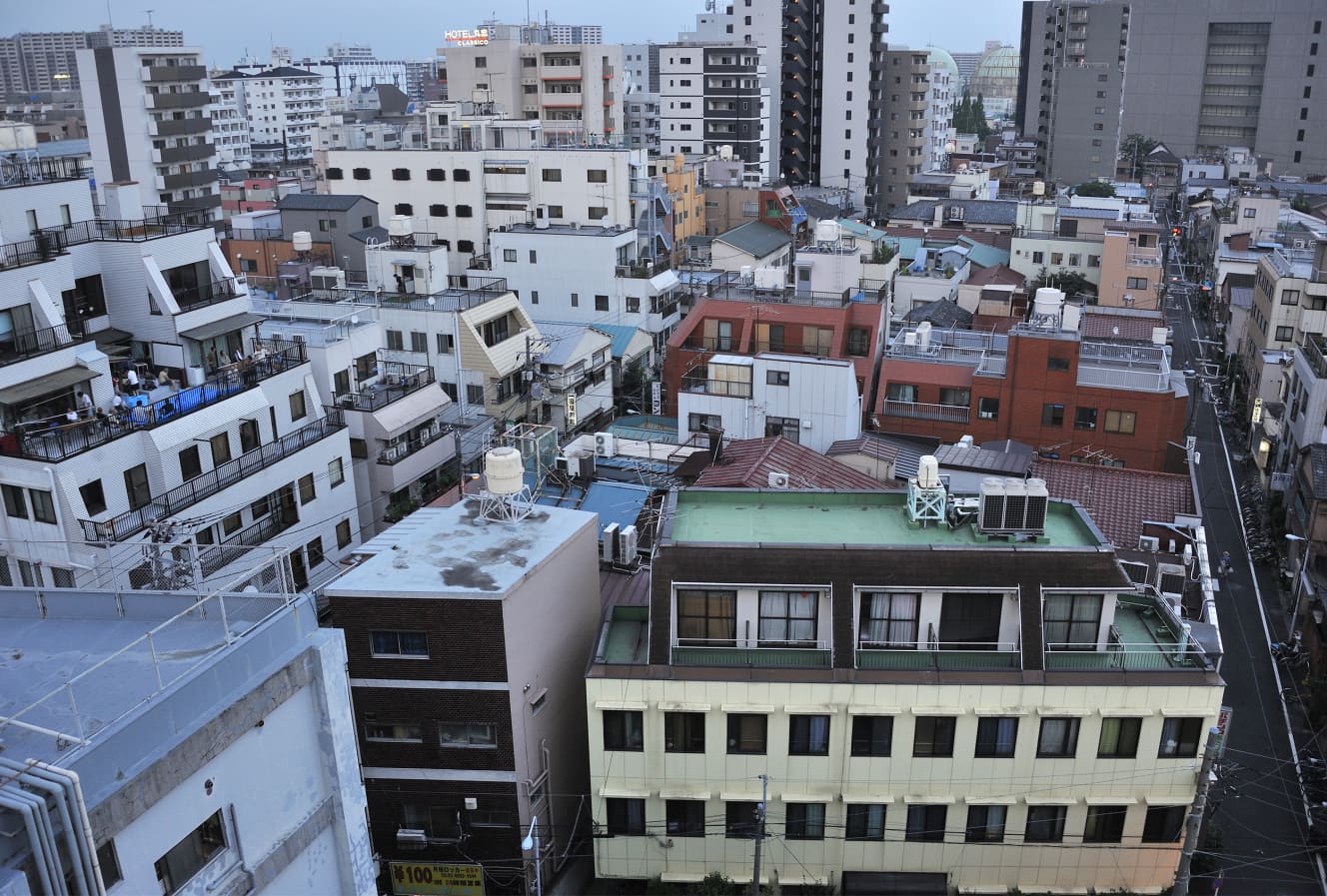
The streetscape of San’ya, which had many low-rise buildings (July 2013).
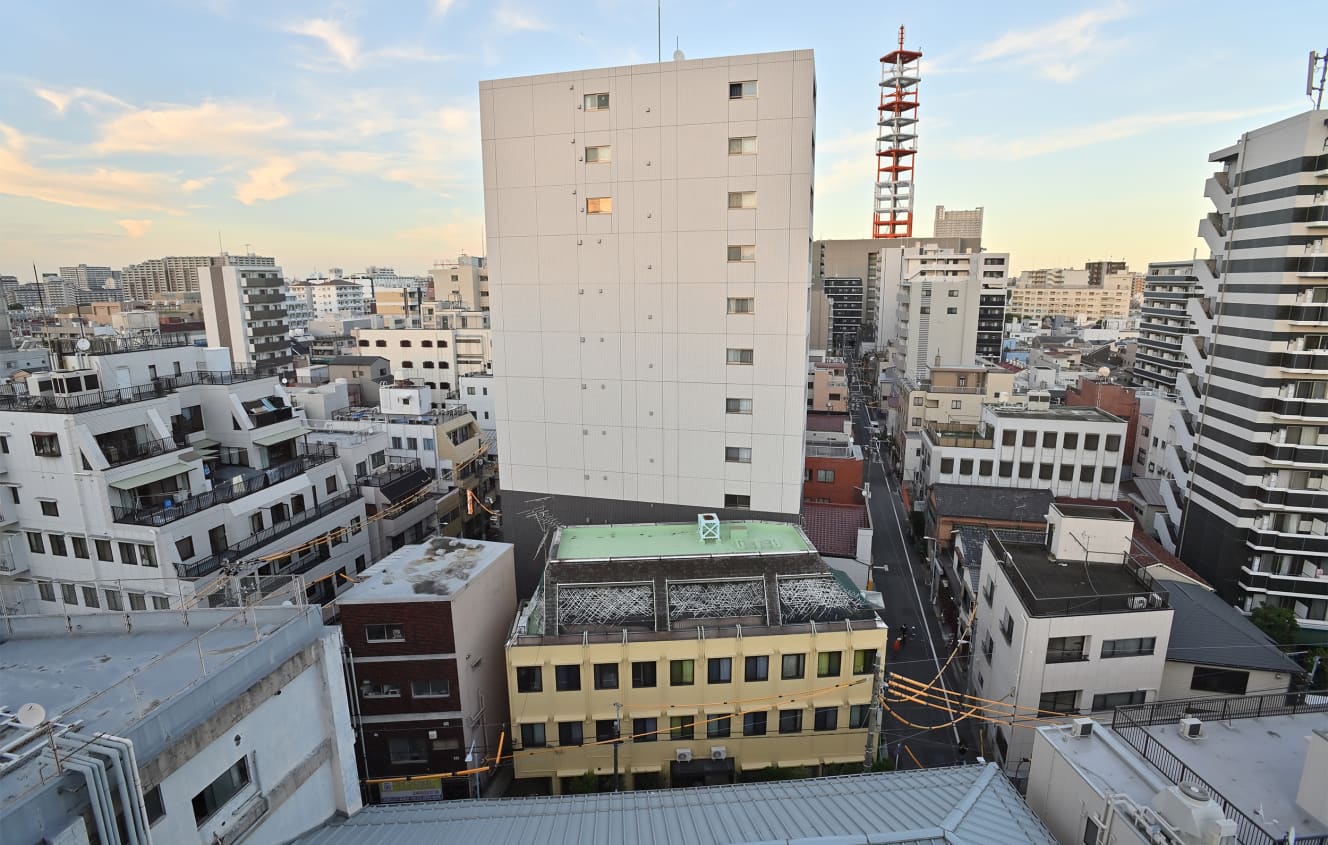
A 13-story condominium was built in the same area (July 2025).
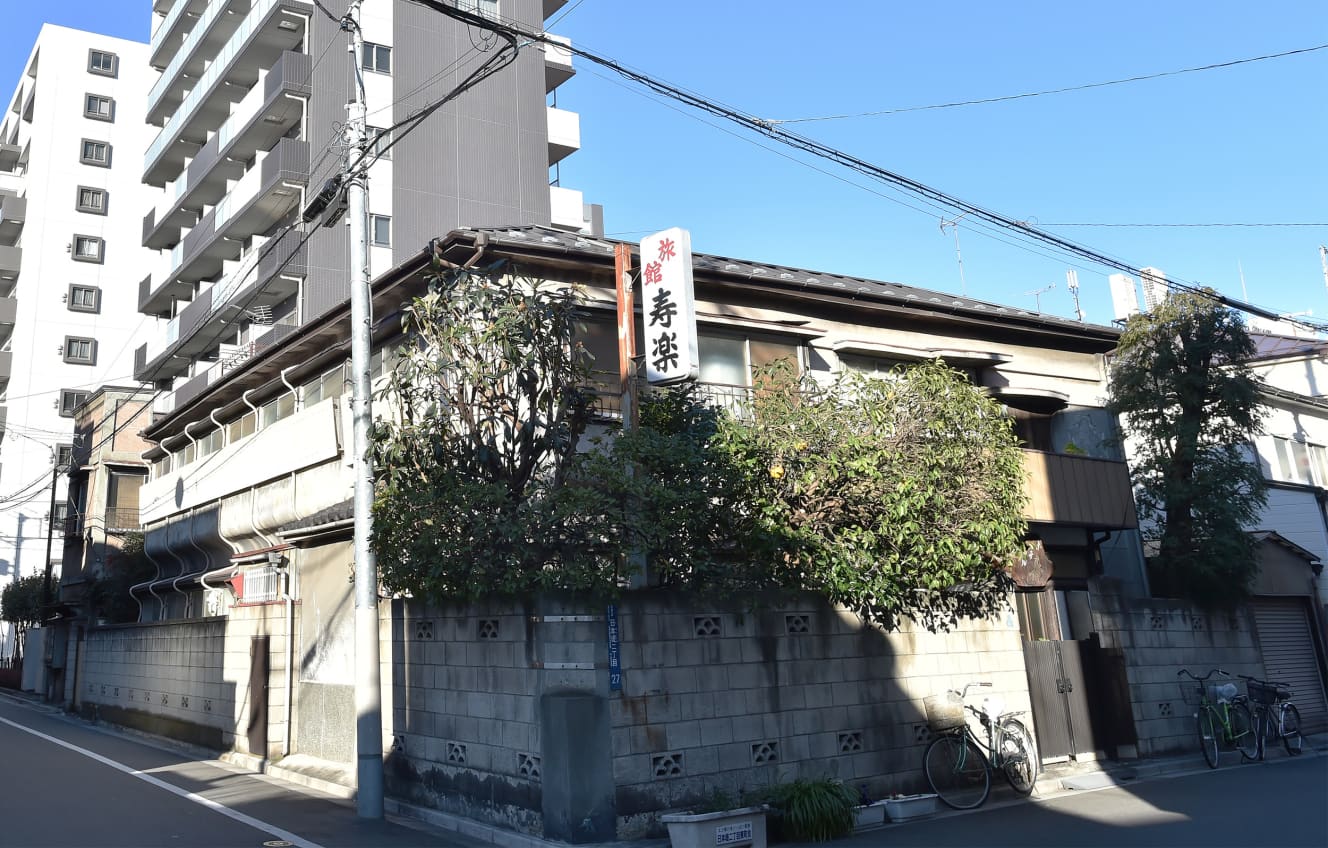
A two-story simple lodging house photographed in January 2019.
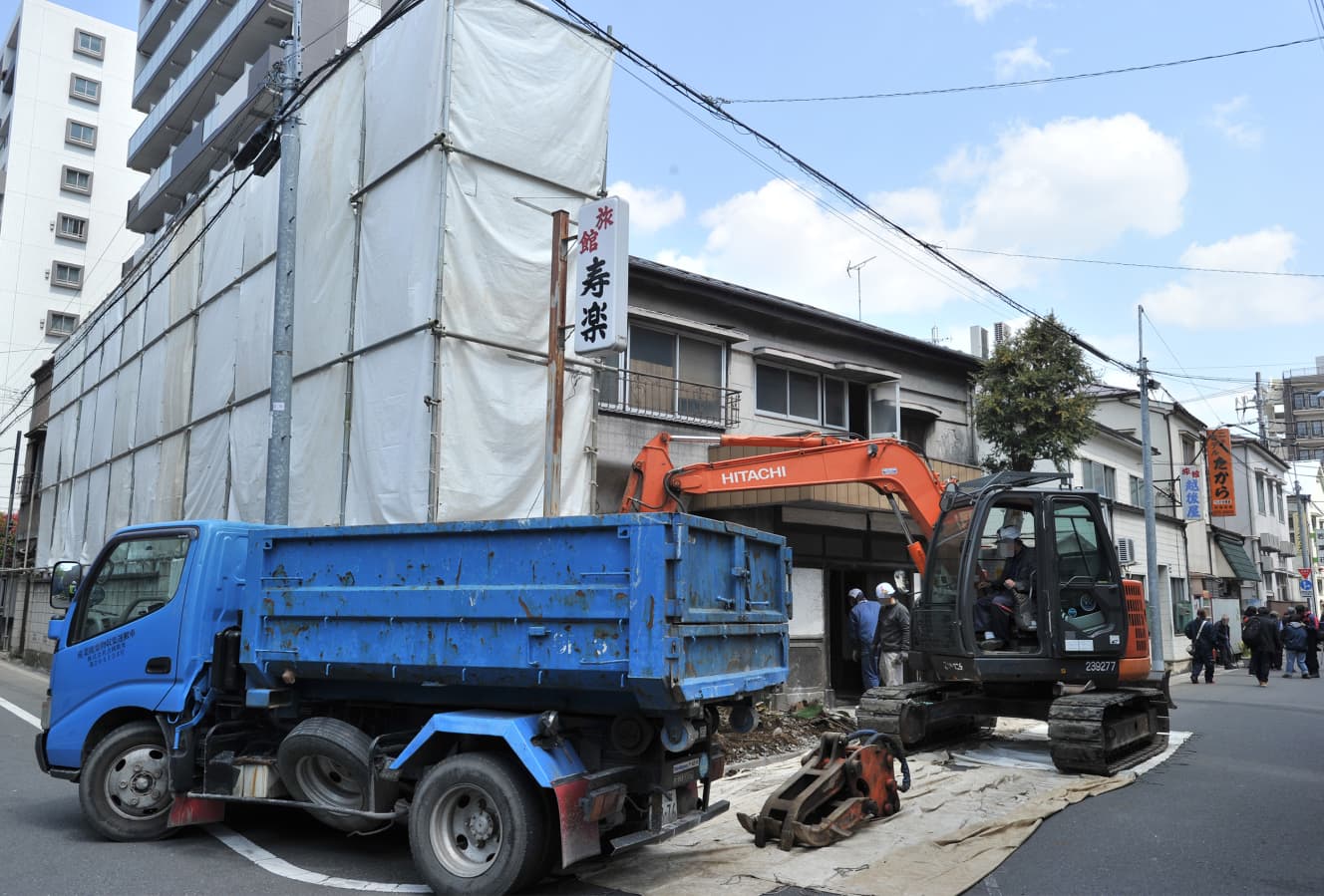
Three months later, demolition work began, and a condominium was built.
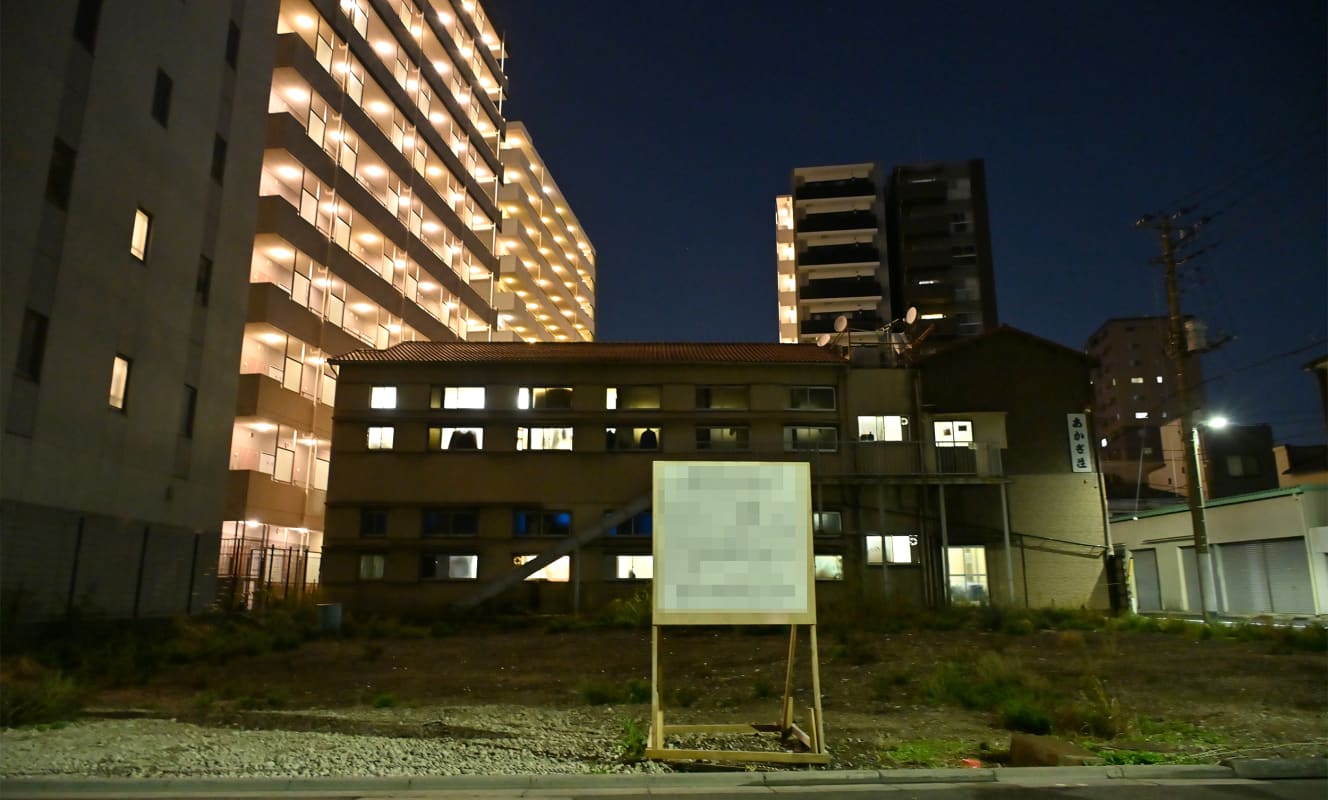
The site where three simple lodging houses once stood (December 2025).
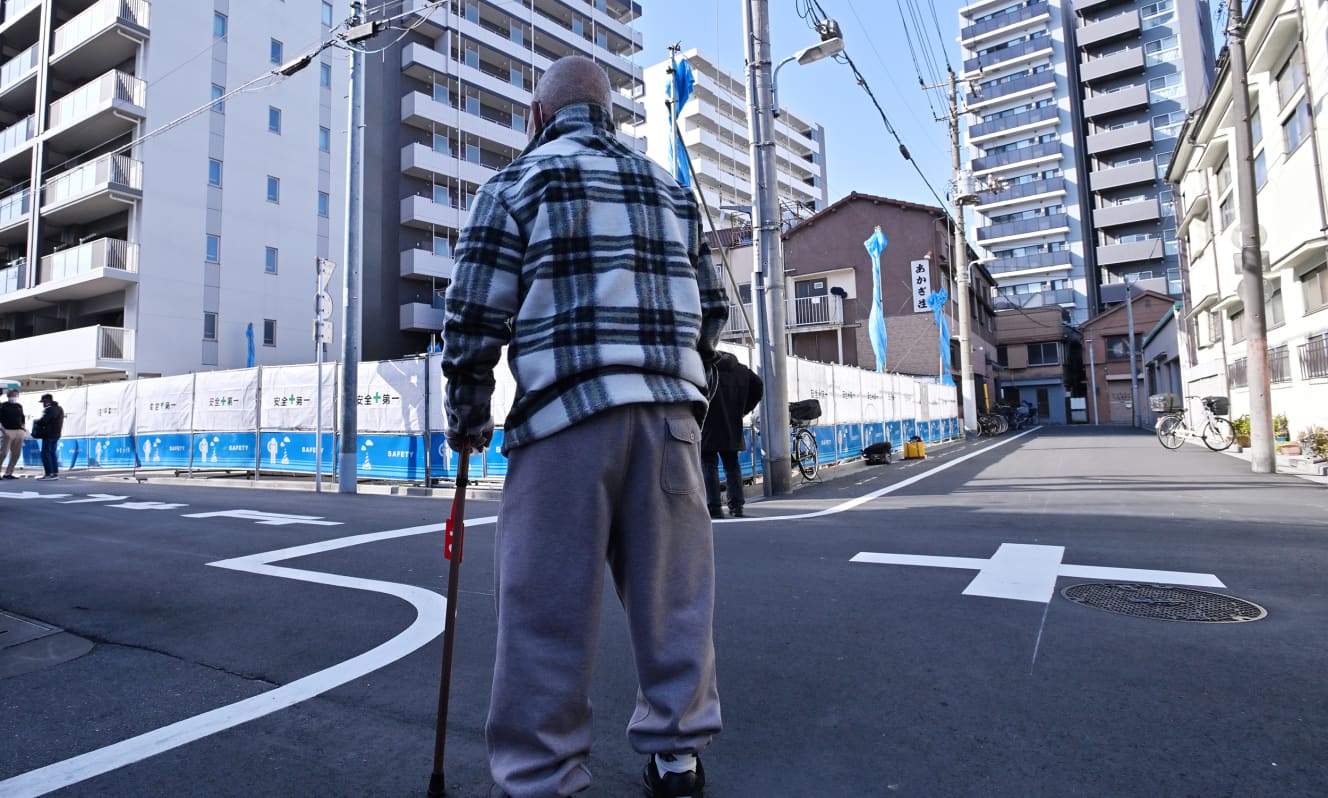
A 12-story condominium is scheduled to be completed in August 2027 (March 2026).
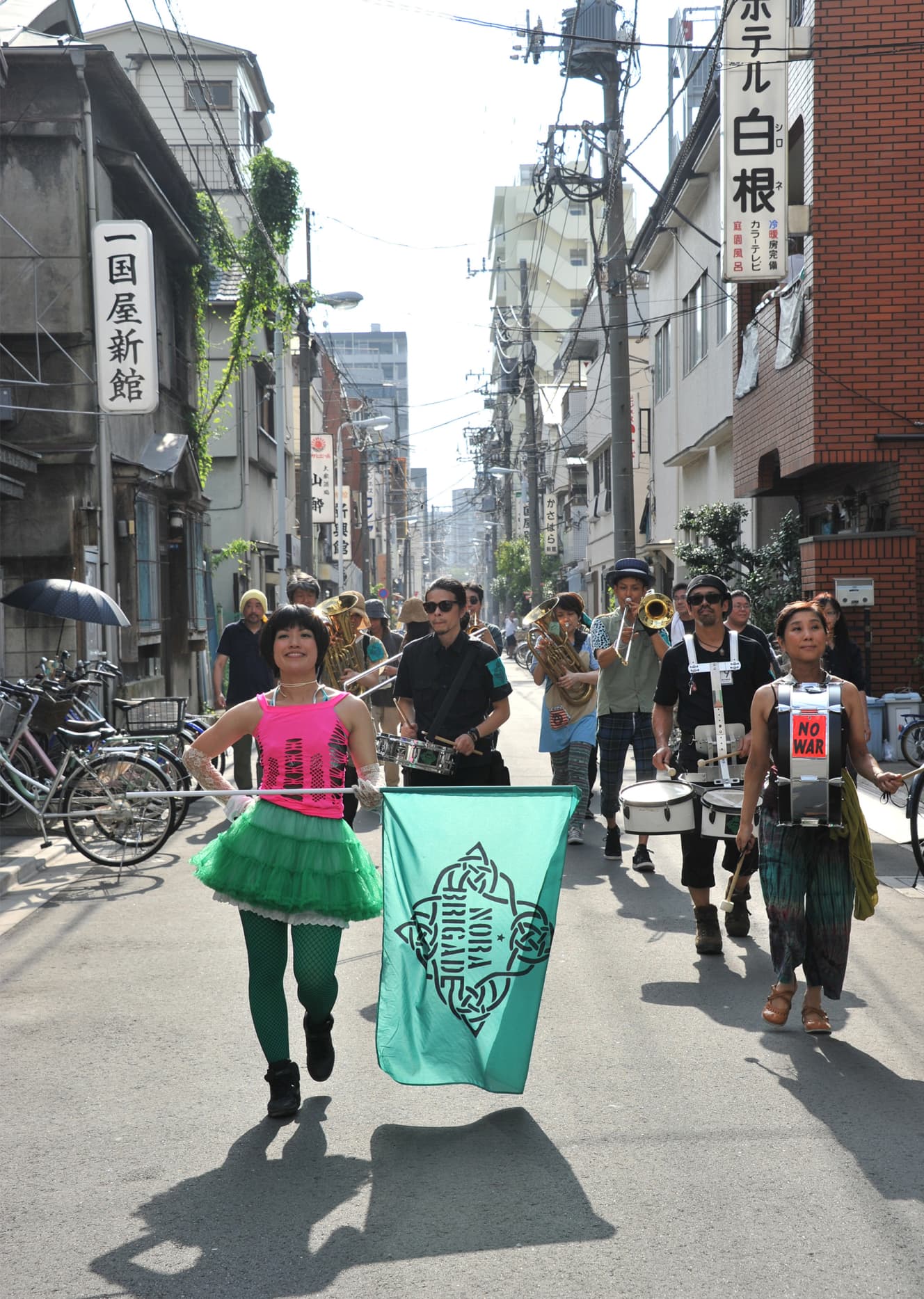
A promotional parade for the San’ya summer festival (August 2015).
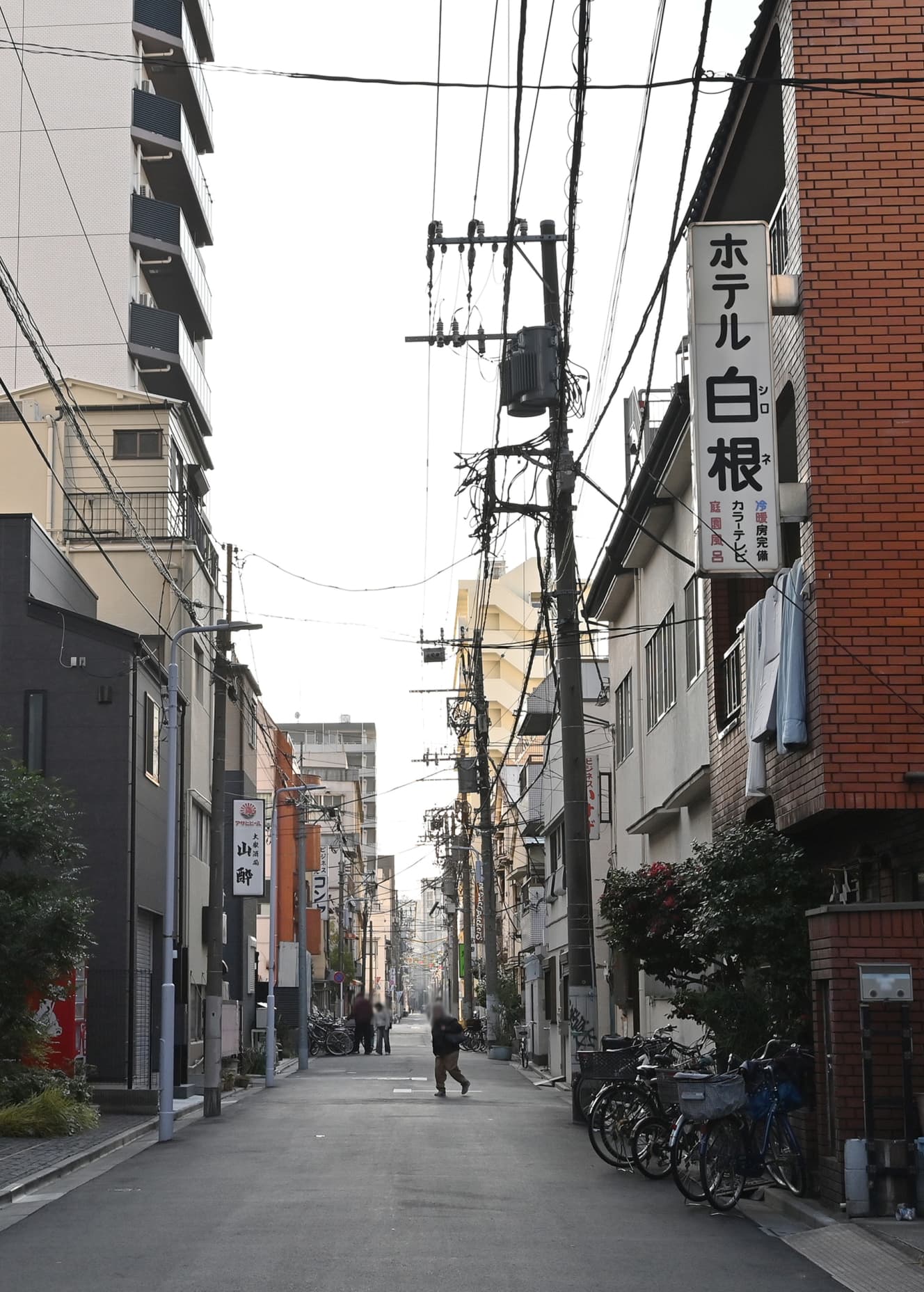
A condominium was built on the left, and the atmosphere has completely changed (February 2026).
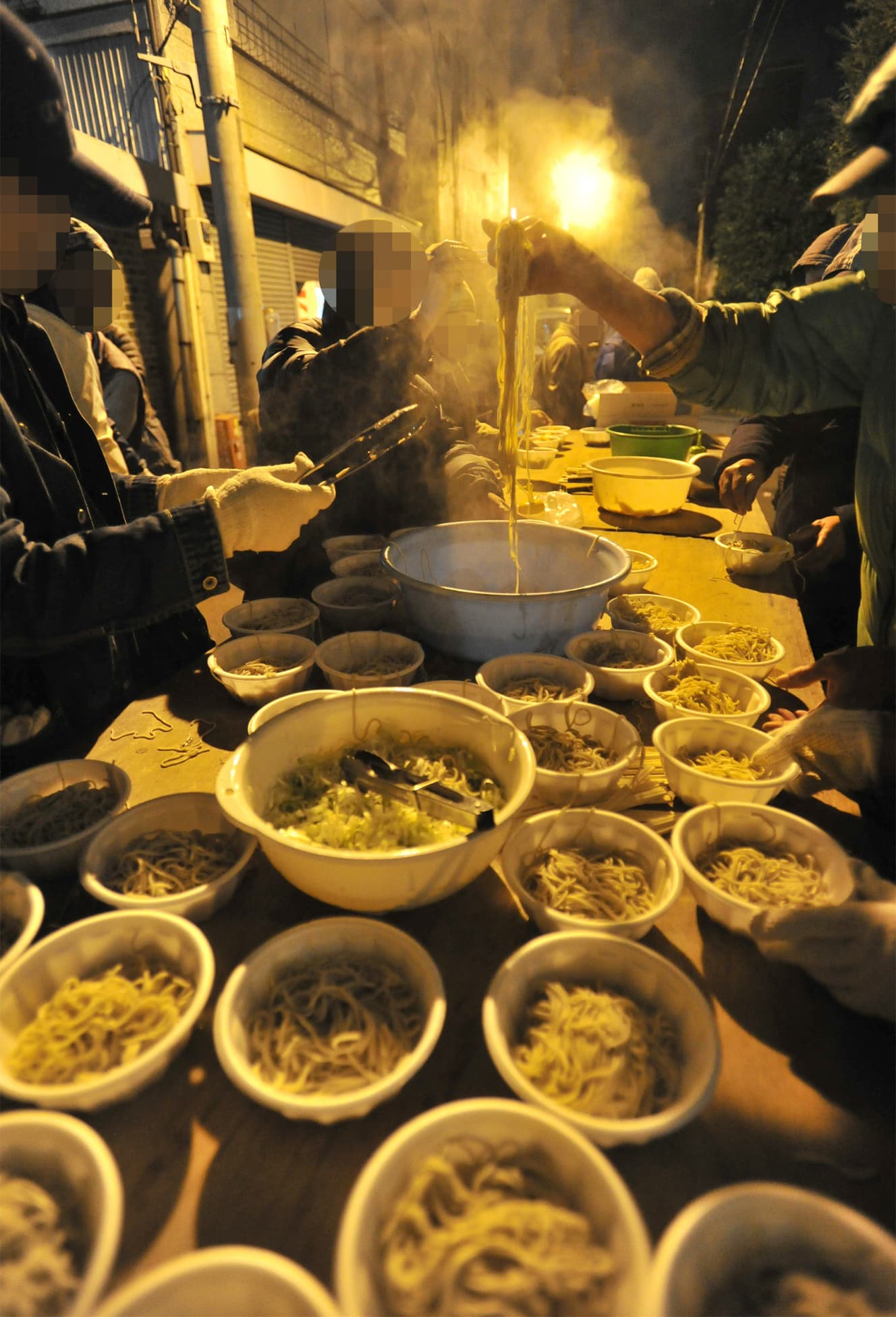
Preparing soba noodles on New Year’s Eve (2015).
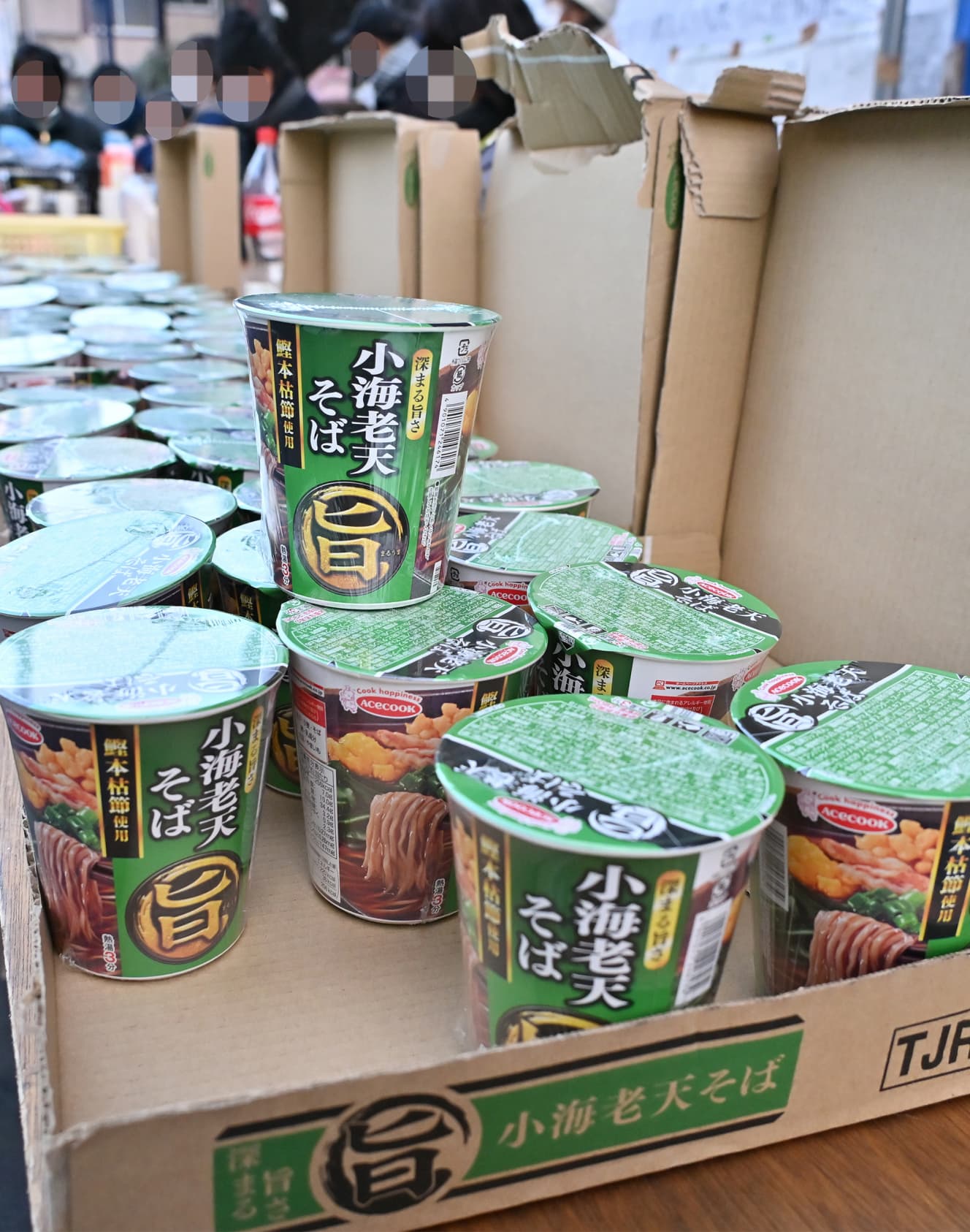
Due to a shortage of supporters, soba was replaced with cup noodles (New Year’s Eve 2025).
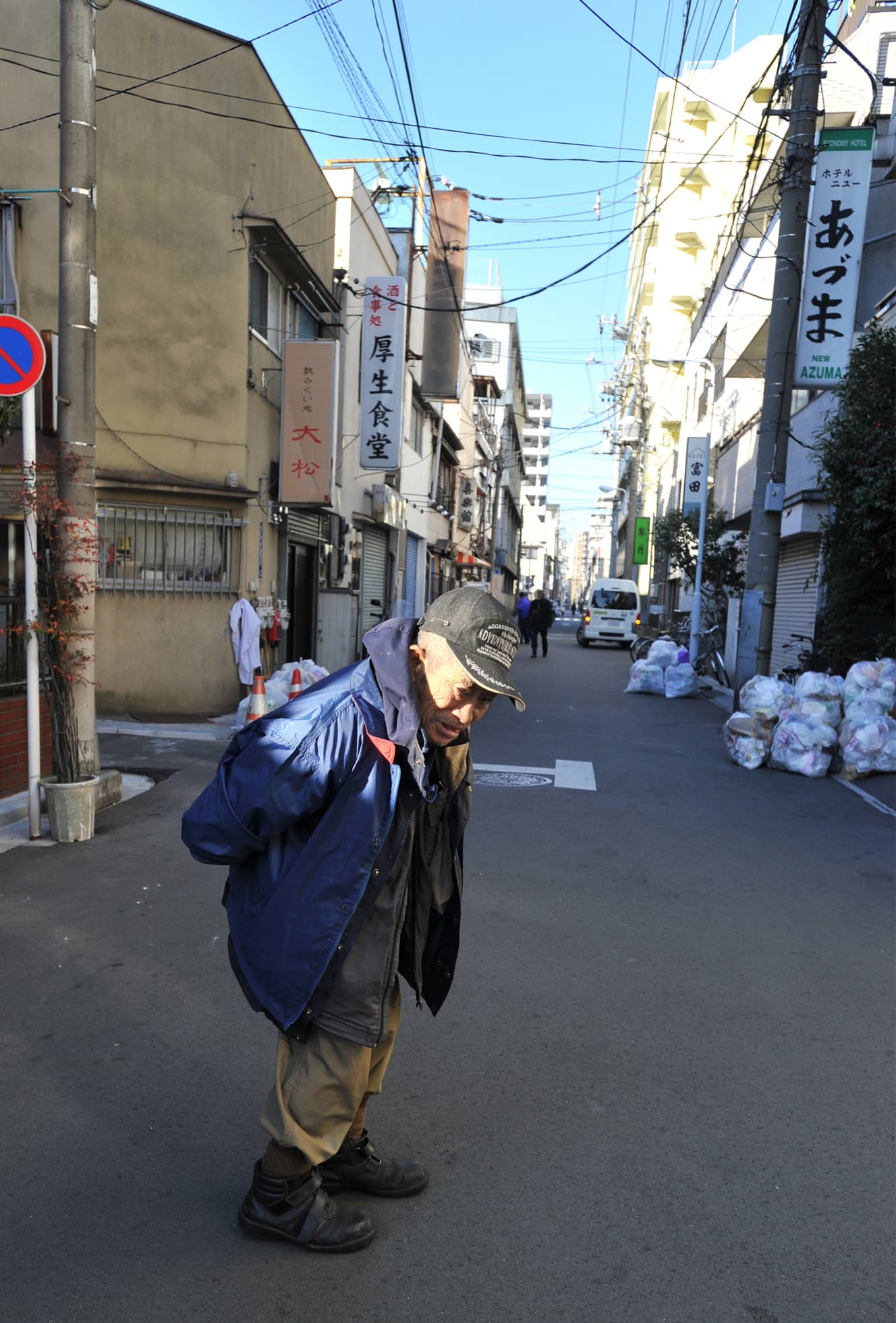
A worker who had a one-cup sake bottle hidden in his pocket (January 2015).
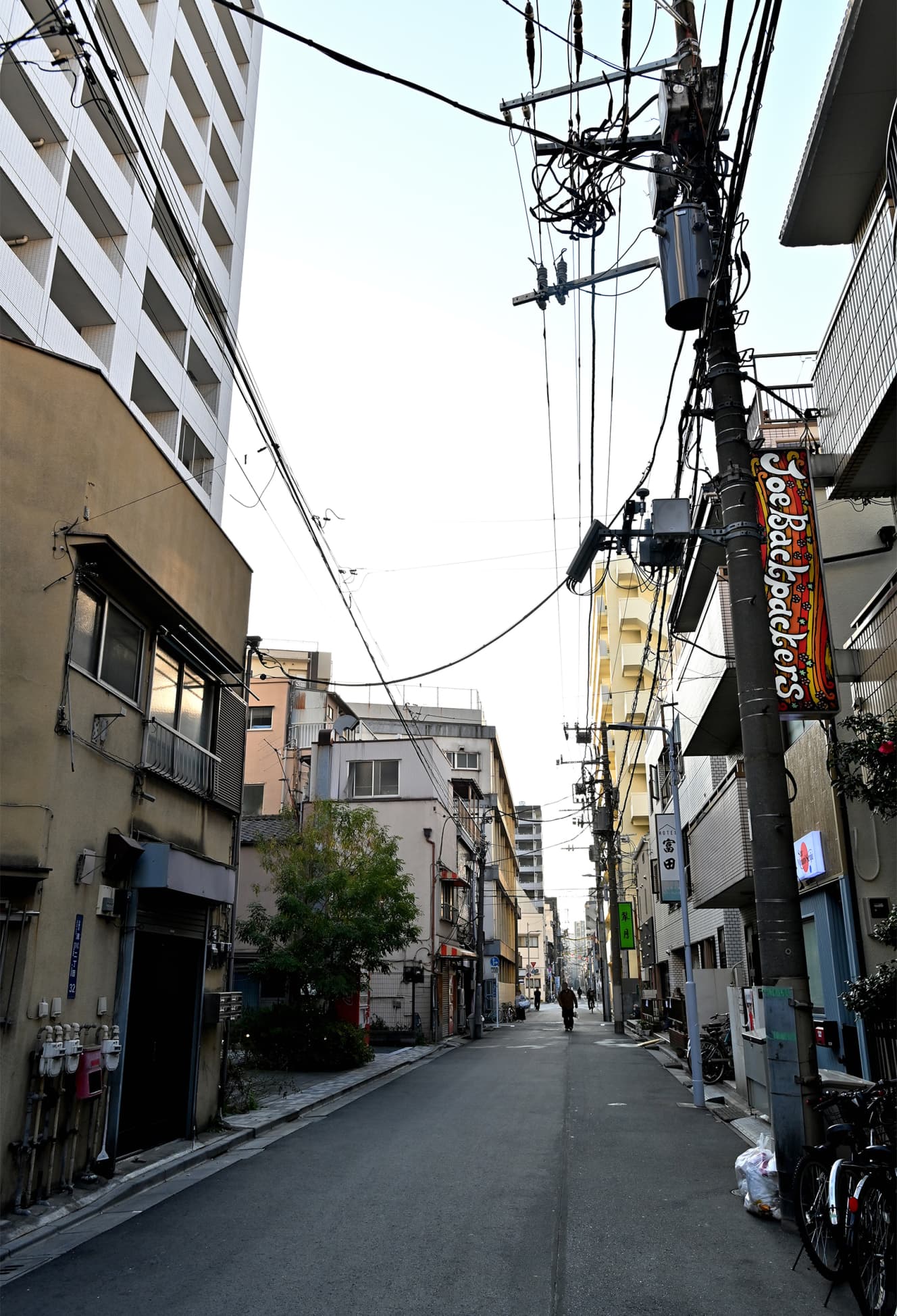
His regular lodging has also become a condominium (February 2026).
PHOTO & WRITING: Yasuko Funamoto (FRIDAY photographer)