Ren Meguro’s Busy Schedule Fuels Competition as SHOGUN and Drama Projects Line Up
No need to worry about sluggish batting, the cause was in his lower body!


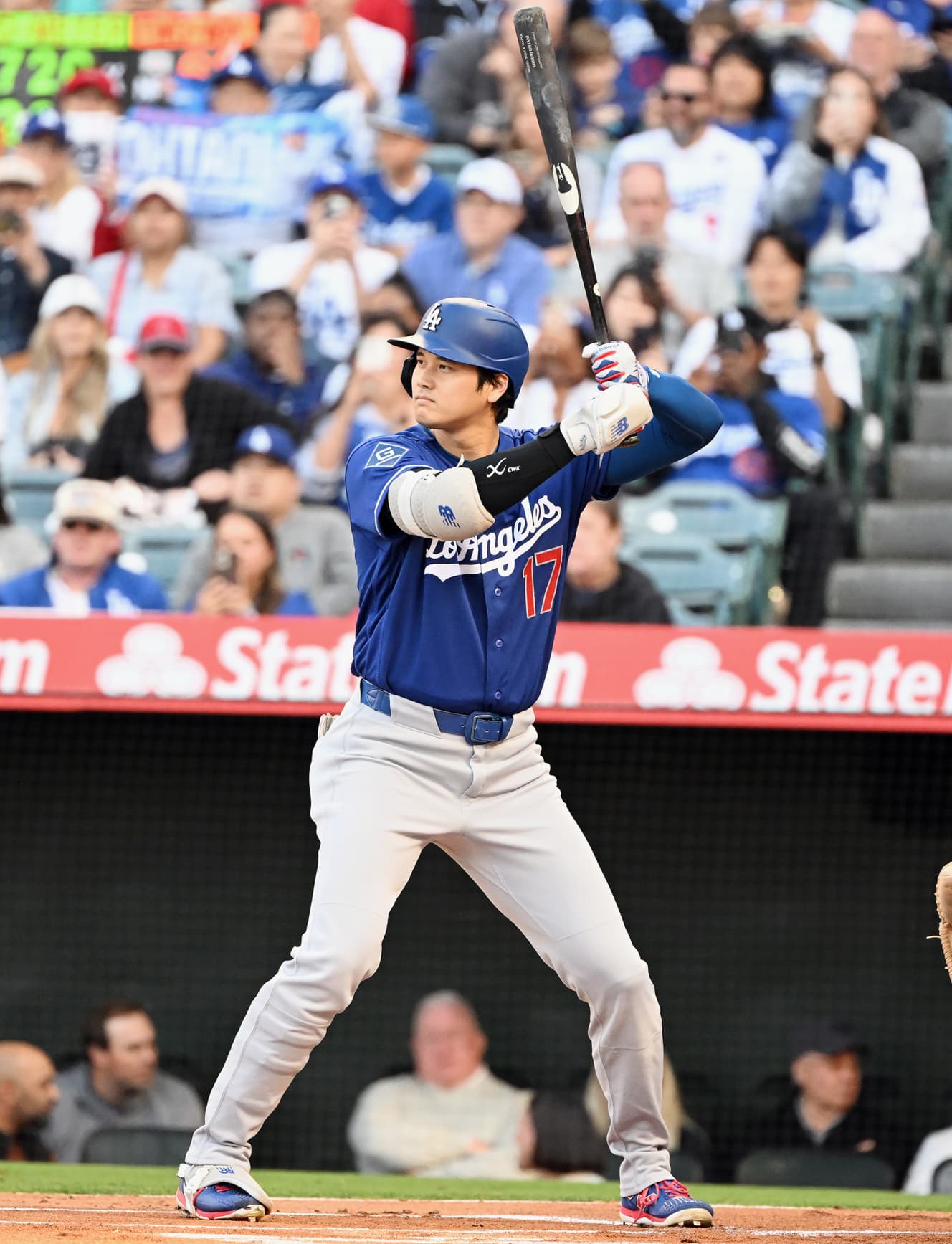
A subtle change
After 48 games in the season, he holds an OPS of .850 with 7 home runs. These are All-Star-level numbers in MLB, yet for a player of his historic caliber, they are still described as a slump (statistics as of May 19, Japan time). Shohei Ohtani (31) of the Dodgers, aiming to complete a full season as a two-way player, has continued pitching at a Cy Young Award level since opening day, but has not yet fully found his batting rhythm.
“A hallmark—his home run production—is about half of what it was at the same point in previous seasons. However, his on-base percentage is .392, among the best in the league. His WAR, which measures how much a player contributes to team wins, is 2.80 in total for pitching and hitting, the highest in the majors. Statistically, he is already performing at MVP level,” said sports writer Tomonari Nanchi.
Why, then, has Ohtani not yet entered a home run surge?
Ohtani himself attributed it simply to lack of ability, but the American baseball world offers a different view.
“Dodgers hitting coach Robert Vanscoyoc (39) has pointed out that the physical load of pitching may be causing slight disruptions in his batting form. Fatigue in his lower body after pitching appears to create a split-second delay in his swing. To compensate, Ohtani began his load earlier, which in turn made it harder for him to wait on pitches,” said the same source.
Baseball analyst Takahiro Tokuetsu adds that a minor adjustment made to reduce lower-body strain may have backfired.
“It seems he lowered his center of gravity more than usual and tried to generate power through weight transfer. At first glance, this looks like it would increase strain on the lower body, but it actually uses large muscle groups like the thighs and glutes, reducing stress on joints such as the knees and ankles, which are more affected by pitching.”
However, as Vanscoyoc pointed out, that adjustment also created timing issues. As a result, Ohtani reportedly began readjusting in mid-May by raising his center of gravity.
“He has regained a swing that uses sharpness and allows him to rotate his hips in a split-second at the last moment. During his slump, he was often getting on top of the ball and producing weak contact, but this slight correction should allow him more margin to elevate the ball,” the analyst added.
Manager Dave Roberts (53) has also been experimenting with ways to reduce Ohtani’s workload beyond swing adjustments, including not using him as a batter on pitching days and giving him rest games.
“This is the first time in three years Ohtani has been used consistently as a two-way player from opening day. The period from opening through May may simply have been an adjustment phase as he regains balance. He may be timing his peak for June, when he traditionally performs well. A breakout game—such as a multi-homer performance—could be the trigger,” said Tomonari.
The opening months of the season may have been nothing more than a tuning period for Ohtani.
From “FRIDAY” June 5 and 12, 2026
PHOTO: AFLO