Bear in a Saitama Neighborhood? What Investigators Discovered After Multiple Sighting Reports


In a residential neighborhood in Saitama!?
In recent years, bear-related incidents have become bigger news with each passing year. Since April, reports of so-called “spring bears” emerging from hibernation have been occurring across Japan. On May 7, a woman who had gone mountain vegetable picking in Hachimantai City, Iwate Prefecture, and had been reported missing was found in cardiopulmonary arrest, and it is believed that she was attacked by a bear.
At the end of April, there were also a series of bear sightings in Hanno City, Saitama Prefecture, just 50 minutes from Tokyo’s Ikebukuro Station by express train.
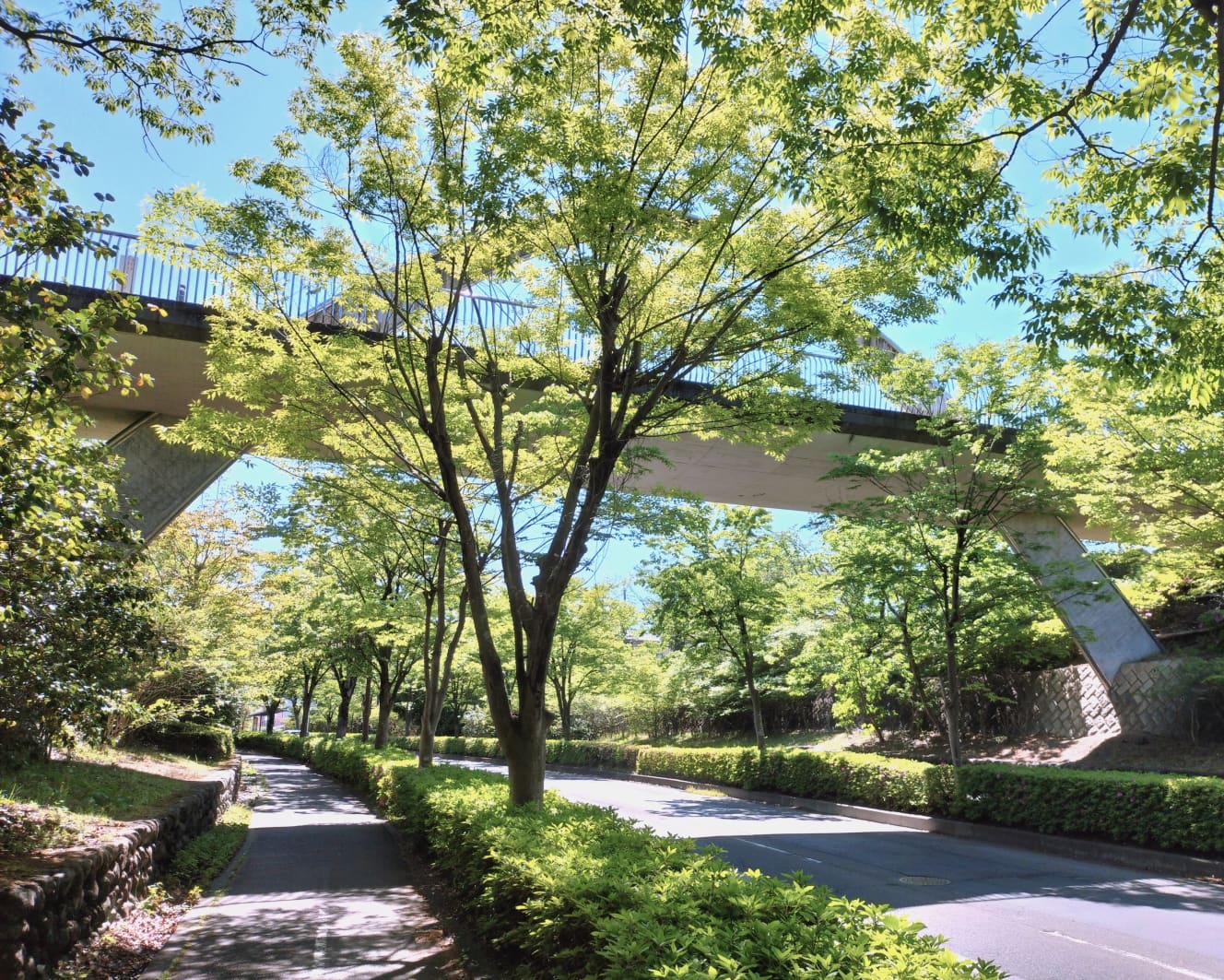
At around 12:45 a.m. on April 20, a report was received of a bear-like animal approximately one meter in length being spotted in Misugidai 2-chome in Hanno. The sighting occurred beneath a pedestrian overpass on Misugidai Street, east of Misugidai Elementary School. The witness saw the animal from inside a vehicle, and the figure was reportedly captured on a dashcam.
Then, at around 4:00 p.m. on April 30, another sighting of what appeared to be a bear-like animal was reported in Misugidai 1-chome, also in Hanno City.
On April 14, Hanno became the site of the prefecture’s first training exercise simulating emergency firearm hunting.
“Emergency firearm hunting is a system introduced in September last year. When there is an urgent need to prevent harm to residents, it allows hunting with firearms to be authorized at the discretion of a municipal mayor without waiting for the traditional order from police officers.
The prefecture expects bear appearances to increase sharply from March through June after hibernation ends and has strengthened vigilance in forests and riverbanks. This exercise was conducted as part of those efforts. About 130 participants, including prefectural officials, police officers, hunting association members, and municipal employees from across the prefecture, took part. They reviewed operational procedures and role assignments to ensure that bears could be quickly and safely eliminated while protecting residents,” said a reporter from a national newspaper’s social affairs department.
Behind this effort was a rapid increase in both bear sightings and the estimated bear population within Saitama Prefecture.
“According to a prefectural survey, the latest estimate places the bear population in the prefecture at up to approximately 690 animals—about four times higher than the estimate from five years ago,” the reporter added.
I had seen reports of bear sightings in Hanno before, but most had been in mountainous areas such as hiking trails. However, hearing that a sighting occurred east of an elementary school suggested it was squarely within a residential living area. Curious, I checked a map and found that both sightings in Misugidai did indeed appear to have occurred in residential neighborhoods.
Until now, bear sightings in residential areas on Japan’s main island have tended to be associated with the Tohoku region. But has the situation now reached the point where bears are appearing in residential neighborhoods even in Hanno, a city within commuting distance of central Tokyo? Perhaps the prefecture and city anticipated this possibility, which is why they conducted the emergency firearm hunting drill.
To find out how much local residents were living in fear of the bear threat, I visited the area during Golden Week.
I heard from locals
On May 5, the sky over Hanno City was completely clear blue. At 1:00 p.m., the temperature was around 20°C. Although the sunlight was strong, a cool breeze was blowing, so it didn’t feel particularly hot.
Walking straight for about 20 minutes from Hanno Station’s south exit along Misugidai Street, with the station behind me, I arrived at the pedestrian overpass where a bear was spotted on April 20. Residential neighborhoods spread out on both sides of the overpass. When I asked a man in his 60s who was out for a walk about the bear sightings, he responded:
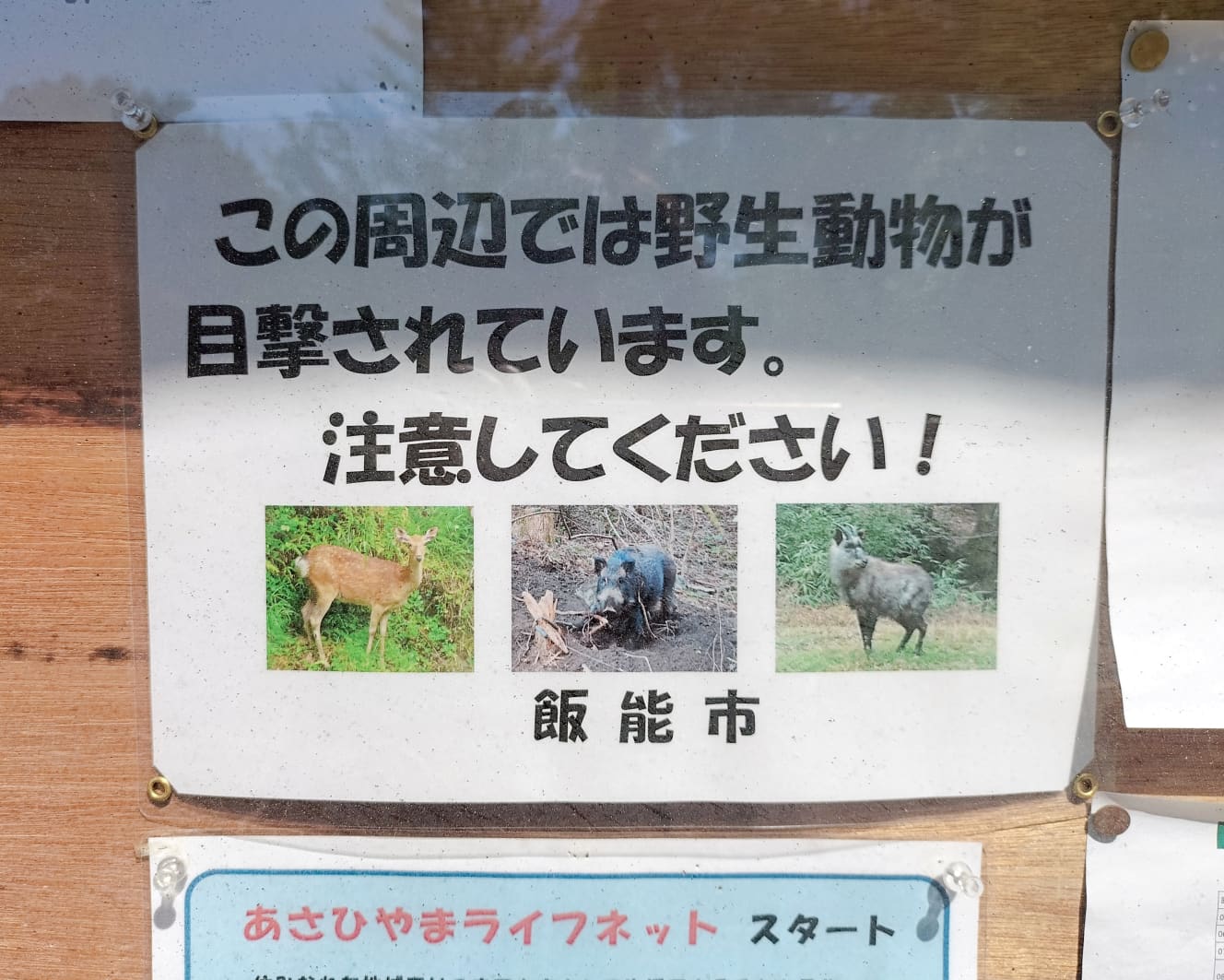
“I saw on the news that a bear was running under this overpass. Also, apparently there was another sighting recently in a park in 1-chome, and there were signs posted saying ‘Please be careful.’ So until just recently, I was pretty scared and carried a bear bell when I went for walks.”
However, it seems he is not currently on high alert.
“I don’t carry it during the daytime anymore. But some people still carry bear bells when they walk early in the morning or in the evening when it’s dark.”
A man washing his car in front of a detached house near the overpass also said he had seen reports of bear sightings:
“I saw the news that a bear was running under that overpass in the middle of the night. I was surprised—does it really come down this far? But honestly, I assume it won’t appear during the daytime, so I’ve been taking it pretty calmly.”
The area from Misugidai Elementary School to Misugidai 1-chome is a quiet residential district with some vacant lots and small parks scattered throughout, but mostly made up of densely packed detached houses. Occasionally, you can hear children laughing, and otherwise it is a peaceful neighborhood. The mountains are certainly close. Could bears really be coming down here at night?
Still, the mountains are dangerous
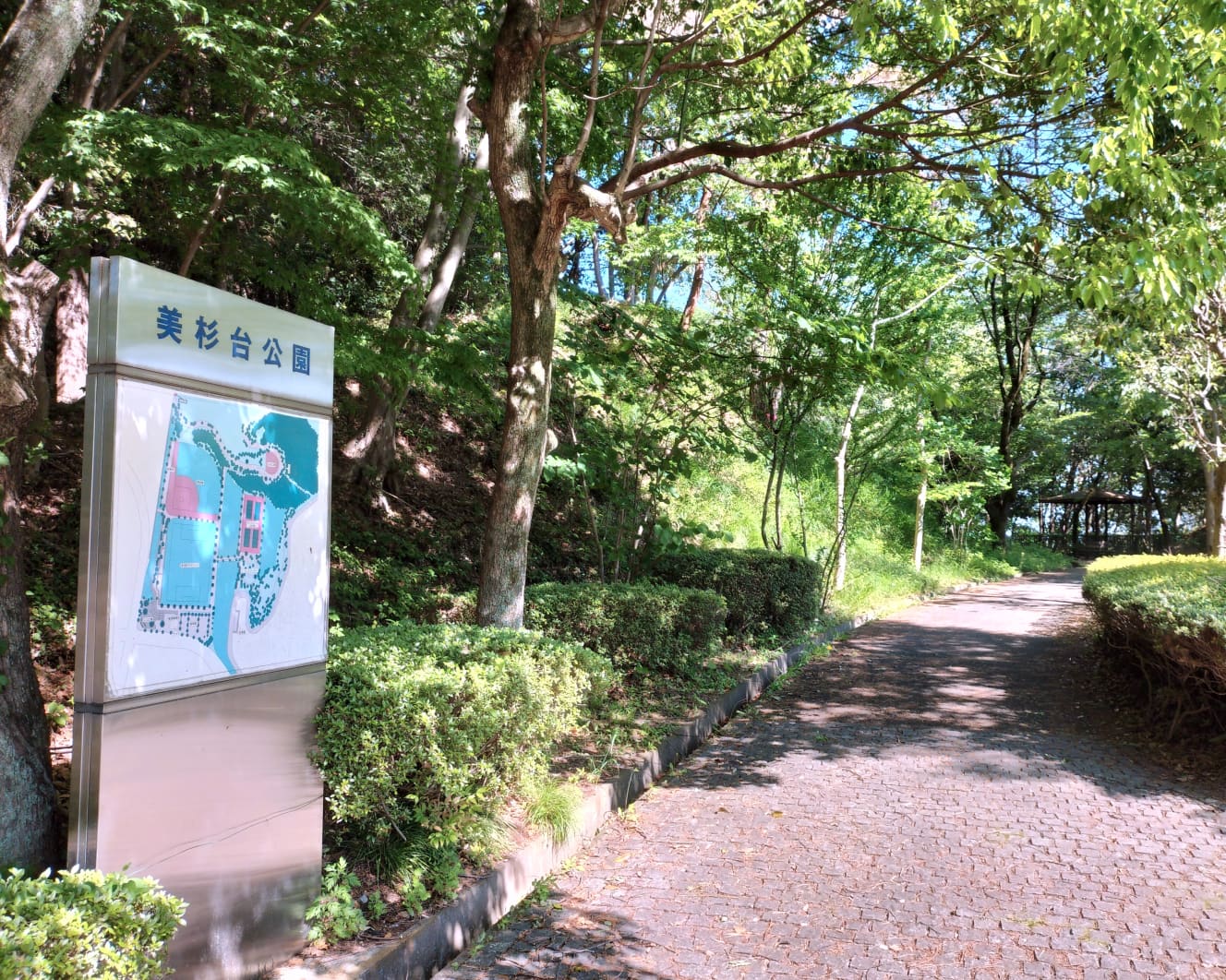
In Misugidai 1-chome, where the second sighting was reported, there is a large park called Misugidai Park. Because it was Golden Week, a soccer team was practicing, and families were out walking, with people of all ages enjoying their holidays. There was no sense of tension at all, as if a bear sighting had been reported.
Behind Misugidai Park, the trees are dense and form something like a small forest. While speaking with a man in his 50s who happened to be walking nearby, I asked him about the news that a bear had been seen in this area. He replied with a wry smile, saying:
“Yeah, I saw that. But this area has wild boars, badgers, all sorts of animals. But there are definitely no bears. It must have been a mistake with a serow. Serows are fairly large and black. When I first saw one, I also thought it was a bear and felt a moment of fear.
When you see a crouching serow from behind, it really does look like a bear. Even the first time I mistook one, I realized it was actually a serow when I looked closely. Since I see them quite often, there was a time I used to take photos of them.”
So were the series of bear sightings at the end of April actually serows?
The Agriculture and Forestry Division of the Environment and Economic Department at Hanno City Hall explained as follows:
“Whenever there is a report of a bear sighting, we always confirm it on site. First, regarding the one reported late at night on the 20th, we found no tracks or droppings. We also checked dashcam footage, and the animal was hopping around. According to experts such as the hunting association, this is not the way a bear walks.
As for the sighting on the 30th, the exact location was within a residential area. We also went to the site, but again found no signs of a bear. Only one elementary school student saw it, and we judged that it was likely a serow mistaken for a bear. It was still daylight around 4 p.m., and there were people walking around, so it was a fairly visible area.
It is well known among locals that serows inhabit that area, and some individuals have brown fur. When seen from behind, they can easily be mistaken for bears. When bear news is reported every day, people may assume that any large animal they see is a bear.”
It seems the bear sightings were indeed misidentifications of serows. However, the official added a warning:
“Misugidai is close to the mountains, so there is still a strong possibility that bears may appear in the future. Because people are so used to seeing serows, we ask that they remain careful so they do not dismiss a real bear as just another serow. Of course, if there is any situation that could endanger residents, we will notify the public via disaster prevention broadcasts.
However, once you enter the mountains, there is a real risk of encountering bears. If you go hiking, please take proper precautions such as bear bells in advance.”
The series of bear sightings in residential areas of Hanno City appear to have been mistaken identifications. Residents likely felt relieved. Taking the opportunity, I tried searching until evening to catch a glimpse of the nationally designated special natural monument, the Japanese serow, but in the end, I never saw one.


Interview, text, and photos: Nakahira