Once Bound for the Trash, Now a Culinary Sensation: How a Young Entrepreneur Turned Problem Fish into a Seafood Hit


〈For many years now, people have been lamenting the decline in fish consumption, but a new dish making waves in Osaka’s Shinsaibashi district is attracting attention: “seafood rare katsu.” Crispy on the outside and rare like sashimi on the inside, it offers a completely new dining experience. The restaurant also actively uses underutilized fish, such as undersized mackerel known as “candle mackerel.” What is the next-generation “sustainable × gourmet” strategy that has turned these troublesome fish of the sea into signature menu items? Gourmet journalist Shigeru Nekota, based in Osaka, reports.〉
Everyone, are you eating fish? I’m from Hokkaido, so I love salmon, hokke, and herring, but it seems that young people today are increasingly turning away from fish. According to statistics from the Ministry of Agriculture, Forestry and Fisheries, annual seafood consumption per person fell from about 40 kg in 2001 to about 23 kg in 2022—almost a 50% decrease over the past 20 years. The cycle becomes: people don’t eat fish = fewer fish are caught = fewer fishermen remain = even fewer fish are caught. This creates a vicious cycle that leads to the decline of fish as a part of food culture and a loss of vitality in regional economies.
Against this backdrop, a restaurant specializing in “seafood rare katsu” has opened in Shinsaibashi, Osaka, a mecca for inbound tourism. There is not a single meat dish on the menu. Instead, it is a bold establishment fully committed to seafood, offering items such as “tuna katsu,” “salmon katsu,” and “splendid alfonsino katsu.” And these are not just ordinary seafood cutlets—they are “rare katsu.” What exactly does that mean?
Underutilized fish transformed into exquisite cutlets
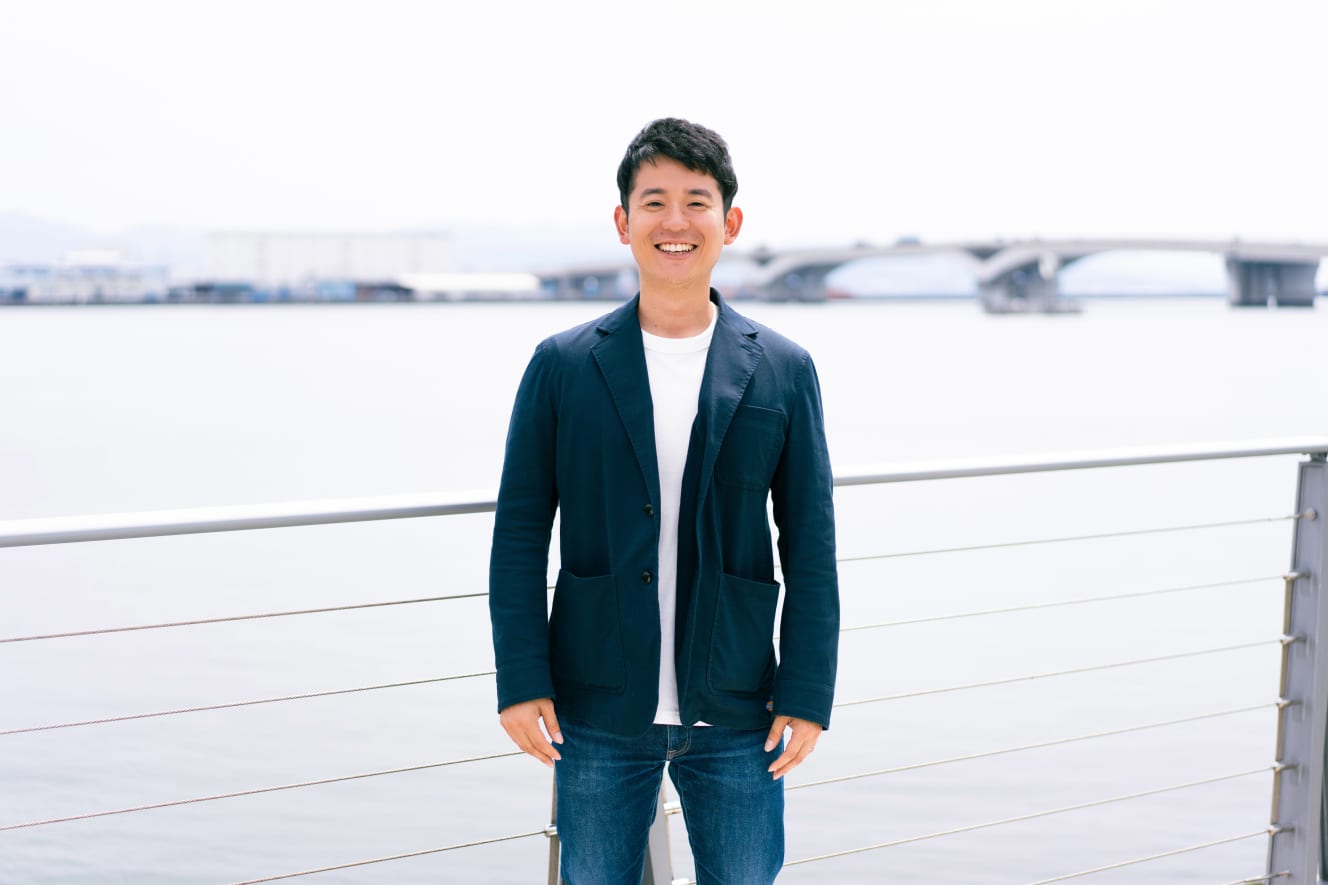
The business is operated by Benners, a fisheries startup headquartered in Fukuoka. Rather than being just a seafood wholesaler, the company is distinguished by having its own seafood-processing capabilities in-house, allowing it to handle everything from procurement and processing to sales.
Representative Takeshi Iguchi spent his high school and university years in the United States. However, with both his father and grandparents working in the fishing industry, he became aware of a troubling reality in seafood distribution: there were many fish that tasted great but simply could not be sold.
“Fish are discarded without fetching a price for reasons such as inconsistent sizing or poor fat content. I wondered whether it would be possible to create value for these fish—the so-called ‘troublemakers of the market,’” said Iguchi.
Drawing on his university studies in entrepreneurship (yes, apparently that’s a field of study!), Iguchi founded the seafood processing and wholesale company Benners in 2018.
He first launched “Fishlle!”, a home-delivery service for prepared seafood dishes, in 2021. Then, in 2024, he opened “Genkai Don”, a seafood rice bowl specialty restaurant in Kyoto. Through the simple idea of creating more opportunities for people to eat fish, he aimed to expand seafood consumption.

Even better than raw!? medium-fatty tuna rare katsu
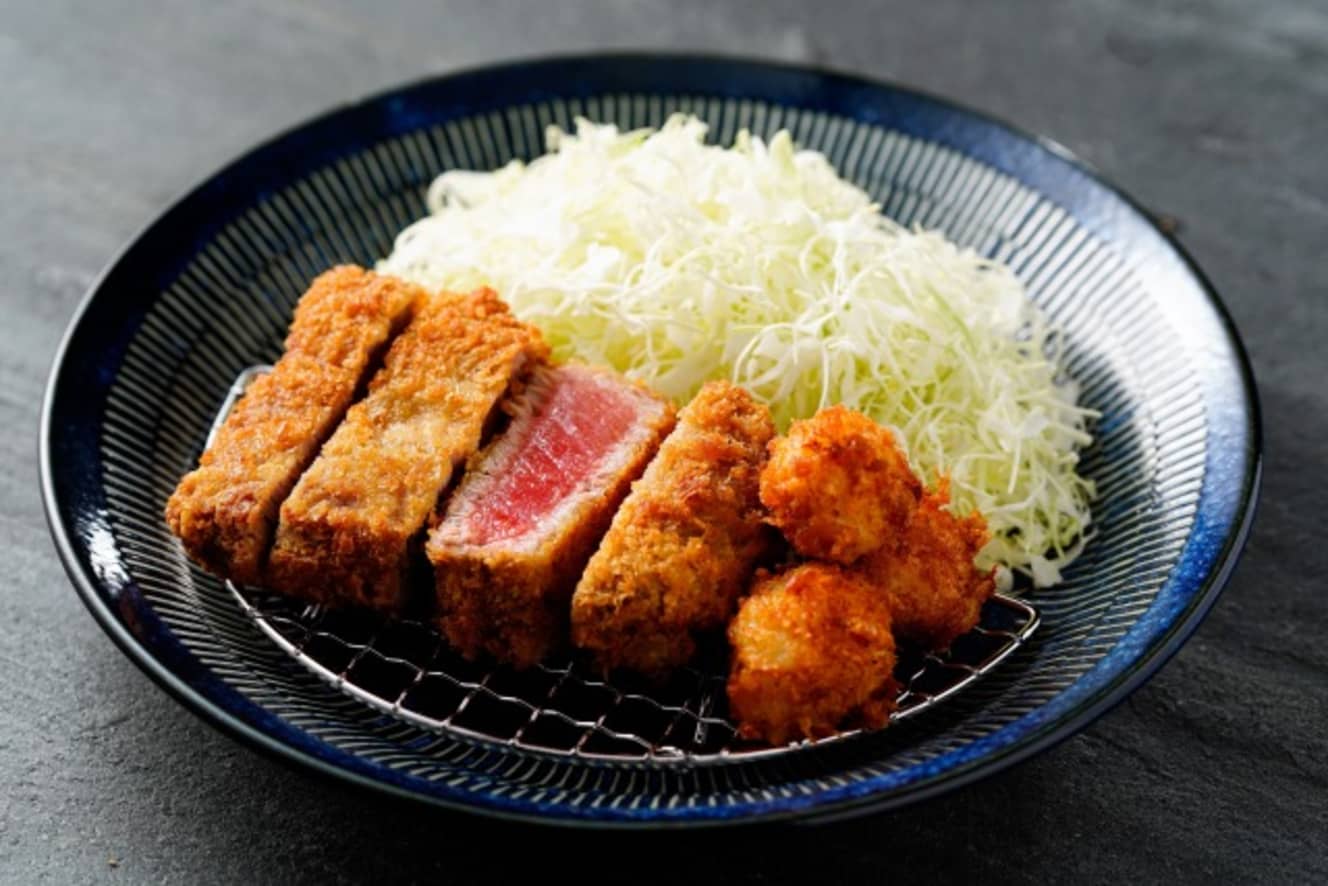
Seafood rice bowls are certainly a killer attraction, but some overseas visitors do not eat raw fish. Since Japanese tonkatsu has been rapidly growing in popularity among inbound tourists, the idea emerged: “Why not make katsu using fish instead of meat?” The result was “seafood rare katsu.” The existing “Genkai Don” Shinsaibashi location was completely revamped with rare katsu as its main focus and reopened in March 2026.
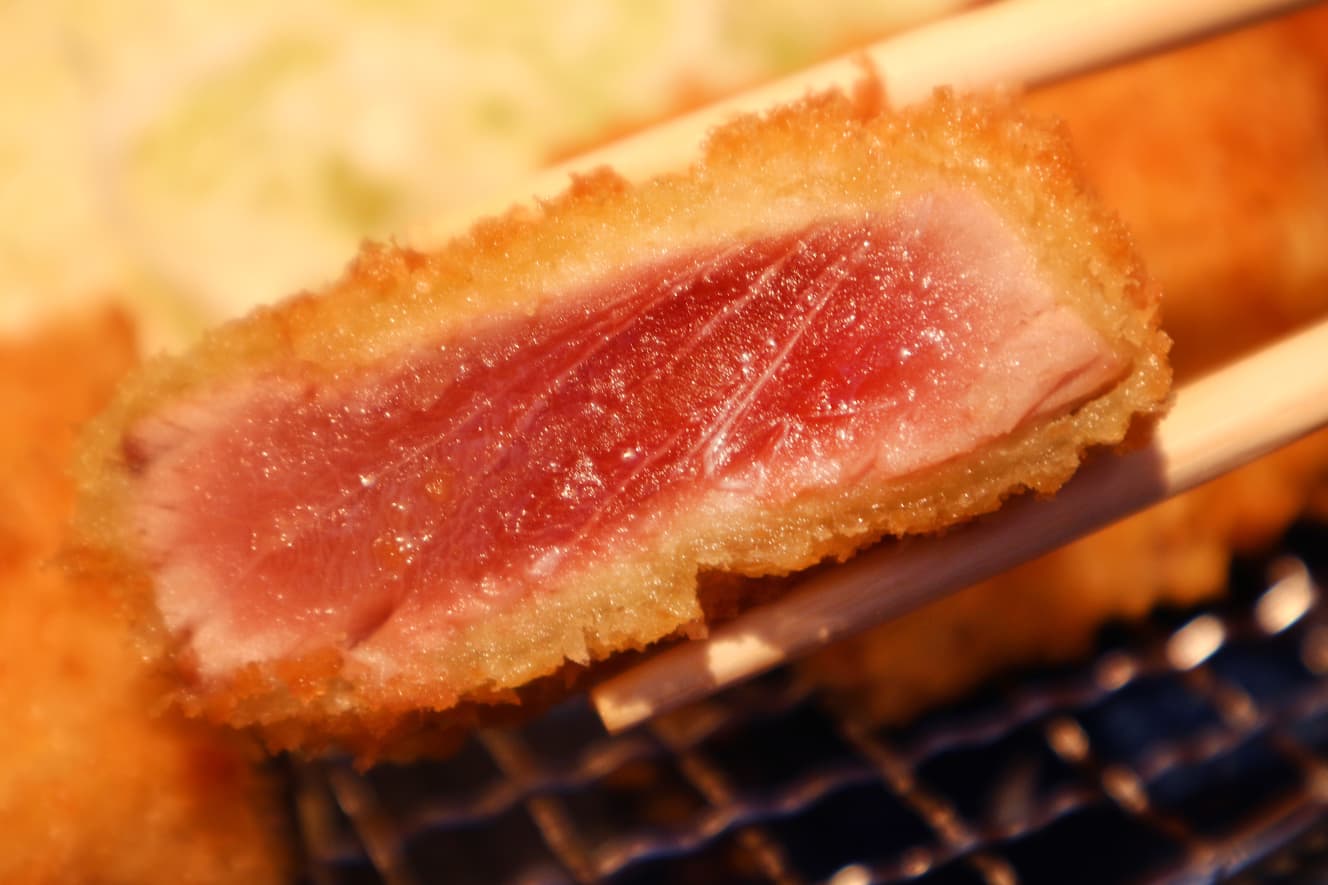
The signature menu item, “medium-fatty tuna rare katsu”, uses chutoro fresh enough to be served as sashimi. To be honest, my first thought was, “Why not just eat it raw?” But after trying it, I discovered an entirely new texture. The fish is fried in a highly technical way so that it never becomes fully cooked. How exactly do they do it?
According to manager Kondo, “We calculated how much the fish would continue to cook from residual heat and adjusted the frying time in five-second increments.” The restaurant also strictly follows a rule of not touching the fish until an order is placed. Once an order comes in, the fish is coated with egg wash and breadcrumbs and then fried immediately while still at peak freshness.
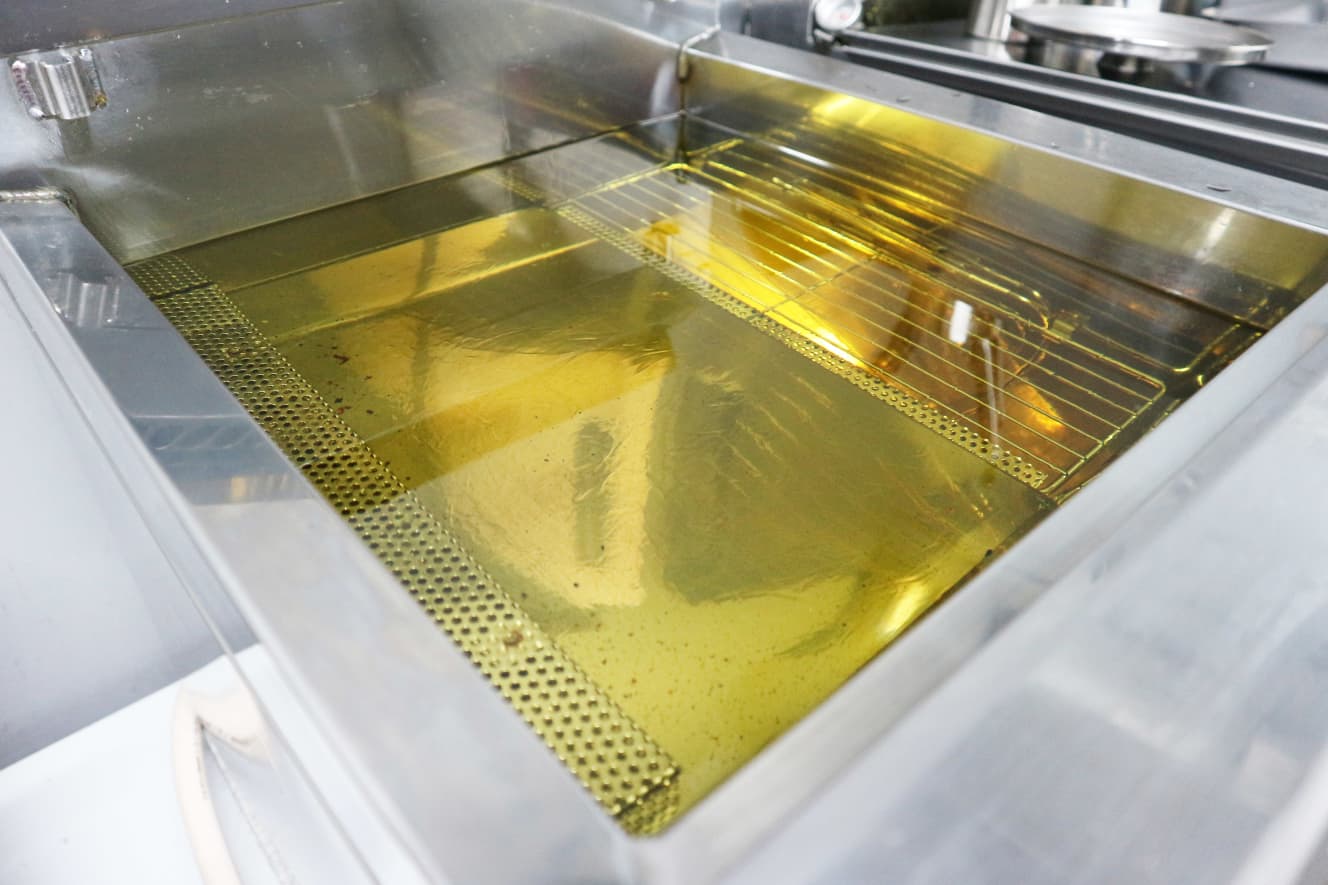
What surprised me was how pristine the oil looked. “Every morning, we measure the oxidation level of the oil with an oxidation checker, and if it falls below our standards, we replace all of the oil.” The oil itself is also carefully selected, using a 1:1 blend of refined white oil and palm oil to create a light, crisp finish without a heavy aftertaste.
Overflowing with salmon roe! salmon katsu
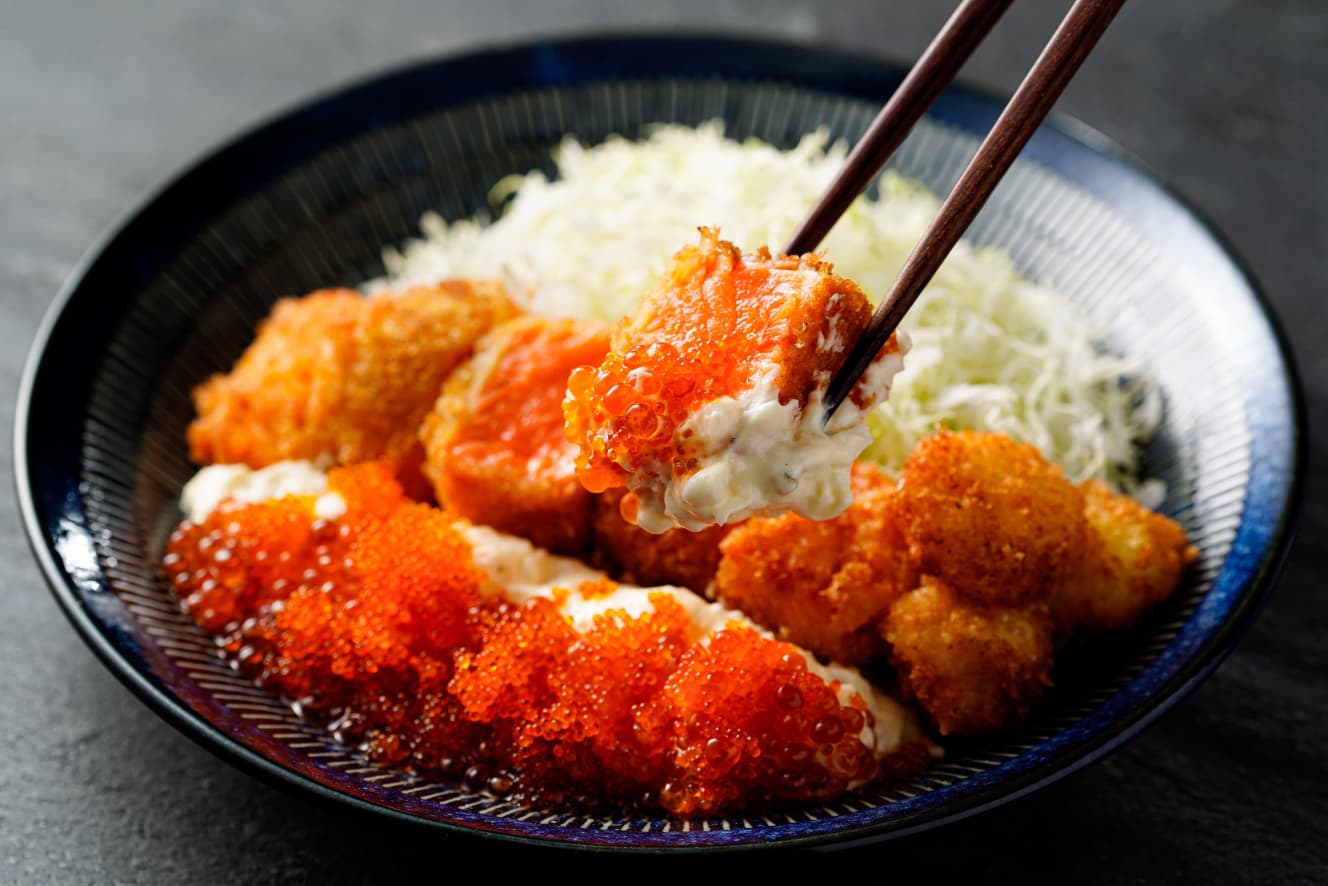
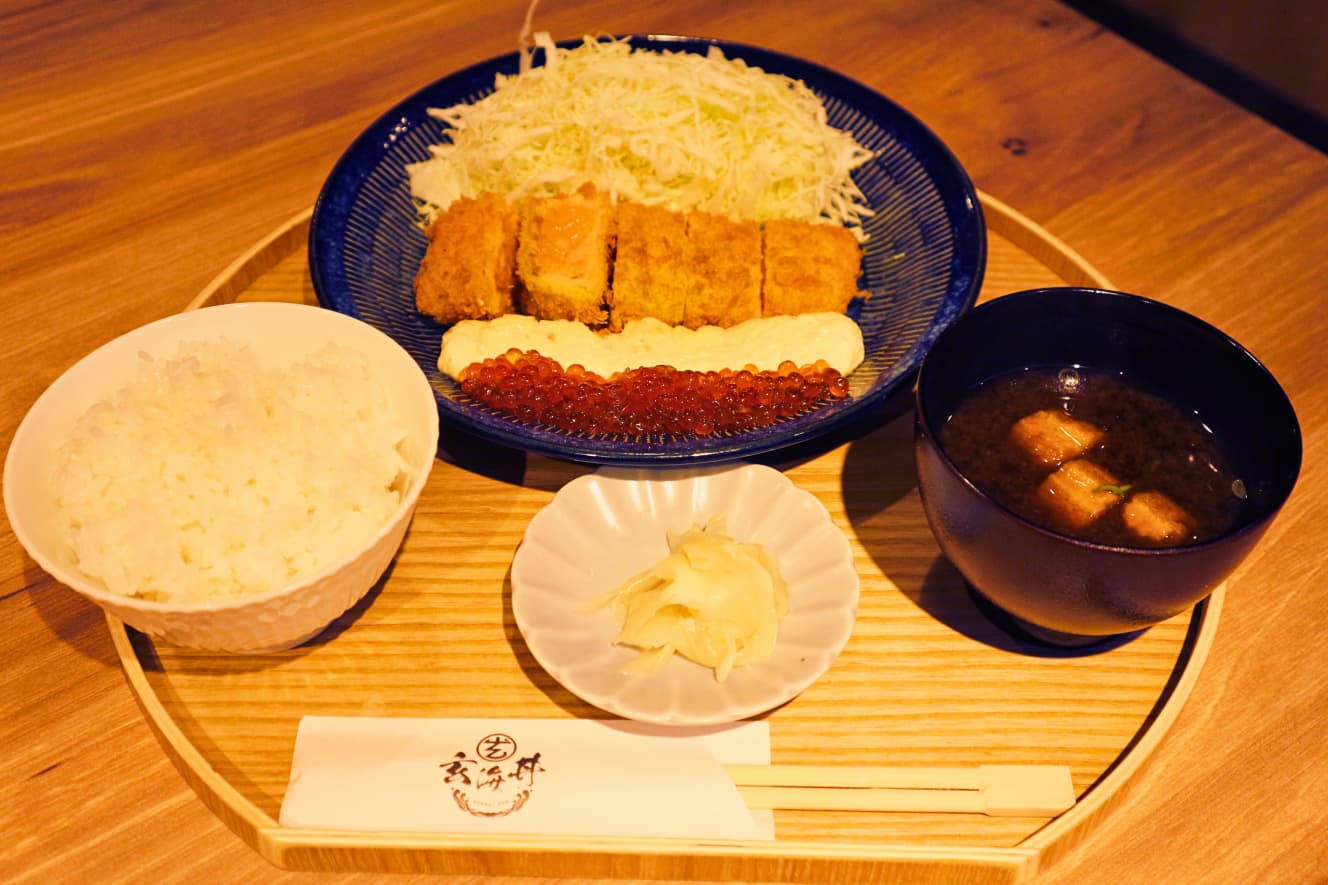
The frying time for the salmon katsu is adjusted differently from the tuna so that the inside retains a beautiful orange color. Because the center remains rare, you can enjoy the fresh aroma and chewy texture reminiscent of sashimi.
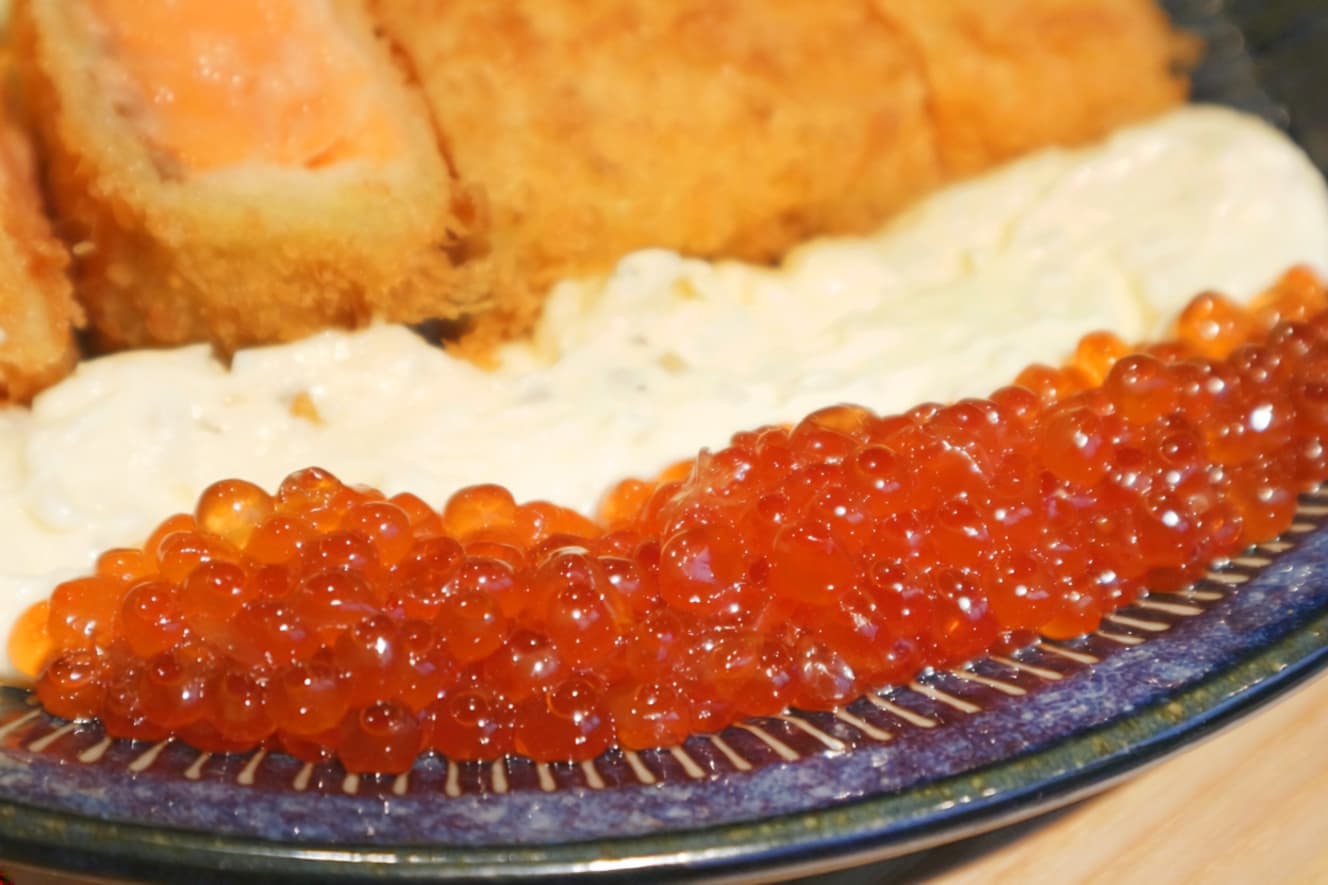
What is amazing is that the sea of tartar sauce is densely packed with salmon roe! In this day and age, that is an impressive amount of salmon roe. And yet the salmon katsu set meal costs only 1,500 yen. You almost start worrying that the salmon roe alone might cost more than that.
The shocking combination of troublesome mackerel × cheese
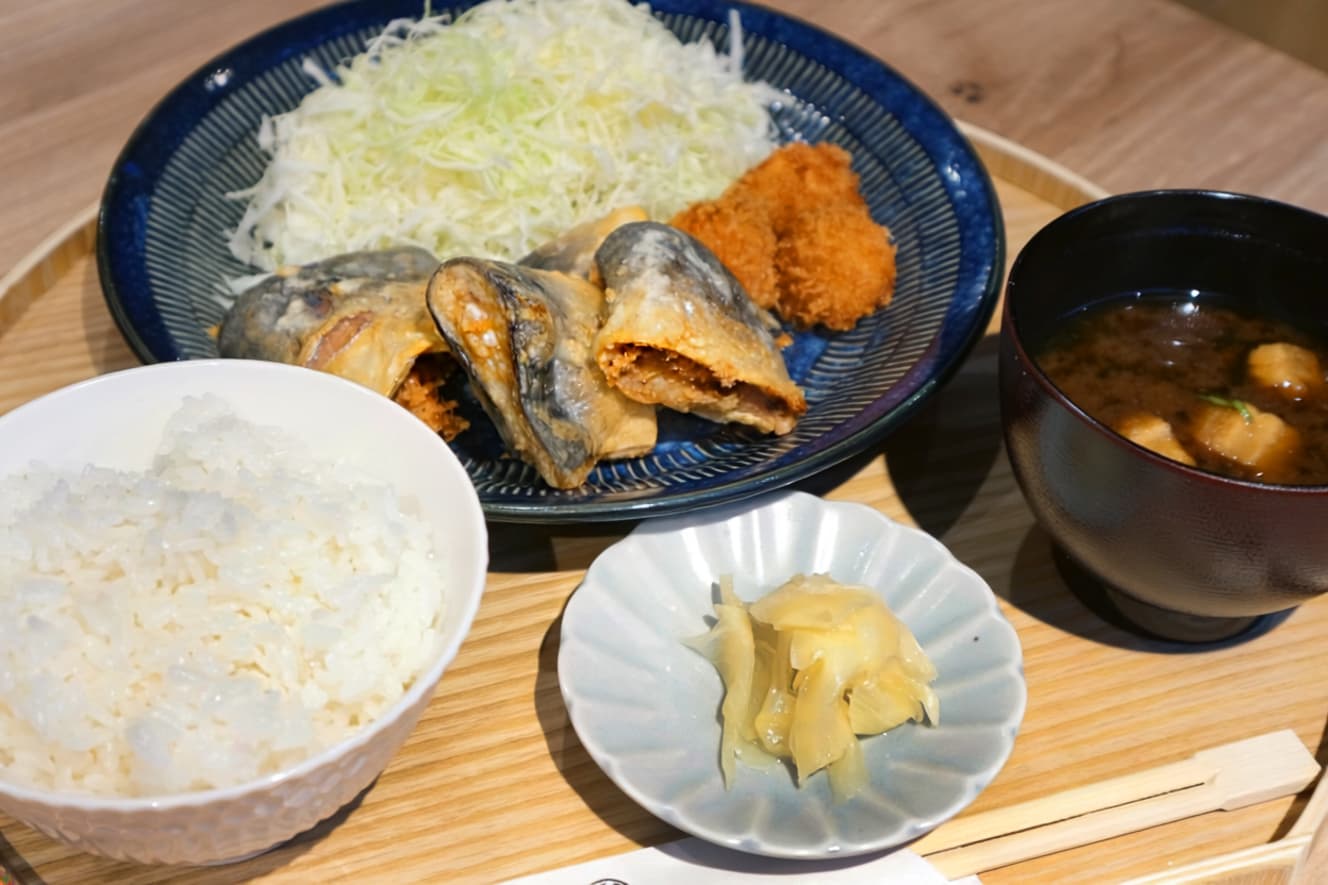
The mackerel cheese fry set meal is 1,000 yen. It comes with a fried scallop and is very satisfying.
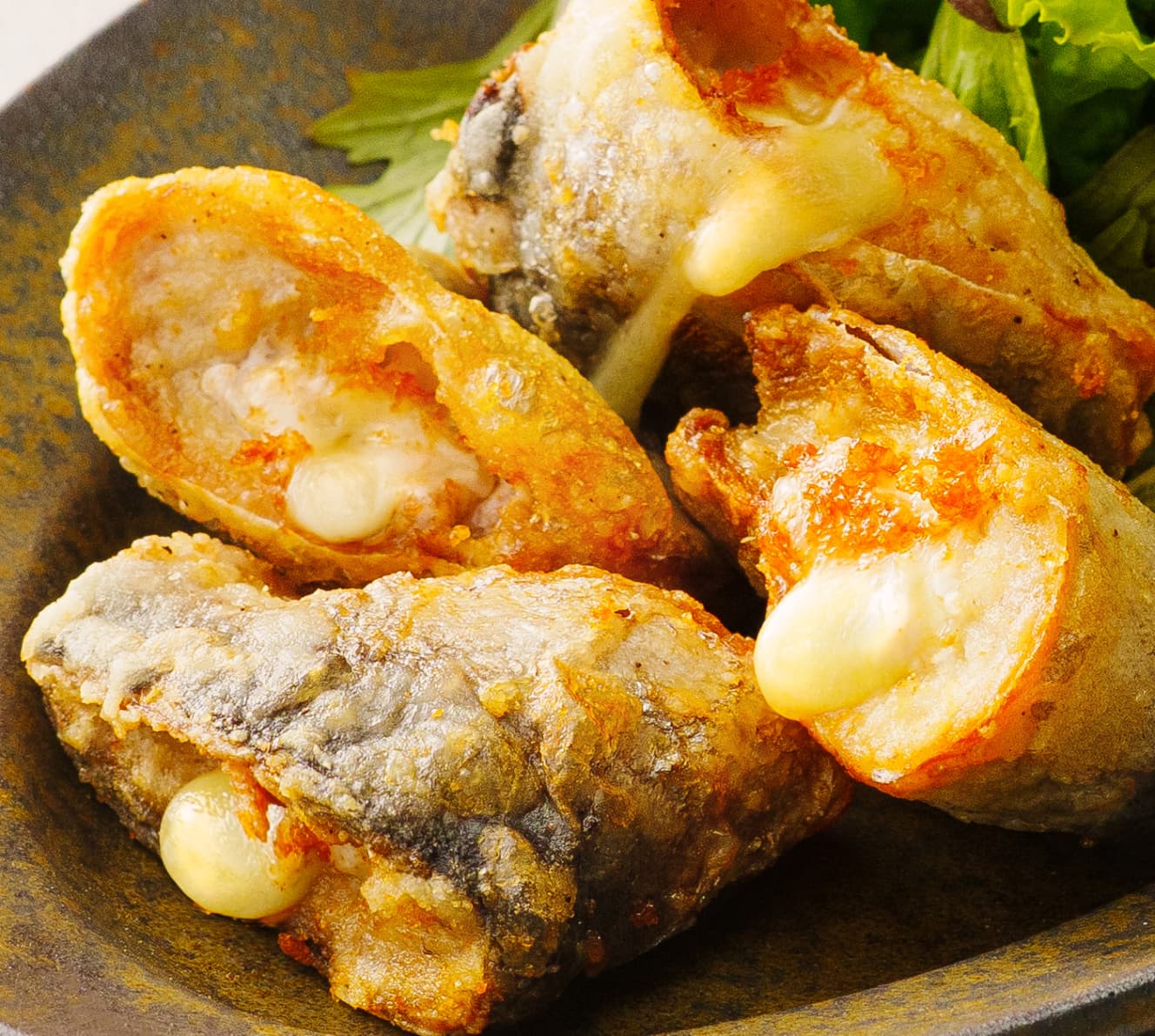
Another dish that absolutely deserves mention is the mackerel cheese fry. It uses underutilized fish known as “candle mackerel,” small mackerel that are typically too small to be sold on the market.
Even though these mackerel can be difficult to handle because of variations in meat quality, combining them with cheese and frying them creates a rich, indulgent flavor. It’s essentially a strategy of adding a different source of richness to fish with less fat. The fried cheese becomes crispy and crunchy, bringing out yet another dimension of what rare katsu can be.
Rare katsu is still a relatively uncommon category, but this new style of cuisine seems poised to spread not only throughout Osaka but potentially become a Japanese specialty. The company plans to open several more locations in Osaka and around ten locations nationwide over the next two to three years, and is also considering overseas expansion. They’re definitely a newcomer to watch. It even made me think, “Maybe I should buy some stock!”
■ Official website of “Seafood Rare Katsu Genkai Shinsaibashi” is here.
Interview, text, and photographs: Shigeru Nekota
Born in 1979. Worked as an editor and writer for town magazines, travel books, and recipe books. Currently, as a web writer, he writes on a wide range of topics from decadence to traditional crafts. His life motto is "Sake is best drunk while walking". Follow him on Instagram @nekota_sigeru