Can It Really Make Money? Exploring the Enduring Tradition of Lunch at Japan’s Classic Cafés


Service That Hasn’t Changed Despite Rising Prices
Standing apart from today’s trendy cafés, traditional Japanese coffee shops (“junkissa”) are enjoying a boom of their own. Echoes of the Shōwa era linger within their walls. Casual exchanges with the owner, the aroma of freshly brewed coffee, and well-worn furniture steeped in decades of history offer small comforts that fill the heart.
“For me, these cafés are indispensable places. Just sitting there absentmindedly helps melt away my fatigue. I find myself casually listening to conversations around me or gazing blankly at the lighting fixtures and sugar pots. And I love the food—Napolitan spaghetti, omurice, curry—each bite seems to restore my energy. I savor the café with all five senses.”
So says Rina Namba, author of “Junkissa Lunch” (Kawade Shobo Shinsha) and the second director of the Tokyo Coffeehouse Research Institute. On a typical day out, she visits three to four traditional cafés. Having explored more than 2,000 coffee shops, she published this latest book on April 24, focusing specifically on café lunches.
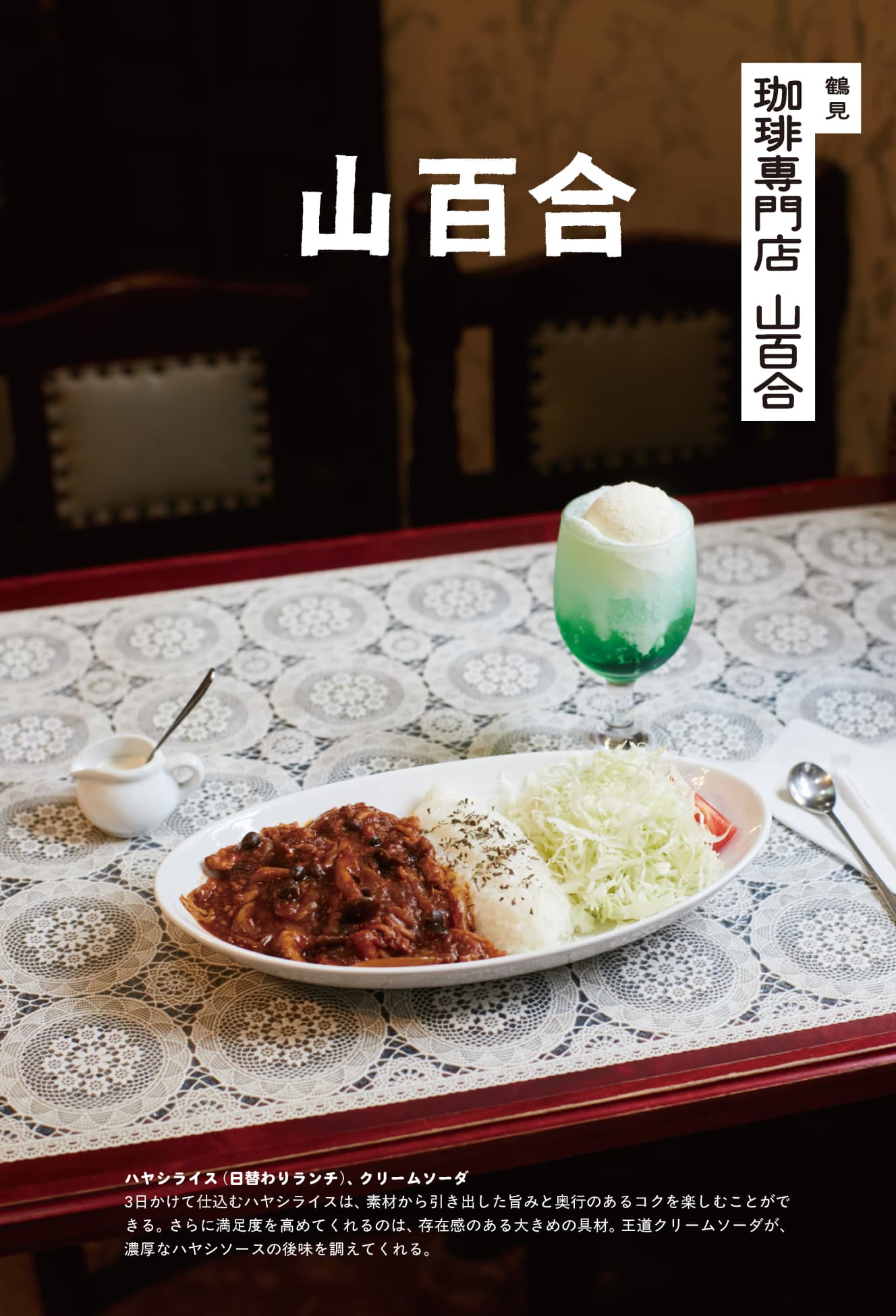
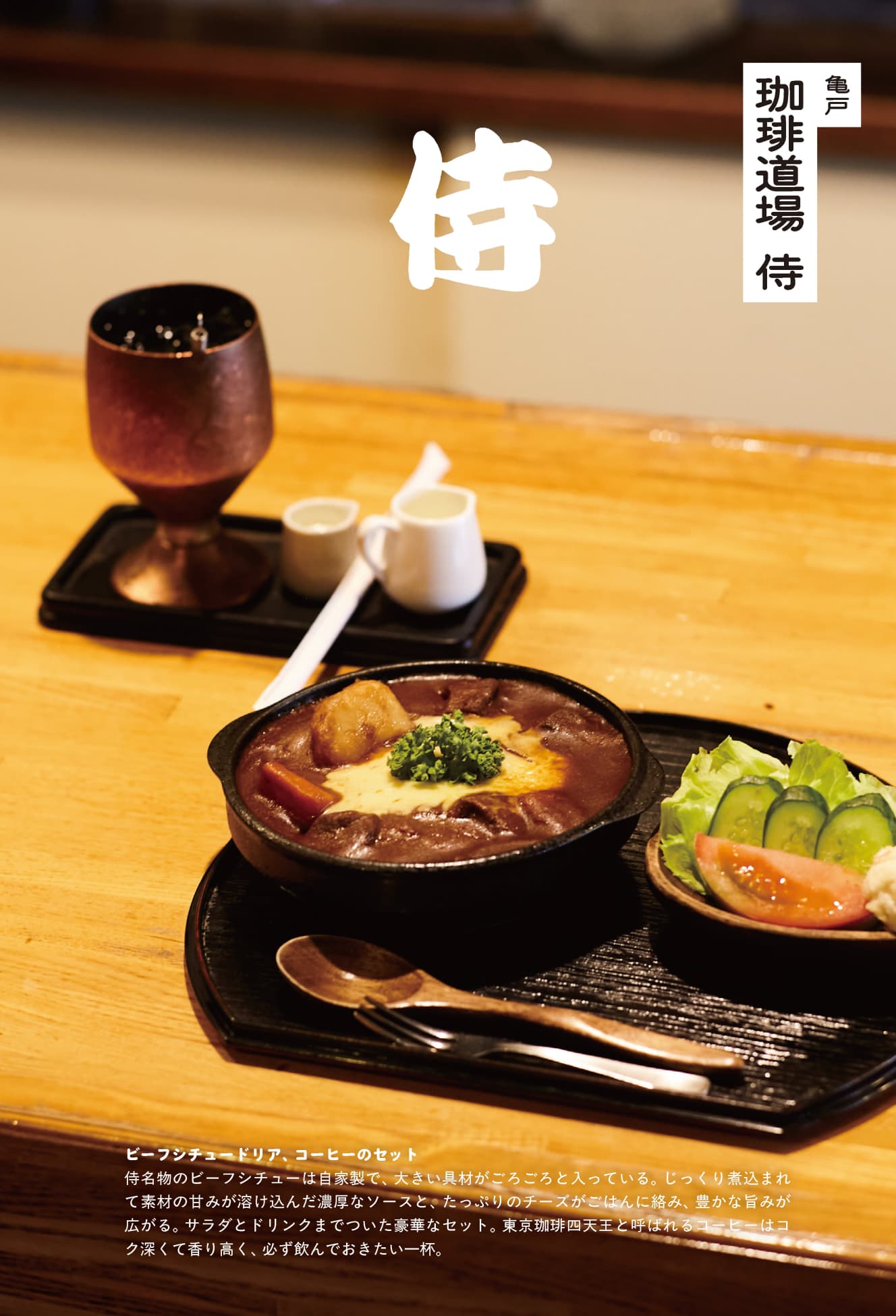
There is a unique appeal to a “junkissa” lunch that cannot be found in restaurants or home cooking. The meals reflect the individuality of the establishment and the character of the people who work there. Enjoying a cup of coffee after a meal while soaking in an atmosphere that exists nowhere else makes for a truly special experience. Through the lens of lunch, the book introduces 39 cafés, along with their histories.
The food itself is surprisingly fascinating. While tomatoes, broccoli, and pumpkin atop a salad might seem perfectly normal, some cafés also serve bananas and chikuwa alongside them. Even when bad weather drives vegetable prices sky-high, portion sizes remain unchanged. The servings can be so generous that you wonder whether the business is making any profit at all. Coffee beans, rice, and utility costs have all risen, yet customers are often treated to a level of service that seems to ignore the very concept of a break-even point.
“The founders of cafés that opened during the Shōwa era are now in their seventies and eighties. Those who are still actively running their shops—or who have strongly inherited the founders’ philosophy—continue to value the spirit of service that characterized Japan’s high-growth period. At locally rooted cafés where regulars have been coming for decades, owners often feel a sense of mission: they want customers to leave happy and feel that they’re glad they came, regardless of rising costs.
Some owners joke that they keep running the café to keep from getting senile. For many, café work is their reason for living. It’s not uncommon to hear sentiments such as, ‘I’ve managed to keep this place going all these years, so from here on I’ll do it for my customers,’ or ‘As long as I can make enough to get by, that’s enough.’ Many cafés place great importance on caring for their customers.”
(Namba, whose comments continue below)
This Magazine’s Reporter Paid a Visit
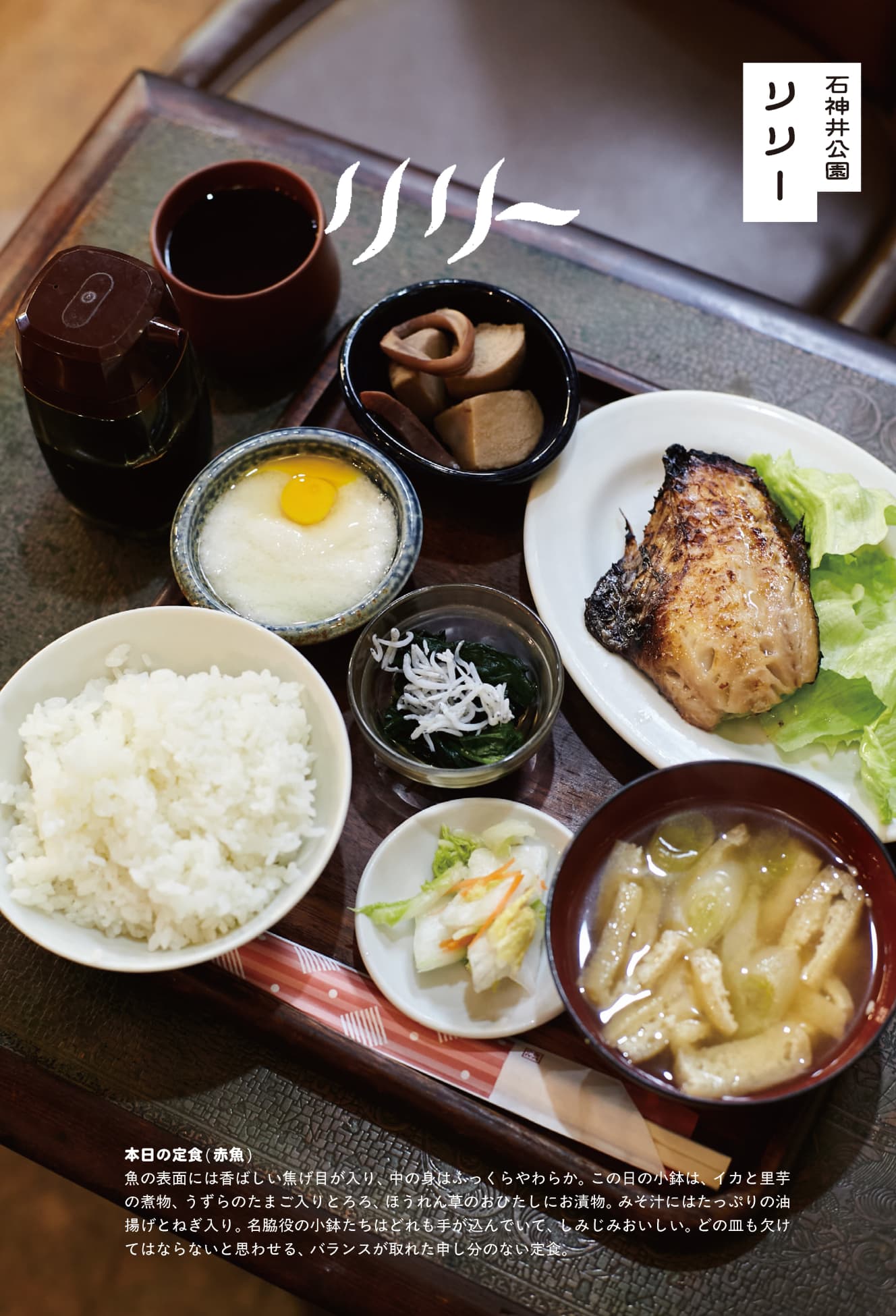
One of the cafés featured in the book is “Lily”, located near Shakujii Park in Tokyo’s Nerima Ward. Its “Daily Set Meal” features grilled fish as the main dish, accompanied by simmered squid and taro, grated yam topped with quail eggs, spinach dressed with whitebait, pickles, and several small side dishes. Despite its abundance, this lavish lunch costs less than ¥1,000.
“Before the traditional café boom, the customers were mostly regulars. I’ve heard that the owner kept adding more and more side dishes because she wanted to serve something healthy to the women who worked nearby and came in regularly. Apparently, the more set meals they sell, the more money they lose,” Namba says with a laugh. “These days, they rarely accept media interviews and no longer put up a sign outside. It seems they intentionally make it difficult for first-time visitors to know whether it’s okay to come in.”
“The cafés featured in this book value maintaining the right distance from their customers and don’t pry into their private lives. Customers who prefer to be left alone are quietly respected, while those who seem open to conversation might hear, ‘Would you like to try some of this?’ Many of the staff are genuinely warm-hearted. There’s a strong sense of human connection, and since you can get a filling meal for under ¥1,000, you often see younger customers as well.”
This magazine’s reporter also decided to experience a “junkissa” lunch firsthand at “Coffee Aroma” in Koenji, Tokyo’s Suginami Ward. The moment the door opened, owner Masuyo Masuda greeted the reporter gently with a warm smile and a cheerful “Good morning.” Records by Kenji Sawada played in the background as time seemed to slow to a relaxed, unhurried pace.
An Unexpected Dish Popular with International Tourists
The chicken curry was generously loaded with three chicken drumettes as well as large chunks of chicken meat, while both the rice and curry portions were more than satisfying. The salad mentioned earlier was from this café as well, and it was impressively substantial. The sight of chikuwa fish cake and banana served side by side was oddly charming. The meal even came with coffee, all for ¥1,200.
When the reporter left part of the boiled egg uneaten, Masuyo quietly handed over a small plastic bag, saying, “Please take it home with you.” On the rainy day of the visit, she also asked, “Do you have an umbrella?” as the reporter was leaving.
“The café opens at 7 a.m., and sometimes it fills up as soon as the doors open. What’s more, more than half the customers are young people. I’d see Masuyo greeting customers with a cheerful ‘Oh, welcome!’ and assume they were regulars, but they often turned out to be first-time visitors,” Namba laughs. “Her attitude is essentially, ‘Thank you for coming—everyone is like my son or daughter.’ There’s something deeply comforting about her warmth. When you encounter that level of genuine concern for others, it makes you reflect on whether you’re really as kind to people as you could be.”
The appeal of traditional coffee shops does not seem to be limited to younger generations. International visitors have also discovered them. In fact, one somewhat unexpected dish has become especially popular among foreign tourists. At some “junkissa” in Asakusa, where inbound tourists make up the majority of customers, many of them order the very same item.
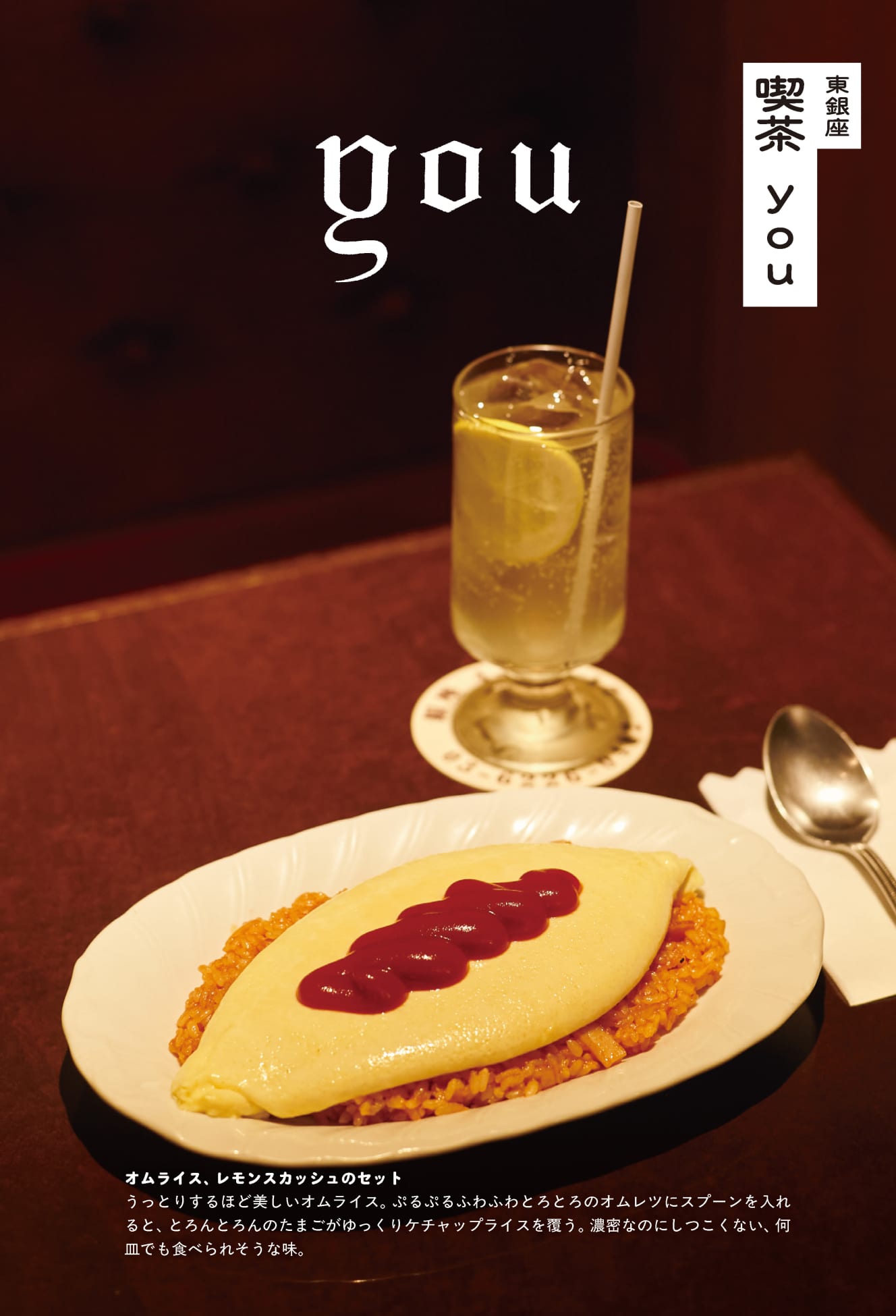
“I’ve heard that omurice is selling incredibly well at traditional cafés in areas frequently visited by overseas tourists. They’re familiar with omelets, but they’re surprised to discover that the filling isn’t vegetables or meat—it’s rice.
Napolitan spaghetti, seasoned with ketchup, is also popular because many foreign visitors enjoy the flavor. But the novelty factor of omurice seems to attract even more orders. There are plenty of surprising stories like that. For example, an elderly café owner in Asakusa told me, ‘So many foreign tourists come every day that I naturally learned it,’ and now takes orders in English.”
Traditional coffee shops that have survived through three eras—Shōwa, Heisei, and Reiwa—appear to contain a world of remarkable depth. Perhaps on your next day off, it’s worth picking up this book and opening the door to a café somewhere, letting yourself step into that world.
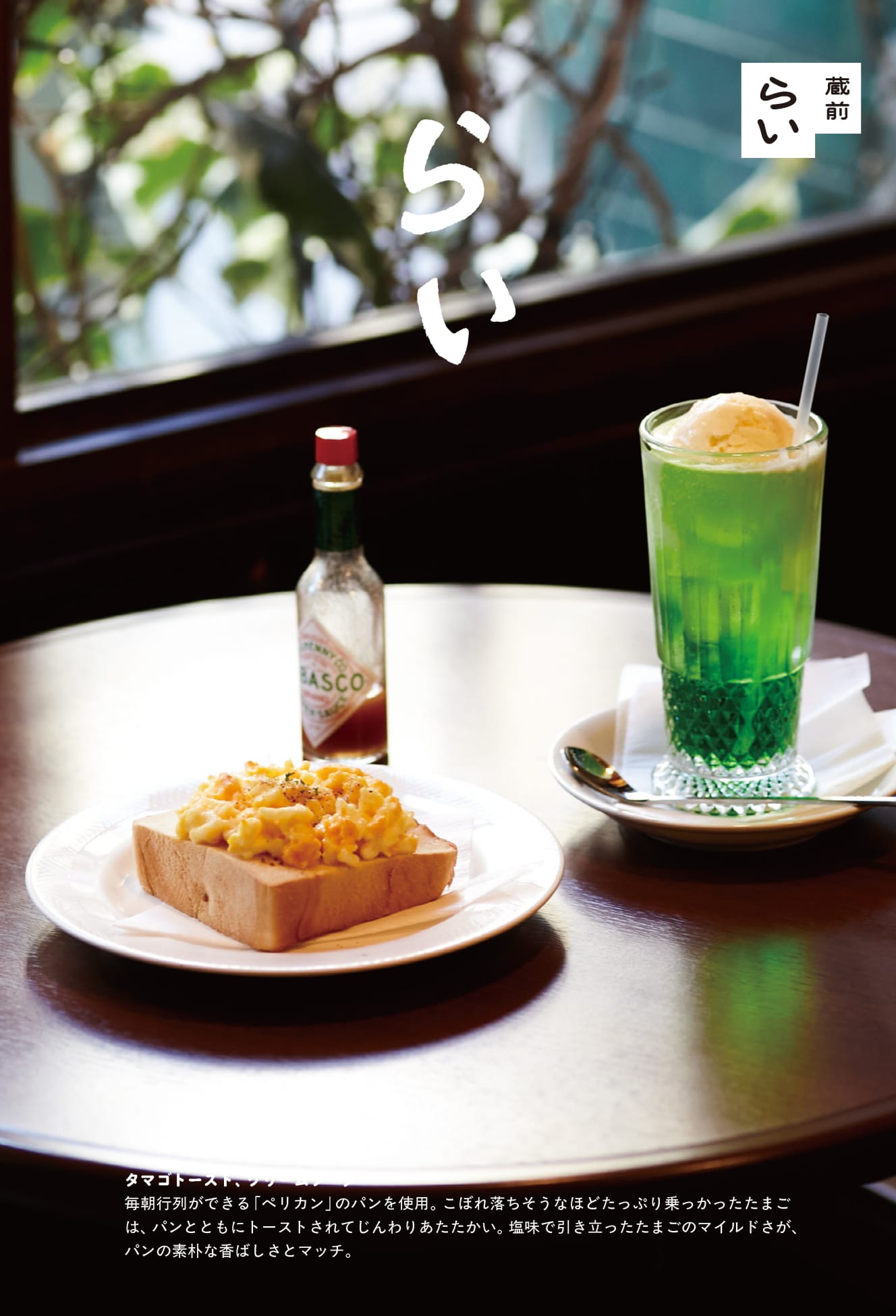
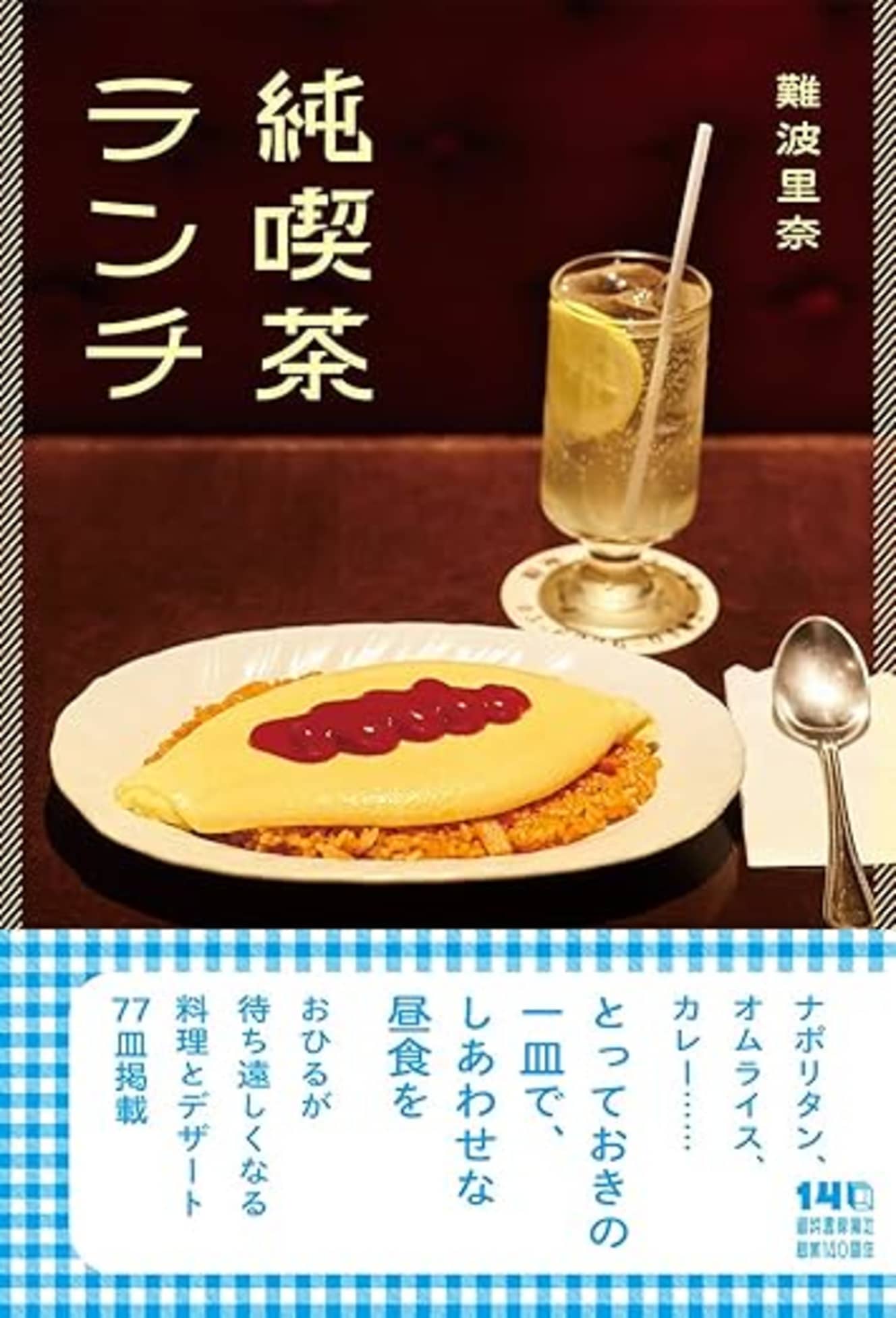
Junkissa Lunch. Author: Rina Namba. Publisher: Kawade Shobo Shinsha
Interview, text, and photos (1st photo): Daisuke Iwasaki