Tokyo North Rises in Popularity as Kita Ward and Itabashi Gain Attention in Housing Rankings


What is the appeal of Tokyo North?
The rise in prices of secondhand condominiums in Tokyo’s 23 wards shows no sign of stopping. According to Tokyo Kantei, one of Japan’s largest real estate databases (released April 23), the average price of a used condominium in the 23 wards in April (converted to a 70-square-meter unit) was 12.425 million yen. This represents a 30.8% increase compared to the same month last year.
This exceeds bubble-era price levels.
Even if salaried workers try to buy a condominium in Tokyo’s 23 wards, even used properties are now at prices far out of reach, making home ownership feel like a distant dream. In addition, rental prices are currently over 100,000 yen even for single-person units, and over 200,000 yen for couples and families, making things extremely difficult given the average annual income of 4.29 million yen (based on approximately 600,000 company employees registered on the job site doda between September 2024 and August 2025).
Under such circumstances, there is an area in the 23 wards that is rapidly gaining popularity among young single women and young married couples. This is “Tokyo North,” referring to the northern part of Tokyo’s wards, particularly Kita Ward and Itabashi Ward, whose popularity has been rising sharply.
Recruit conducted a survey of 9,000 men and women aged 20 to 49 living in the greater Tokyo area (Tokyo, Kanagawa, Saitama, Chiba, and Ibaraki), publishing the “SUUMO Most Desirable Cities 2026 Greater Tokyo Ranking” on March 26. In the municipality ranking for biggest jumps in score, four “Tokyo North” areas made it into the top 10, with Kita Ward ranking 1st and Itabashi Ward 4th. We spoke with real estate journalist Yumi Fukuoka.
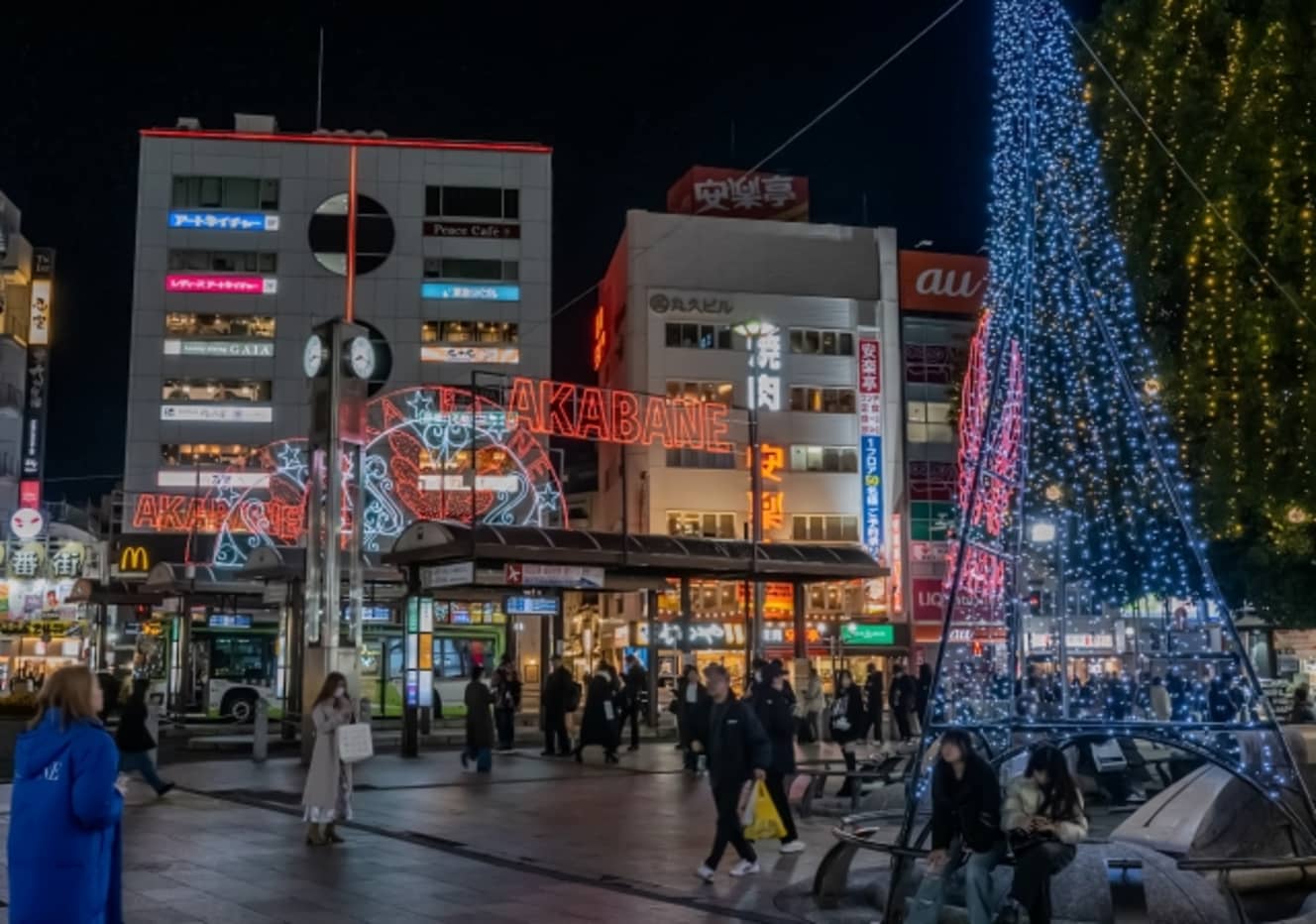
“Kita Ward is known as the pioneer of the downtown trend, and the leading example is Akabane. About 15 years ago, women who were different from so-called ‘Minato Ward girls’ began paying attention to ‘senbero’ (cheap drinking spots where you can get drunk for around 1,000 yen). It became popular as a place where you could drink during the daytime on dates, and its popularity grew. Once restaurants become lively, the area naturally shifts into a desirable place to live. People who first go drinking there and think, ‘Actually, this is kind of fun,’ gradually become fans, and that transformed it into a residentially attractive area. Akabane led that trend.”
So what is the current appeal of Kita Ward centered around Akabane?
“There are many old-style shopping streets, and the cost of living is still relatively low. Places like Akabane Suzuran Street, Jujo Ginza, and Shimofuri Ginza allow residents to live without needing large shopping malls or supermarkets. People can live casually in everyday clothes without dressing up. Compared to central Tokyo, there is also less of the competitive mom-friend status games. In addition, it is well supplied with parks and natural spaces such as Asukayama Park and Akabane Green Area, making it a good match for family life,” said Fukuoka.
However, from a real estate price perspective, even Akabane is not immune to the ongoing rise in property prices.
A city with the best cost performance and time performance
“Akabane has high ratings as a transportation hub, and because multiple tower apartment developments are currently underway around the station, real estate prices have already been rising. However, other areas still feel relatively inexpensive. Compared to the central six wards, rent levels are about 20–30% lower, and used condominium prices can be half as much.
For example, the area around JR Oji Station is a target in particular. The key is the areas just one stop away from major terminals. The areas around Asukayama Station on the Tokyo Sakura Tram (formerly Toden Arakawa Line), Takino-gawa-itchome Station, and Nishi-Sugamo Station on the Tokyo Metro Namboku Line are somewhat like residential mansion districts. Located at the eastern edge of the Musashino Plateau, they also have good views. The higher ground in these areas is a hidden gem and is considered a good target,” says Fukoka (previously quoted).
So what about Itabashi Ward, which ranked fourth?
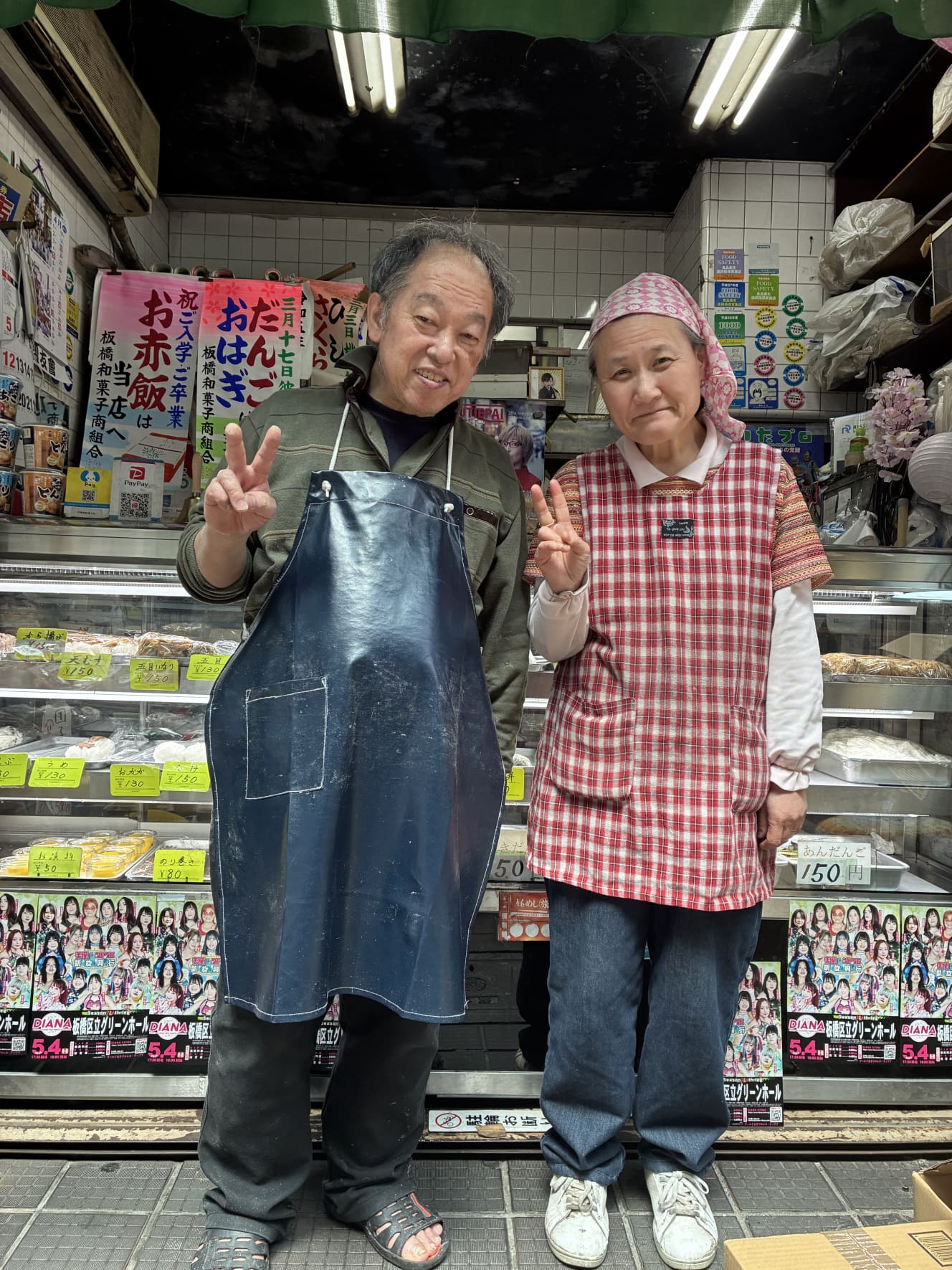
Itabashi Ward is famous for the “Happy Road Oyama Shopping Street,” a 560-meter-long arcade stretching south from Tobu Tojo Line’s Oyama Station to National Route 254 (Kawagoe Highway). The third-generation owner of “Iseya Mochi Confectionery Shop,” founded in 1956 and frequently featured on TBS’s “Sakai no Uwaasa Daikensho! Sorette Jissai Dounanokai”, Tetsuo Kikuiri, said:
“Personally, I think it’s always been a safe area. Recently, the Oyama shopping street has become so famous that people even come from the countryside to visit, and we’re seeing more and more foreign visitors too. I’ve only lived here, but I think it’s a good town.”
Fukoka also comments on Itabashi’s appeal:
“In a word, it’s a town with the best cost performance and time performance. Real estate prices are even more affordable than in Kita Ward. Compared to central Tokyo, rent can be 50,000 to 100,000 yen cheaper, and in some cases condominium prices are one-third. In the Oyama Station shopping street area, large-scale redevelopment is currently underway, so it may be a good time to buy before it’s completed,” she says.
In Itabashi Ward, Oyama Shopping Street is especially famous, but there are also many other notable areas.
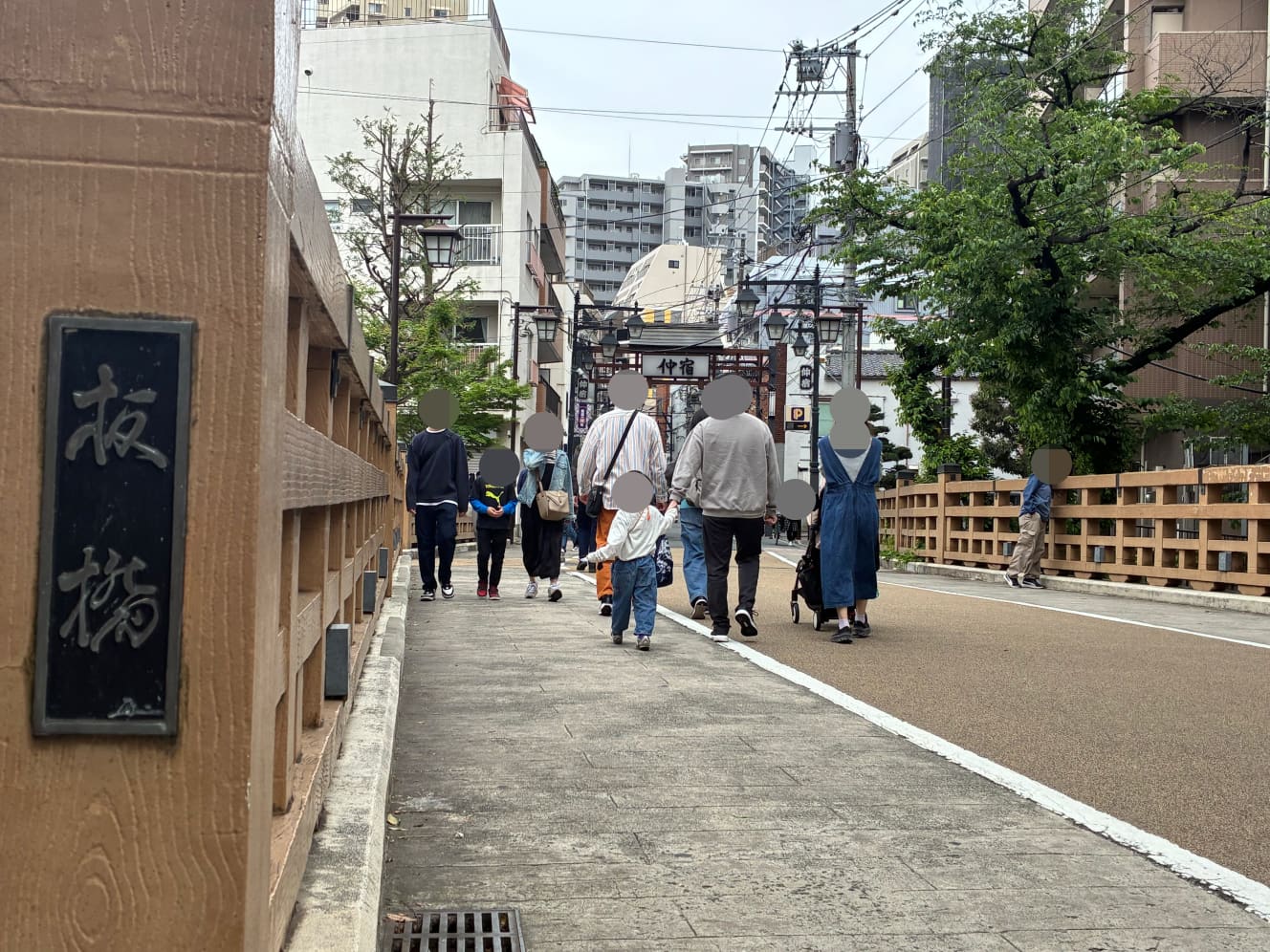
“Personally, I recommend the Toei Mita Line area that connects directly to Otemachi. In particular, around Itabashi-kuyakusho-mae Station and Itabashi-honcho, along the old Nakasendo road, there is the lively ‘Nakamise Shopping Street.’ You can also find the historic ‘Itabashi’ bridge over the Shakujii River, from which the ward takes its name, and traditional houses over 100 years old renovated into old folk house cafés.
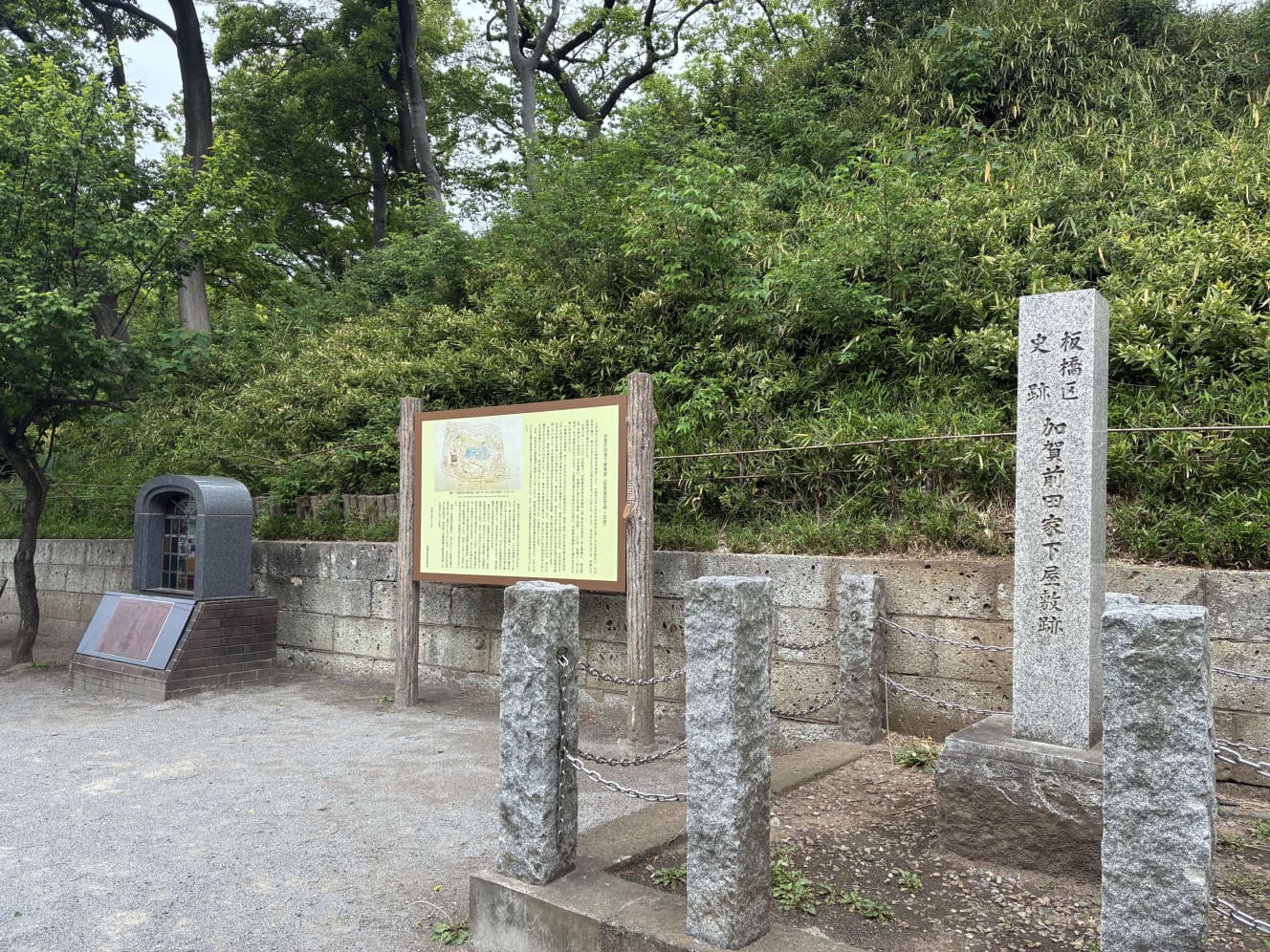
Not widely known, but this area used to be the site of the former Maeda clan (Kaga Domain) estate, so place names like ‘Kaga’ and ‘Kanazawa’ remain. The Kaga area is a quiet residential district, and its elementary schools are said to be high level—it’s considered a so-called educational district. If you actually visit, you’ll likely be surprised by the gap between it and the typical downtown image,” she adds.
Furthermore, Itabashi also has the appeal of being a compact town.
Akabane Station, Tobu Nerima Station, and Kichijoji Station are all on the same concentric circle from Shinjuku Station
“The most balanced area is Tobu Nerima Station on the Tobu Tojo Line. Despite the name ‘Nerima,’ it is actually located in Itabashi Ward. In front of the station is the large ‘AEON Itabashi Shopping Center,’ which also includes an ‘AEON Cinema.’ It is a compact town that represents Itabashi Ward.
Itabashi Ward changes its atmosphere dramatically depending on the railway line—Toei Mita Line, Fukutoshin Line, Yurakucho Line, and Tobu Tojo Line. The Tobu Tojo Line has a downtown feel, the Mita Line is a calm residential area, and the Fukutoshin Line offers strong direct access to central Tokyo. It is recommended to narrow down your choice based on which line fits your lifestyle,” says Fukoka (previously quoted).
Now, once again, attention is being drawn to the “Tokyo North” area. Fukoka further explains its appeal:
“People in the younger generation actually don’t care much about a city’s brand value—they choose with a very realistic perspective. Cities where young people start gathering are likely to become popular in the future, so you can assume that’s a good sign.
By the way, the distance from Akabane Station to Shinjuku Station, and from Tobu Nerima Station to Shinjuku Station, is both about 11 km. If you think in terms of concentric circles, it is not much different from the distance between JR Kichijoji Station and Shinjuku Station. In Kichijoji, the price of a newly built family-type condominium is around 150 million yen. Thinking about it that way, you can understand just how good the cost performance and time performance really are,” she says.
Even outside Kita Ward and Itabashi Ward, there are surely still hidden undiscovered gems within the 23 wards waiting to be found.