A famous doctor warns that the real culprit of high blood pressure is “sugar” rather than salt! The Surprising Reason Why Tonkatsu (pork cutlet) is OK Twice a Week | FRIDAY DIGITAL

A famous doctor warns that the real culprit of high blood pressure is “sugar” rather than salt! The Surprising Reason Why Tonkatsu (pork cutlet) is OK Twice a Week

  • Share on Twitter
  • Share on LINE
No problem to enjoy pork cutlets twice a week as long as you cut back on sugar!

More dangerous than salt! Blood Pressure and Sugar Trap

It is not only seniors who need to pay attention to high blood pressure. Even casual drinking of water in everyday life can lead to high blood pressure.

When it comes to countermeasures against high blood pressure, “salt reduction” is indispensable. However, Dr. Minoru Kamata, Director Emeritus of Suwa Chuo Hospital, sounds the alarm.

Recently, it has become clear that sugar causes high blood pressure more than salt.

It is believed that the fructose (fructose) contained in sugar acts on the renal tubules of the liver, causing sodium to be reabsorbed, which in turn raises blood pressure.

Sweetened beverages cause “vascular aging.

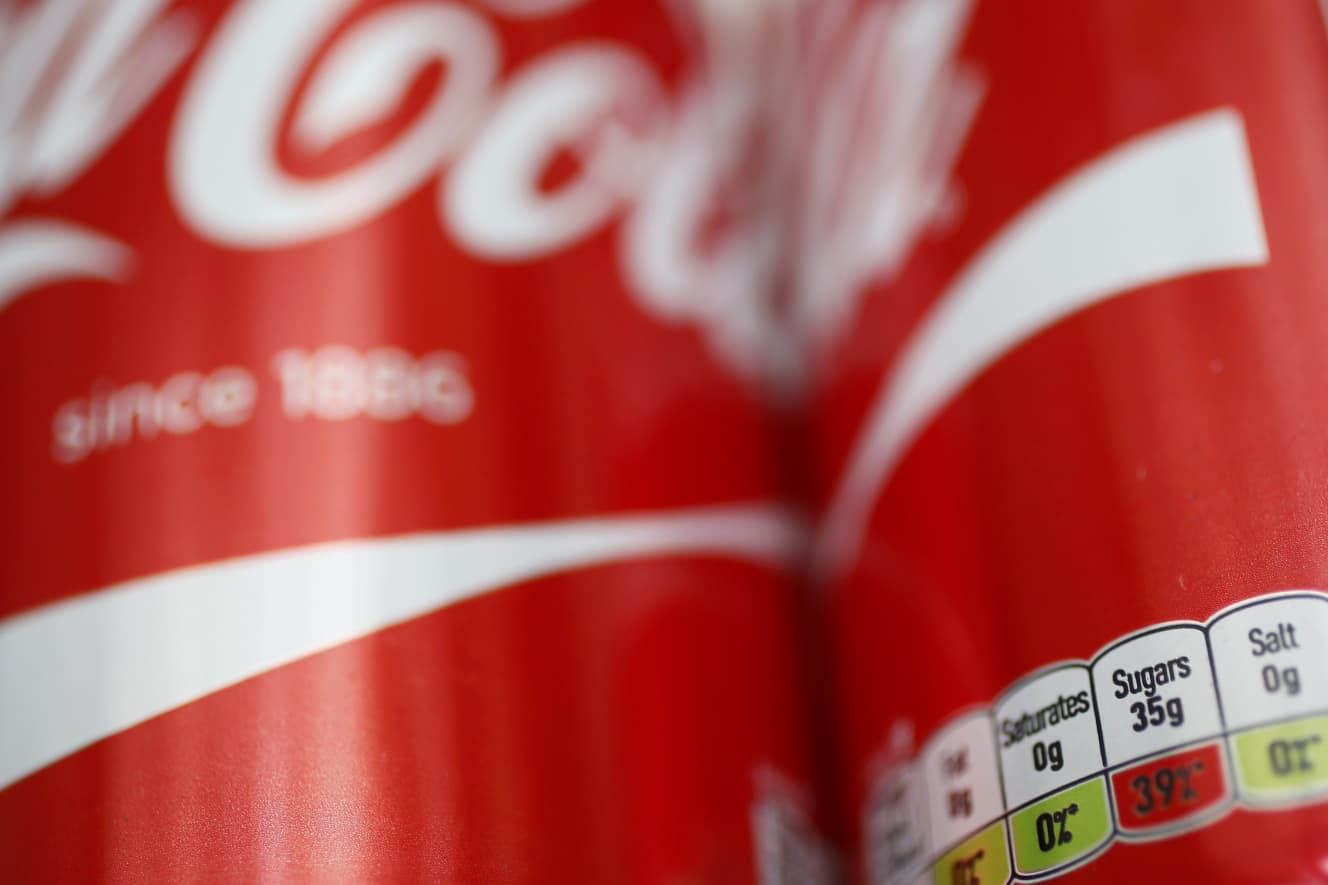
Sugar in liquids, especially colas, juices, and sports drinks, is believed to be highly effective in raising blood pressure and causing the phenomenon of glycation. Glycation is a phenomenon in which excess sugar and proteins in the body combine to produce AGEs (glycation end products), which deteriorate the skin and blood vessels.

As a result, not only does this lead to wrinkled and sagging skin, but the deterioration of blood vessels can easily lead to arteriosclerosis, which can cause high blood pressure.

As the hot season approaches, it is essential to stay hydrated. In such cases, people tend to drink sports drinks to prevent heat stroke, but Dr. Kamada points out, “Water is not the only way to prevent heat stroke.

Dr. Kamada points out, “Drinking water or tea is fine as a countermeasure against heat stroke.

As an indication of the amount of sugar contained in beverages, he asks, “If you are thirsty, are you drinking a lot of sugar? and the Ministry of Health, Labor and Welfare warns against excessive intake. Although the amount differs slightly depending on the beverage manufacturer and type, one stick of sugar (3 g), for example, is equivalent to 14 350 ml colas, 13.5 220 ml yogurt drinks, and 12.5 350 ml carbonated drinks (cider), which is surprising.

Even if you reduce salt content, your blood pressure will not go down. …… Could sugar be the cause? Sugar is more dangerous than salt, and the pitfalls of familiar beverages (from Ministry of Health, Labor and Welfare data).

Sudden death risk! Monday morning” is the devil’s morning!

Hypertension has no subjective symptoms, and if left untreated, increases the risk of myocardial infarction, stroke, and dementia. It is estimated that about 43 million people in Japan suffer from hypertension, but only about one-third of them actually receive treatment.

Some patients suffer from “morning surges,” in which their blood pressure spikes only in the morning, even if their blood pressure is measured at the hospital and there is no problem. In order to detect such hidden hypertension, Dr. Kamata recommends that outpatients have their blood pressure measured five times a day, including in the morning, and it turns out that there are indeed morning surge patients.

He found that some people actually have morning surges. “Most cerebral and myocardial infarctions occur in the morning. While sleeping, the blood is more likely to become dehydrated, and the blood may become sluggish. In terms of days of the week, Mondays are at higher risk, so you should feel better on Monday mornings and not put too much work quota on your work just because it’s the beginning of the week.”

The equivalent of one stick of sugar (3 g), for example, is equivalent to 14 350 ml colas, 13.5 220 ml yogurt drink types, and 12.5 350 ml carbonated drinks (cider). ……

Losing “1 kg more” than medication

The Japanese Society of Hypertension revised the guidelines for treatment of hypertension for the first time in six years, and the ’25 revision set the goal of “maximum blood pressure less than 130 mmHg and minimum blood pressure less than 80 mmHg” regardless of age. Previously, the target values for people aged 75 and over were somewhat lax, but now they have been standardized for all age groups.

Dr. Kamata gives daily guidance to patients who are on the borderline of hypertension.

I tell them to lose one more kilogram.

Obesity is an extremely common cause of hypertension. Therefore, he advises his patients to be conscious of reducing salt and sugar and controlling their weight in their daily lives, rather than immediately relying on medication.

Body fat is divided into subcutaneous fat and visceral fat. Metabolic syndrome, in which excess fat is accumulated inside the abdomen and around the internal organs, is something to watch out for, even in the working-age population, and jumps the risk of arteriosclerosis. There is relief, however. Compared to subcutaneous fat, visceral fat is easier to lose.

Tonkatsu OK! The truth about carbohydrate restriction

An interesting paper on the “carbohydrate restriction diet” was published in 2008. The paper compared the effectiveness of weight loss by diet in three groups of 322 people in Israel over a period of two years.

  • (1) Low-fat diet + calorie restriction
  • (2) Mediterranean diet + with calorie restriction
  • (iii) Low-carbohydrate diet (carbohydrate restriction) + no calorie restriction

The results showed that the ③ “no calorie restriction + low carbohydrate (sugar restriction) diet diet” resulted in more weight loss than the others. Based on these research results, Dr. Kamada recommends that “cutting back on carbohydrates is good for eliminating obesity.

Many people are so concerned about fat that they try to cut back on meat and other foods in their diet, but this is a “trap,” he says. In fact, Dr. Kamada himself, now in his late 70s, enjoys his favorite pork cutlet twice a week, but moderates the amount of rice he eats. This is because rice is rich in carbohydrates, and carbohydrates consist mainly of “sugar” and “fiber.

Eating good food is also important for maintaining mental stability.”

Keep in mind moderate exercise and be careful about the quality of daily food and drink. This alone will improve obesity and metabolic syndrome, and steadily reduce the risk of serious illness caused by high blood pressure.

  • Interview and text by Hideki Asai PHOTO Afro

Photo Gallery3 total

Related Articles