Road Rage Incident Escalates Into Knife Attack After Alleged Aggressive Driving



Stabbed the other driver after retaliating for tailgating
“He got angry because of aggressive driving.”
A man who attempted to kill another driver by stabbing him in the face during an accident said during questioning that this was the reason.
On the night of April 29, Noda Police Station in Chiba Prefecture arrested a 44-year-old man named Junichi Inoue (occupation and address unknown) on suspicion of attempted murder at the scene.
“At around 8:30 p.m. on the 29th, a three-vehicle chain-reaction crash occurred on National Route 16 in Noda City. The light freight vehicle driven by Inoue rear-ended a light passenger car. This caused the car in front to collide with another vehicle.
The accident itself did not appear to be serious.
However, when the driver of the light passenger car, a man in his 50s, tried to get out of his vehicle, Inoue suddenly attacked him with what appeared to be a deba-bōchō-style knife and stabbed him in the cheek.
The victim then pinned Inoue down on the road, and the two were restrained by three people, including a female acquaintance.
The man suffered a wound to his right cheek that required two weeks to heal.
During questioning, Inoue partially denied the charges, saying, ‘I did not intend to kill him.’
Regarding the accident, he stated, ‘I got angry because I was tailgated, and when I retaliated by tailgating back, I ended up causing the collision.’” (national newspaper social affairs reporter)
At around 8:00 a.m. on May 1, Inoue appeared from Noda Police Station under heavy rain. A police officer held an umbrella over him as he walked forward, briefly glancing at reporters through his messy long bangs before staring straight ahead.
Inoue, who became enraged after allegedly being tailgated and then retaliated, not only caused a rear-end collision but also attacked the other driver with a knife. However, the claim that he was tailgated is only his statement, and it is unclear whether the victim actually engaged in such behavior. Still, was it really something that justified such extreme rage?
Aggressive driving has been regulated since June 2020, when revisions to the Road Traffic Act introduced penalties for “dangerous driving intended to obstruct others.” This followed a series of incidents and accidents in the late 2010s involving road rage that became a major social issue.
One particularly shocking case was the “Tomei Expressway couple fatal accident” that occurred in June 2017 in Oi, Kanagawa Prefecture.
A construction worker (then 26) became angry after being admonished by a self-employed man (then 45) for parking outside a designated area at a service area. The worker then chased the man’s vehicle, which contained the man’s wife and two daughters.
The suspect repeatedly blocked and suddenly slowed down in front of the family’s minivan, engaging in dangerous driving. Eventually, he forced the vehicle to stop and assaulted the driver.
When the suspect attempted to leave, a large truck crashed into the stopped minivan, resulting in the deaths of the husband and wife, while the two daughters and the suspect himself suffered serious injuries.
Difficulty applying the charge of dangerous driving
The man who caused the incident was later indicted for dangerous driving resulting in death or injury. It is true that he forced the victim’s car to stop on the road, which ultimately led to the accident, but the actual crash was caused by a third-party vehicle. From the beginning, applying the charge of dangerous driving resulting in death was considered difficult, and the Kanagawa Prefectural Police initially abandoned the attempt.
The trial focused on whether the man’s actions constituted dangerous driving. In the end, the court did not recognize dangerous driving resulting in death or injury for the portion involving a stopped vehicle, but it did recognize the charge for his obstructive driving while the vehicles were still in motion. After remands and other proceedings, the ruling was finalized in January 2026, sentencing the man to 18 years in prison.
Another widely discussed case was the “Joban Expressway road rage incident” that occurred in Moriya City, Ibaraki Prefecture, in August 2019. A company executive (then 44) engaged in aggressive driving, forced the victim’s car to stop on the expressway, and assaulted the driver, causing injuries that required one week to heal.
Dashcam footage from the victim’s car captured the entire assault. It showed the man approaching with an aggressive posture, while a woman who had been riding in his car got out and filmed the victim continuously on a mobile phone instead of trying to stop the assault—footage that was widely broadcast on television and caused a major public reaction. After the broadcast, further offenses came to light. The man was indicted for coercion and assault and received a sentence of two years and six months in prison, suspended with four years of probation.
In response to such severe cases of aggressive driving, the so-called “driving obstruction offense” was introduced. It covers not only tailgating (extremely close following distance) but also sudden lane changes, sudden braking, and other actions—10 types of conduct defined as obstructive driving. Violations carry penalties of up to three years in prison or a fine of up to 500,000 yen. If the act creates a particularly dangerous situation, such as stopping on a highway, the penalty is up to five years in prison or a fine of up to 1 million yen. In both cases, the driver’s license is revoked immediately.
So has aggressive driving decreased since 2020?
“Cases where the obstruction driving offense has been applied have remained at roughly around 100 per year between 2020 and 2023, and detailed statistics after 2024 have not yet been published. However, focusing only on tailgating-related violations on highways, there were 13,797 cases in 2019 when the issue became a major social problem, but the number decreased after 2020, reaching 4,713 cases in 2024. Based on this figure alone, it can be said that it has decreased.
However, in a survey released last June by Zurich Insurance, 34.5% of respondents said they had experienced aggressive driving within the past five years. It has decreased, but has not disappeared completely.” (transportation journalist)
Many road rage incidents stem from childish motives such as “I was wronged, so I’ll get revenge.” One theory is that driving a large machine capable of high speeds gives people a sense of omnipotence they cannot achieve with their own bodies. However, bringing out a knife as in Inoue’s case goes far beyond unacceptable behavior.
※”FRIDAY Digital” is accepting information and tips from readers via its submission form or official X account.
Information form: https://friday.kodansha.co.jp/tips
Official X: https://x.com/FRIDAY_twit


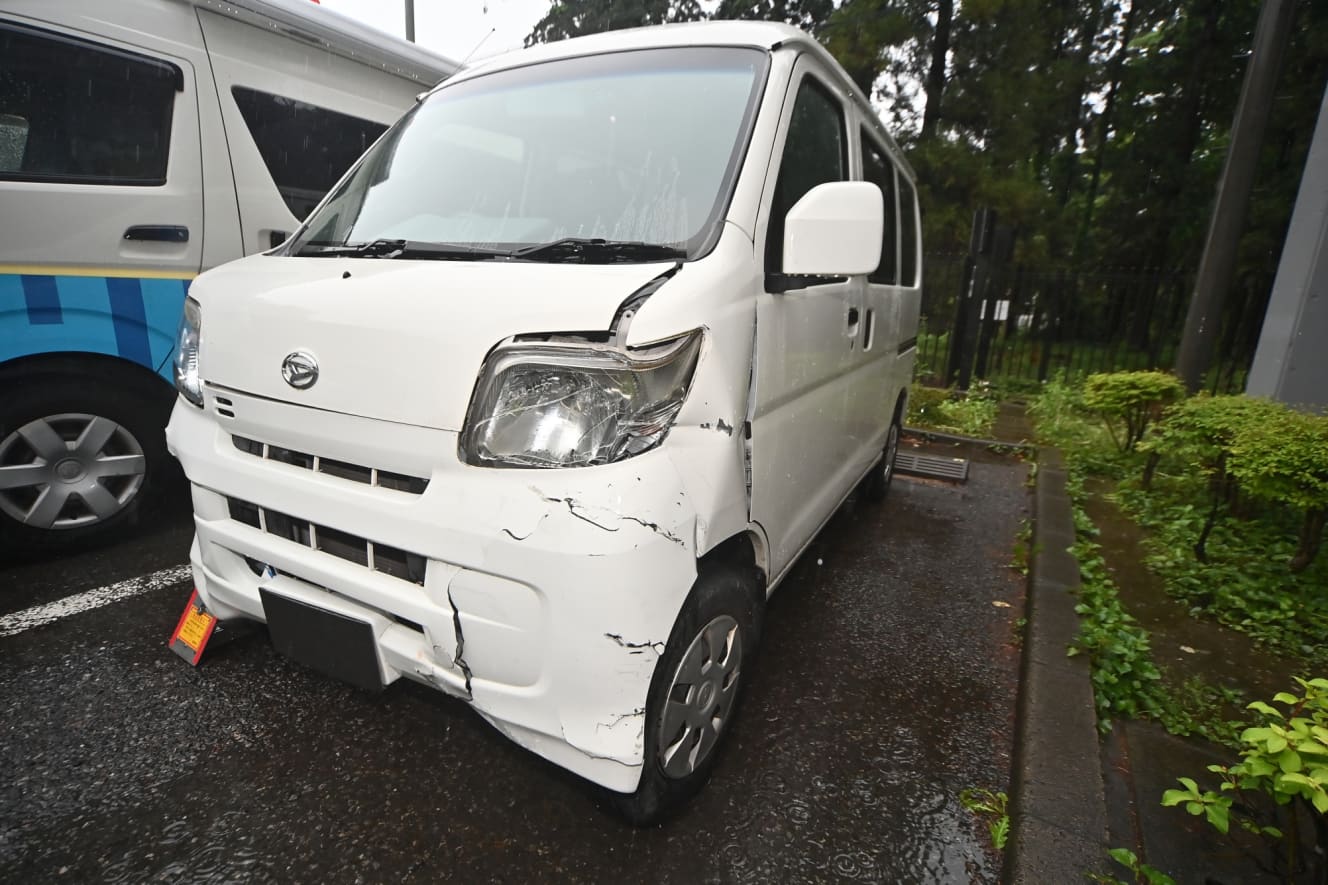
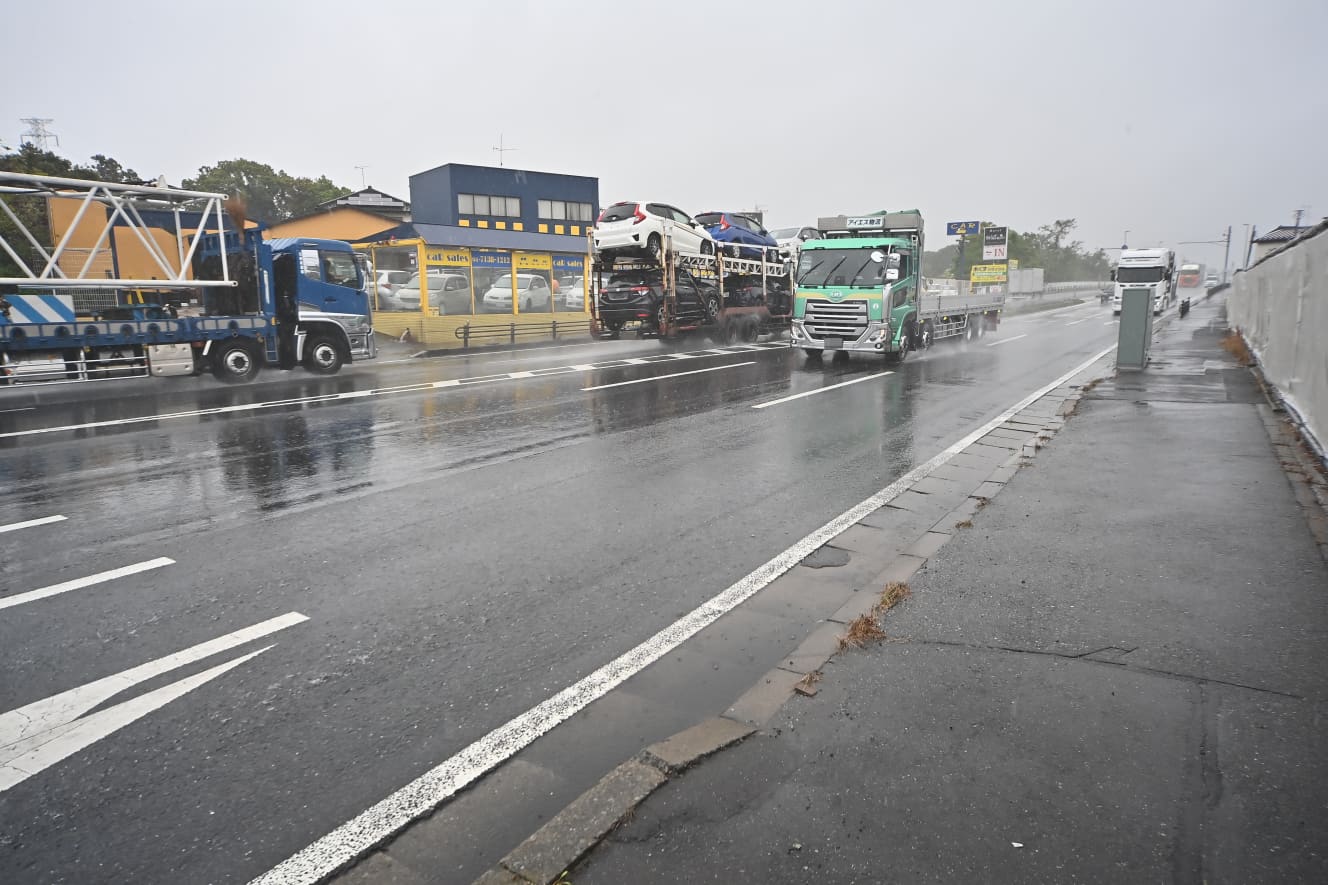
PHOTO: Shinji Hasuo