Illegal Weight-Loss Drug Trade Reported Among Young Women Linked to Online Medical Consultations


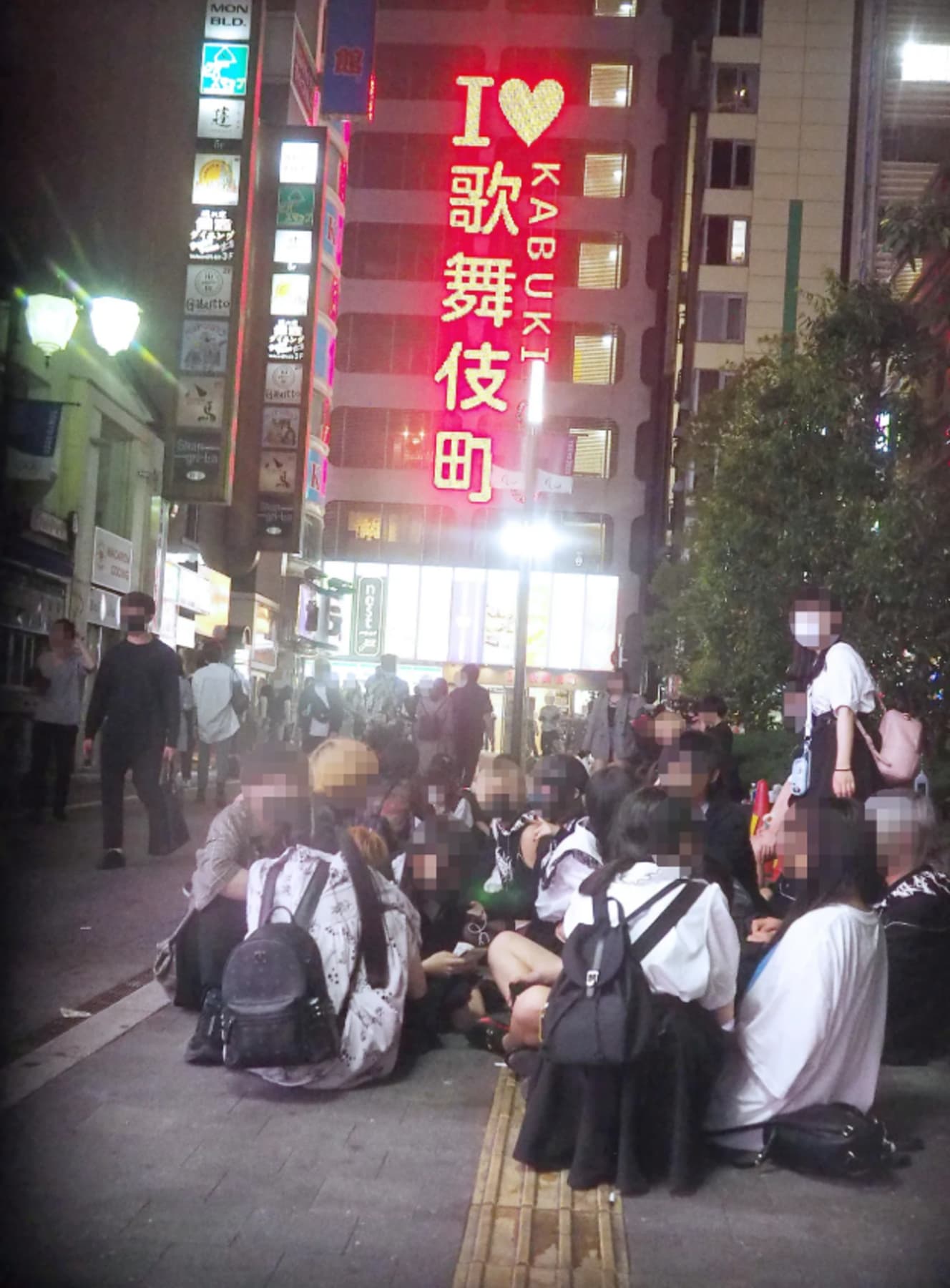
Illegal trade of prescription drugs on social media, etc
“Mounjaro has to be refrigerated, and you also have to inject it yourself. A lot of people don’t do it because they’re scared of needles. Right now, oral medication is more popular.”
A girl, A (18), one of the so-called “To-Yoko kids” who inhabit Tokyo’s Kabukicho district, spoke without showing any sense of guilt.
In recent years, so-called slimming drugs, especially GLP-1 receptor agonists, have become extremely popular among young women. Originally developed as treatment for type 2 diabetes, they suppress appetite, and are widely prescribed to patients seeking cosmetic weight loss.
Typical examples include the injectable drug “Mounjaro” and the oral drug “Rybelsus,” but in Japan these are prescription medications that must be prescribed after a doctor’s examination. However, it is said that “To-Yoko kids” obtain them freely without medical diagnosis.
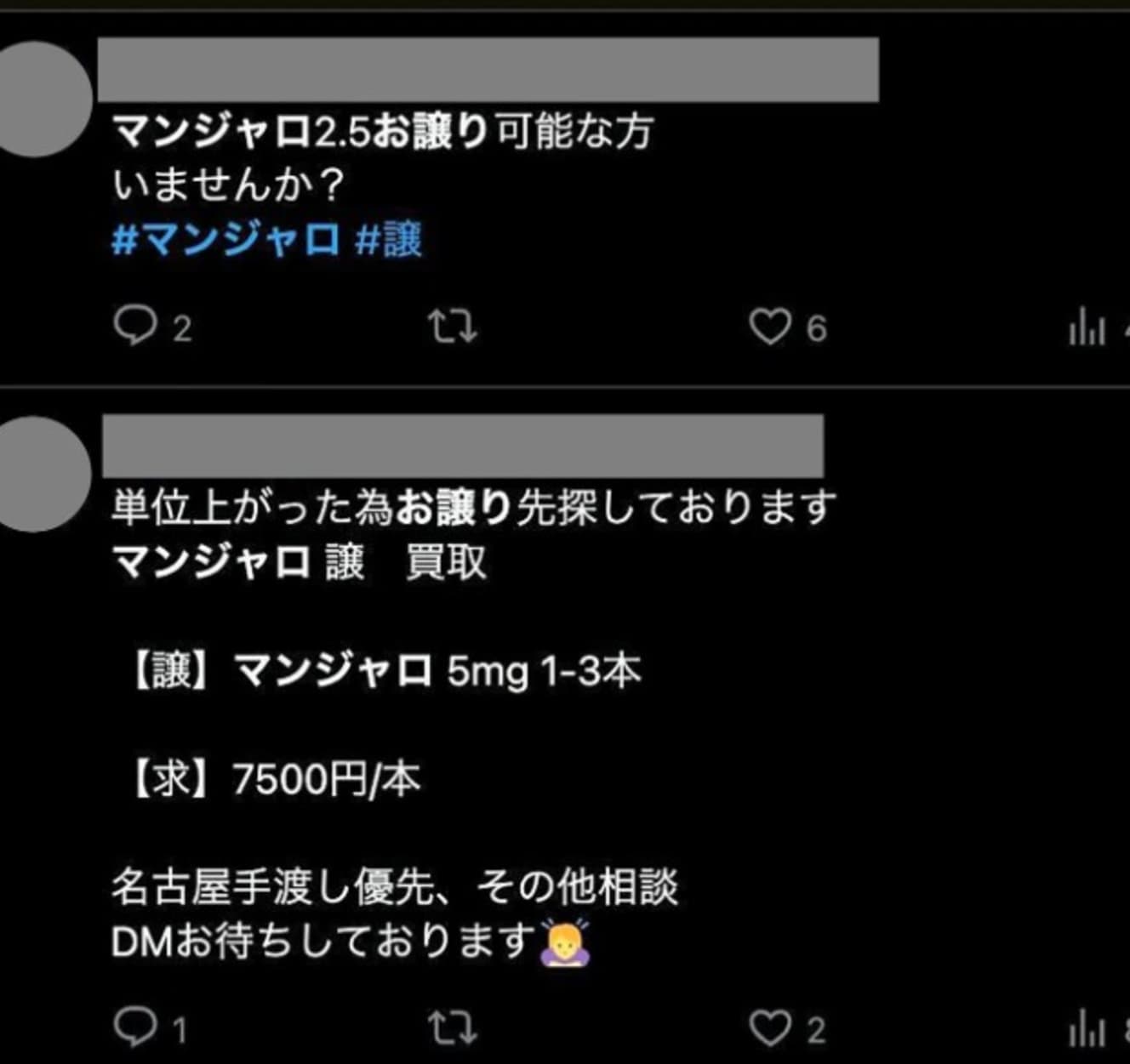
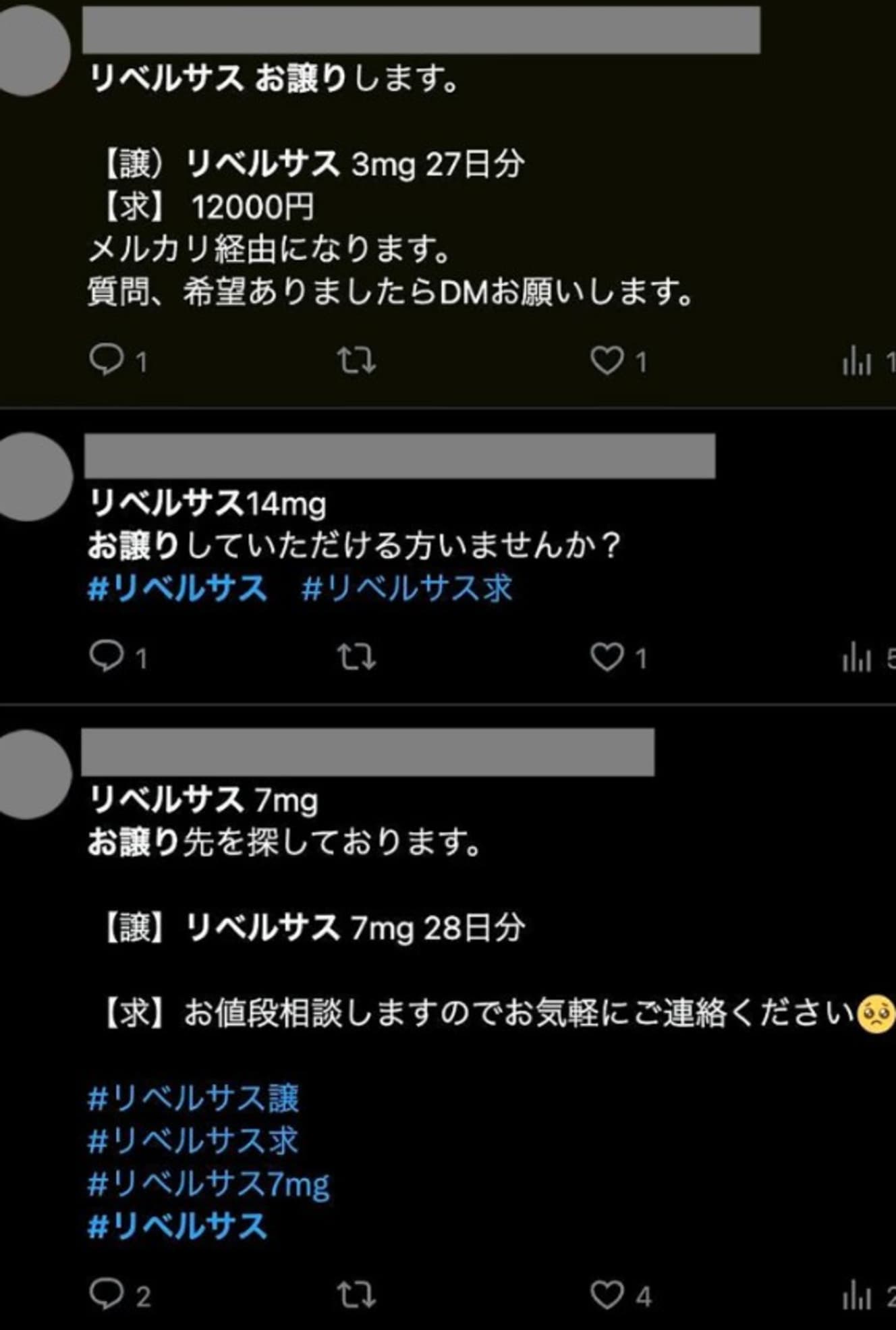
A, quoted earlier, continues:
“In the To-Yoko scene, there are people using Chinese apps who arrange sleeping pills and STD medications, and about a year ago they were giving out Rybelsus as a trial. After taking it, people really stopped feeling hungry and were like, ‘This is definitely going to make me lose weight,’ and users increased rapidly.
But it’s expensive to buy from that person, so now people are buying from vendors through X or TikTok. The price is about 7,000 yen plus shipping for 30 tablets of 3mg. You can pay via PayPay and have it sent to a post office box, so you can receive it even without an address.”
The slimming drugs spreading among To-Yoko kids sometimes cause serious health damage.
“If you take one pill a day, the effect is weak, so girls who want to lose weight quickly take two pills and end up with constant nausea and collapse. Also, if you use it for a long time, your body gets used to it and your appetite comes back normally.
Then you have to increase the dosage, but when it exceeds around 10,000 yen a month, it becomes a lot of money, so some girls start doing ‘uri’ (sex work) to earn money for the drugs. There are also older men who target that and say things like, ‘I’ll give you two months of Rybelsus if you come to a hotel with me.’” (A)
Illegal trade exploiting online medical consultations is rampant
The illicit trade of slimming drugs flourishing in Kabukicho appears to have its roots in underground transactions prevalent within Chinese communities in Japan. A woman in her 30s, identified as B, explains.
“When I tried to get Mounjaro prescribed at a typical cosmetic clinic, I had to undergo consultations every time, and the monthly cost was nearly 30,000 yen, so I hesitated.
Then a Chinese friend introduced me to a pharmacy they always used. The consultation was done remotely, but all they asked were things like my weight, height, current medications, and medical history. It was over in about three minutes.”
At the time, B weighed 47 kg. Given her height of 160 cm, she was already underweight and would not normally be considered a candidate for weight-loss drugs, but she says she was still easily prescribed the medication.
“One month’s supply—four 5 mg pens of Mounjaro—cost 18,000 yen. It’s nearly 10,000 yen cheaper than official channels, and from the second month onward you can buy it without another consultation, which is convenient.
Most customers besides me were probably Chinese, and some were clearly buying quantities far beyond personal use. I think they’re reselling them. Also, the doctor conducting the online consultation spoke Japanese with an odd accent—like someone Chinese speaking Japanese.”
On the Chinese social media app Xiaohongshu (RED), posts frequently appear reporting purchases of GLP-1 receptor agonists in Japan, with captions such as “Bought easily in Chinese” and “Tax-free purchase.” Some even upload photos of large boxes of Mounjaro with claims like direct shipping available.
“Mounjaro does circulate in China, but unlike Japanese products, which come with ultra-fine needles pre-attached, the Chinese version is typically one where you must attach the needle yourself. Because of its convenience and perceived quality control, Japanese Mounjaro is highly popular.
As a result, businesses have emerged that acquire or purchase pharmacies in Japan to source Mounjaro and funnel it into China. Some of these pharmacies are believed to be selling various GLP-1 receptor agonists domestically as well, primarily to members of their own communities, through nominal consultations or even without any proper medical examination,” explains a medical industry journalist.
Of course, all of these practices are illegal. Attorney Hirotaro Kato of the Kato & Togoki Law Office explains:
“GLP-1 receptor agonists, which are prescription drugs, may only be sold based on a physician’s prescription, dispensed by a pharmacist. Without either, it constitutes a violation of the Pharmaceuticals and Medical Devices Act and may result in up to three years of imprisonment or a fine of up to 3 million yen.”
Calls are growing for a crackdown on illegal pharmacies.


Interview and text: Yuuki Okukubo (freelance writer) PHOTO: Takero Yui