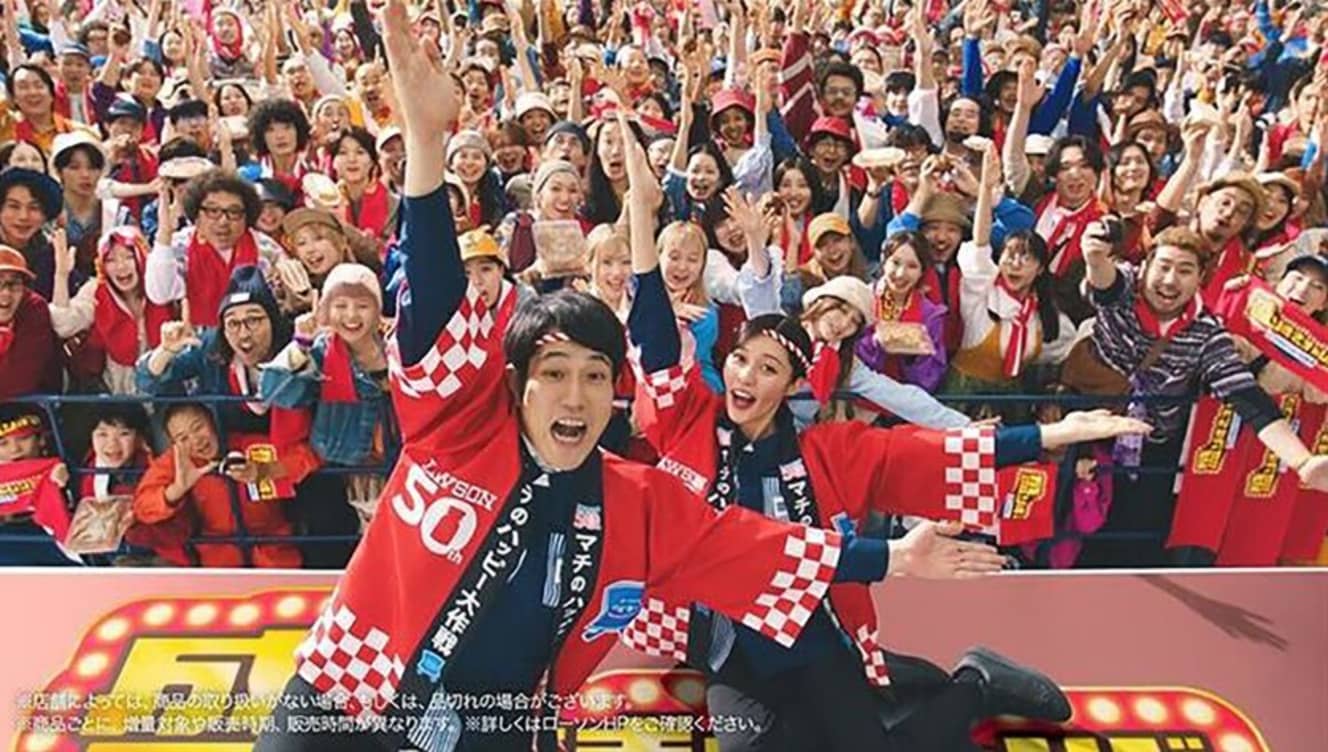
A Study of the Battle of the Convenience Store Bento Boxes…The Unknown Strategies of Lawson and FamilyMart, Aiming to Become Japan’s No. 1 Bento Boutique


What are the new strategies of the three convenience store operators in the age of inflation?
Freshly prepared” may become the trend of the future. Last July, Lawson, which operates about 15,000 stores nationwide, introduced a “pot handling robot” at its Kita-otsuka 1-chome store (Tokyo) as part of its efforts to offer new freshly prepared menus and reduce labor.
Food journalist Junnosuke Nagahama, who visited the store with a FRIDAY reporter, said.
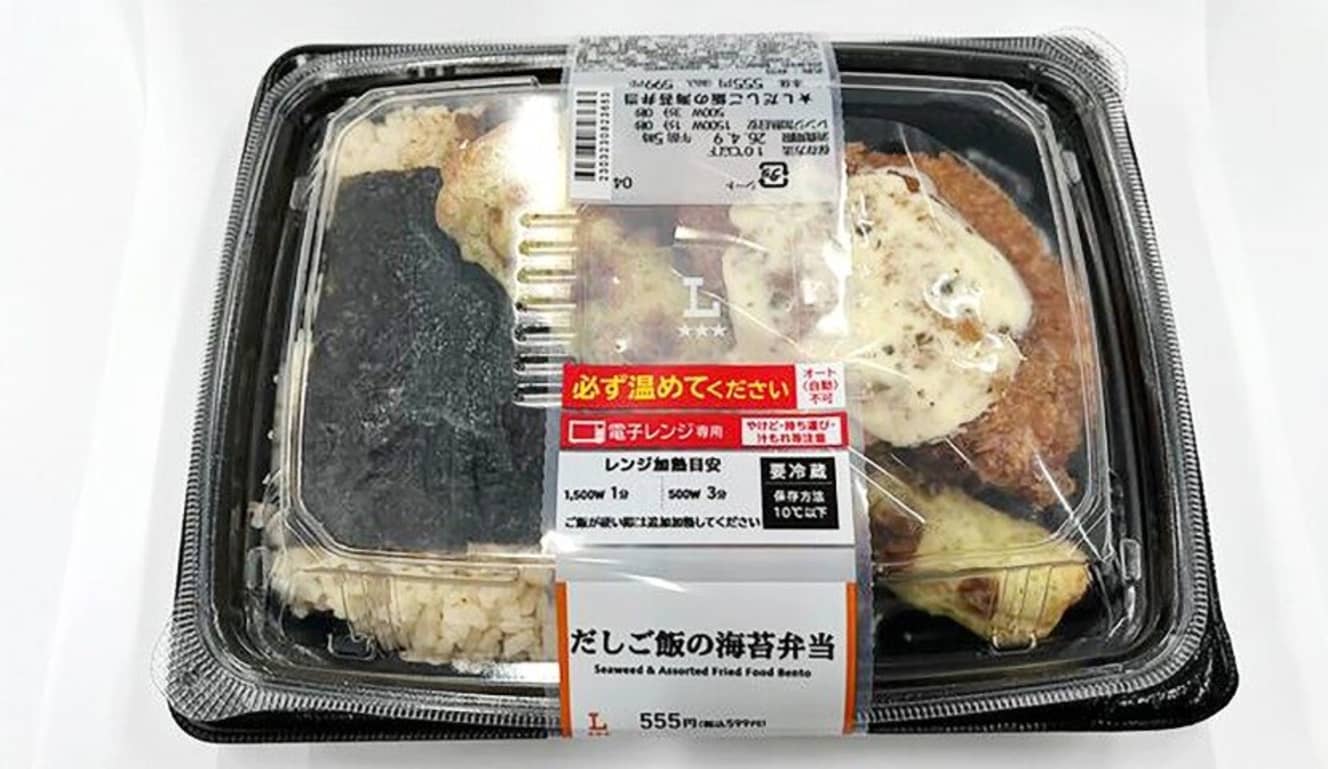
Lawson has introduced in-store cooking (“Machikado Kitchen”) in about 70% of its stores nationwide. The most popular items are deep-fried food and rice bowls that take advantage of in-store cooking, such as the Thick Cut Loin Tonkatsu & Kara-Age Bento (697 yen).
Although the restaurant also sells boxed lunches delivered from its own factory, it is not surprising that customers tend to prefer the freshly prepared items. The cooking robot introduced last year is designed to serve freshly prepared stir-fries.
A touch panel near the entrance displays the menu, allowing customers to choose their favorite item from “Fried Rice,” “Pasta,” “Vegetable Fried Rice,” and “Aged Food,” and observe the cooking process.
When the reporter chooses “Fried Vegetables” (538 yen), the staff puts the ingredients and seasonings into a pot. At the touch of a switch, the pot whirs around like a drum-type washing machine, stir-frying the vegetables together. The crispy texture of the vegetables and the warmth of the freshly cooked vegetables are the most appealing features of this restaurant.
Even if the cash registers are made manpower-saving, staff are still needed to load ingredients and clean the robots, so there are still issues to be addressed before this initiative can be expanded nationwide. However, the concept of ‘eating freshly prepared food at a convenience store’ is not wrong, and Seven-Eleven has also introduced cookers for ramen and other foods in parts of Saitama Prefecture and is conducting test sales”.
The reason behind this is the price hikes associated with inflation. Convenience store bento boxes, once available for one coin, now cost around 700 yen. Many people would rather eat an onigiri (rice ball) or a sandwich than buy an expensive bento.
In fact, sales of onigiri and sandwiches are growing steadily. In fact, sales of onigiri and sandwiches have been steadily increasing, while sales of bento have been falling behind these two and sales have remained at the same level. Onigiri and sandwiches can be purchased in multiples within a budget, so it is easy for people to pick up challenging new products.
On the other hand, if a high-unit-price bento does not please the palate, that lunch will quickly become a failure. Therefore, compared to other commercial products, convenience store lunchboxes have many standard products. The common issue for all companies is how to differentiate their products from the competition,” said Shinji Taya, a convenience store researcher.
Needless to say, Lawson’s differentiation is to provide “freshly prepared” products by cooking them in the store. At stores that have introduced the “Machikado Kitchen,” the “Sangen Pork Cutlet Bowl” (646 yen) is a hot seller.
The cutlet is deep-fried in the restaurant and served with fresh shredded cabbage and a fruity yet refreshing sauce prepared under the supervision of Tonkatsu Maizumi. The cutlet is supported by the rice cooked in the store,” said Hiroaki Watanabe, a consumer economics analyst.


FamilyMart’s focus on hamburgers
FamilyMart, on the other hand, offers lunchboxes that are different from the standard products of its two rivals.
FamilyMart does not offer the usual fried bean curd bento, but instead offers the “3-Color Soboro & Chicken Nanban Bento” (645 yen) and the “Dashimaki Tamago & Karaage Bento” (698 yen, available only in the Kansai region). Even the standard noriben, in the case of Famima, includes mentaiko (cod roe) in the “Mentaiko Nori Bento” (598 yen),” says Mr. Taya, above.
FamilyMart is also particular about hamburgers, a popular product. In recent years, the “Beef Hamburger Bento” (now discontinued) released in 2009 was so popular that the high quality of the product caused a stir on the Internet.
The “Teppan-yaki Hamburger Steak with Rich Demi Sauce” (753 yen), which is currently on sale, is also a superb product. The thick, tender hamburger steak is covered with a rich demi-glace sauce that gives it the richness of beef. I personally feel that the taste is similar to the hamburger steak at “Bikkuri Donkey. The quality is that high.