CUTIE STREET’s Harajuku Kawaii Style Gains Major Attention in Korea, Comment Analysis Shows


《I didn’t understand why K-pop idols change lyrics into Japanese when singing in Japan, but now I understand after seeing cute Japanese girls sing in Korean》
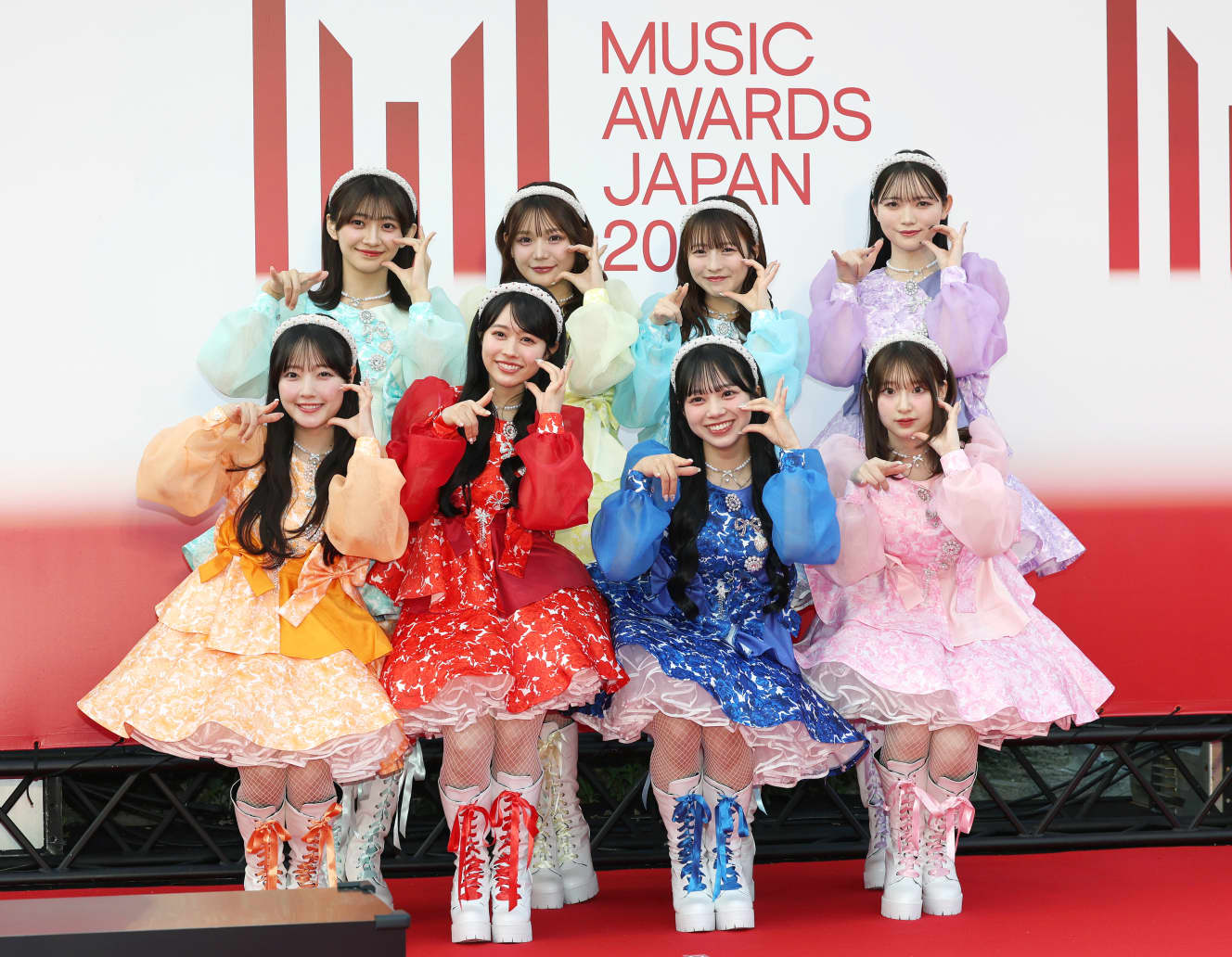
CUTIE STREET, a popular Japanese idol group, appeared on the Korean music program “M COUNTDOWN” in late March. A video of them performing the Korean version of their hit song “Is it not enough just to be cute?” was flooded with enthusiastic comments like the one above.
The day after, streaming numbers surged to about three times the previous day. Their solo concert in Seoul at the end of March sold out immediately, and an encore performance was scheduled for July.
Adaptation sense is outstanding
Why has CUTIE STREET’s signature “Harajuku kawaii” style been so deeply embraced by young people in South Korea, a country known for its world-leading entertainment industry?
To analyze the phenomenon of Japanese culture crossing the sea and even dissolving online conflicts, this magazine interviewed “Tsurezure Laboratory,” which independently analyzed approximately 8,000 multilingual YouTube comments (as of March 28, ’26).
“What is most clearly visible in their YouTube comment section is the surprise and enthusiasm among Korean speakers regarding the choice of language for singing. Recently, K-pop songs have been increasing their proportion of English lyrics, but comments such as ‘There is more Korean in this than in Korean idols’ and ‘More Korean than BTS’ appeared, each receiving over 1,000 likes.”
What also impressed local fans was not a simple translation, but an excellent sense of adaptation.
“For example, words and names from Japan’s Sengoku period, which are unfamiliar to Koreans, were boldly replaced with references such as ancient Greek mythology Aphrodite. Lyrics containing Tokyo place names were reworked into ‘CUTIE STREET Korea expansion.’
This culturally and geographically considerate adaptation was highly praised, earning over 4,400 likes for comments such as ‘It’s not a literal translation but adapted to the situation and it’s amazing.’”
Meanwhile, the most important hook line of the chorus, “Is it not enough just to be cute?”, was intentionally left in Japanese. Interestingly, Korean fans were already familiar with the phrase and posted it in Hangul transliteration as “카와이다케쟈다메데스카? (Kawaidakejya dame desuka?)”, treating it as a symbolic keyword.
This precise localization that respects the other culture, while preserving the core in its original language, was identified as the primary reason for winning over local fans. So how were visuals and concepts received?
“There is a contrast with the Korean idol market. Comments such as ‘It feels fresh to see them competing with pure cuteness, something not found in Korea’ were representative. The most liked comment in the video, with over 7,700 likes, was ‘It looks like cute cupcakes dancing.’”
Interestingly, despite the existence of words meaning cute in Korean, 134 comments still used the Japanese-derived “카와이 (kawaii)” in Hangul transliteration, suggesting that “kawaii” is being accepted not just as a translated adjective but as a uniquely Japanese style recognized by Korean fans.
The comeback story achieved by a popular member
What most moved Japanese fans this time was the presence of popular member “Paltan,” real name Haruka Sakuraba (20). She previously participated in the Japanese version of the Korean survival audition program “PRODUCE 101 THE GIRLS” (commonly known as “Nip Pro”), but was eliminated before debut.
In this show, the surviving debut lineup earns the right to stand on Korean stages. However, she later achieved major success with a Japan-originated “Harajuku kawaii” group and, through her own efforts, made it to the stage of a mainstream Korean music program.
“The story is deeply moving, and Japanese comments such as ‘I can’t believe Paltan made it to a Korean music show through this route!’ received over 7,300 likes.
When it comes to the narrative context of comeback after elimination from an audition program, out of 29 comments containing related keywords, as many as 28 were posted by Japanese speakers. In other words, while the character is loved in both Japan and Korea, the depth of the storyline is largely completed within Japan.”
Finally, Tsurezure Laboratory pointed out a highly contemporary phenomenon in the comment section: “de facto joint action between Japanese and Korean fans.”
In spaces where Japanese and Korean entertainment intersect, it is common for toxic comments comparing cultural superiority to arise. In this case as well, repeated negative posts such as J-pop is at the level Korea was 30 years ago were observed.
However, the fans’ responses to such noise were clearly different from before.
“Among the replies we analyzed, as many as 33.7% (591 comments) were cross-border replies—Japanese comments responded to in Korean, or vice versa.
In threads where anti-comments were posted, Korean speakers responded logically with remarks such as ‘Stop this, it’s embarrassing’ and ‘You don’t understand the difference in concept,’ and Japanese users joined in with comments like ‘How many times are you going to post the same thing?’
Fans from both countries reinforced each other in their respective languages, effectively surrounding and pushing back against anti-comments. Structurally speaking, this can be described as a ‘de facto joint defense.’”
It is neither imitating K-pop nor isolated island culture. The appeal of CUTIE STREET and Harajuku kawaii may be demonstrating a force that effortlessly transcends language and borders, presenting a new form of solidarity in Japan–Korea entertainment.


Interview and text by: Dai Matsumoto PHOTO: Afro