Osaka Shochikuza Shifts From Continued Use to Full Demolition Plan


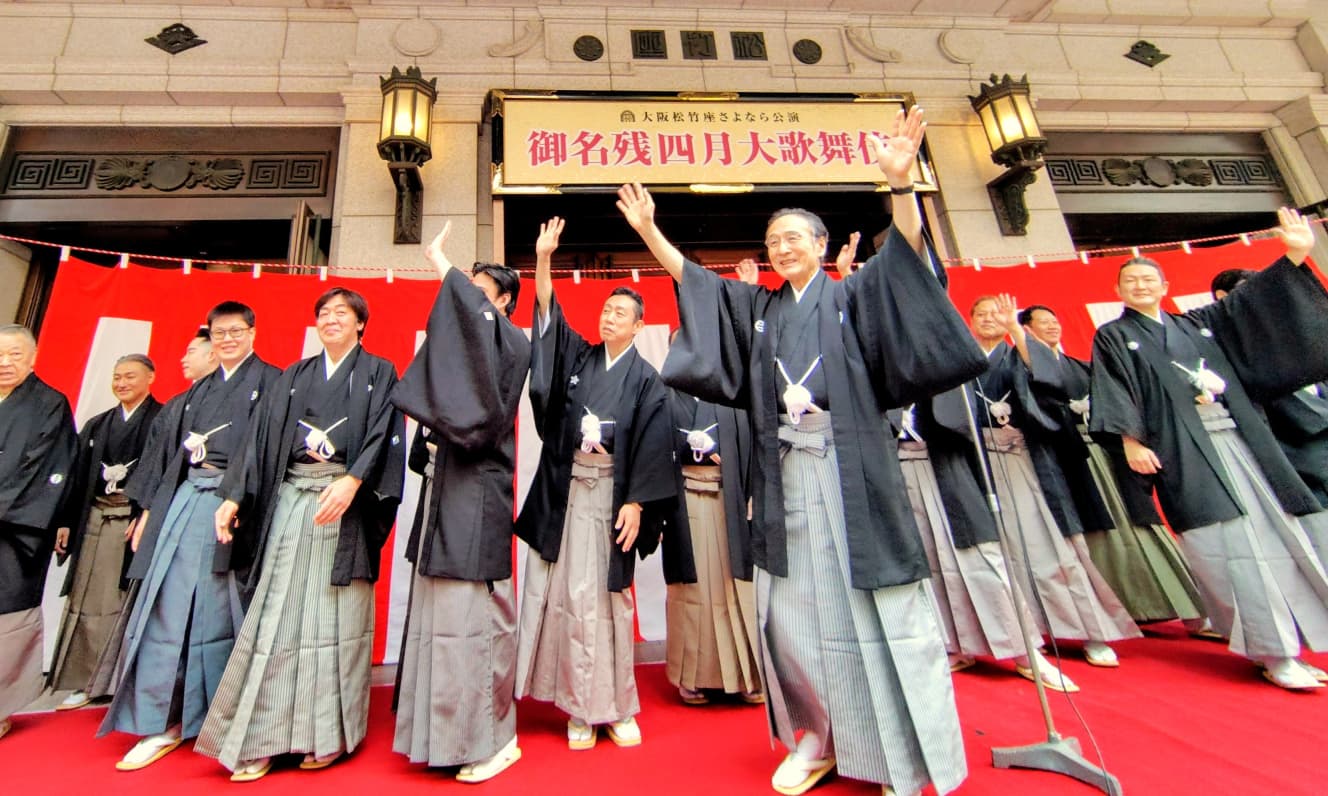
A symbol of Naniwa (Osaka) with over 100 years of history faces disappearance
A shockwave has hit the Kansai region—Osaka Shochikuza is in chaos over what is being described as a countdown to disappearance.
Osaka Shochikuza, a landmark in Dotonbori, Osaka, is a historic theater now facing demolition. Even its elegant main entrance, known as the “Arc de Triomphe of Dotonbori,” is reportedly included in the dismantling plan, sending shock through those involved.
The decision was made at a Shochiku board meeting on April 14. Although the construction timeline is undecided, the direction toward a complete demolition has reportedly been firmly set, leaving little room for optimism.
Osaka Shochikuza was founded in 1923 as western Japan’s first full-scale Western-style theater. Known for its gorgeous Neo-Renaissance architecture, it once flourished as a cutting-edge entertainment venue combining revue shows and films.
It was renovated in 1997 while preserving its grand arch and was reborn as a sacred stage for theater. With two basement levels and eight floors above ground, and a seating capacity of 1,033, it has long served as a stronghold for Kamigata Kabuki, Shochiku New Comedy, the OSK Nippon Revue Company, and Kansai Junior performances—standing at the very center of Kansai’s entertainment world.

However, in August last year, it was announced that the theater would close due to aging facilities. Because the beloved summer tradition of Osaka—the “funenorikomi” (boat procession)—would no longer be held, a special “o-neri” procession featuring Living National Treasure Kataoka Nizaemon (82) and other popular Kabuki actors was held on March 29, enveloping the city in a farewell mood.
Then came an unexpected report that completely changed the atmosphere. On March 31, the Yomiuri Shimbun evening edition reported the possibility of continued operation, sparking excitement among those involved. Hope quickly spread that if Osaka prefectural and city governments stepped in seriously, the building might be preserved in some form, and an optimistic mood took hold.
However, that faint hope was shattered by the latest decision to proceed with demolition—an abrupt reversal from heaven to hell.

Without a doubt, a theater will be built in Dotonbori
“Around Shochiku employees themselves, this reportedly came as a complete surprise. Even the relocation site for the office inside Shochikuza has not been decided, and the situation on the ground is said to be in considerable confusion,” a national newspaper reporter revealed.
Another issue that has surfaced is money.
“It is rumored that the land on which the theater stands is not owned by Shochiku, and that the project was abandoned after an abnormally sharp increase in ground rent was demanded. There are also rumors of the sale of the Shochiku Costumes Building in Osaka’s Honmachi,” the same source said.
As for performances, business has been struggling. It is said that the only shows that consistently sell out and break even are Kansai Junior performances. Even the current farewell production, the “Onagori Grand Kabuki,” has reportedly suffered from unsold tickets due to the high price of 26,000 yen for premium seats, revealing a harsh reality behind the stage.
Meanwhile, Shochiku secured a profit of 5.2 billion yen for the fiscal year ending February 2026. However, what lies ahead is a much larger investment: redevelopment in Tokyo’s Higashi-Ginza district.
By around 2035, the company plans to invest approximately 100 billion yen to rebuild the Tokyu Building area. The project envisions a 30-story complex housing Shochiku’s headquarters, an 800-seat theater, a hotel, and a cinema. Within the industry, voices are being quietly raised:
“In the end, isn’t this just shifting everything away from Osaka and concentrating it in Tokyo?”

Will the light of Dotonbori’s theater district fade, or be reborn in another form?
Nizaemon’s words at the post–o-neri greeting continue to carry weight: “Without a doubt, a theater will be built in Dotonbori.”
“Above all, we hope they avoid the pattern seen elsewhere—creating a token theater inside a commercial complex just to tick a box,” the same source added.
Behind the glamorous façade, a quiet tectonic shift is underway: the centralization of culture. The end of this prestigious theater may turn out to be more than just the closure of a single venue.
Photography and text: Sumiyoshi Suma