One winner! The Mystery of Saizeriya…Why is it still cheap and delicious in the age of inflation?
The latest business report Part 1] Popular with all generations, the restaurant is crowded every day! Milanese Doria" and "Peperoncino" are 300 yen and a glass of wine is 100 yen!


What is the secret of its popularity?
The FRIDAY reporter visited a Saizeriya restaurant in a prime Tokyo location at 4:30 p.m. on a Wednesday evening, when it was still early for dinner. Although there were noticeably empty seats at nearby restaurants, there were already more than 10 groups of customers waiting to enter the restaurant in front of Saizeriya.
About 20 minutes after filling in their names on the waiting list, a waiter called their names and they entered the restaurant. About 180 seats were occupied, and customers of all ages, genders, and nationalities were tucking into the dishes that were being brought to them one after another.
The ” Milanese Doria,” a dish of turmeric rice, rich white sauce, hearty meat sauce, and melted cheese, is as exquisite as any Western-style restaurant in town, and costs only 300 yen, including tax. It is a signature product of Saizeriya, with an average of 100 servings per day per restaurant and 100,000 orders in total at approximately 1,000 restaurants nationwide.
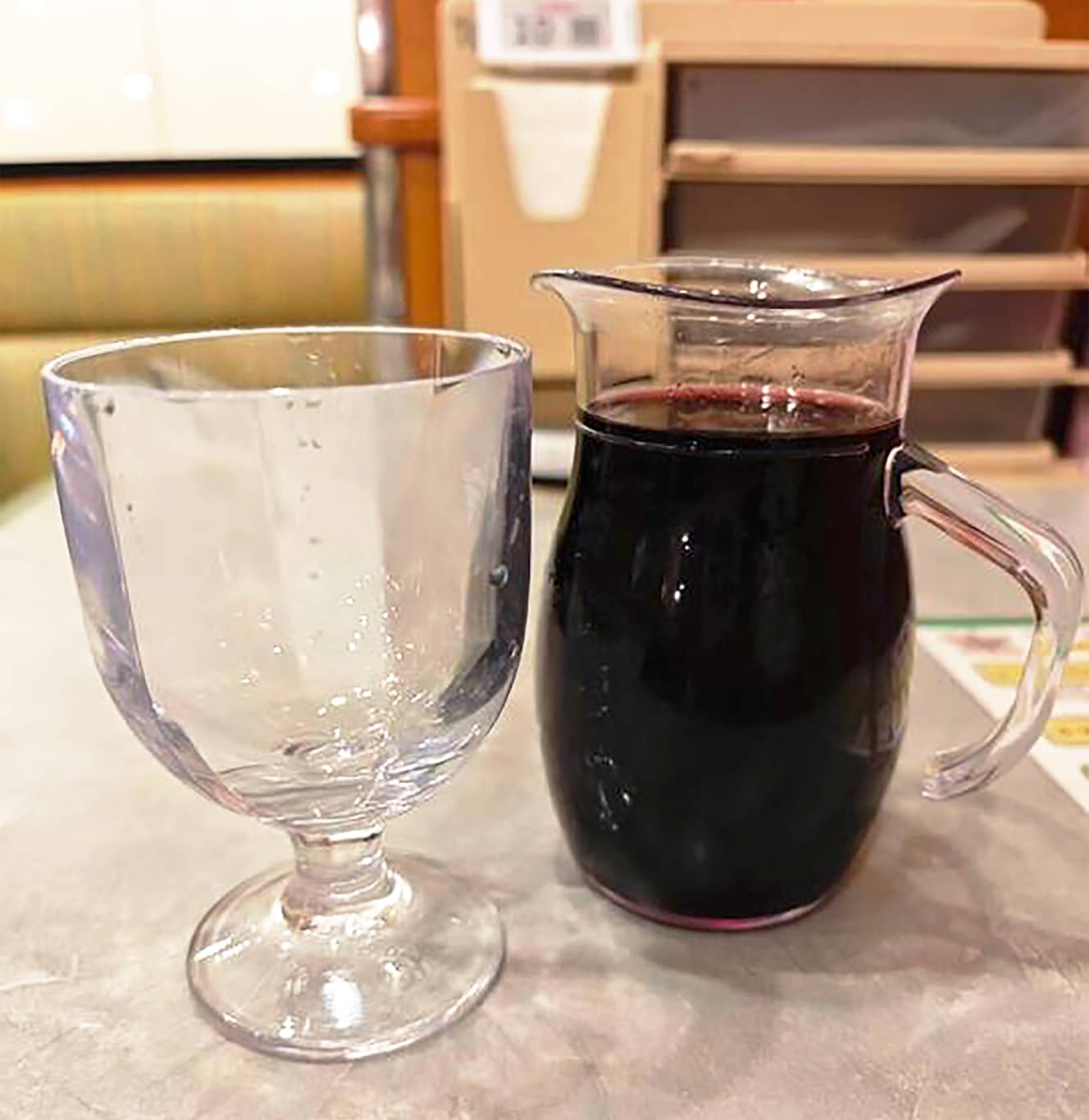
Even if you order a small shrimp salad ( 350 yen) and a glass of wine ( 100 yen), the total bill is a surprisingly inexpensive 750 yen. Food analyst Takao Shigemori, who visited Saizeriya with a reporter, enjoyed a small glass of red wine and “Milanese Doria” and exclaimed, “The price satisfaction is much higher than other family restaurants.
In response to the recent price hikes and soaring raw material costs, companies are raising their prices one after another. For example, Gusto, a major family restaurant, raised the price of about 60% of its menu items by 10 to 20 yen in 2012, raised the price of menu items that use eggs by 10 yen last year, and raised the price of its weekday lunch menu by about 50 yen in February of this year.
Saizeriya, however, has maintained the quality of its food without raising prices under these circumstances. It is understandable that young people who feel that other restaurants have become too expensive are flocking to Saizeriya.
True to Shigemori’s words, Saizeriya has continued to pursue its low-priced policy and is expected to record its highest profits for the third consecutive year in the fiscal year ending August 31, 2012. Prior to this, the company’s stock price hit a record high since its listing in January of this year. The company has continued its “rapid growth without price hikes,” and appears to be the sole winner.
Why on earth is Saizeriya so delicious at such a low price? The first key to solving the question held by “Saizeriya fans” nationwide is “selection and concentration.
A typical family restaurant offers a wide variety of Japanese and Western dishes, but Saizeriya, which is an Italian restaurant, does not do that. We do not offer inexpensive children’s sets, add toys to make children happy, or make sales based on the entire family’s bill. In other words, they reduce the number of ingredients they handle, improve logistics efficiency, and reduce the burden on store employees.
Taking pasta as an example, the restaurant offers a full lineup of standard items such as “Cod Sauce Sicilian Style” (400 yen), “Carbonara” (500 yen), “Sepia Sauce with Squid Ink” (500 yen), and “Peperoncino” (300 yen), but no creative pastas that will surprise you. Still, no one will be dissatisfied with the price, as it is far cheaper than other restaurants. The variety of drinks available at the drink bar is also smaller than at other restaurants, but there is a decent selection of standard drinks, cappuccinos, and espressos, and they are surprisingly inexpensive at 300 yen for a single item or 200 yen if ordered as a set with a dish.
Such a strategy is a double-edged sword, as it can easily create an image of “cheap or bad. However, Saizeriya, while narrowing down its menu, is at the same time offering a “big play” to please its customers, such as unlimited use of extra virgin olive oil imported directly from Italy.
Eliminate waste to the fullest
What is discarded is discarded, and what is focused on is focused on. This is what supports Saizeriya’s thin-margin, high-turnover management. This “selection and concentration” is not limited to menu variations, but is also thoroughly implemented in restaurant operations. Restaurant producer Mitsuhiko Suda explains.
The food is prepared in the central kitchen and delivered to the stores in individual packages, so all the employees have to do is heat it up as needed, open the packages, and put it on their plates. There are not even any knives in the kitchen, and when creating a new menu item, the company is so particular that it begins by manufacturing the appropriate machine for the preparation. Yasuhiko Masagaki, the founder of Saizeriya, said, “Good food does not sell. As Yasuhiko Masagaki, the founder of Saizeriya, said, “What sells well is what tastes good.” Rather than cooking food in stores, Saizeriya specializes in providing customers with more and higher quality food in a stable manner. In a way, Saizeriya is a food distributor, not a restaurant.”
The biggest expense in operating a restaurant is labor, but Saizeriya also eliminates waste.
The company has introduced a self-checkout system, and customers are increasingly finishing their meals with little or no contact with the staff. The company does not use tablets for ordering because they are expensive to maintain, and has introduced a QR code style where customers use their smartphones to place their orders.
Saizeriya, on the other hand, is particular about its menu book. Many restaurants tend to simply arrange pictures of the same size, making it difficult to tell which items are for sale, but Saizeriya has devised a way to show popular items at a glance by listing “Milanese Doria” and “Small Shrimp Salad” in large sizes,” he said.
Saizeriya does not advertise, run campaigns, distribute discount coupons, or develop products in collaboration with famous restaurants. The company used to issue 2,000-yen meal coupons to shareholders holding 100 or more shares, but it discontinued this program at the end of August 2011 and switched to cash dividends to reduce the burden of shipping costs.
The second part is here] Saizeriya is popular among all generations and is crowded every day! Why it’s delicious while remaining inexpensive!



From the April 17/24, 2026 issue of FRIDAY