Osaka Metropolis Plan Revival Fuels Split Within Ishin as Anti-Yoshimura Faction Emerges


Information warfare using the media
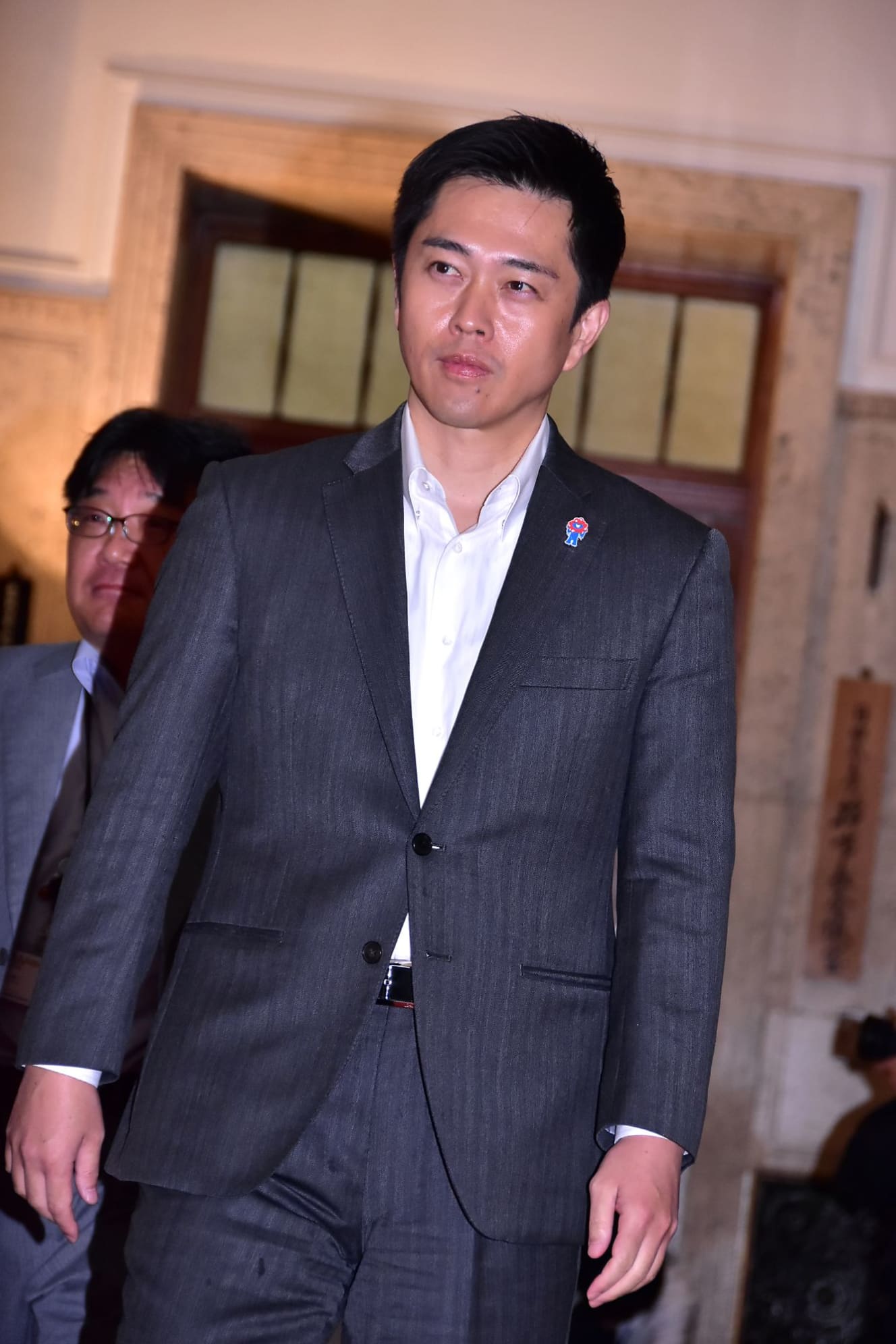
Tensions are emerging within the Osaka Ishin no Kai over the third attempt to determine the fate of the Osaka Metropolis Plan proposed by party leader Hirofumi Yoshimura (50). The Osaka city assembly group within Ishin opposed the submission of a bill to establish a statutory council in March, resulting in the proposal being shelved. Even though Osaka Mayor Hideyuki Yokoyama (44) attempted to mediate between the city assembly members and Yoshimura, the rift between the two sides did not close.
In April, when Yoshimura suggested that a referendum on the Metropolis Plan could potentially apply to all residents of the prefecture, the city assembly group hardened its stance even further. At town hall meetings for Osaka citizens that began on April 5, skeptical voices regarding the plan were already being raised.
The uneasy atmosphere within Ishin began on March 4, triggered by media reports leaking a private dinner meeting between members of the city assembly opposing the early establishment of the statutory council and former party leader Ichiro Matsui (62). Also reportedly present were senior Ishin figure Hidenori Inoue (54) and Upper House member Tasuku Okazaki (58), both from the party’s veteran ranks. A member of the Osaka Ishin no Kai explained:
“It was supposed to be a closed-door meeting, but some media outlets were already waiting. Matsui also has a cautious stance toward the early establishment of the statutory council and still holds influence within the party. The leak seems intended to create the impression that there is strong opposition within the party.
However, rather than directly criticizing the current leadership, Matsui reportedly acted as a listener at the meeting, calmly hearing out the strong objections from some city assembly members. He may have been acting as a coordinator trying to prevent a party split.”
A few days after this meeting, Matsui commented in an interview with MBS that the city assembly’s argument is more logically consistent, and also referred to Yoshimura:
“I think things should be more open. It’s not right for decisions to be made by a few people and then others are told, ‘If you don’t follow, you’re not really part of Ishin.’ I understand that Yoshimura is working hard, but you end up thinking, ‘Aren’t we supposed to be comrades?’ This didn’t happen even under Toru Hashimoto. Things were handled in a much more open and transparent way back then.”
This current turmoil stems from the snap double election held in February to determine whether to proceed with a third attempt at the Osaka Metropolis Plan. From the beginning, uneasy voices had already been rising within Osaka Ishin no Kai.
A prefectural politics reporter for a national newspaper explained:
“Even party headquarters staff were caught off guard by the revival of the Metropolis Plan and said they only learned about it through the media. Most members of the national Diet group and even the Osaka city assembly group were not informed in advance. It was essentially a unilateral decision by Yoshimura and Yokoyama. Since around the Upper House election last summer, the word dictatorship has increasingly been heard. Ishin’s policies have always been top-down, but the Yoshimura administration is the least communicative in its history, and that is further fueling internal backlash.”
Wanting to push Yoshimura out
establishment of the statutory council was postponed twice, in January and March. If it is not approved in the May city assembly session and the subsequent prefectural assembly session, Yoshimura’s goal of holding a referendum by next spring would collapse. That outcome would then support the opposition’s narrative that it would be a clear failure that calls Yoshimura’s leadership into question.
Amid this situation, a new proposal suddenly emerged to expand the referendum’s scope to the entire prefecture. In response to Yoshimura’s remarks, City Assembly Secretary-General Takemoto Takashi criticized the sudden expansion, telling reporters:
“We were trying to proceed carefully, and then suddenly the scope of the discussion expanded.”
A member of Osaka Ishin no Kai commented bluntly on the turmoil within the party:
“There is a faction that wants to push Yoshimura out of Osaka City and prevent him from moving into national politics.”
However, Yoshimura is not the only one displaying what critics describe as authoritarian behavior within Ishin.
In the next article, “[It’s dictator vs. dictator: Osaka Metropolis Plan exposes a power struggle driven by self-interest within Ishin and the city assembly],” we will report on the intense internal struggle taking place behind the scenes of the Metropolis Plan.
PHOTO: Takeshi Kinugawa