Tired of Korea, Hawaii Too Expensive Travel Pros Reveal 7 Best High-Value Overseas Destinations Now


In addition to the weak yen and rising prices, escalating tensions in the Middle East—including attacks on Iran—are putting further pressure on overseas travel for Japanese tourists. The long-used cheap Europe flights via the Middle East have been heavily affected, making Europe even more of a luxury destination. Hawaii and mainland U.S. are out of reach due to high prices, while China still carries geopolitical and detention risks.
Meanwhile, some say “South Korea and Taiwan are already enough,” and others feel “Thailand, Malaysia, Vietnam, and other Southeast Asian countries are already overdone.” In this context, which countries are now emerging as hidden gems for travel?
Having visited over 60 countries—including the Bahamas, Maldives, Palau, Malibu, Los Cabos, Dubai, Hawaii, Niseko, Kyoto, and Okinawa—and having expertise in both domestic and international resorts, Takahashi Katsunori, representative of Malibu Japan and author of the new book “Ultra-wealthy people don’t need hospitality” (Kodansha+α Shinsho), introduces the “Top 7 overseas travel destinations you can’t go wrong with,” which meet the criteria of safe, direct flights available, and good value.
The disappearance of cheap Europe flights
Due to the weakening yen, overseas prices for Japanese travelers have effectively risen significantly, making international travel far more expensive than a few years ago.
In addition to the weak yen and rising prices, the current escalation of tensions in the Middle East due to attacks on Iran is also having a major impact on Japanese overseas travel. Rising crude oil prices caused by worsening conditions in the Middle East have led to higher airfare, including fuel surcharges.
A particularly major blow is the disappearance of the once trick route for Japanese travelers: cheap flights to Europe via the Middle East. Airlines using hubs such as Qatar, Dubai, and Abu Dhabi were popular because they offered relatively inexpensive routes to Europe. However, due to increasing safety risks across the Middle East following escalating Iran-related tensions—including reports of damage near Dubai International Airport—flight suspensions and schedule changes have been increasing.
As a result, airfare has risen further, and Europe is becoming an even more distant luxury for many Japanese travelers.
Even Hawaii, once the king of overseas travel, is suffering from high prices
Even if Europe is no longer an option, Hawaii has traditionally been the go-to destination for overseas travel. However, hotel and food prices in Hawaii have surged due to the weak yen, and even a few days’ stay can now easily cost several hundred thousand yen.
The same applies to the U.S. mainland, including Los Angeles where Shohei Ohtani is active. In many urban areas, prices are nearly twice those in Japan, making it no longer an easy destination for many travelers, similar to Europe.
Standard Asian destinations are already visited too many times
South Korea and Taiwan remain popular due to proximity, but many repeat travelers say they have already been there multiple times. The same applies to Southeast Asia—Thailand, Vietnam, Singapore, and Malaysia remain attractive, but some feel the novelty has faded.
As for China, while business travel is recovering, concerns remain about geopolitical tensions and the risk of Japanese nationals being detained. As a result, compared to pre-COVID times, very few Japanese travelers are actively choosing China as a tourist destination.
So in a situation of weak yen and geopolitical risk, where can travelers still enjoy satisfying overseas trips?
Considering safety, novelty, direct flights, and affordability, the following section introduces the “Top 7 overseas destinations to watch” that are expected to gain attention going forward.
7 great-value destinations to target now
【No. 7】Uzbekistan: “Blue City” at half the price of the West
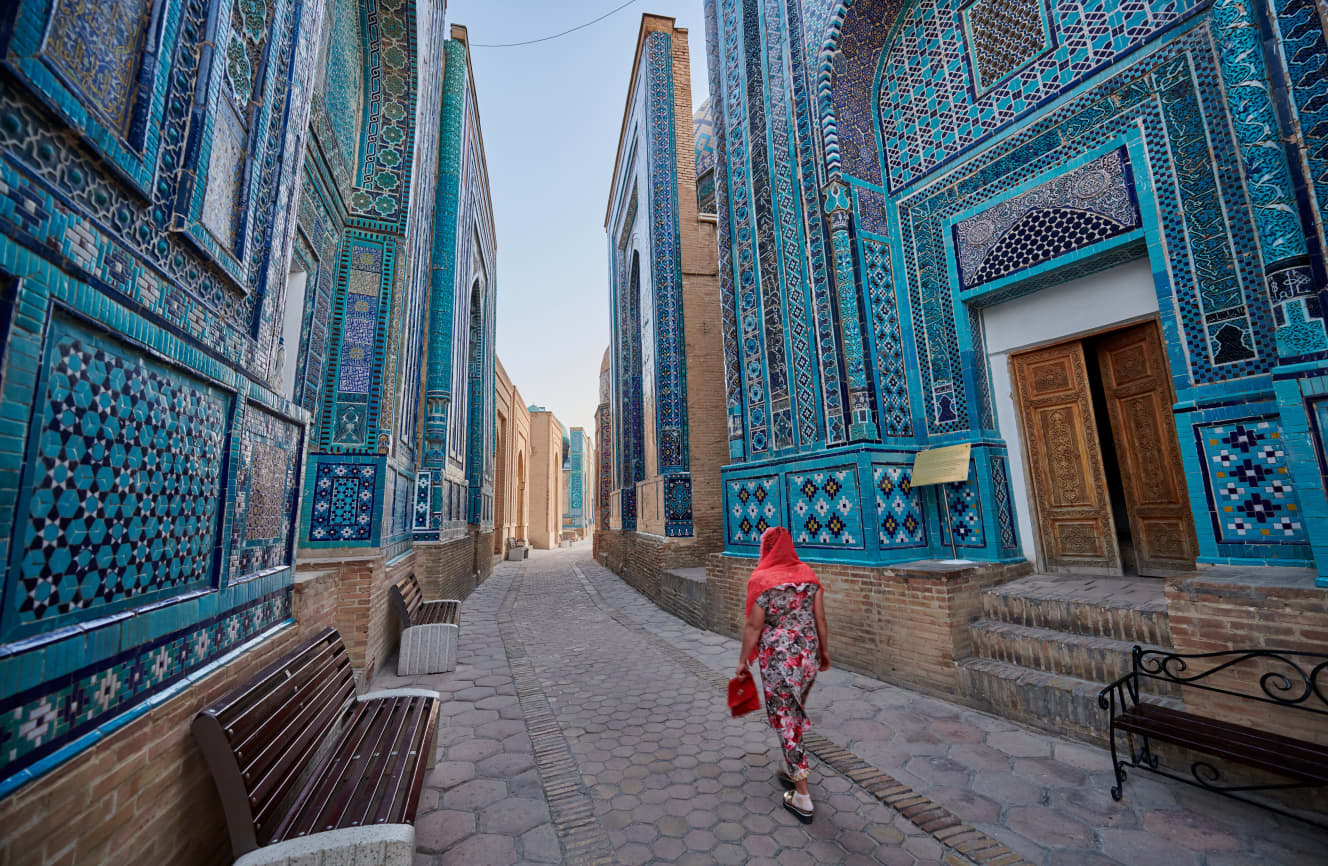 The intricate tilework decorated with lapis lazuli and turquoise-like stones adorning the walls is praised as “Samarkand Blue,” and its delicate craftsmanship is overwhelming to viewers.
First on the list is Uzbekistan in Central Asia. It is a country that retains strong traces of Silk Road history, yet still sees relatively few Japanese tourists. Cities such as Samarkand and Bukhara are filled with magnificent Islamic architecture decorated with blue tiles, creating a dreamlike landscape that has earned it the nickname “Blue City.”
Prices are relatively low, and hotel and dining costs are often less than half those in Europe or the U.S. Direct flights from Japan are also available, making access more convenient than before.
【No. 6】Nepal: Affordable “Roof of the World”

Nepal is a mountainous country in the Himalayas, home to Mount Everest, the world’s highest peak, and is popular among travelers seeking trekking and nature experiences. The capital Kathmandu is rich in historic architecture, offering a unique atmosphere where Buddhism and Hinduism coexist.
In fact, there are direct flights from Japan: Nepal Airlines operates three flights weekly from Narita to Kathmandu, taking about seven hours. Low prices are a major attraction, allowing even long stays at modest budgets. It is supported by a wide range of travelers, from backpackers to hikers and serious mountaineers.
【No. 5】Sri Lanka: Floating palaces and nature
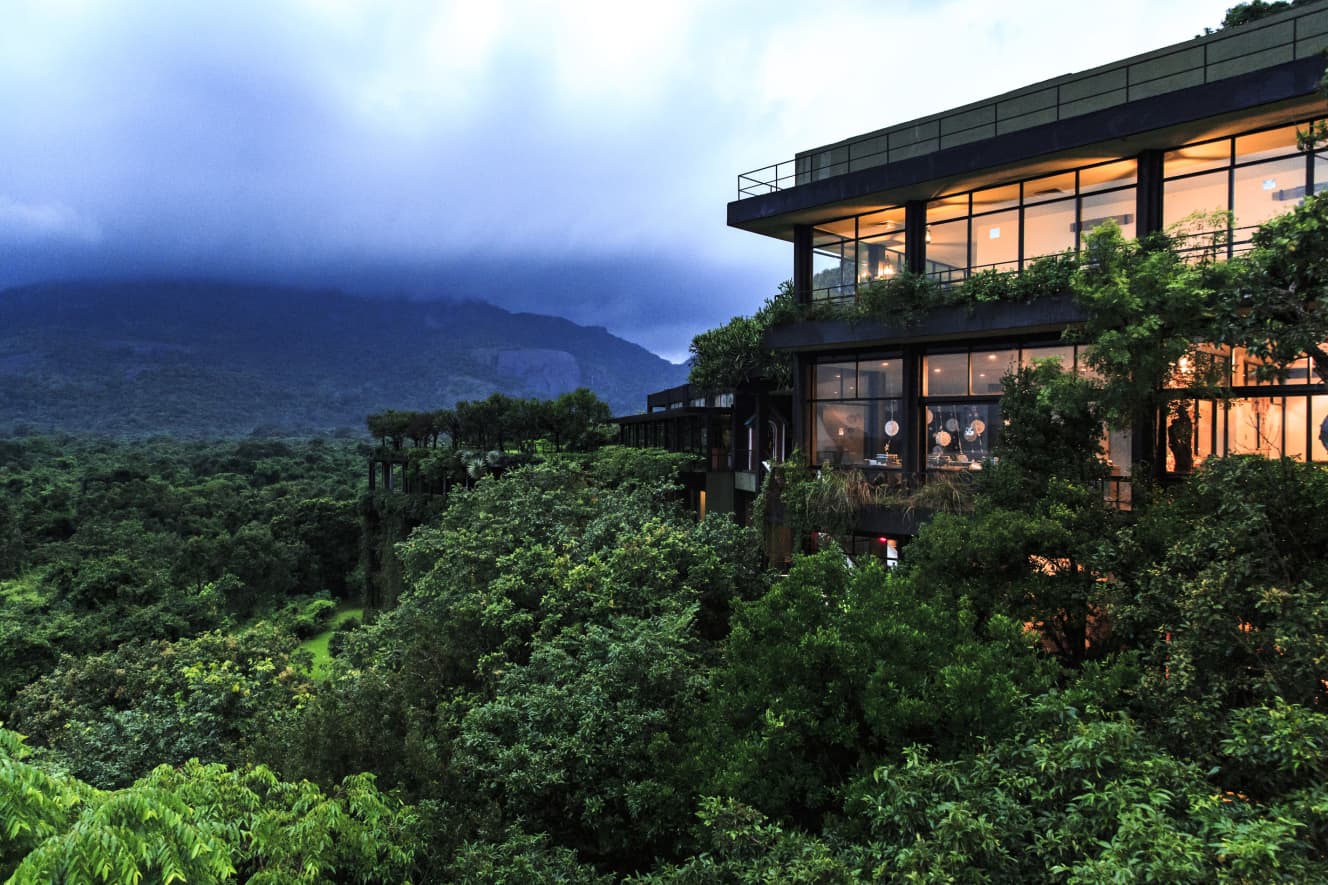
Sri Lanka is a Buddhist country known for its safety and rich natural environment. In addition to city sightseeing in Colombo and Kandy, one of the highlights is Sigiriya Rock, the ruins of a sky palace perched atop a massive rock formation emerging from the jungle. The Geoffrey Bawa-designed “Heritance Kandalama” hotel is also famous.
It is about nine hours from Japan by direct flight, making it one of the safer travel destinations. However, due to its rising popularity in recent years, travel costs have significantly increased compared to before.
【No. 4】India: Ultimate non-ordinary experience

India is a country with extraordinary cultural and historical depth, attracting travelers with world heritage sites such as the Taj Mahal. In recent years, with the rise of the IT industry, major cities like Bangalore have seen a rapid increase in modern luxury hotels, contemporary restaurants, and massive shopping malls. Traditional spice cuisine, authentic Ayurveda treatments, and yoga experiences are also major attractions.
Prices are relatively low, making it suitable for long trips. Direct flights from Tokyo (Narita and Haneda) to Delhi and Mumbai are frequent, with flight times of about 10 hours. While concerns such as safety, hygiene, noise, and chaos exist, even those elements are absorbed into the country’s overwhelming energy and vitality—offering a powerful extraordinary experience unlike anywhere else.
【No. 3】Brunei: A wealthy country with excellent safety

Brunei is a relatively little-known monarchy in Southeast Asia, but it is one of the world’s wealthiest countries thanks to abundant oil and natural gas. It is extremely safe, and visitors can experience Islamic culture and the Brunei royal family through luxurious mosques and palaces, as well as Kampong Ayer, one of the world’s largest water villages, accessible by water taxi.
It is also home to one of only two so-called “7-star” hotels in the world, The Empire Brunei. As a tourist destination, it is still uncrowded and has direct flights available, making it suitable for those who want to enjoy a quiet trip. However, since it is an Islamic country where alcohol is not sold and there are relatively few attractions, some may find it a bit boring.
【No. 2】Palau: A tropical paradise cheaper than Hawaii

Palau is a familiar tropical resort for Japanese travelers and remains a pro-Japan country with historical ties from the former Japanese mandate era. Its beautiful seas and rich nature make it popular among divers and snorkeling enthusiasts.
Direct flights are being restored by United Airlines from October 2025, taking about 4.5 hours.
In 2015, Emperor Emeritus and Empress Emerita (then Emperor and Empress) also visited Peleliu Island, a fierce World War II battleground, which still has many war relics and memorials worth visiting.
Compared to Hawaii, Guam, and Saipan, Palau is less affected by high prices and crowds, making it a strong option for those seeking an untouched tropical paradise.
【No. 1】Mongolia: 5.5 hours direct flight to vast nature
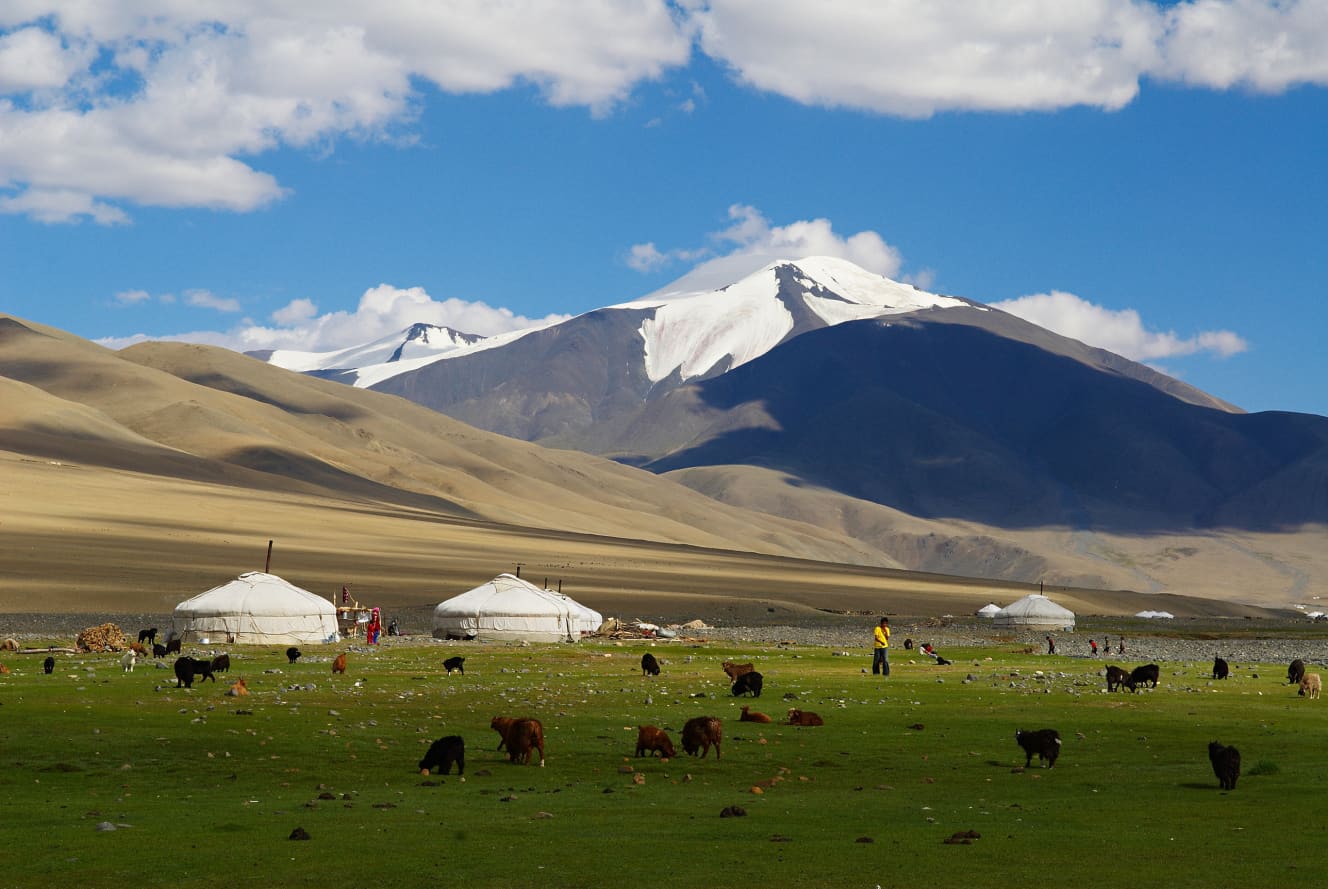
Mongolia is only about 5.5 hours from Narita to Ulaanbaatar by direct flight. Its biggest appeal is its endless grasslands and living nomadic culture. Staying in traditional mobile dwellings (gers) while viewing unobstructed horizons and star-filled skies is a unique experience impossible in urban environments. The Chinggis Khaan National Museum allows visitors to learn deeply about the history of the Mongol Empire.
In recent years, infrastructure in Ulaanbaatar has improved, with stylish cafés and cashmere shops becoming more common. The combination of horseback riding in vast nature and comfortable urban stays is also appealing. With relatively low costs compared to Japan, Mongolia is considered a strong travel option.

Find your own hidden gem
Unfortunately, it is likely that unstable exchange rates and global conditions will continue for the foreseeable future. For Japanese travelers, overseas travel is gradually becoming less of a casual leisure activity than before.
However, by shifting perspective, there are still many attractive countries beyond expensive Western destinations and overcrowded Asian hotspots.
The joy of overseas travel has not disappeared. From perspectives such as safety, direct flights, novelty, famous attractions, and affordability, travelers are encouraged to search for their next destination.

Interview and text by: Katsuhide Takahashi
Representative Director of Malibu Japan Co., Ltd. and Specially Appointed Professor at Graduate School of Project Design, Graduate School of Business Administration. After working for Mitsubishi Bank, Citigroup Securities, Citibank, and others, he established the company in 2013. He has visited more than 60 countries around the world. He is an expert on resorts in Japan and abroad, including the Bahamas, Maldives, Palau, Malibu, Los Cabos, Dubai, Hawaii, Niseko, Kyoto, and Okinawa. He graduated from Keio University in 1993 with a bachelor's degree in economics and received a master's degree in economics from Aoyama Gakuin University in 2000. His many publications include "Bank Zero Era" (Asahi Shimbun Publications), "Why Niseko Only Became a World Resort" (Kodansha + alpha Shinsho), "The Extinction of Regional Banks" (Heibonsha), and "Super Rich People Don't Need 'Hospitality'" (Kodansha + alpha Shinsho).
PHOTO: Afro