JR’s ¥600 Billion Urban Projects Show Strong Momentum, Yet Concerns Persist Over Long-Term Viability


Scale like Dubai
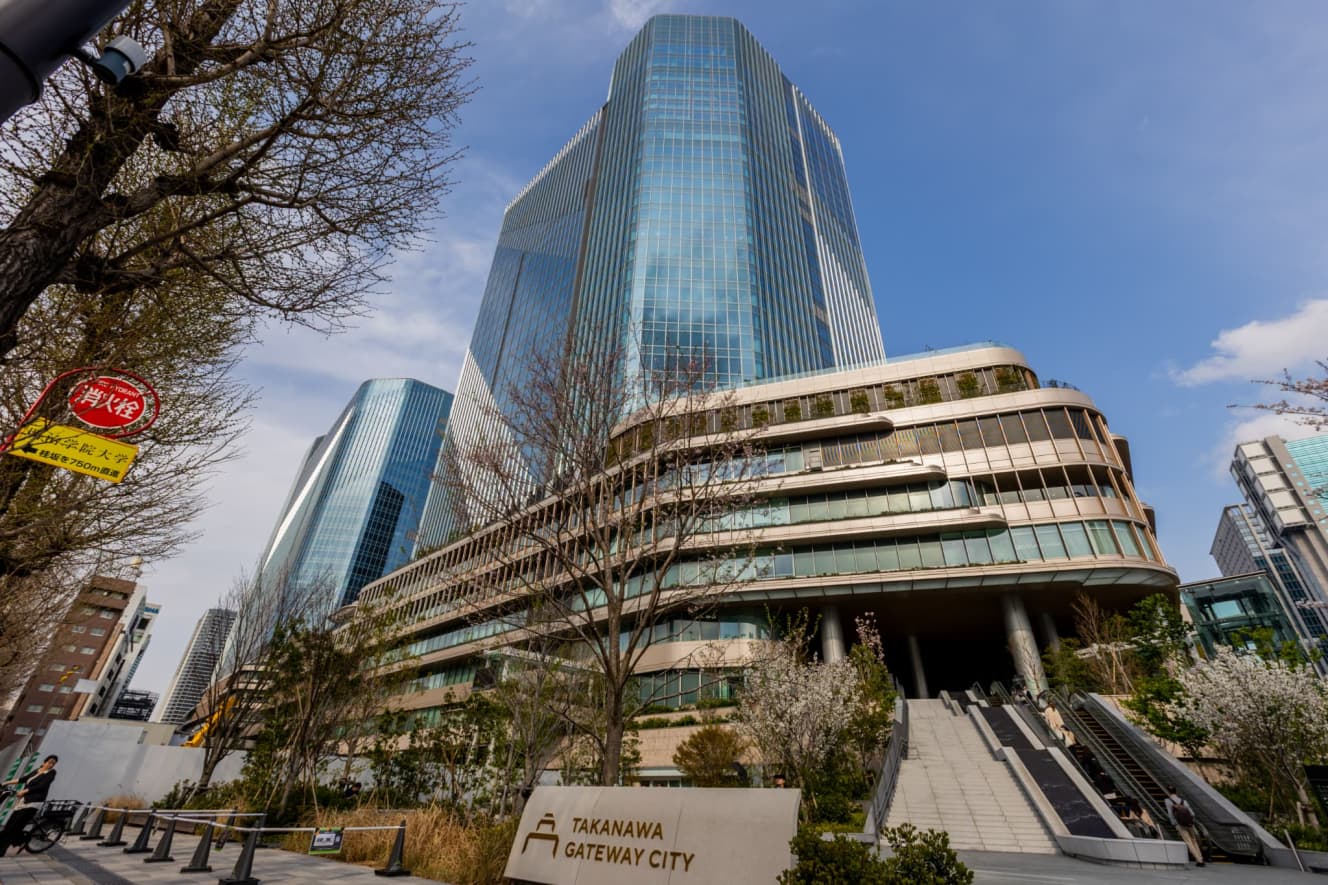
On March 28, two large-scale mixed-use commercial facilities—“Takanawa Gateway City” (height 166m, 31 floors above ground, total floor area 845,000㎡) and “Ōimachi Tracks” (height 112m, 26 floors above ground, total floor area 250,000㎡)—were fully opened simultaneously.
These two buildings, located about 4 km apart, are both part of major redevelopment projects by JR East, with a total construction cost of approximately 600 billion yen. The sites of the former Shinagawa rail yard (Takanawa) and the historic Ōi workshop, where railway maintenance and assembly were carried out (Ōimachi), have been transformed into massive structures.
JR East promotes this new landmark under the concept of a richer life 100 years into the future, and how visitors perceive it is drawing attention. In late March shortly after opening, a FRIDAY Digital reporter visited the site.
Exiting Takanawa Gateway Station, the 166-meter-tall “Takanawa Gateway City” immediately comes into view. Inside the building are coffee stands, a wide variety of restaurants (Japanese, Western, and Chinese), a convention hall, and a luxury hotel with rooms costing over 100,000 yen per night.
A man working in the IT industry, looking up at the towering building from the station exit, commented:
“Shinagawa already has many skyscrapers, but the scale here is on another level. The glass buildings stretch endlessly—it feels like Manhattan or Dubai (laughs).”
Although restaurants were bustling with families and businesspeople due to the weekend opening period, some areas were noticeably quiet. In the luxury brand zone “NEWoMan Takanawa” inside Takanawa Gateway City, there were very few visitors. The space felt oversized, almost underutilized. A woman in her 20s commented:
“I came because it was trending, but it’s mostly luxury brands like Hermès and Chanel, nothing for everyday use for people my age. The cosmetics area is so full of perfume smell that I actually felt a bit sick. The building is too big to cover in one day, and I ended up just sitting on benches to rest. It’s exhausting just walking around. Honestly, once is enough—I don’t feel like coming back soon.”
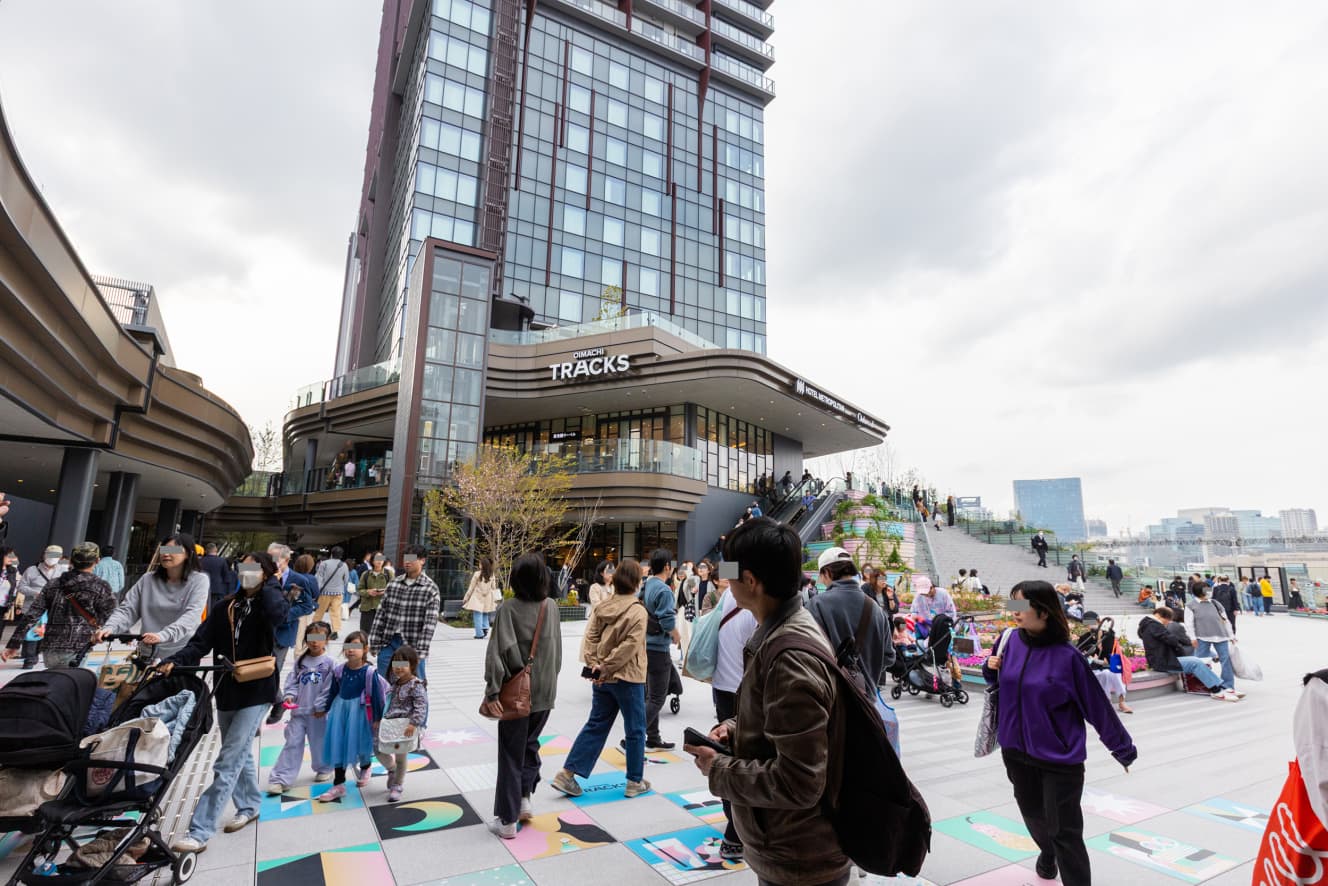
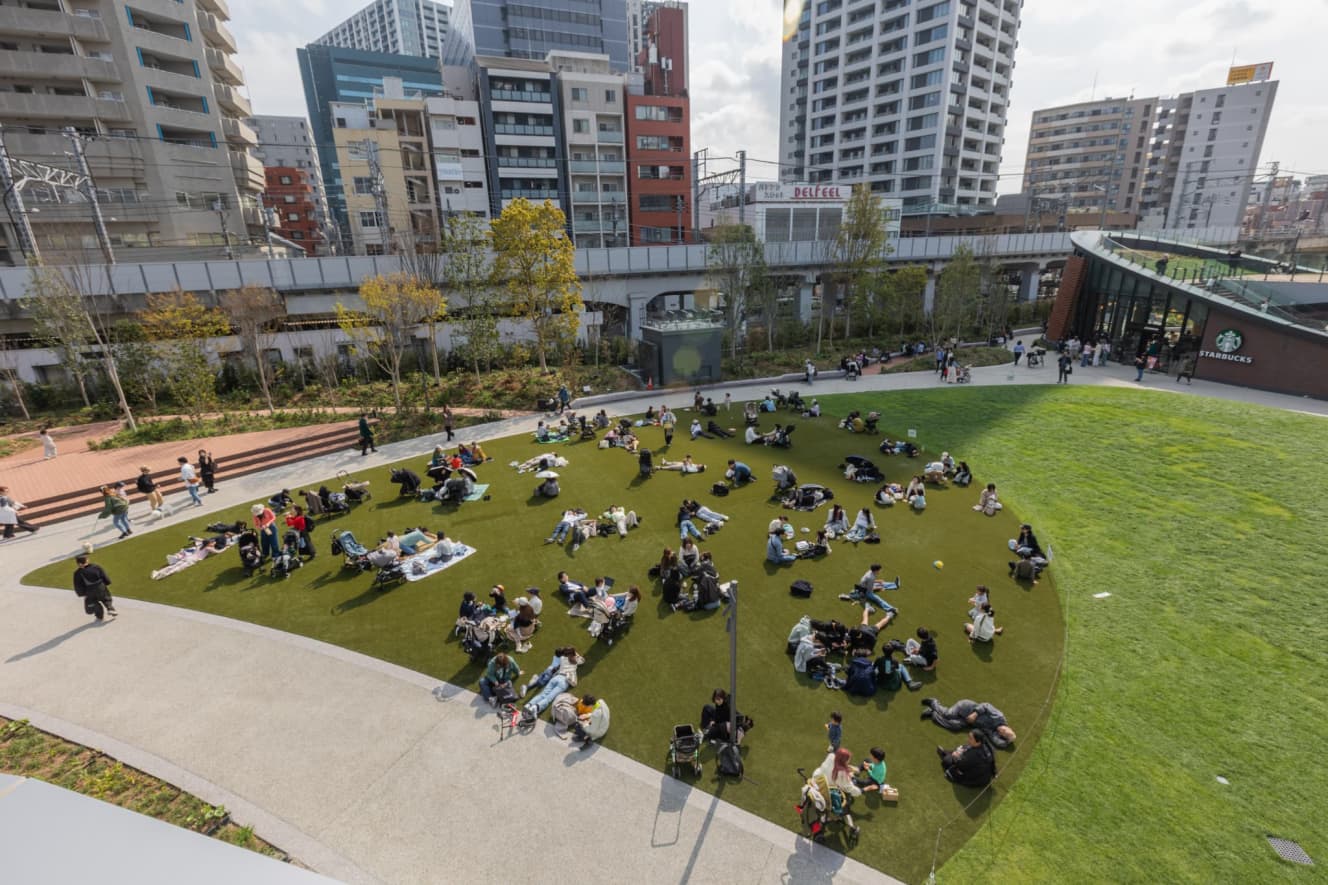
Meanwhile, “Ōimachi Tracks,” located in front of Ōimachi Station in the same Shinagawa area, was crowded with visitors. In the grassy plaza inside the facility, families could be seen relaxing and playing with their children. Many restaurants had long queues, showing clear popularity.
“Takanawa feels luxurious, but Ōimachi is more affordable and accessible. Right now it’s just too crowded—it’s total chaos (laughs),” said a man in his 20s.
A redevelopment of anything goes
However, the completion of “Ōimachi Tracks” is not welcomed by everyone. A 64-year-old man who said he used to visit the area frequently with a camera when it was still a railcar factory stood frozen in front of the building.
“It feels like the scenery changed overnight. I loved coming here so much, but it feels like I’ve arrived in a completely different place it’s a bit lonely.”
A man in his 30s, a local resident of Ōimachi, also expressed mixed feelings, saying, “This isn’t the Ōimachi I know.”
“I understand how impressive a 600-billion-yen redevelopment is. But it’s so far removed from the old alleyway bars and shopping street atmosphere we grew up with. As someone from the area, it doesn’t feel like my town anymore. I feel uneasy about whether this huge building can really fit with the old, good Ōimachi we loved.”
Behind the bustling success, there is also a sense of discomfort among local residents. How do real estate professionals view “Takanawa Gateway City” and “Ōimachi Tracks”? Hiroyuki Makino, president of Oraga Soken Co., Ltd., who specializes in real estate business, analyzes it as follows:
“This is a very natural strategy to increase real estate revenue in addition to their core railway business. Leveraging strengths such as access to Haneda Airport and the future Shinkansen/linear rail hub, this development effectively redefines the Shinagawa area as the ‘Greater Shinagawa Zone’—and the timing is excellent. Key anchor tenants such as KDDI and Mitsubishi Electric System & Service have already been secured, so there is no need to be overly concerned about profitability.”
However, what makes sense as a business does not always translate into what makes sense for a city. Makino continues with a warning:
“This is something common to large-scale redevelopments in recent years—they are all anything-goes mixed-use complexes. ‘Takanawa Gateway City’ and ‘Ōimachi Tracks’ are no exception; everywhere you look, you see the same kinds of tenants, and personally I felt no particular excitement.
We are seeing uniform skyscrapers such as Shibuya’s Sakura Stage and Azabudai Hills being built everywhere. Distinctiveness—things you can only experience in that specific neighborhood—is steadily disappearing. Shibuya, Shinjuku, and Shinagawa are all becoming increasingly identical.”
He also gives a harsh outlook on the future of both Takanawa and Ōimachi:
“For about a year after opening, curiosity-driven visitors will come. But in the second and third years, foot traffic may suddenly drop off. This is a phenomenon seen in many redevelopment projects, including Shibuya. Luxury brands and high-end hotels only create initial buzz. Without measures to make these facilities beloved by local residents, long-term vitality cannot be expected.”
The massive 600-billion-yen transformation—will it end as a fleeting spectacle, or become a defining face of Tokyo beloved for the next 100 years? Its true value will be tested in the quiet rhythm of everyday life after the initial excitement fades.



Interview and text by Masao Nakabayashi: Masao Nakabayashi PHOTO: Kazuhiko Nakamura