Toshio Ishikawa Breaks Down the Financial Reality of Showbiz, Including Talent Fees and Confidential Settlements


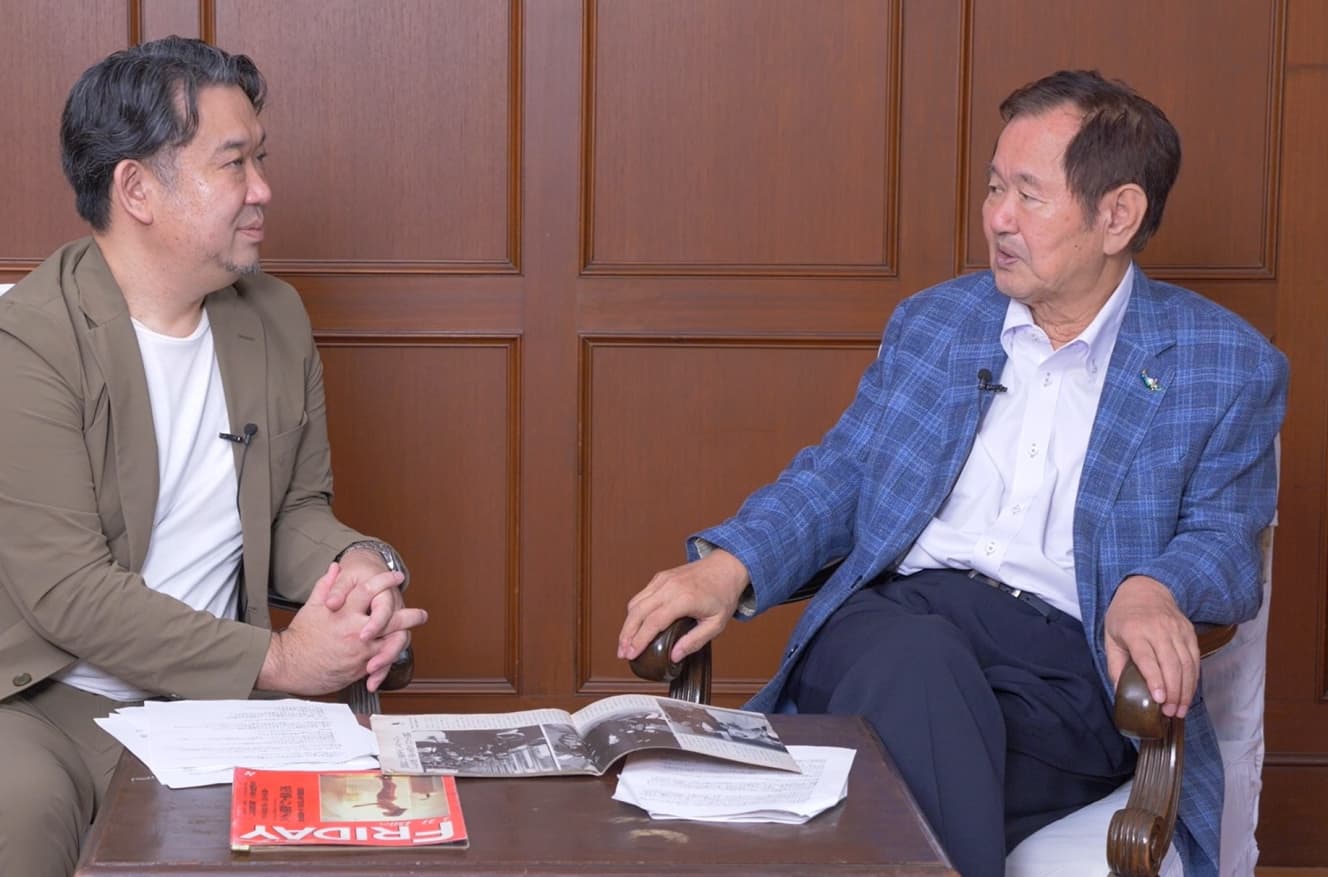
High fees for entertainment reporters
Mr. Toshio Ishikawa (79), who worked as an entertainment reporter on Nippon TV’s variety news show “The Wide,” is still active today, continuing his reporting activities and appearing on radio programs. As the oldest active reporter, he is still chasing scoops.
The company Ishikawa joined after dropping out of university was the film company Shochiku. From there, his life in the entertainment world began.
“I was assigned to the publicity department, and I met many stars and actresses. I was especially taken care of by Ms. Shima Iwashita. However, Ms. Shima still misunderstands something—she calls me a ‘crybaby.’ She says I used to go on location shoots and cry saying, ‘I want to go home.’ And she would tell people like Ms. Aki Yashiro, so the rumor spread that Ishikawa was a crybaby. That’s absolutely not true,” (Mr. Ishikawa; comments in parentheses hereafter refer to him).
After about four years at Shochiku, he changed jobs and joined the editorial department of the women’s weekly magazine “Weekly Josei.” There, he became a scoop journalist.
“Back then, my monthly salary at Shochiku was about 10,000 to 12,000 yen. At that time, if you wrote a four-page article for a weekly magazine, you’d get 50,000 yen. So I was drawn by the money and joined—and I was earning about 50,000 yen more per month than my colleagues. On top of that, I was spending over 70,000 yen in expenses. I went to Ginza a lot—it was fun.”
After that, through his friend Katsumi Namimoto, he moved into television. He was scouted by TV stations as an entertainment reporter, but the salary situation was quite something.
“At that time, I was working about 170 hours of overtime a month, so I was earning about three times more than regular employees. When I told the TV station my annual salary and asked for double, they immediately agreed. I thought I should’ve asked for more (laughs). They also said they would pay a signing bonus, but I didn’t know how much, so I just said 20 million yen—and in the end it was 6 million yen. Still a large amount, so I immediately started my own company.”
Cash to kill scoops
There was a reason TV stations paid such high fees to entertainment reporters.
“TV stations were kind back then. Crime reporters don’t meet their subjects many times, but entertainment reporters meet celebrities repeatedly. They wanted reporters not to feel inferior in those interactions, so they raised the pay.”
Meanwhile, behind the scenes, cash was also flying around to suppress scoops. Ishikawa speaks from experience.
“There were more cases of money being offered when I was a magazine reporter than when I became a TV reporter. I once investigated a major actor’s affair, and he even begged me on his knees not to publish it. At that moment, I thought I might stop the story. Then his manager placed money on the table. In that instant, I decided to run it. Of course, I didn’t take a single yen. But I thought, so this is how they try to stop stories—and I felt disappointed thinking some reporters must have actually accepted it.”
In some cases, production companies even threw bags of cash into taxis as the door was closing when Ishikawa refused money. Tens of thousands of yen were common, but he says he always threw it back immediately.
In the entertainment industry where large sums of money move behind the scenes, Ishikawa—having spent many years in it—has seen many hidden sides.
【YouTube】On FRIDAY Digital’s “Entertainment Reporter Channel,” veteran reporter Toshio Ishikawa talks about money in the industry, the dark side of scoops, and the truth behind the famous gold folding screen press conference involving Matchy and Akina.
Interview and text: Norifumi Arakida (FRIDAY Digital Entertainment Desk)