Surviving Seven Years of Hell — How Japanese Cuisine Helped a Psychiatrist Overcome Depression


Gut bacteria behind the surge in depression!?
In recent years, the number of modern people suffering from mental health issues has rapidly increased. Sickness and injury benefits paid to those unable to work due to illness exceeded 600 billion yen in fiscal 2023, a 1.6-fold increase over the past five years. Maintaining mental health has become a social issue.
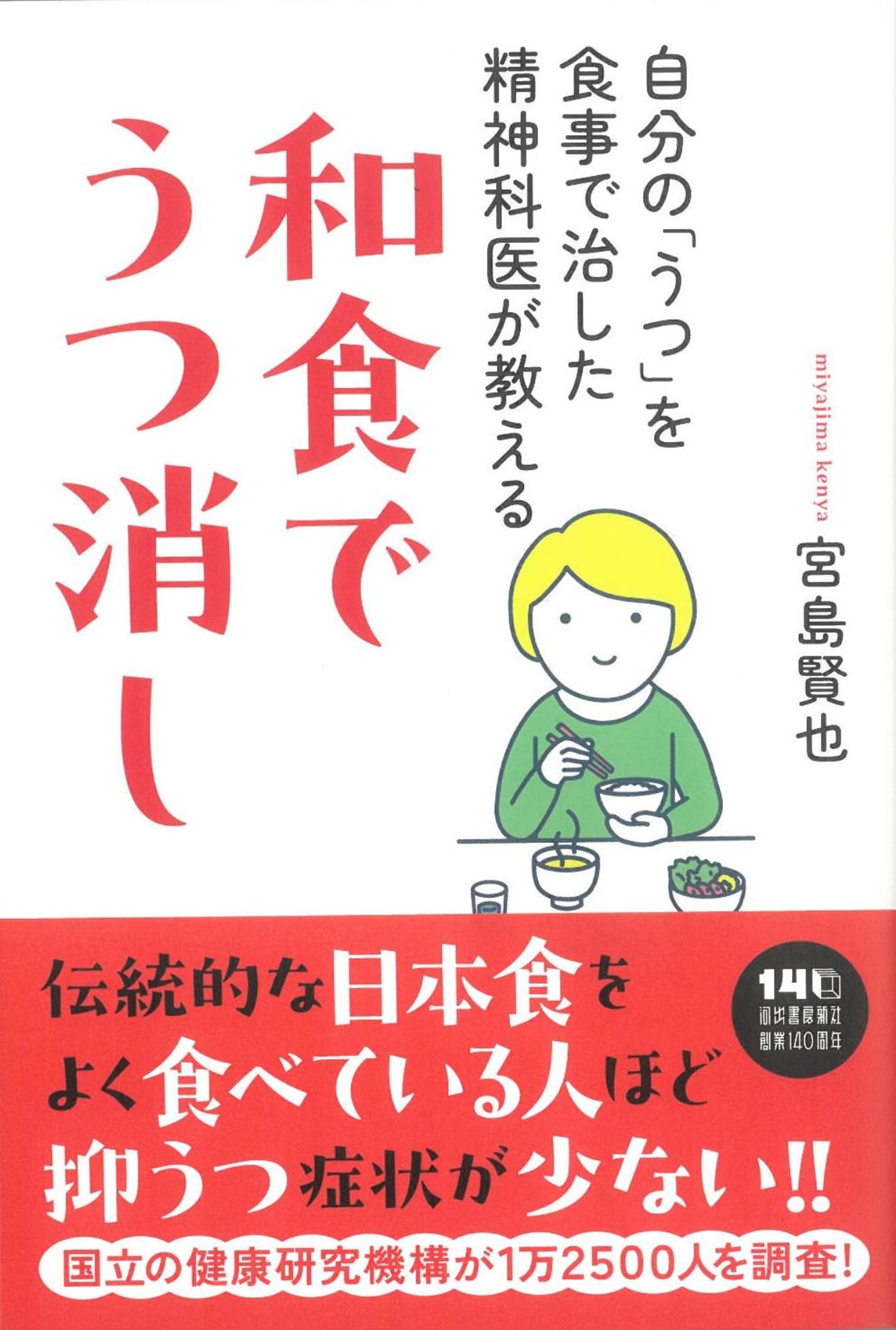
Psychiatrist and occupational physician Dr. Kenya Miyajima says that after suffering from depression for many years, he overcame it by changing his diet.
“From my time as a resident, I struggled with depression with no clear end in sight for seven years. But when I drastically changed my diet, my symptoms improved, and I was able to stop taking medication. If you want to improve depression, a dietary approach is effective.”
Depression is often seen as a problem of the brain, but it has become clear that the gut—known as the second brain—is deeply involved. Research on the gut-brain axis, in which the brain affects the gut and the gut affects the brain, has progressed, revealing that gut bacteria influence the brain—in other words, our thinking and emotions.
“Neurotransmitters like serotonin and dopamine are involved in emotions and mood. These key neurotransmitters are produced more in the gut than in the brain. It’s not an exaggeration to say that traits like being prone to anxiety or feeling down are created by gut bacteria. A poor gut environment affects the brain as well. The important thing is to regulate the gut environment through diet.”
A psychiatrist’s warning: toxins hidden in everyday life
Dr. Miyajima first noticed mental health issues while working as a medical resident. He worked weekends organizing medical charts and had almost no days off. In addition to physical exhaustion, he faced intense psychological pressure.
“I constantly worried about things that hadn’t even happened—what if I misdiagnosed a patient, what if I made a mistake in treatment—and I developed severe insomnia. When I visited a psychiatrist, I was diagnosed with depression, prescribed antidepressants, and had to take a leave of absence. I had aimed to become a general physician, but I gave up and ended up taking a different path from my peers, losing confidence. I felt diminished as a doctor.
After that, there were times when I felt calm without anxiety, and other times when symptoms returned, leading to recurrent depression. I continued working while taking mood stabilizers.”
At the time, his diet centered on fatty foods like meat, and he consumed large amounts of alcohol and canned coffee.
While managing his condition with medication, he sought ways to escape depression, studying psychology and experimenting with different methods. He eventually encountered the “Natural Hygiene” diet, developed in the United States, and the “Nishiki-Koda therapy” advocated by Dr. Mitsuo Koda.
Natural Hygiene is a plant-based diet centered on fruits and vegetables, with the basic principle of avoiding anything that harms the body. Nishiki-Koda therapy emphasizes brown rice, a plant-based diet, and eating small portions. Dr. Miyajima adapted these approaches into a diet that was sustainable for him.
“The first thing I did was completely eliminate foods considered harmful, such as alcohol, coffee, white sugar, and refined wheat products. Of course, I also avoided smoking, and I believe excessive protein and red meat can also be toxic to the body.
I avoided harmful foods and switched to a diet of fresh fruits and raw vegetables in the morning, and raw vegetables and brown rice for lunch and dinner. I centered my meals on Japanese cuisine, incorporating miso soup, natto, tofu, simmered vegetables, beans, and potatoes, while being mindful of eating small portions.”
Changes in his condition appeared in less than three weeks.
“I started falling asleep more easily, woke up less during the night, and felt refreshed in the morning. I had constantly felt anxious about everything, but my thinking and mood became more positive, and my bowel movements improved. It felt like a weight had been lifted from my body—I felt clear and able to move easily every day. I also lost weight, and my driver’s license photo looks like a completely different person.”
He began to feel energized and was able to live each day with a sense of vitality. After about a year on this diet, his physical and mental state stabilized to the point where he could stop taking mood stabilizers.
“I naturally felt that I no longer needed medication. I believe it’s because my gut flora improved from continuing a Japanese-style diet. However, even if you change your diet, you should never suddenly stop taking medication. Withdrawal symptoms may occur, so don’t make that decision on your own—if you are taking medication, be sure to consult your doctor.”

The power of Japanese cuisine revealed in a 10,000-person survey
According to a June 2025 survey conducted by the National Institute for Health Crisis Management targeting 12,500 workers, those who more strongly adhered to a traditional Japanese diet (washoku) were found to have fewer symptoms of depression (※1). This effectively supports the antidepressant benefits of a Japanese-style diet centered on fermented foods, soy products, and vegetables, as practiced by Dr. Miyajima.
“The research group reported that folate found in soy products, seaweed, and vegetables helps synthesize neurotransmitters related to mood stability and stress management. In addition, omega-3 fatty acids abundant in oily fish support the function of neurotransmitters, antioxidants in fermented foods reduce oxidative stress in the brain, and these foods help regulate the balance of gut bacteria. These findings show a connection between Japanese cuisine and improvements in depression.
It is also known that even if symptoms subside and medication is no longer needed, more than half of patients relapse if their diet, lifestyle, and way of thinking remain unchanged.”
To regain a healthy mind and body without relying on medication, diet—the foundation of daily life—is key. Japanese cuisine can be said to fulfill that role.
“Many people suppress their suffering and keep working, thinking they must do their best for their families or cannot quit their jobs. Those who are serious and kind-hearted tend to be more prone to depression. When symptoms appear, I hope people will pause and use it as an opportunity to reexamine their lives. While changing one’s mindset and way of living takes time, diet can be changed starting today.
When you continue a diet that pleases the gut, your thinking naturally shifts from negative to positive. As your mindset changes, you can gradually break free from depression. You can reclaim a life where you are the main character.”
If you want a healthy mind, start with the gut. Japan’s world-renowned healthy diet plays an important role in supporting modern mental health.
(※1) From the National Institute for Health Crisis Management, Clinical Research Center study “Association Between Japanese Dietary Patterns and Depressive Symptoms”
https://ccs.jihs.go.jp/news/010/010/20250623_01.pdf
▼Kenya Miyajima — Psychiatrist and occupational physician. Graduated from the National Defense Medical College. While training as a resident with the goal of becoming a general physician, he lost motivation and was diagnosed with depression. After taking medication for seven years, he concluded that medication alone does not cure depression. By changing his diet, mindset, and way of life, he overcame depression and discontinued medication. His books include An Easy-to-Understand Illustrated Guide: A Psychiatrist’s Method for Curing His Own Depression (Kawade Shobo Shinsha).
Interview and text by Yoko Nemmochi: Yoko Kemmochi
Born in Yamagata Prefecture in 1983, Yoko Tunemochi worked for 10 years in the editorial department of a health information magazine, editing monthly magazines and web media before becoming a freelance writer. Currently, she interviews, plans, and writes about doctors and specialists, focusing on health care and medical fields.
PHOTO: Afro (1st photo)