Collapsed Marine Group Sites Resurface as New Soap Businesses Flood Former Locations in Rapid Turnaround


A new shop opens on the former site of the Marine Group soapland
At 9:00 a.m. on March 17, a soapland called “I LOVE HIMEJI” grand-opened in Himeji City, Hyogo Prefecture. It has reopened on the site of “Tulip Himeji,” a Marine Group soapland that all closed at the end of January, effectively restarting operations without changing its business model.
On its website, it posted a greeting message stating: “We apologize for the inconvenience caused to everyone who has used our store until now, but as a result we have evolved into a completely new, even more attractive shop! (omitted) Please come and experience the newly reborn I LOVE HIMEJI!” It also referred to the sudden closure.
On January 30, more than 20 soapland locations operated by the Marine Group across Japan suddenly closed, causing shockwaves.
At the end of business that day, cast members were only notified via LINE. The stated reason for closure was financial difficulties, but among those involved there were rumors that it may have been to avoid crackdowns related to scouting activities.
Now, the soaplands that closed at that time are gradually reviving. Several soapland groups are believed to have purchased the land and buildings of the former stores and resumed operations.
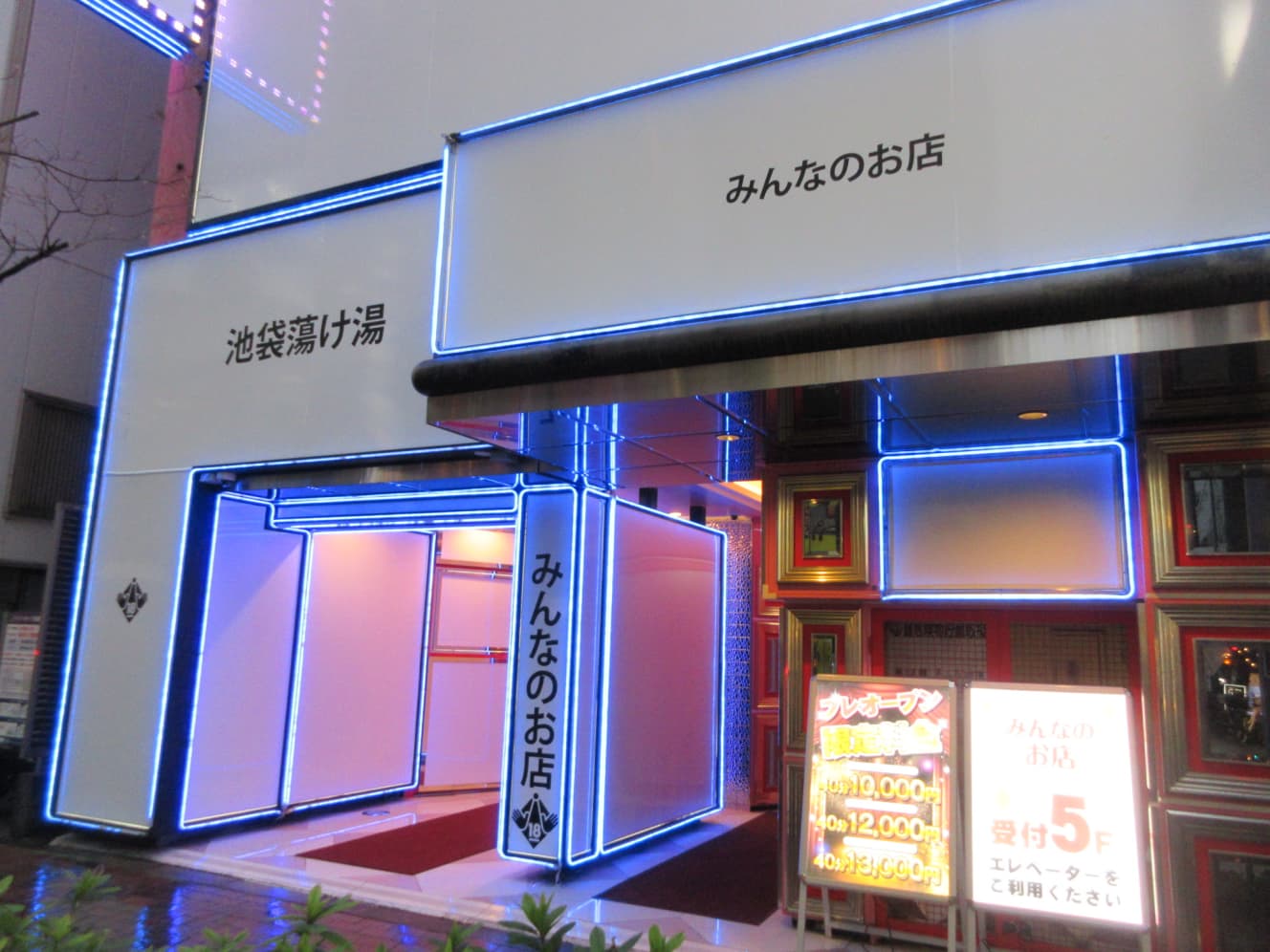
For example, in Ikebukuro, Tokyo, on February 21, “Ikebukuro Torokeruyu” opened on the former site of “Ikebukuro Marine Main Store,” and “Minna no Omise” opened on the former site of “Ikebukuro Marine Annex.” The two stores appear to be sister establishments due to their similar signage design, but the business operator is unknown.
In Sendai City, on February 7, a “Jewelz,” a storefront-style health service specializing in married and mature women, opened at the former site of “Tulip Sendai,” another Marine Group soapland. Although the reason is unclear, it effectively reopened after changing its business type from soapland to health services.
On March 25, two soaplands opened in Fukui City, one soapland opened in Kofu City on April 3, and another soapland is scheduled to open in Kumamoto City on April 25. All of them are located on former Marine Group sites. The Kumamoto store is reportedly being opened by “Esperanza Group,” which operates high-end soaplands in Nakasu, Fukuoka.
Some shops are being demolished
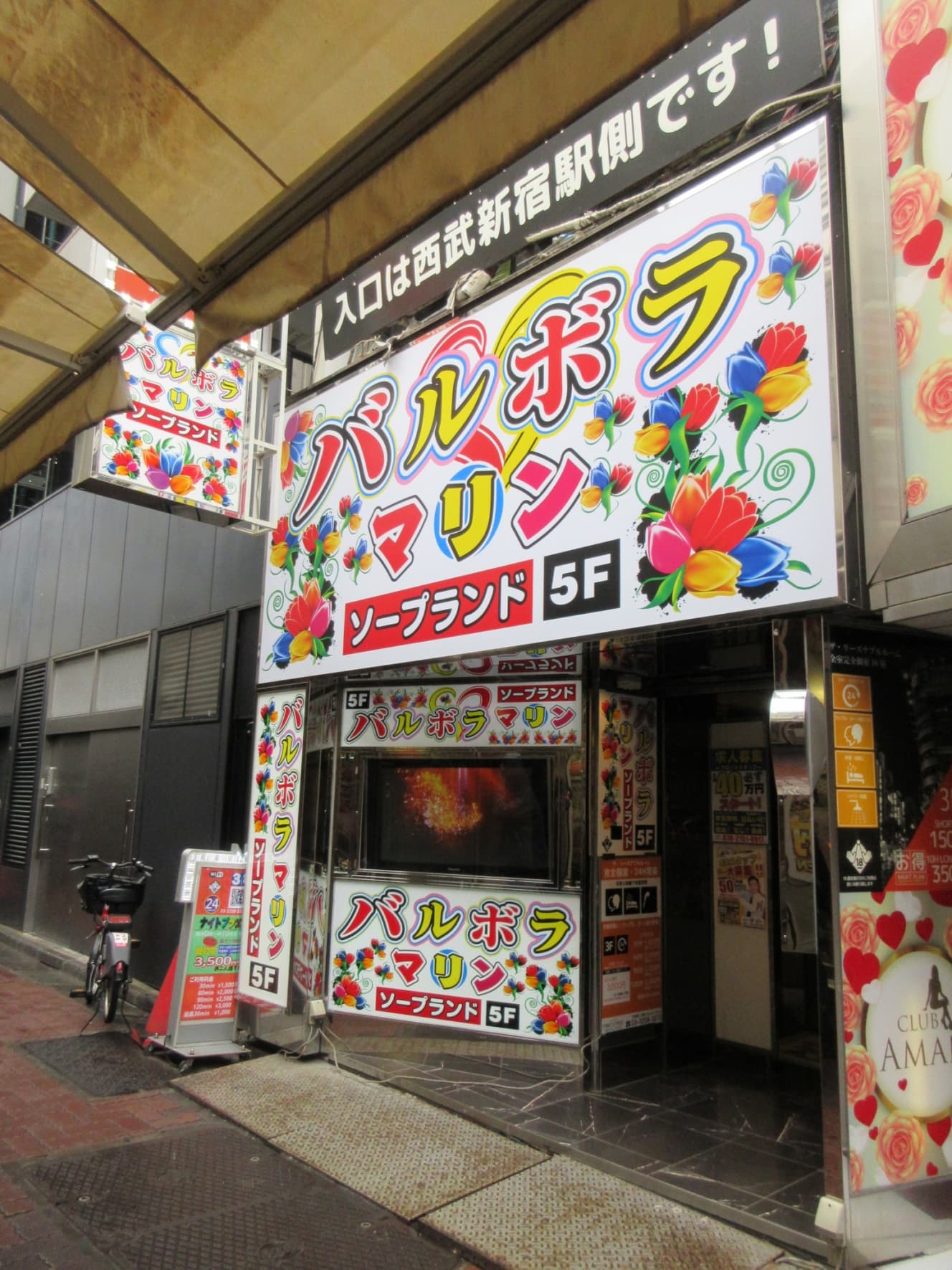
There are also a series of former Marine Group soaplands that have reopened without even changing their shop names. In Shinjuku, Tokyo, the soapland “Barubola” resumed operations on March 5 as a long-established luxury shop with 40 years of history. After becoming part of the Marine Group as “Barubola Marine,” it had shifted into a more mass-market establishment, but it has now returned to its former luxury positioning.
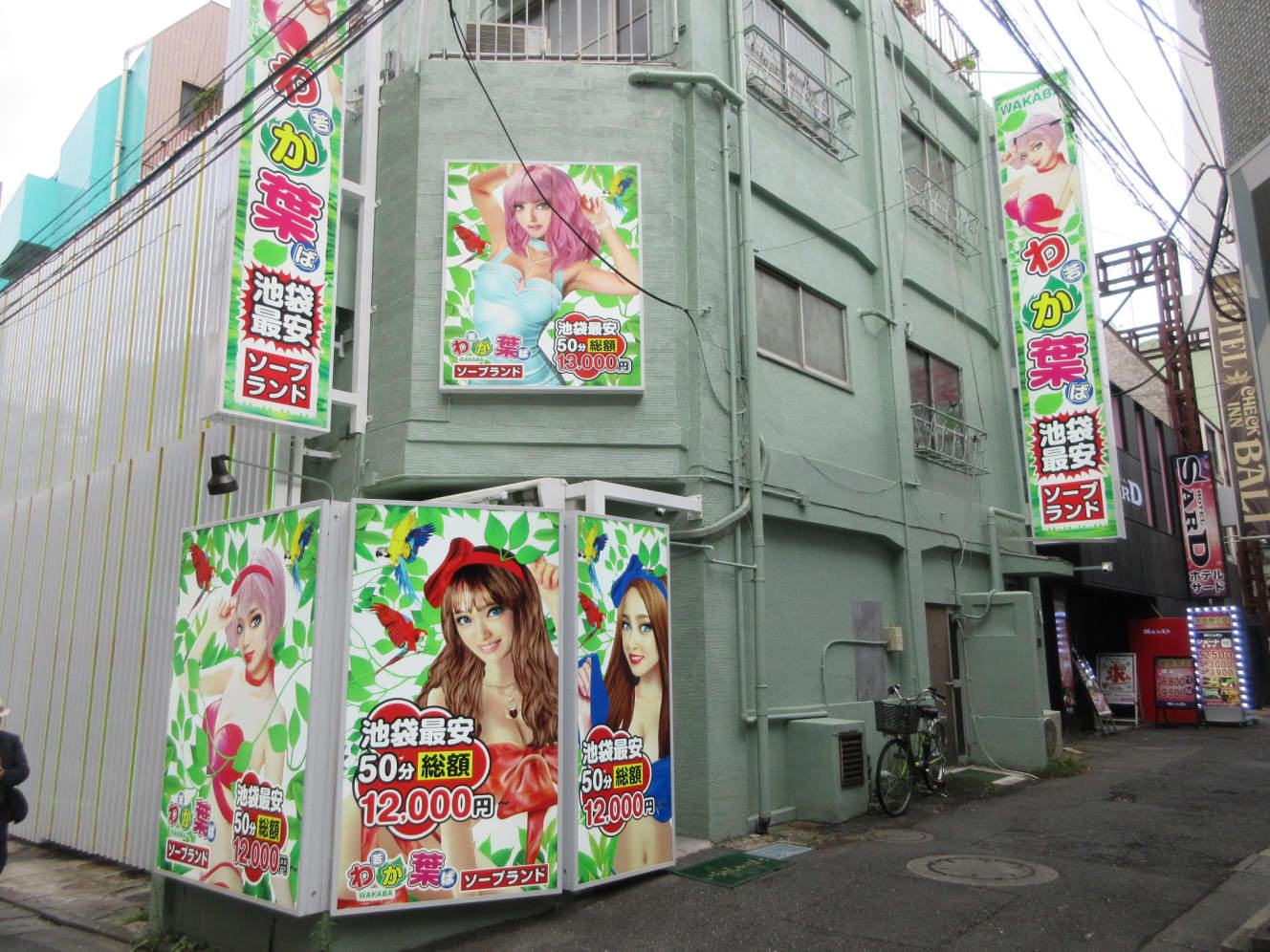
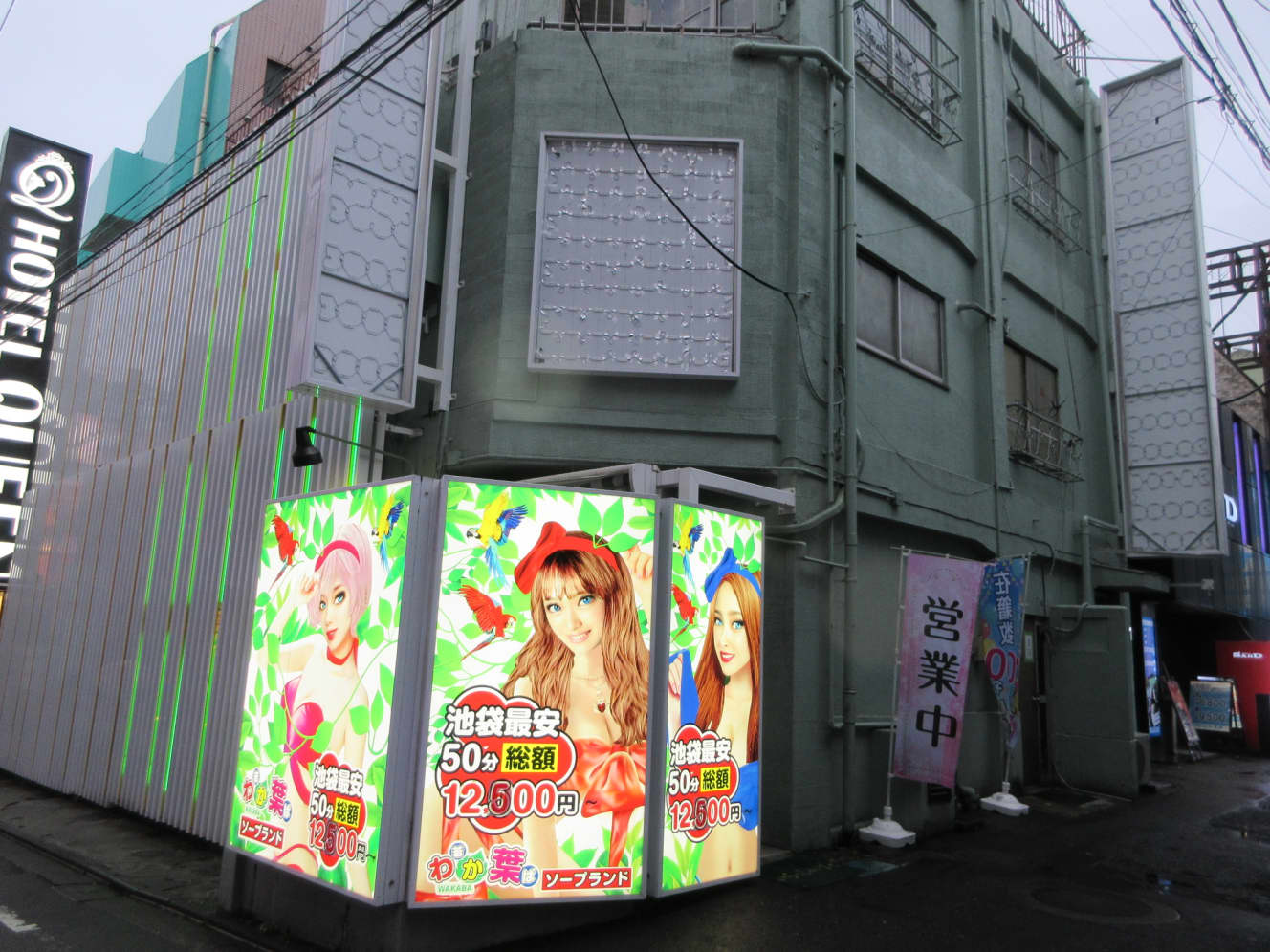
In Ikebukuro, soapland “Tohri” resumed operations on March 7, and “Wakaba” reopened on March 28. On March 25, “Sekitei” and “Sekitei Annex” in Hiroshima City also reopened after renovation.
In this way, out of more than 20 closed Marine Group soaplands, a total of 12 stores—including one in Himeji, four in Ikebukuro, one in Kofu, two in Fukui, one in Kumamoto, one in Shinjuku, and two in Hiroshima—have resumed operations as soaplands, while one store in Sendai has reopened as a health service establishment. Although the sudden disappearance of the Marine Group seemed to signal a major crisis for the soapland industry, many locations have made a surprisingly rapid comeback.
In Ikebukuro, two Marine Group properties were listed for sale at 400 million yen immediately after closure on a real estate site, but contrary to expectations, they quickly resumed operations. Due to regulations under the Entertainment Business Control Law, there are limited areas where storefront-style sex industry businesses can operate. Prime locations within major entertainment districts such as Ikebukuro and Shinjuku are considered highly profitable and valuable, making them highly sought after.
While some establishments quickly revived, others have disappeared. In Sendai’s central entertainment district along Higashi-Nibancho-dori, demolition work has begun on the three-story building that housed the soapland “Marine Senhime” (formerly “Marine Blue Senhime” and “Imperial Senhime”). A police raid took place on January 28, and the property was listed for sale for 300 million yen two days later, but it appears that a revival will not happen.

Aggressive expansion by soap land groups opening new stores
Behind the rapid reopening of former Marine Group establishments is the strong willingness of other soapland groups to expand. Across Japan, groups that continuously open new affiliated stores are multiplying one after another.
The “DOLCE Group,” which had two soaplands in Kawasaki’s Horinouchi district—“DOLCE Kawasaki School” and “QUALITY”—raided at the end of last year, opened “Quality Plus Yokohama” in Yokohama’s Akebonochō and “CLASS Kawasaki School” in Horinouchi on March 7.
The “Revolution Group,” which operates various soaplands with themes such as schoolgirl-style and bunny-girl cosplay across the Tokyo metropolitan area, also grand-opened “Kawasaki Beauty Revolution” in Horinouchi, Kawasaki, on February 17.
There are also groups expanding into different types of adult entertainment businesses.
The “Happiness Group,” which operates 16 budget soaplands nationwide and now runs the Ikebukuro soapland “Tohri,” formerly under the Marine Group, opened a storefront hand-service-only shop called “Matsuyama 2980 yen (Nyankippu)” in Dogo Onsen, Matsuyama City, Ehime Prefecture, on March 3. This follows its “2980 yen” store in Nakasu, Fukuoka, marking its second hand-service location.
Since its founding in 2009, the group has continued strong growth with a focus on high-quality staff and low-cost soapland operations, even surviving the COVID-19 pandemic. The fact that it has now expanded into multiple locations offering extremely low-cost hand services reflects changing times.
From long-established operators to emerging groups, soapland business groups across Japan are becoming increasingly diverse. While some operate highly differentiated concepts such as ultra-luxury, women in their 30s, micro-bikini themes, and short-time low-cost services, others are opening multiple stores under similar idol-themed concepts. These groups can be seen as competing in a kind of territorial battle, filling the gap left by the disappearance of the Marine Group.
The mass closure of Marine Group soaplands dealt a major blow to the industry. However, the fact that multiple stores resumed operations within just one to two months once again highlights the resilience of the adult entertainment industry.
With most traditional underground entertainment districts outside Osaka’s five major red-light areas now largely diminished, demand for soaplands offering consistent, high-quality services remains strong, suggesting they are still widely needed. With remarkable persistence, the industry is expected to continue overcoming various challenges in the future.
※“FRIDAY Digital” is accepting information from readers. Please send tips via the information submission form below or the official X account.
Information form: https://friday.kodansha.co.jp/tips
Official X: https://x.com/FRIDAY_twit


Photography and text: Akira Ikoma