Rugby & Olympic Judo Attract Working Generation! World Sporting Championships “Nailed It” Ranking by Generation | FRIDAY DIGITAL

Rugby & Olympic Judo Attract Working Generation! World Sporting Championships “Nailed It” Ranking by Generation

Part 2

  • Share on Twitter
  • Share on LINE
The World Cup was held in France in 2011. Japan played Samoa in the first round league, winning 28-22 but missing out on the final tournament.

MF2 tier is glued to the ’23 Rugby World Cup.

REVISIO, a TV viewership data analysis company, conducted an independent survey of each terrestrial TV program at the Olympics, WBC, and other world sporting events held between January 2011 and the end of February this year to find out which games attracted the most viewers.

The table below shows the top 15 and 30 rankings for MF1 (20-34 years old), MF2 (35-49 years old), and MF3 (50+ years old) (For details, see “Measurement Method”). (The small number of soccer-related items may be due to the fact that the World Cup did not take place during the survey period.) Let’s take a look at the results by generation.

Part 1: Surprising! Why is the WBC not in the top 10? World Sporting Championships “Nailed It” Ranking by Generation

The top ranking for MF2 (35-49 years old) was the judo mixed team final at the Paris Olympics.

The generation that is busy with work, housework, and child-rearing tends to pay attention to the success of the Japanese national team and watch the Olympics in general. Judo was ranked first, probably because it was held early in the Games and Japan was likely to win the gold medal. I think people expected and paid attention to the winner (Japan lost to France and won the silver medal). The eye-catching team competition between three men and three women of different weight classes may also have contributed to the high level of interest in the event.

Another feature of MF2 is that rugby is ranked high, as in the case of “Japan x Samoa” at the 2011 Rugby World Cup (No. 2) and “Japan x Argentina” at the 2011 Rugby World Cup (No. 7). Many of this generation were first attracted to rugby at the ’15 World Cup, where they defeated the mighty South Africa, and at the ’19 tournament, which was held in Japan. This strong interest is likely to continue,” said Sori Yasutake, PR and marketing manager for Company R.

The last group is MF3 (over 50 years old).

The second-ranked group, the men’s World Cup basketball tournament in 2011 between Japan and Cape Verde, was a lower-ranking game for the 17th to 32nd place, but it was an important game because if Japan won the game and finished first in the Asian region, they would qualify for the Paris Olympics (Japan won 80-71, and qualified for the Olympics). The third-place game, “Japan vs. Germany,” was the first men’s basketball game for the Paris Olympics. Japan lost 77-97, but they fought harder than the score difference, grabbing 39 rebounds to Germany’s 36.

There is a high level of interest in volleyball, especially among the elderly people in their 70s and older, including the Paris Olympics volleyball women’s “Japan x Kenya” in fourth place and the same “Japan x Poland” in fifth place.’ This is probably due to the influence of the Japanese women’s team “Witch of the Orient,” which won the gold medal at the 1964 Tokyo Olympics, and the anime “Attack No. 1,”” said Yasutake.

Journalist Yuka Sakaguchi, who is familiar with TV programs, explains.

The top ranking of every generation is a close game or a dramatic victory by Japan. International tournaments are often broadcast in difficult-to-view time slots, such as early morning or late at night. Despite this, many people are nailed to the screen because they want to experience the story of the Japanese protagonist in real life, even if it means disrupting their life rhythms.”

What people are looking for in a Japanese national team playing against a powerful foreign country is “excitement,” after all.

Part I: Surprising? Why is the WBC not in the top ranks? World Sporting Championships: “How Much Each Generation Nailed It” Rankings

World Sporting Championships “How Much They Nailed It” Ranking by Generation: MF1, MF2
Ranking of World Sporting Championships by Generation: MF3
Ranking of “How well each generation is ranked” in World Sporting Championships: Ranking of the 5th WBC in 2011

Judo at the Paris Olympics is popular due to gold medal expectations
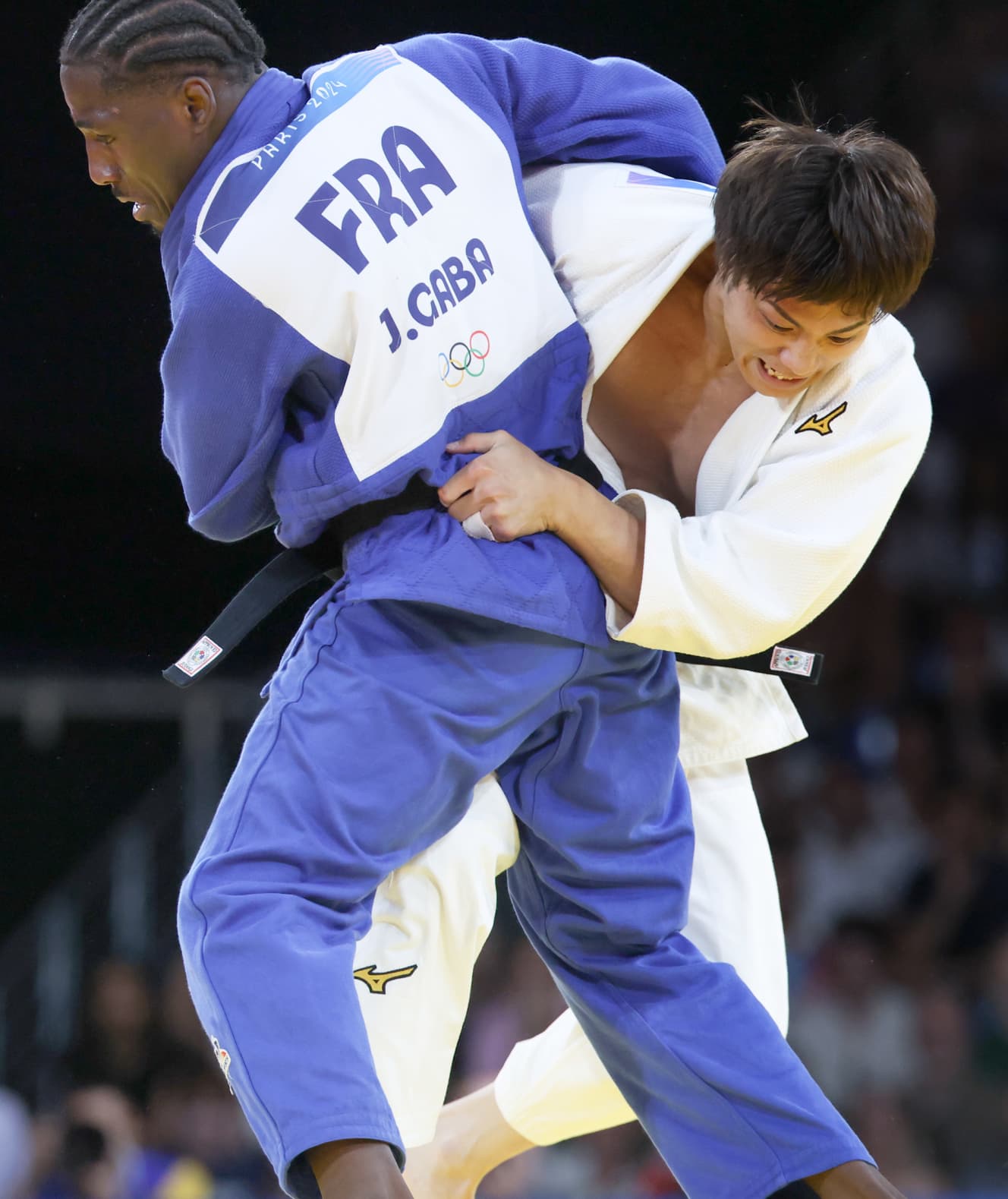
Abe Hifumi competes against a French representative in judo and mixed team at the Paris Olympics. Japan lost to France and won the silver medal.

Volleyball attracts attention from MF1 and MF3

Japan’s volleyball women’s team is struggling in the women’s competition at the Paris Olympics. Volleyball was highly competitive in the under 30s and over 50s age groups.

How to measure the level of attention to world sporting championships by generation.
R Corp. conducted an independent survey to determine the degree to which people in front of the TV screen were looking at the screen. The degree of attention was measured based on the number of seconds people watched the TV screen. When people are “watching while cooking” or doing other tasks, they are often not watching the screen, so the attention level does not increase. With the cooperation of about 2,000 households (about 4,800 people) in the Kanto region and 600 households (about 1,500 people) in the Kansai region, an independent survey was conducted to determine which world championships in each sport were the focus of viewers’ attention. While the attention rate for most primetime programs is in the 50% range, the rate for popular sports competitions is over 70%. The high figures are understandable. The survey covered the period from January 2011 to the end of February this year. The survey covers sporting events with a household TV-on rating (viewer rating) of 5% or higher, and sports events that were broadcast on terrestrial TV for 100 minutes or longer.

From the April 10, 2026 issue of FRIDAY

  • PHOTO Aflo %e3%83%90%e3%83%90%e3%83%90

Photo Gallery6 total

Related Articles