Inside the High-Stakes Mind Game with Drug Syndicates — Ex-Tokyo Narcotics Agent Breaks Silence in Full Reveal


Why zombie cigarettes are becoming popular
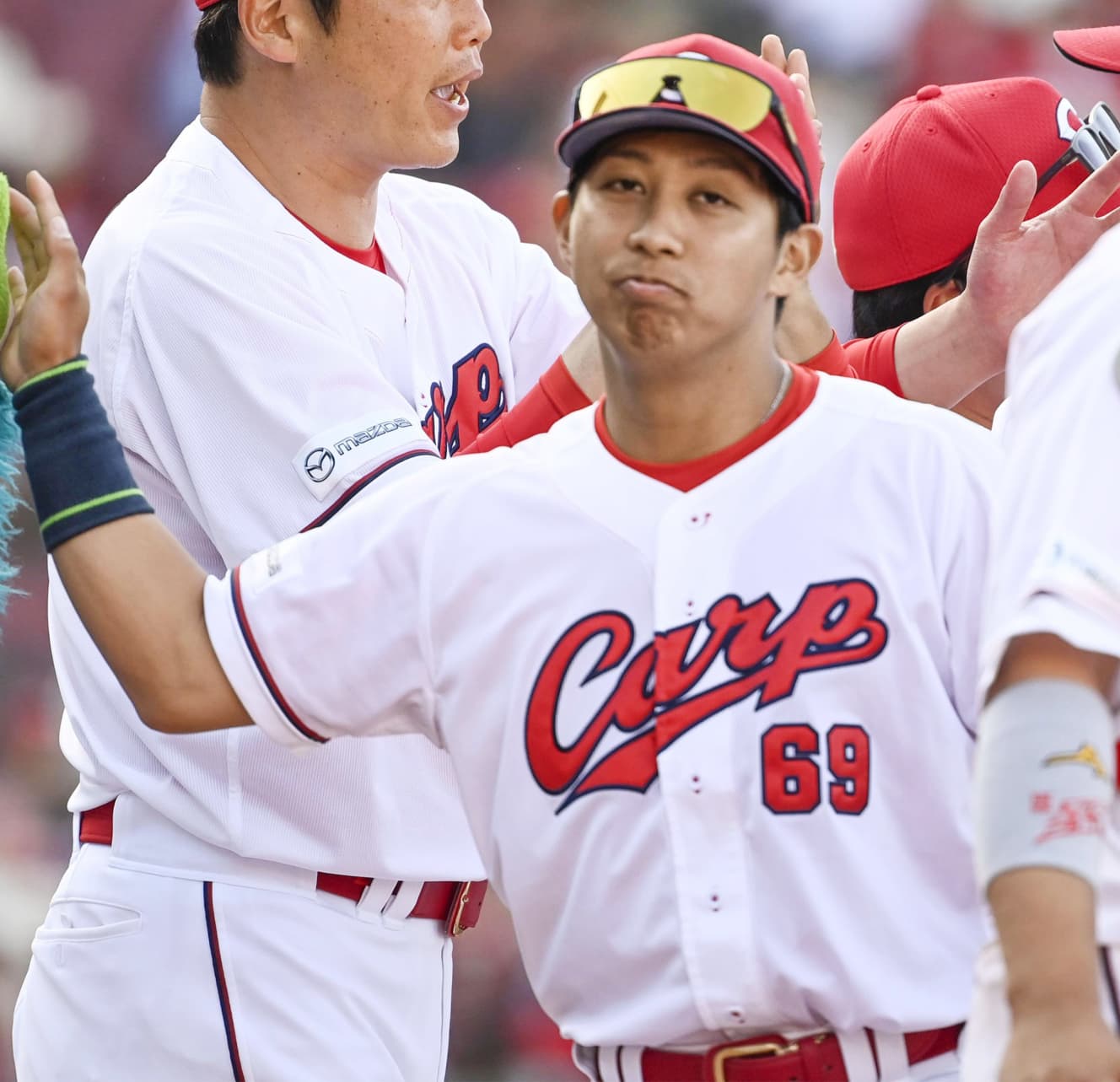
Police rushed to the scene after receiving a report in mid-December last year. He was taken into custody for violating the Pharmaceuticals and Medical Devices Act at the end of January, just before spring training. It took more than a month for the arrest of Hiroshima Carp’s young hopeful, defendant Ryutaro Hatsuki (25), because testing for etomidate takes time.
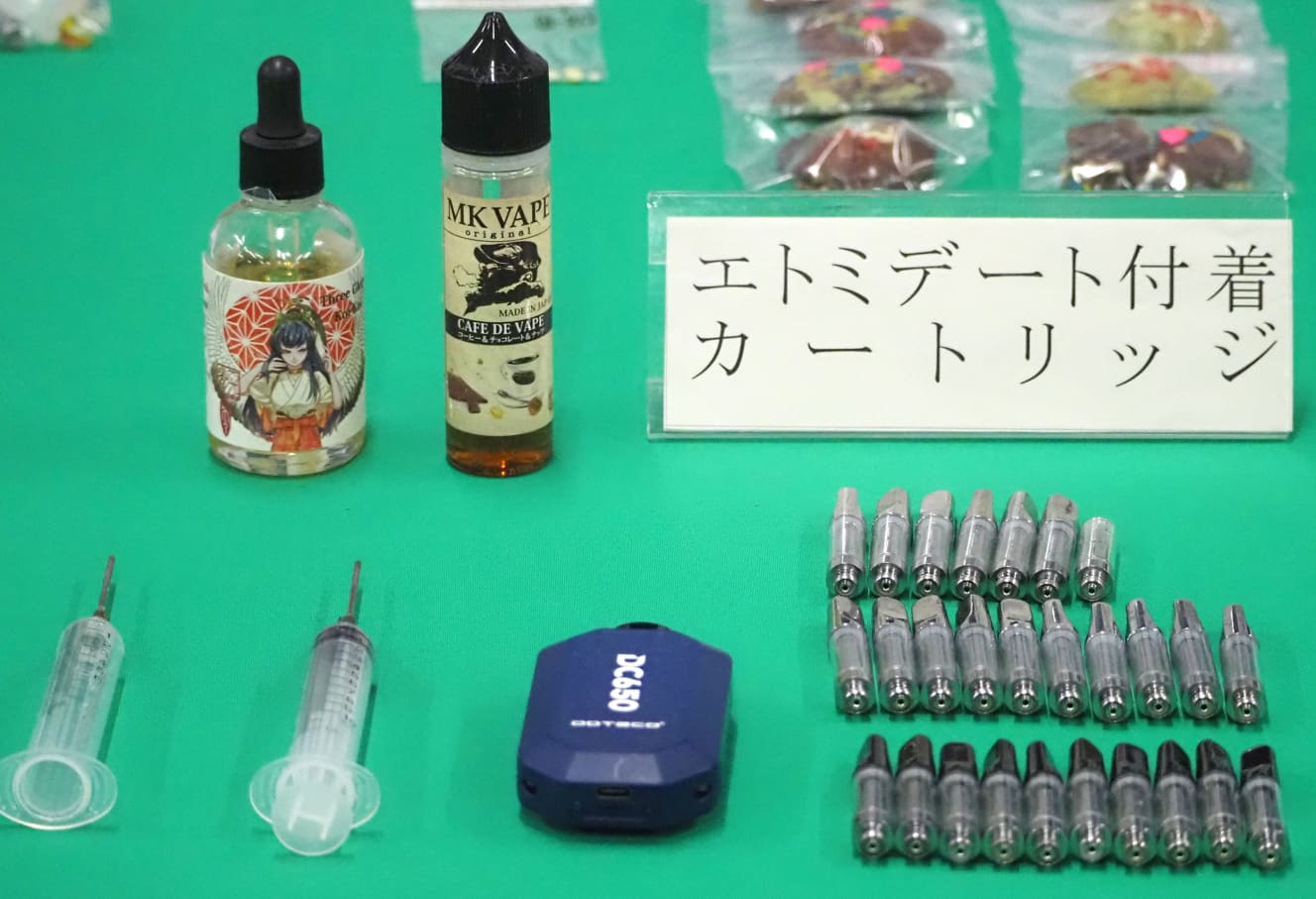
When the first user of etomidate was arrested in Tokyo last November, it took about six months for testing, so even this is actually faster. Stimulants have simple test kits like pregnancy tests that allow for immediate arrest, but etomidate is a newly emerging drug, so no such kits have been developed yet.
The only option is to submit the suspect’s urine to the forensic science laboratory for formal analysis. And since the number of cases is increasing, it takes even longer. In Tokyo, large amounts of etomidate are reportedly flowing into the jurisdiction of Shibuya Police Station, making things difficult on the ground.
Fumitaka Kohiruimaki (52), a former assistant inspector of the Metropolitan Police Department, joined in 1993. Until his retirement in 2023, he spent most of his 30-year career as an international investigator dealing with drug control and organized crime. Following last week’s entertainment industry edition, we asked him about the battles against underground organizations such as drug smuggling.
Etomidate is cheap to produce. I did the math, and a liquid tank for e-cigarettes used to inhale etomidate only holds about 10 ml, costing around 95 yen. There have been reported cases of it being sold for 3,000 yen on the black market.
Considering that the actual content is unclear, it is obviously overpriced—this is the risk premium unique to the illegal drug market. With the weak yen, stimulants have become a luxury item for Japanese users.
However, criminal organizations do not leave the gap created by declining stimulant sales unattended. They bring in cheap drugs like etomidate to fill it. I call this the drug economy slide phenomenon.
I don’t remember exactly when, but there was a foreign dealer who tried to produce stimulants from over-the-counter cold medicine by exploiting the fact that it contains ingredients similar to stimulants.
The plan leaked, and the dealer was arrested before the so-called cold medicine stimulants could circulate. Since over-the-counter drugs are cheap and unaffected by exchange rates, it might seem viable, but stimulants are very delicate—if made improperly, their purity drops. Even if produced, I doubt they would sell.
High-purity stimulants need to be manufactured in countries where raw materials and labor costs are low, using dedicated plants (production facilities), and then smuggled into Japan.
Criminal organizations come up with all kinds of smuggling methods. In the past, there was something called black meth, a black-colored stimulant. It was dyed black and disguised as copier toner for export, then decolorized and sold in Japan.
Using a process called suction filtration, it is filtered under vacuum through a filter, then the extracted liquid is boiled down and evaporated, followed by recrystallization to return it to its original white color. However—just like the earlier cold medicine stimulants—these extra steps reduce purity. Both value and price drop.
These days, even crime dramas mention it, so people may know that “S” refers to an informant, but for me, “S” referred to personnel from overseas investigative agencies.
“I’ve received information like: ‘There are stimulants disguised as toner in container number X on flight Y on such-and-such date.’
When we check at customs, there is indeed a reaction indicating stimulants. However, we do nothing at that point. Instead, we conduct a controlled delivery (CD), a type of surveillance operation. There are two types: live controlled delivery (LCD), where the smuggled stimulants are allowed to circulate as-is and the recipient is arrested at the handover location.
Clean controlled delivery (CCD) involves replacing the contents with salt and then proceeding the same way. Most large-scale smuggling cases discovered at customs used one of these methods. I was part of the first team in Japan to carry out CD investigations.
However, this method has become so well known that it’s even on Wikipedia. Recently, smugglers have started sending packages to vacant houses as delivery addresses, and having unrelated individuals receive them.”
Even elites are using drugs!?
In 2015, a female executive of Toyota Motor Corporation was arrested on suspicion of importing the prohibited drug oxycodone. It was Kohirumaki who arrested her at the hotel where she was staying.
There was no prior information, but customs discovered it and reported it. A team of about 20 people from customs and the Metropolitan Police Department stormed the hotel and arrested the female executive, but the case ultimately resulted in non-prosecution.
The executive was an American, and oxycodone is legal in the United States. Moreover, she worked for Toyota. I thought, “If weighed against national interests, it would probably be difficult to bring this to prosecution,” but we couldn’t afford to cut corners at the scene, so we investigated with full effort.
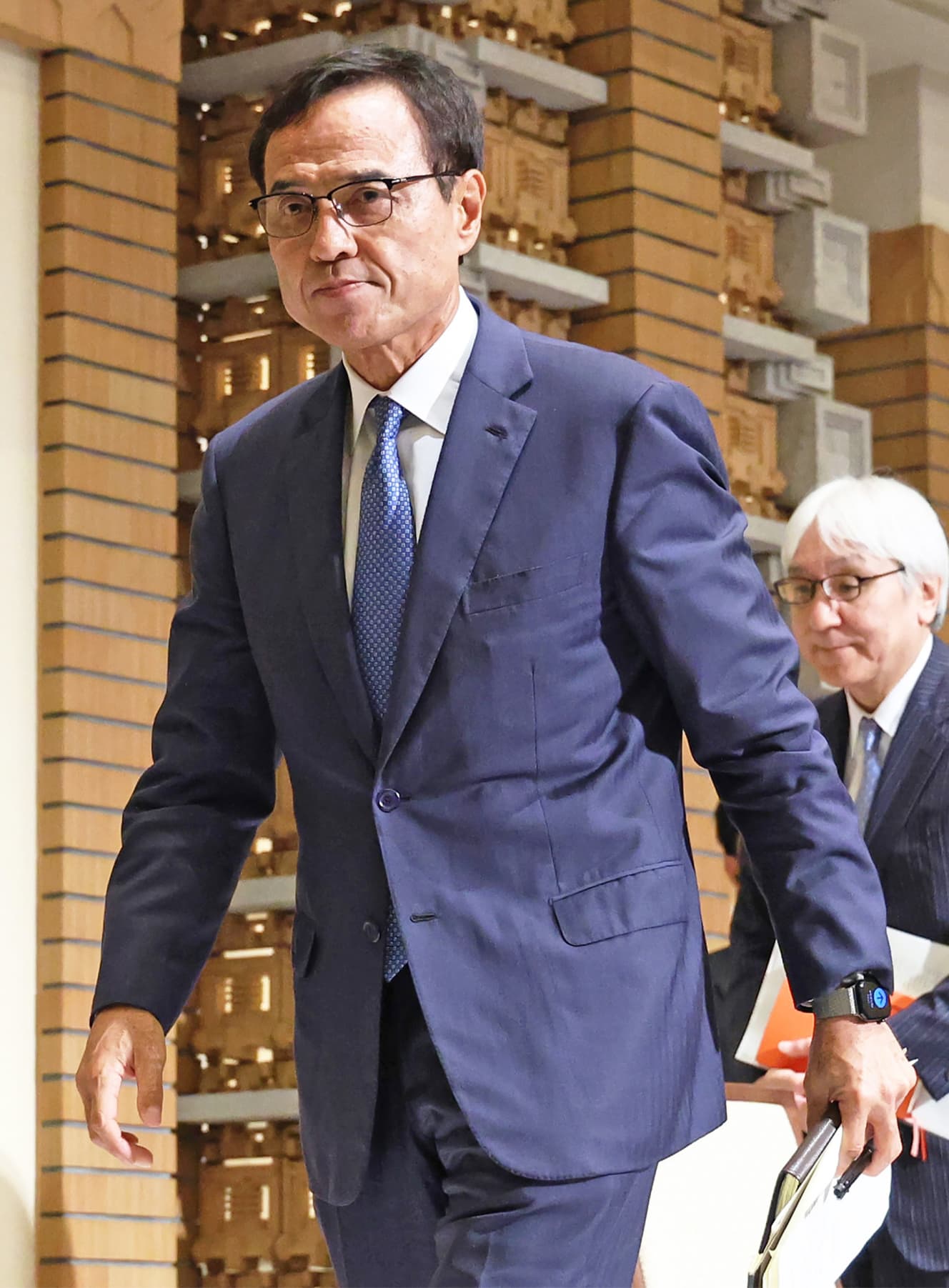
Last September, Suntory Holdings held an emergency press conference and announced the resignation of Chairman Takeshi Niinami (67), as well as the fact that he had been investigated by the Fukuoka Prefectural Police over supplements suspected of illegality. This case also began with customs.
Customs at Moji Port in Fukuoka found supplements imported from the United States that contained cannabis components exceeding the standard limit, and arrested a man living in the prefecture. Based on this man’s testimony, Niinami’s name surfaced, and a search of his home was conducted, but no illegal drugs were found, and his urine test was negative.
Some overseas criminal organizations avoid the high-risk customs process and instead deal directly with Japanese yakuza at sea. In the past, North Korean spy ships that caused a public stir by engaging in gunfights with Japan Coast Guard patrol vessels had smuggling illegal drugs to earn foreign currency as one of their objectives.
The boss we arrested in the earlier black meth investigation was actually sourcing stimulants from North Korea. At night, he would go to the Hokuriku coast and flash a searchlight toward the sea at a predetermined location.
For one or two hours. Then, a North Korean submarine would surface, and according to the boss, he exchanged goods with a man holding a rifle. He even drew a picture of it—it was an AK-47.
From the April 10, 2026 issue of “FRIDAY”
PHOTO: Kyodo News Images / Jiji Press (2nd) Nikkan Kogyo Shimbun / Kyodo News Images (3rd)