Masakazu Tamura and Takako Matsu play father and son… The top 10 best “Sunday Gekijo” dramas of all time, carefully selected by the “Three Wise Men of Drama!
Special Entertainment Program Part 2 -- Masterpieces of the past! Oyaji no back", "Gomenne Seishun! VIVANT," "Mikami Sensei," and "Reboot


TBS’s “Sunday Gekijo” started in 1956 and has the longest history of any drama series in existence. Broadcasting every Sunday night from 9:00 p.m., the program has produced a number of national dramas that have achieved viewership ratings of over 40%. Reboot,” which is currently airing, also recorded a 13.3% viewer rating for its first episode, and continues to do well even in this day of declining television.
This time, FRIDAY invited TV producer Hiromichi Shizume, TV columnist Tamami Hiyama, and freelance writer Wakako Tajuki for a roundtable discussion. The three wise men, all well versed in TV dramas, chose the best “Sunday Gekijo” of all time.
The “3 Sages of Drama” ranked the best “Sunday Gekijo” of all time!
Little-known masterpieces
Hiyama: Although less well known than “Hanzawa Naoki” and “Beautiful Life,” ” My Father’s Back ” (2002) is also a masterpiece. It is an omnibus drama with one complete episode written by some of Japan’s leading screenwriters, including Okada Keiwa (67), Sakamoto Yuji (58), and Mitani Koki (64).
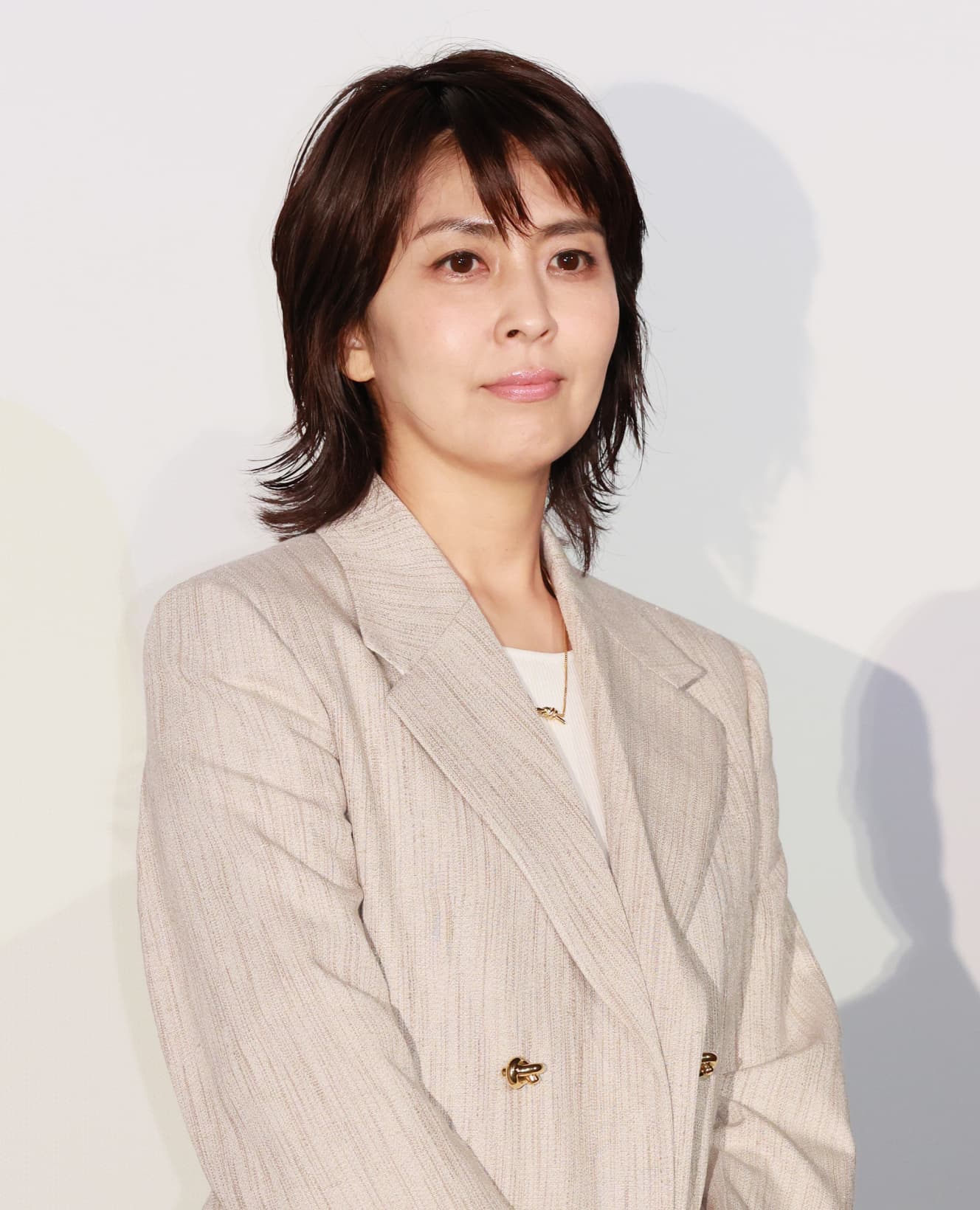
Takayuki: In the case of “My Father’s Back,” I like the first episode written by Keiwa Okada. Masakazu Tamura (77 years old) and Takako Matsu (48) play a father and son in a father-son relationship. They are set up to be co-dependent, but at the end of the story, the father keeps waiting for the daughter who does not come home. He waits until morning and then quietly turns off the lights in the house. It is a masterpiece in which the separation of the child from the parent and the parent from the child is depicted in a very beautiful way.
Gomenne Seishun! (’14), which aired the same year as “Oyaji no Maka”, was also very interesting to watch at the time. The script was written by Kudo Kankuro (55) and starred Nishikido Ryo (41). The main characters are high school students from a merged boys’ school and a girls’ school, but the show lacked Kudo-kan’s typical “boys’ pranks” and had many elements of school romantic comedy, which may have been what the fans wanted, and the ratings were sluggish from the second episode, with ratings in the single digits.
Chinmoku: Until then, many of the works had family themes. They were intended to be watched together with the family on Sunday evenings. However, since the spread of smartphones, the habit of watching TV with the family has decreased. That’s when the period of trial and error began, aiming for distribution popularity.
Hiyama: In contrast to at-home family dramas, ” VIVANT” (’23) developed on a grand scale anyway. The bold device of providing no advance information and the production cost of 100 million yen per episode showed the underlying power of television. The viewer rating for the final episode was close to 20%.
Chinmoku: Unfortunately, however, it was not at all popular on Netflix and other distribution channels. As evidenced by the many Japanese-specific terms such as “separate team,” the story was made too much for the Japanese audience. While the first half of the film was shot in the magnificent Mongolian desert, the last half of the film was frequently set in a domestic house. These discomforts probably contributed to the film’s poor performance at the box office.
A completely new type of school work
Takayuki What about your recent works?
Hiyama: I like ” Mikami Sensei ” (’25). In the past, school dramas such as “Kinpachi Sensei: 3 Years B Class” (TBS), in which a hot-blooded teacher rehabilitates delinquent students, have been the standard pattern. However, “Gokami Sensei” is the complete opposite. He shuns the students and tells them to “think for themselves. Moreover, as is typical for a Sunday theater, the film goes into the problems of the education system and the corruption of the bureaucracy. It was a new type of school drama that only Reiwa could produce. The performances of Momori Matsuzaka (37), who played the lead role, and Riho Yoshioka (33), who played the assistant homeroom teacher, were also superb.
Chinmoku: The current ” Reboot ” starring Ryohei Suzuki (42) is also interesting. With each episode, a new mystery emerges, and everyone is discussing it on SNS. I felt that the film successfully involved everyone from young people to adults. Unlike “VIVANT,” “Reboot” was made on a fairly low budget. The locations are mainly cake shops, offices, and warehouses in town. You don’t need to spend a lot of money to make an interesting drama, as long as you have good actors like Suzuki.
Hiyama: I have more to say, but I think it’s time to rank them in order.
Takayuki: I would have to say “Diamonds in the Sea” comes in at No. 1. Not only for the beauty of the images and the acting ability of the cast, but also for the fact that it broke the Sunday theater free from the curse of “Hanzawa Naoki”.
Hiyama: I have no objection. Then, I think the second place should be “JIN”. It is an epoch-making work that proves that even commercial broadcasters can produce period dramas that are as good as NHK’s historical dramas.
Chinmoku: I would like to ask for “Beautiful Life” for the third place. I often tell my junior TV people that they should use “Beautiful Life” as a model for filming and editing. It is such an impeccable drama.
Based on the heated debate among the three wise men, the editorial department has determined the “Top 10 Best Sunday Dramas of All Time” as shown in the table below.
In its 71st year and beyond, “Sunday Gekijo” will continue to produce numerous masterpieces.


From the March 27/April 3, 2026 issue of “FRIDAY
PHOTO: Kazuhiko Nakamura