Urgent Report: ″Trump″ Oil Shock Hits Japan, “How High Will What Go Up Go?”
Gasoline is over 200 yen at a stretch! Electricity and gas bills, daily necessities, and foodstuffs are also inevitably soaring!


How long will it last?
The unprecedented surge in crude oil prices is hitting the world and the Japanese archipelago hard.
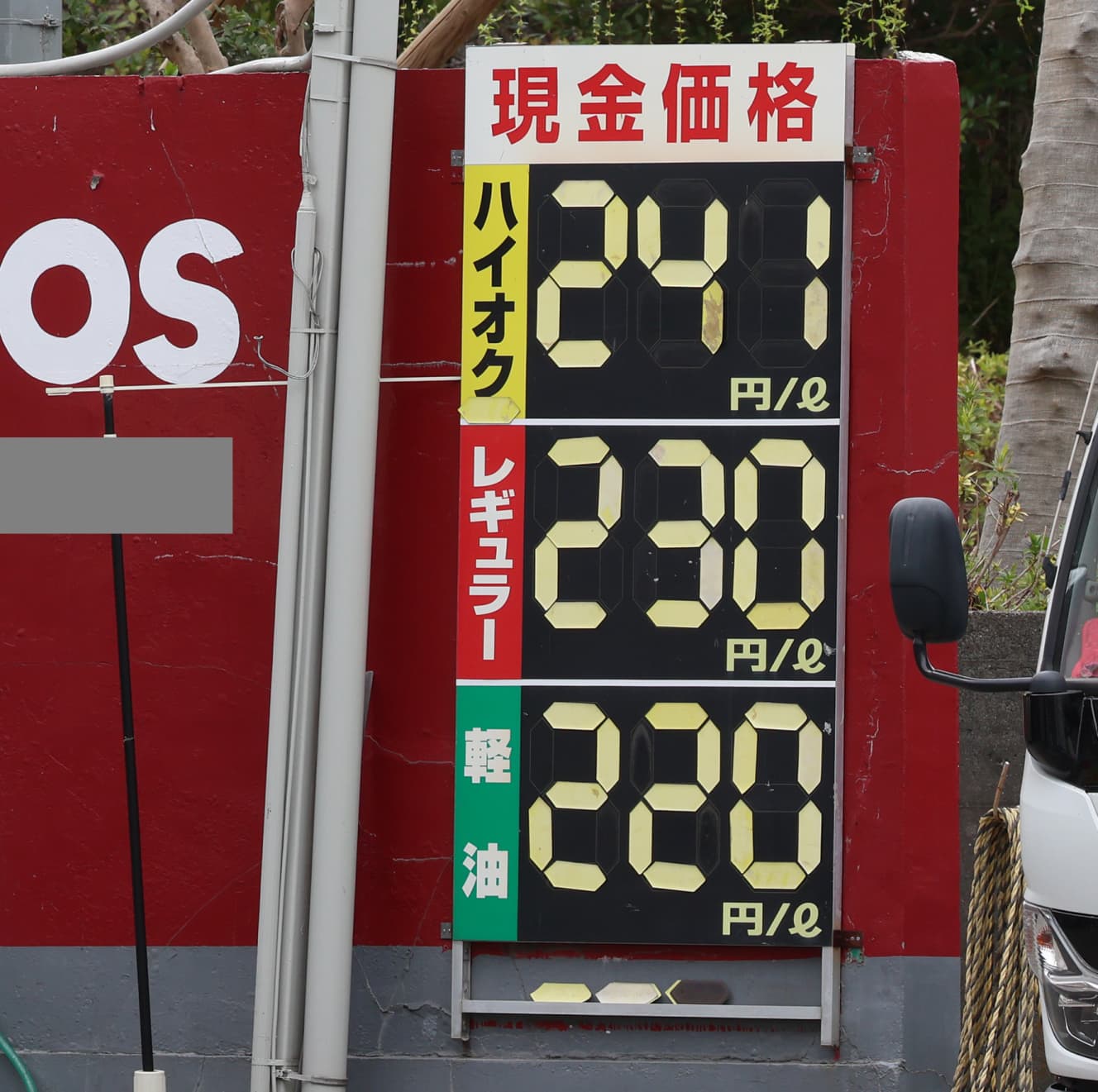
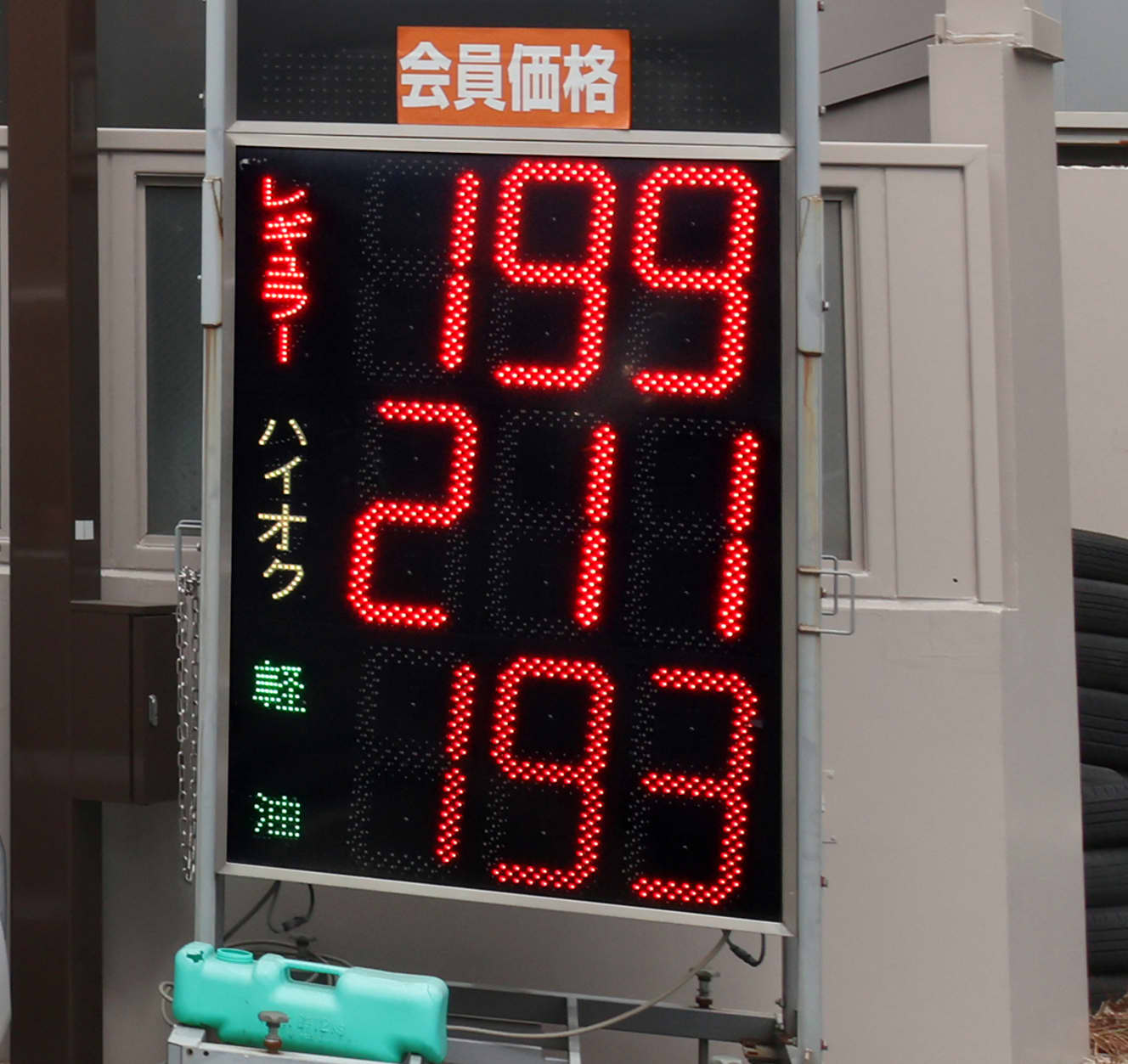
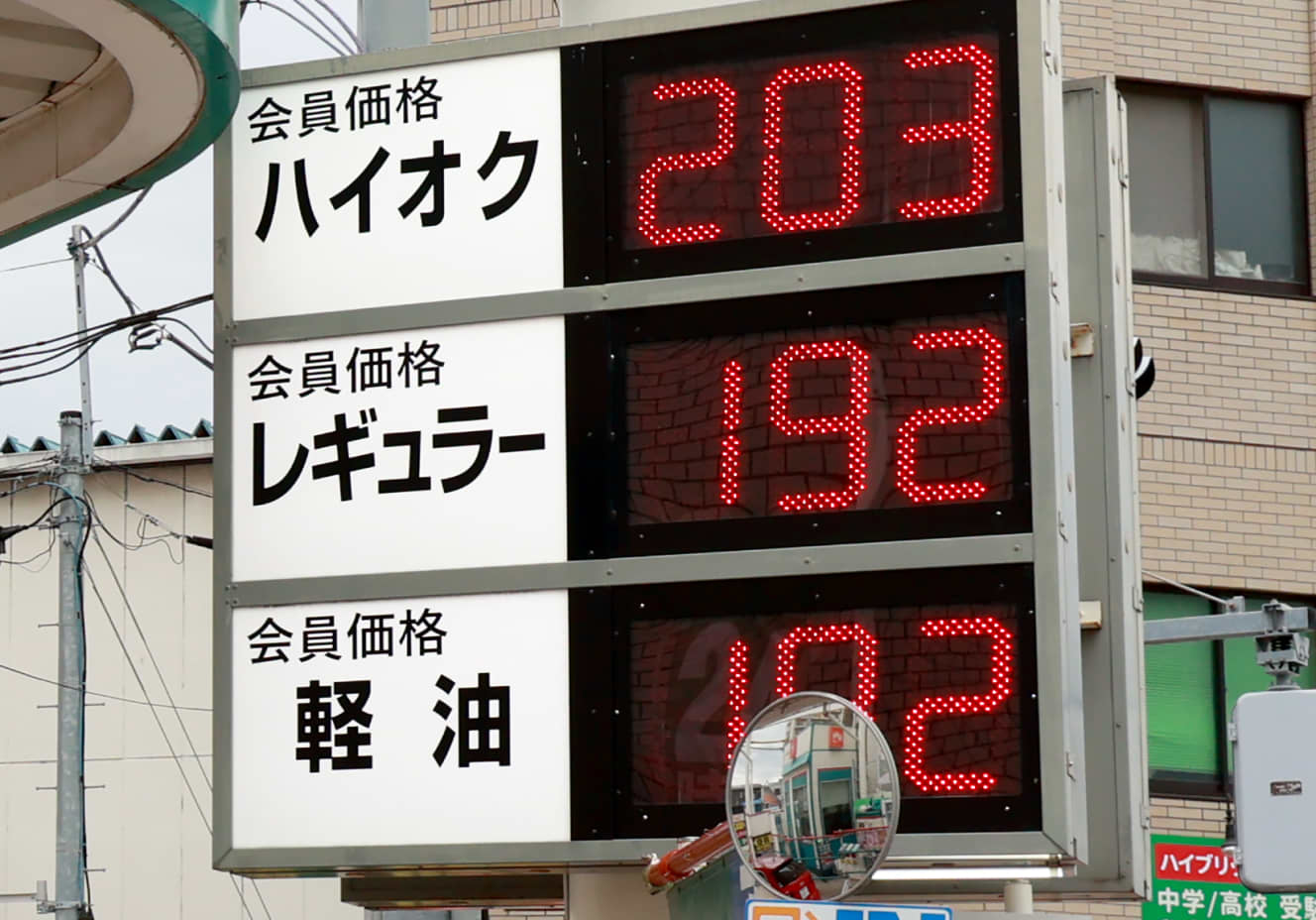
According to data released by the Ministry of Economy, Trade and Industry, the price of regular gasoline was 190.8 yen per liter as of March 16. A visit to a gas station in Tokyo by a FRIDAY reporter revealed that gasoline prices were commonly over 190 or 200 yen, and there were even gas stations selling gasoline for over 230 yen (first photo). Takeshi Ueno, chief economist at Nissay Research Institute, explains the background behind the sharp rise in prices.
Following the attack by the U.S. and Israel, Iran has effectively blocked the Strait of Hormuz. The major artery through which 20% of the world’s crude oil and petroleum products are said to pass was closed. Iran also attacked energy facilities in neighboring countries such as the United Arab Emirates (UAE) and Qatar. The international supply-demand balance was severely disrupted, causing crude oil prices to soar, which in turn affected domestic gasoline prices.
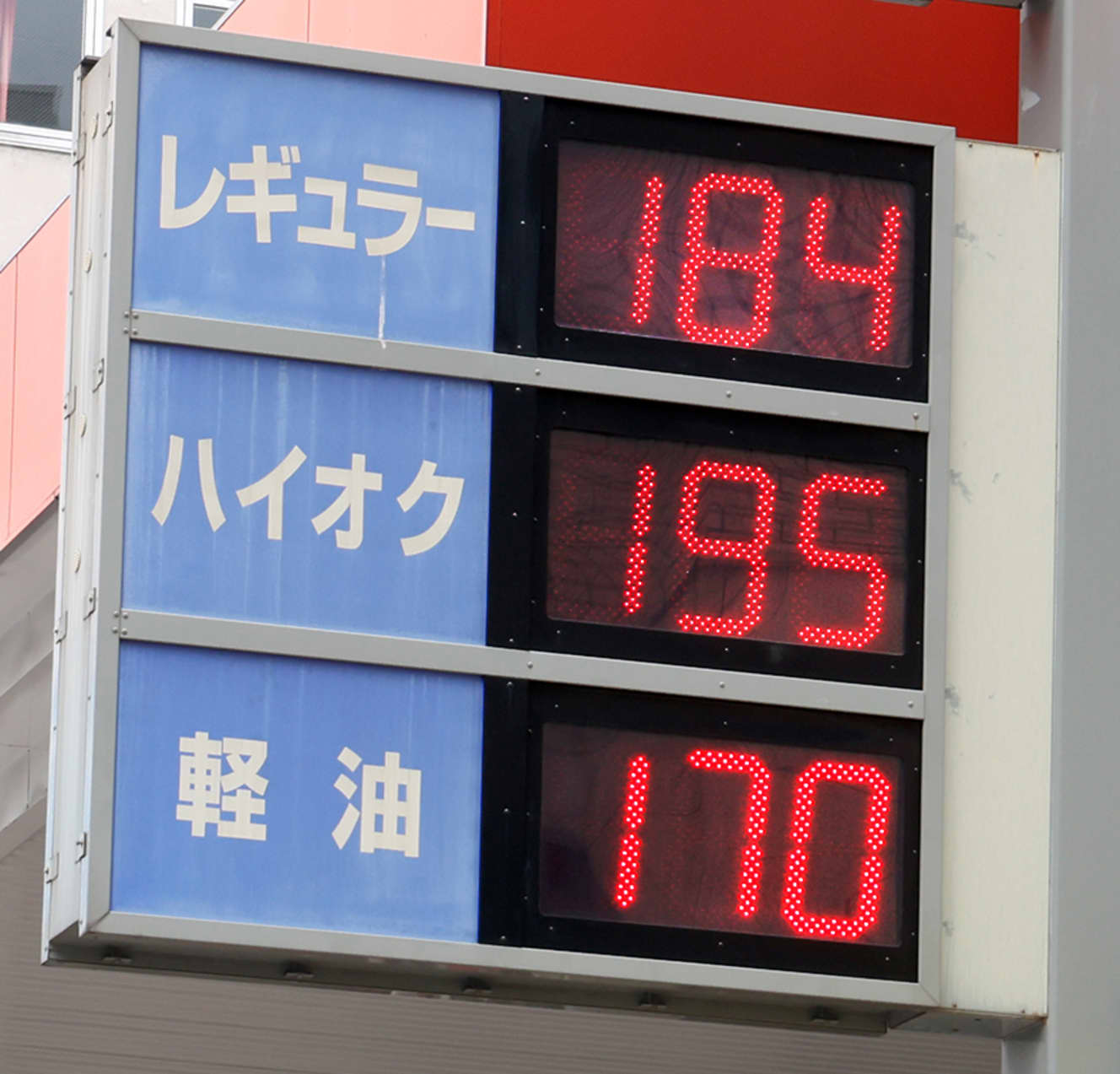
The government, taking a serious look at the situation, began releasing oil reserves on March 16 and resumed subsidies to oil wholesalers on March 19. As of March 22, the government had managed to keep the price at around 170 yen per liter. The government and private sector have a combined 240 days of oil reserves remaining, so there is no concern that the reserves will be depleted soon, but there is a large cost involved in lowering the price. Mr. Ueno continues, “The balance of subsidies is 2,800 million yen.
The government has decided to inject 800 billion yen from the current fiscal year’s budget reserve of 810 billion yen. If that too runs out, we will have no choice but to inject the reserve budget for the next fiscal year or set up a supplementary budget. If the war between the U.S. and Iran is prolonged, the government will have no choice but to continue to invest a large amount of money.
At the Japan-U.S. summit meeting with Prime Minister Sanae Takaichi (65) on March 20, President Donald Trump (79) appealed to his bullish attitude, saying, “The war will be over soon,” but the current situation is not so sweet.
The blockade of the Strait of Hormuz will destabilize the global economy, which is a negative for the United States. Trump probably does not want to prolong the war. On the other hand, he said of the election of his second son as successor to Iran’s Supreme Leader Ali Khamenei, who was killed in an airstrike, “It is unacceptable. We need someone who can bring harmony and peace. The two sides are unable to back down, and the situation appears to be protracted,” said Toshihiro Yamada, an international journalist.
Everything is going up in price.
The Nikkei 225 fell as much as 2,600 yen at one point on March 23.
Crude oil, also known as the “rice of industry,” is used for all kinds of things. Infrastructure such as electricity and gas, detergents and shampoo, and house-grown agricultural products that use electricity, to name a few. Rather than raising the prices of these items all at once, they will probably go up slowly and gradually over a period of six months to a year or so. In other words, this year will be a year of price hikes.
Among other things, detergents and polyester containers, which are made from petroleum, will suffer tremendous damage. Prices could be 1.5 times what they were before the war started. As gasoline becomes more expensive, demand for bioethanol as a substitute tends to flourish. Since corn and other grains are needed to produce bioethanol, the price of grains will also rise. This means that the price of meat from cattle and pigs that are raised on grain will also rise. In six months, the price may go up by 10% to 30%,” said economic journalist Hiroko Ogiwara.
The aforementioned Ms. Ueno believes that “price hikes for electricity will begin in early summer, and for city gas in early fall.
The cost of power generation will rise due to soaring crude oil prices and price hikes for liquefied natural gas. There is a time lag of several months before this is passed on to consumer prices. Electricity prices will start to rise from the beginning of summer to the beginning of fall. However, households with market price-linked contracts will be affected immediately. This is because wholesale electricity prices have soared to almost double what they were before the war began, due to the current surge in oil prices.”
On international flights, a “surcharge” is added to the ticket price to help airlines cope with fluctuations in fuel costs.
Cathay Pacific Airways of Hong Kong, which has many Japanese passengers, doubled its surcharge on March 18. Australia’s Qantas Airways has raised its fares by a flat 5%. Airlines from Thailand, Canada, New Zealand, and other countries around the world are planning to raise their fares.
Currently, ANA and JAL have announced that surcharges for tickets issued in April and May will remain unchanged, but estimates indicate that fares will have to increase by about 30% compared to FY ’24 to compensate for rising fuel costs. It is generally said that it will be 3-4 months before the fuel cost hike is reflected in consumer prices, so there is a possibility that a significant price hike will be implemented after June.
This is just the beginning. The “Trump” oil shock will hit our households in earnest from now on.


From the April 10, 2026 issue of FRIDAY
PHOTO.: Kazuhiko Nakamura (gas station) Afro