Why Taxis Ignore Raised Hands and How App-Only Rides Are Replacing Street Hails in Cities


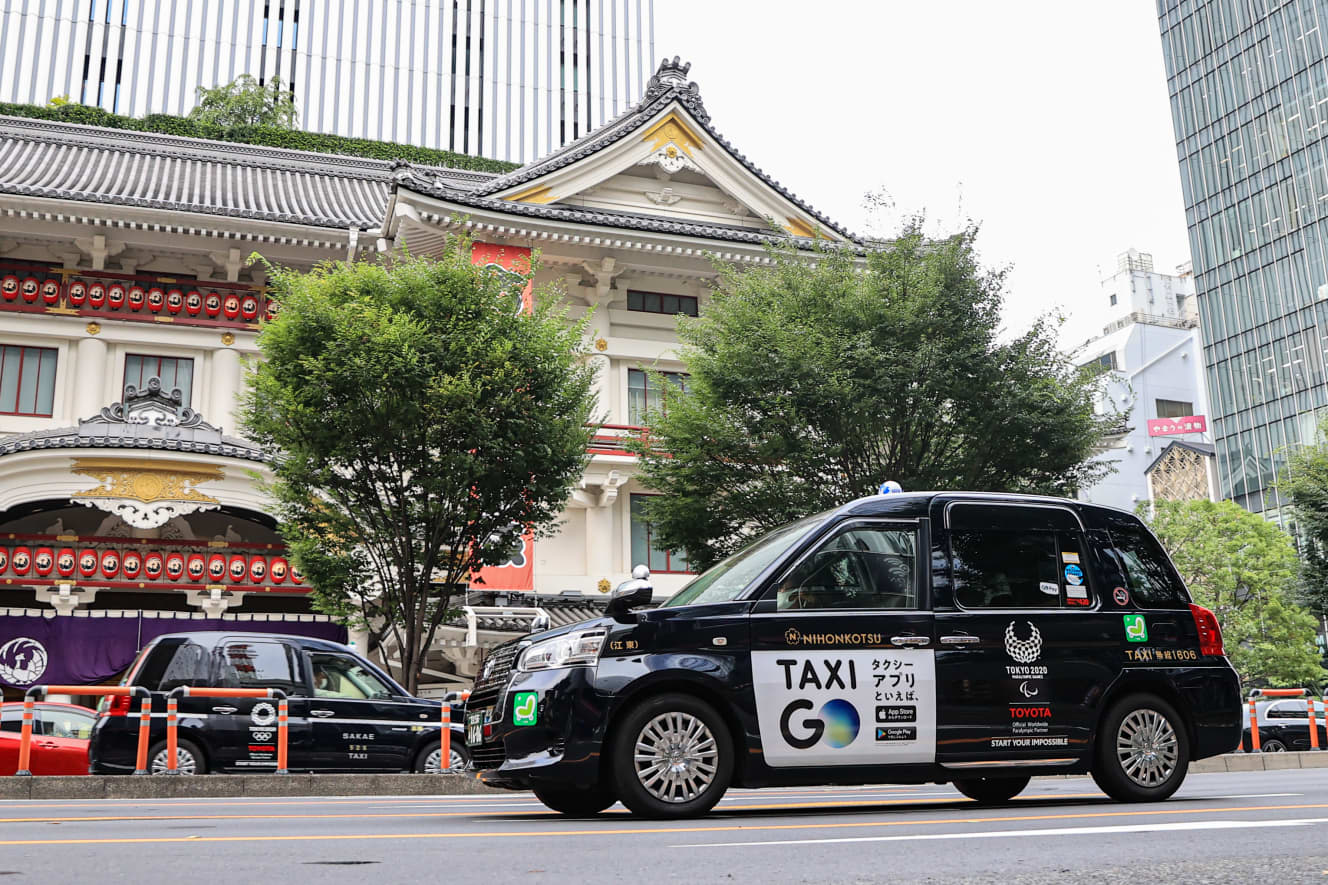
Why did they disappear? The mystery behind the sharp decline of street-hailed taxis
“Even when you raise your hand, only pickup taxis pass by.”
Recently, the number of taxi refugees in Tokyo has surged. Even though it used to be easy to hop in a taxi for a base fare of 500 yen, the crucial empty taxis are disappearing from the streets. Why have street-hailed taxis vanished so dramatically?
To understand the underlying issues, mobility journalist Masayuki Moriguchi, an expert on transportation infrastructure, explained the taxi industry’s pressing circumstances.
The author, who has poor eyesight, often mistakes the taxi’s display lights, confusing pickup for empty, and frequently gets frustrated as these pickup taxis pass by. But what does pickup actually mean?
A pickup display indicates that the taxi is heading to a customer who called by phone or through a ride-hailing app (if the time is pre-scheduled, the display shows reserved).
In rural areas, where the number of taxis is limited and ride-hailing apps may not be supported, phone-based bookings remain common. In major cities, however, app-based dispatching is becoming the standard.
As of the end of 2024, 16.64 million people were using taxi apps, and this is projected to reach 20.55 million by the end of 2027 (according to ICT Research Institute’s survey on taxi apps and ride-sharing usage). GO, the dominant app, surpassed 30 million downloads in July 2025.
The decrease in “empty taxis” is linked not only to labor shortages and the rise in app users but also to the nature of “street-hailed” operations. Moriguchi explains:
“Data from the Ministry of Land, Infrastructure, Transport and Tourism shows that empty taxis have higher accident rates. The main reason seems to be that street-hailed drivers must pay attention to passengers raising their hands on the roadside.
Street-hailed driving also relies heavily on experience. Veterans who know the best times and locations to pick up passengers have an advantage, whereas younger drivers are at a disadvantage. Because of this, many young taxi drivers prefer not to operate on the streets. As a result, companies are introducing app-only taxis to reduce street-hailed driving and secure drivers.
Taxi demand has recovered since the COVID-19 pandemic, but labor shortages continue. While the number of young drivers is increasing, veterans are retiring. This means that the proportion of drivers actively doing street-hailed operations has declined.”
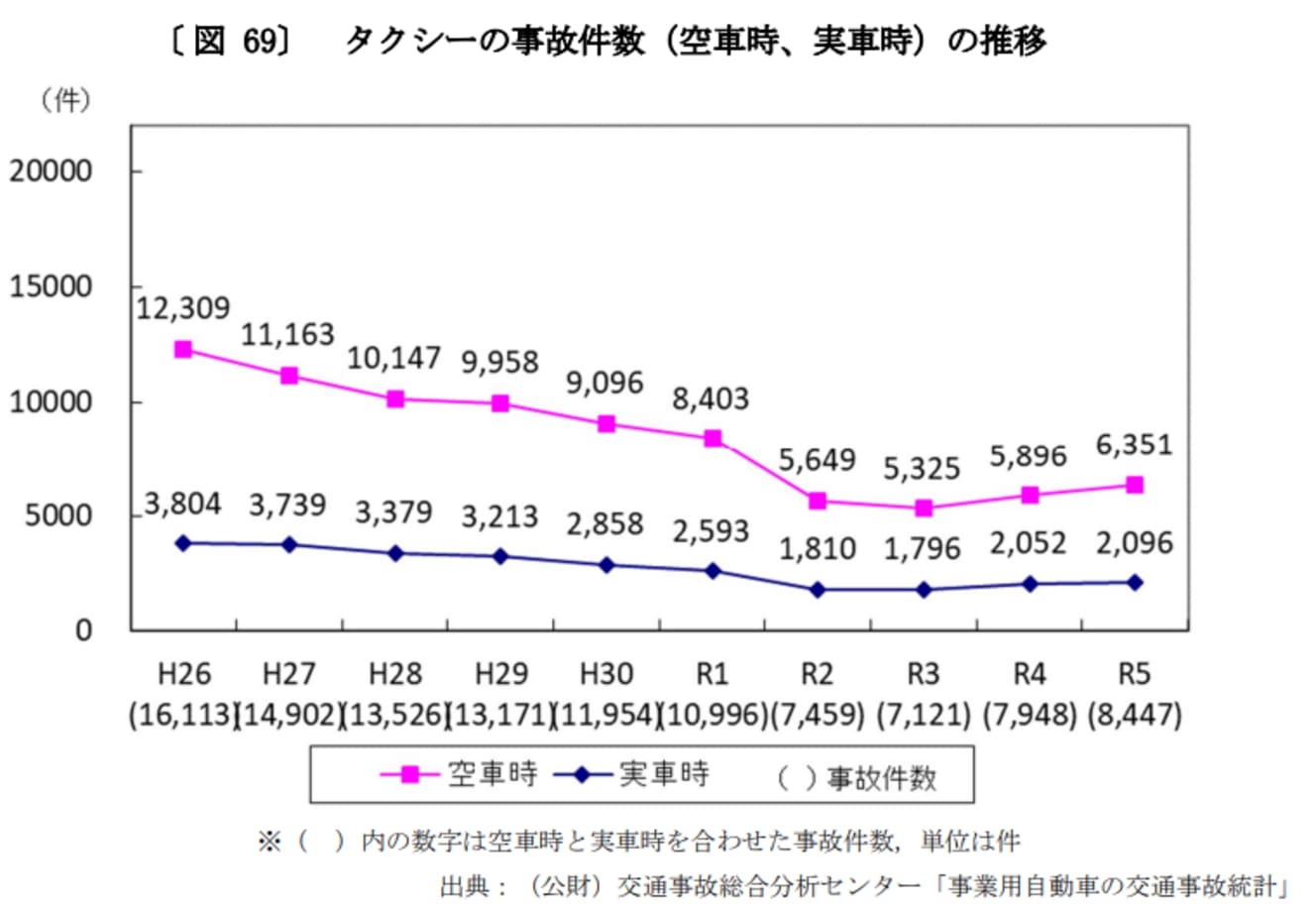
He also explains that the rise in inbound tourism is another reason why empty taxis on the streets have decreased.
“Before COVID, taxi drivers could head to downtown areas after 11 p.m. and pick up long-distance passengers. Nowadays, there are fewer late-night riders. Inbound tourists have become an alternative source of passengers, which may have caused street-hailed taxis to concentrate in areas popular with tourists or at major transport hubs.”

People call taxis via apps even at a loss
Currently, Japan has numerous ride-hailing apps such as GO, S.RIDE, DiDi, and UberTaxi, and competition among them is fierce—ushering in a true app-based taxi era.
When using these apps, it’s common to pay an app handling fee of around 100 yen and a pickup fee of 300–500 yen in addition to the fare. While a 300–500 yen fee on top of a 500-yen base fare isn’t trivial, more people are willing to pay for the convenience, and Moriguchi explains why:
“In modern times, with more people not owning cars, even younger people frequently use taxis. Short trips can often be handled by shared bikes, so taxi usage tends to be for distances costing at least 2,000–3,000 yen, making a 300–500 yen pickup fee acceptable.
With a ride-hailing app, you know exactly when the taxi will arrive, so you don’t have to wait in the heat or cold for an empty cab. Wait times are usually just a few minutes up to ten. Unlike calling by phone, you don’t need to explain your pickup location, and you can see the estimated arrival time and fare. If you register a credit card or other payment method, you can pay online, making it easier. The benefits outweigh the pickup fee.
For example, I usually drive my own car, but on business trips I use ride-hailing apps. The other day, I was leaving early from Shibuya to catch a limousine bus, but the tickets were sold out. There were no empty taxis at the stand, so I quickly used an app. I was worried about missing my flight, but the taxi arrived in five minutes. It saved me.”
Still, elderly people who aren’t comfortable with smartphones or apps, or those needing a short ride, sometimes struggle to find a taxi. You often see seniors waiting by the roadside for a long time.
Moriguchi notes that street-hailed taxis will never disappear, but going forward, it may be important for users to actively voice their continued demand for them.
Revenue decline too. The ethics of simultaneous app bookings
He also points out the drawbacks of having multiple ride-hailing apps in this era of app dominance.
“In other countries, ride-hailing apps are often limited to one organization per city, but in Japan, even within Tokyo, multiple apps can be used, which can create problems. For example, some users book multiple apps simultaneously and get into whichever taxi arrives first, canceling the others. For taxi companies, this means they cannot respond to other ride requests, which can lead to a decline in revenue. I think users should choose one company each time they use a service.
Personally, I think one organization per city, like overseas, is ideal. It might be difficult for foreign companies like Uber and DiDi, but if GO and S.RIDE were integrated, it would probably become much easier to use.”
In recent years, new services accessible via ride-hailing apps have also been emerging.
These include shared taxis, which match users going to nearby destinations to share a ride, and pooled taxis (demand-responsive transport), where multiple passengers share a single vehicle and are dropped off sequentially at their destinations. “Ridesharing,” in which individuals use their private vehicles for paid trips, has also started. All of these can be used through a ride-hailing app (or a dedicated app).
Furthermore, autonomous taxis (robot taxis) are said to begin operating this year. According to Moriguchi, the day when ‘driverless taxis’ roam the streets is approaching.
This diversification of taxis is expected to help solve issues like driver shortages and transport difficulties for mobility-impaired users.
“The familiar sight of a taxi stopping when you raise your hand is becoming a thing of the past. The era of street-hailing disappearing and driverless taxis hitting the streets is just around the corner.”
▼ Masayuki Moriguchi, Mobility Journalist. After graduating from Waseda University, he worked in a publishing editorial department and became a freelance journalist in 1993. He reports on domestic and international traffic and urban affairs through magazines, TV, radio, the internet, and lectures. In 2011, he founded Mobility City Inc., conducting research and consulting to address mobility and urban development issues. His publications include “MaaS Changes Local Communities: Sustainable Regional Transport Methods,” “MaaS Introduction: Smart Mobility Strategies for Urban Development,” “Autonomous Driving is Starting: What Will Society Become!?,” “Traffic Revolution Expanding from Toyama,” and “The Parisian Challenge to an Environmental Society.”
Interview and text: Keiko Tsuji PHOTO: Afro