Clutch Gene Unlocked Why Ohtani Owns the Big Stage


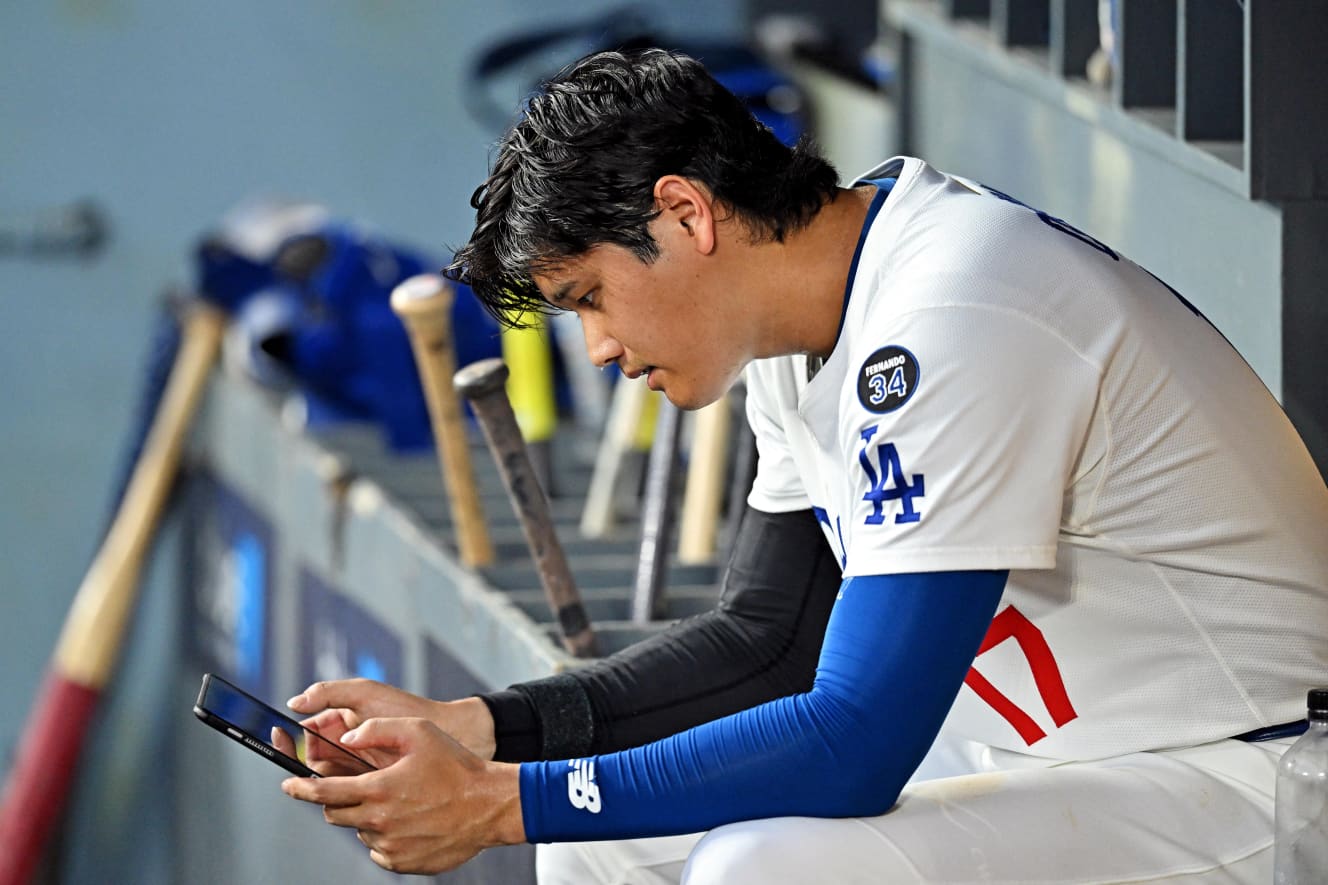
Young athletes awaken by breaking coach-dependence
At the WBC, Japan was eliminated in the quarterfinals, falling short of a consecutive championship.
“But I think their skill level is world-class. It’s no exaggeration to say that Japanese athletes are dominating the world right now. I’m the same age as Ichiro, but when we were young, we could never have imagined Japanese players thriving in the NBA. It really feels like a generational leap,” says Professor Sugao.
Indeed, several Japanese baseball players succeed in Major League Baseball, and Japanese soccer players are active in clubs around the world. In the NBA, there’s Rui Hachimura and Yuki Kawamura.
What stands out most are the teenagers and early-20s athletes. They appear unflinching even on the Olympic stage. Where does this mental strength come from?
“The biggest change, I think, has been coaching. Previously, instruction was very directive—the coach told athletes exactly what to do. This created strong coach-dependence, leaving athletes unable to manage their own minds. As a result, they couldn’t perform under pressure,” explains Sugo.
According to him, mental training was first introduced in Japan after the 1984 Los Angeles Olympics. Japanese athletes performing well domestically all suffered defeats internationally, while Americans, who won many gold medals, were already practicing mental training. This prompted Japan to begin as well.
Until then, Japan’s sports world followed the “Follow me” style of coaches and directors, which sometimes included violent guidance. Thinking “If I fail, I’ll get yelled at again” caused both mind and body to shrink.
“By changing this approach and promoting guidance that encourages athletes to notice and think for themselves—fostering autonomy and independence—these educational activities have finally started to take root,” Sugo says.
Young athletes’ success may be due to a shift from imposed training to training where they take the initiative.
Ohtani also practices turning failure into data
A crucial part of athletes’ self-awareness is reflection. Keeping a daily practice journal allows them to review the day, notice their mental and physical states, and learn to manage them effectively.
“No matter how great an athlete is, they’ve gone through difficult periods, poor results, and repeated failures. What’s remarkable about top athletes is their ability to recover from that. They turn failures into data for future success. I hope people learn from that mindset.”
Another important point is goal-setting.
“Never forget that outcome-focused goals, like ‘I want to win,’ sit at the top of the pyramid. You have to build the foundation from below. You need to structure your daily efforts, breaking long-term goals into concrete, action-based process goals.”
Shohei Ohtani’s famous goal-setting sheet from high school illustrates this perfectly. His ultimate goal was to be drafted first by one of eight teams. To achieve it, he created eight key categories—physical training, character, mental, luck, etc.—and for each, listed eight concrete actions to pursue them.
“That’s incredible. Most people couldn’t even come up with eight keywords. You don’t need to make it that perfect, but once you set a goal, the key is translating it into actionable steps.”
This approach applies beyond athletes. If you set a goal like get promoted in a year or earn a certification, you must act today rather than thinking, ‘I’ll start tomorrow.’ Without completing those steps, victory cannot be achieved.

Freed from Pressure! How Gen Z Competes
Professor Sugo says that the success of young athletes is not just due to changes in coaching methods or mental training.
“In the past, competing in the Olympics felt like going to a battlefield—you were representing your country’s prestige. If a highly expected athlete failed to deliver results, the backlash could be severe.
Nowadays, however, there are many international competitions, and playing overseas doesn’t carry the same intense pressure. There are occasional issues like abusive comments, but overall, I feel the public is more tolerant.
Athletes can connect with peers via translation apps and keep in touch on social media after competitions. They praise top performers and maintain friendly relationships. Watching this camaraderie is refreshing and feels like a new wind.
Now, competitions aren’t just about fighting—they’re a stage for athletes to express themselves.”
Will Japanese athletes continue to grow stronger?
“Some foreign coaches still think Japanese athletes are reserved or quiet, but recently, Japanese athletes’ strong perseverance and their team-oriented mindset have been increasingly valued.
If these Japanese traits are combined with the rational, Western approach of mental training, I believe Japanese athletes will become even stronger.”
The Soccer World Cup starting in June will be an exciting showcase of their talents.
▼Takayuki Sugo – Professor, Department of Sports Science, Osaka University of Health and Sport Sciences. After serving as a researcher at the National Sports Science Center, he joined Osaka University of Health and Sport Sciences in 2006. He conducts psychophysiological research on athletes’ mind-body interactions, using autonomic nervous system and endocrine function as indicators. Since 2013, he has served as a national team mental coach in golf, providing psychological support to players on the national team and those active on the PGA tour.
Interview and text: Izumi Nakagawa PHOTO: Afro