She Went in for a Simple Operation—And Never Came Back


Court trouble stemming from the director’s abusive remarks
“If only we hadn’t gone to that hospital, my wife wouldn’t have died.”
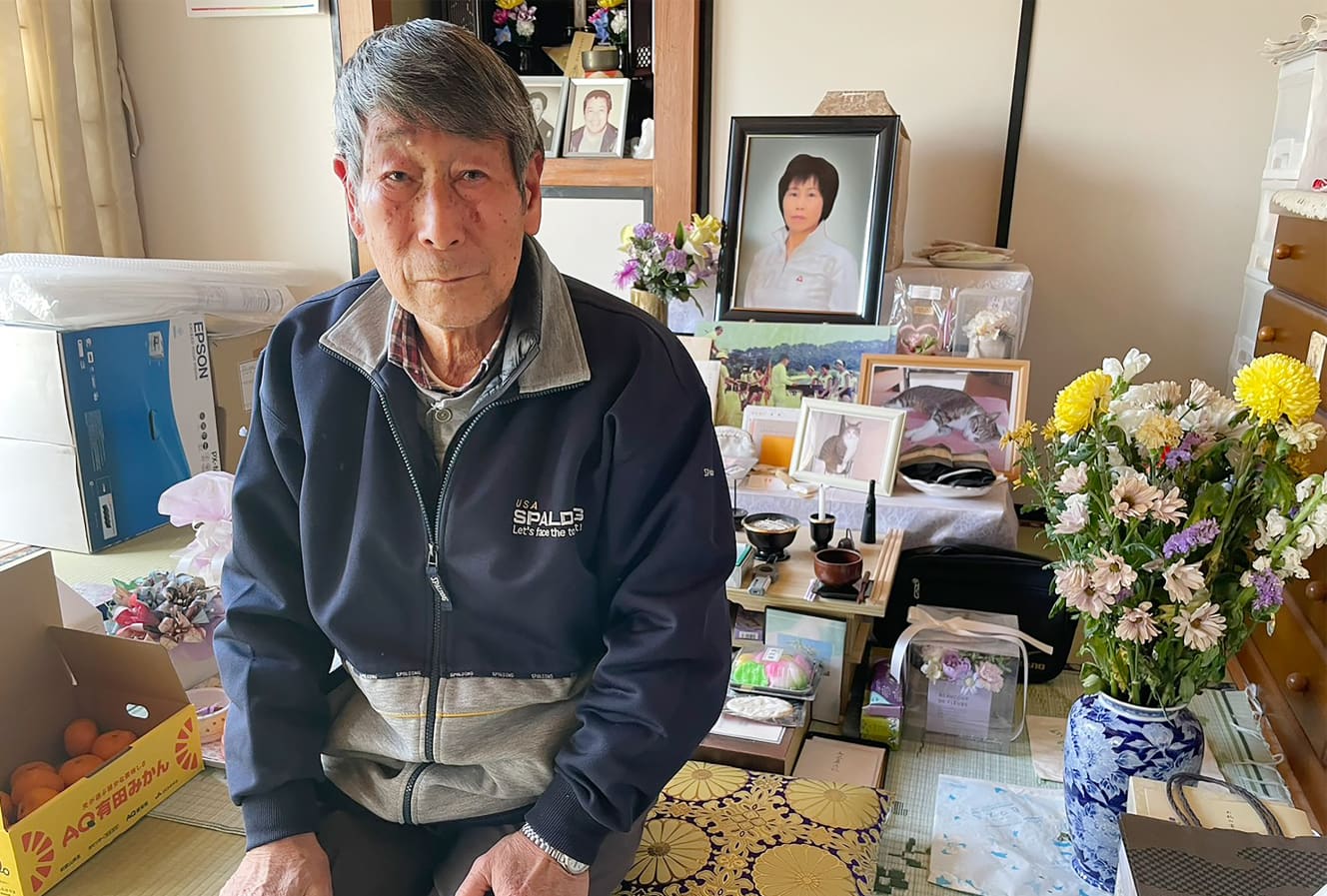
Tetsuyoshi Mori (78), who has been running a construction business in Minamisoma City, Fukushima Prefecture, bit his lip as he said this. Claiming that his wife Asako (aged 68 at death) died after surgery due to a hospital mistake, Mr. Mori is seeking 117.32 million yen in damages from the city that operates the hospital and Mr. A, who was the director at the time.
The tragedy occurred in March 2021. It happened at Minamisoma Municipal General Hospital, which became the last stronghold of regional healthcare in Minamisoma—an area that became an isolated island on land during the Great East Japan Earthquake. This hospital, repeatedly reported on as the closest to the Fukushima Daiichi Nuclear Power Plant, had Mr. A serving as director at the time in 2021, and he was also Asako’s attending physician.
It began when Asako started becoming more forgetful. Multiple hospitals diagnosed her with no abnormalities, but Mr. A declared, “There is an aneurysm in your brain, and it could rupture as soon as tomorrow, posing a risk of death.” He recommended a procedure in which a catheter would be used to fill the aneurysm with fine coils to block blood flow and prevent rupture. Mr. A reportedly explained to the Moris, “It’s a simple surgery that will be over in 30 minutes, and you’ll be able to go play your beloved park golf right away.”
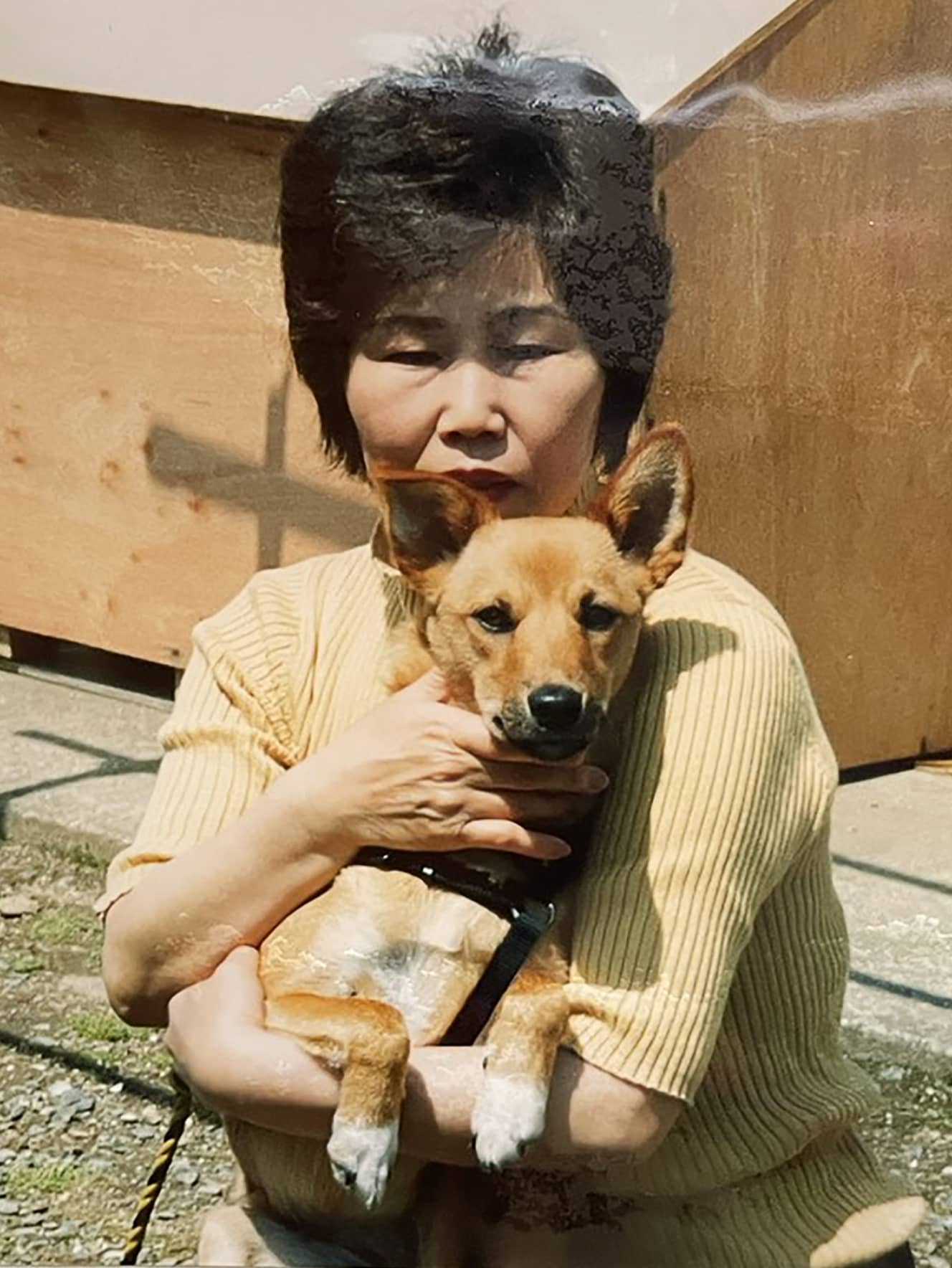
Asako was so passionate about park golf that she had even won national tournaments twice.
“On the day she was admitted, my wife loaded her favorite clubs into the trunk of the car so she could head straight to the course after being discharged,” Mr. Mori said.
In her youth, Asako gave up advancing her education to support the household and became a hairdresser. She had continued cutting her husband’s hair since they were dating, and for Mr. Mori—who laughs and says, “I’ve never even gone to a barbershop”—she was everything in his life.
On the day of the surgery, March 2, 2021, just after 10 a.m., the message Asako sent—“It seems I’ll be going to the operating room before noon”—became her final message. The surgery, which began just before 1:30 p.m., did not end after 30 minutes—hours passed. A little after 4 p.m., Mr. Mori was called to the director’s office and told, in shockingly casual words:
“Well, sir, I’m sorry. It’s turned into a subarachnoid hemorrhage.”
Still shaken, Mr. Mori asked for a detailed explanation, but Mr. A shot back:
“Do you even understand what a subarachnoid hemorrhage is?”
He said it was in a mocking tone. Around 6:30 p.m., he was called again and headed to the operating room, where Mr. A stood in front of the entrance wearing blood-soaked surgical clothes. Blood was dripping onto the floor. There, Mr. Mori says he was pressured to consent:
“To save your wife, we have to cut out and discard one-third of her brain.”
Discard part of her brain—he could not immediately comprehend what that meant and was overcome with fear. All he could do was cling to the blood-covered attending physician in front of him and cry, “Please save her.”
“I told you, I’ve already apologized!”
Seventeen days after the surgery, on March 19, Asako passed away without ever regaining consciousness. While cleaning her body, necrotic skin and flesh crumbled away. “Why did a surgery that was supposed to take 30 minutes turn into something as serious as brain removal? Was there a medical error?” Faced with the unrecognizable state of his wife, such doubts arose in Mr. Mori’s mind.
“The nurses were crying too. They said, ‘We can’t bear to look, it’s so pitiful.’ When I put my hands together in prayer for my wife at the mortuary, Mr. A bowed his head in front of our family and clearly said this: ‘It was a medical accident’.” (Mr. Mori)
However, later on, Mr. A claimed that the bleeding during surgery was merely an unforeseen accident and that the response had been appropriate. He also denied ever saying it was a medical accident.
But the doubts deepened in an unexpected way. When Mr. Mori visited another hospital he regularly goes to for treatment of his own chronic illness, he heard remarks like these from doctors and nurses:
“Why would they perform such a dangerous surgery?”
“It’s being rumored in the municipal hospital’s operating room that it was terrible treatment.”
When Mr. Mori questioned the truth of these statements, Mr. A reportedly flew into a rage.
“Who is saying such things?! I’ll revoke those doctors’ and nurses’ licenses and make them pay damages. I’ll take them to court!”
In fact, Mr. Mori says, “He repeatedly pressured me to reveal the source of the information.” Even later, during a meeting arranged between the hospital and the bereaved family to seek a sincere explanation, Mr. A reportedly raised his voice and said:
“I told you, I’ve already apologized many times!”
At one point, their son, who was present, nearly lashed out physically at the heartless remark.
The claims of both sides remained at odds, and in December 2024, Mr. Mori filed a lawsuit seeking damages. Preparatory proceedings have already exceeded ten sessions.
Amid this, new suspicions emerged. According to guidelines on unruptured cerebral aneurysms, the risk of rupture or hemorrhagic complications during surgery in Asako’s case was positioned in a high-risk group at 5%. Considering her age, the bereaved family argues that “it was by no means a simple surgery.”
In fact, according to the municipal hospital’s patient medical records obtained by Mr. Mori, it is recorded that during surgery, a catheter ruptured a normal blood vessel, and a subarachnoid hemorrhage was confirmed at 2:56 p.m. Although emergency open-brain surgery was necessary, no anesthesiologist was present, so anesthesia was finally administered at 4:41 p.m., and the surgery did not begin until after 5 p.m.
“According to other doctors, the annual rupture rate of an aneurysm like my wife’s, even when estimated high, was only 0.9%, so the need for surgery was extremely low. Their view was that the absence of a standby anesthesiologist was also a problem, and it was an unnecessary and highly dangerous surgery,” Mr. Mori said.
What is the hospital’s position? When asked about the facts regarding the surgical process and Mr. A’s conduct, they responded: “As this relates to medical treatment details and an ongoing lawsuit (omitted), we will refrain from answering.”
After stepping down as hospital director at the end of March 2025 upon completing his term, Mr. A remained at the hospital as an advisor while also assuming the position of the city’s regional healthcare policy supervisor—a post newly established that same year. Mr. Mori expressed his anger:
“Should someone like this be allowed to continue as a medical professional? I want to uncover Mr. A’s wrongdoing and clear my wife’s resentment.”
Fifteen years after the disaster. Has the light of hope that once protected the region at that time now begun to fade?
From “FRIDAY” combined issue dated March 27 / April 3, 2026

Interview and text by: Hironori Jinno (Nonfiction writer) PHOTO: Courtesy of the bereaved family (1st and 2nd pictures)