The Most Hated Girls of Winter Dramas Surprise Fans with Their Real Personalities


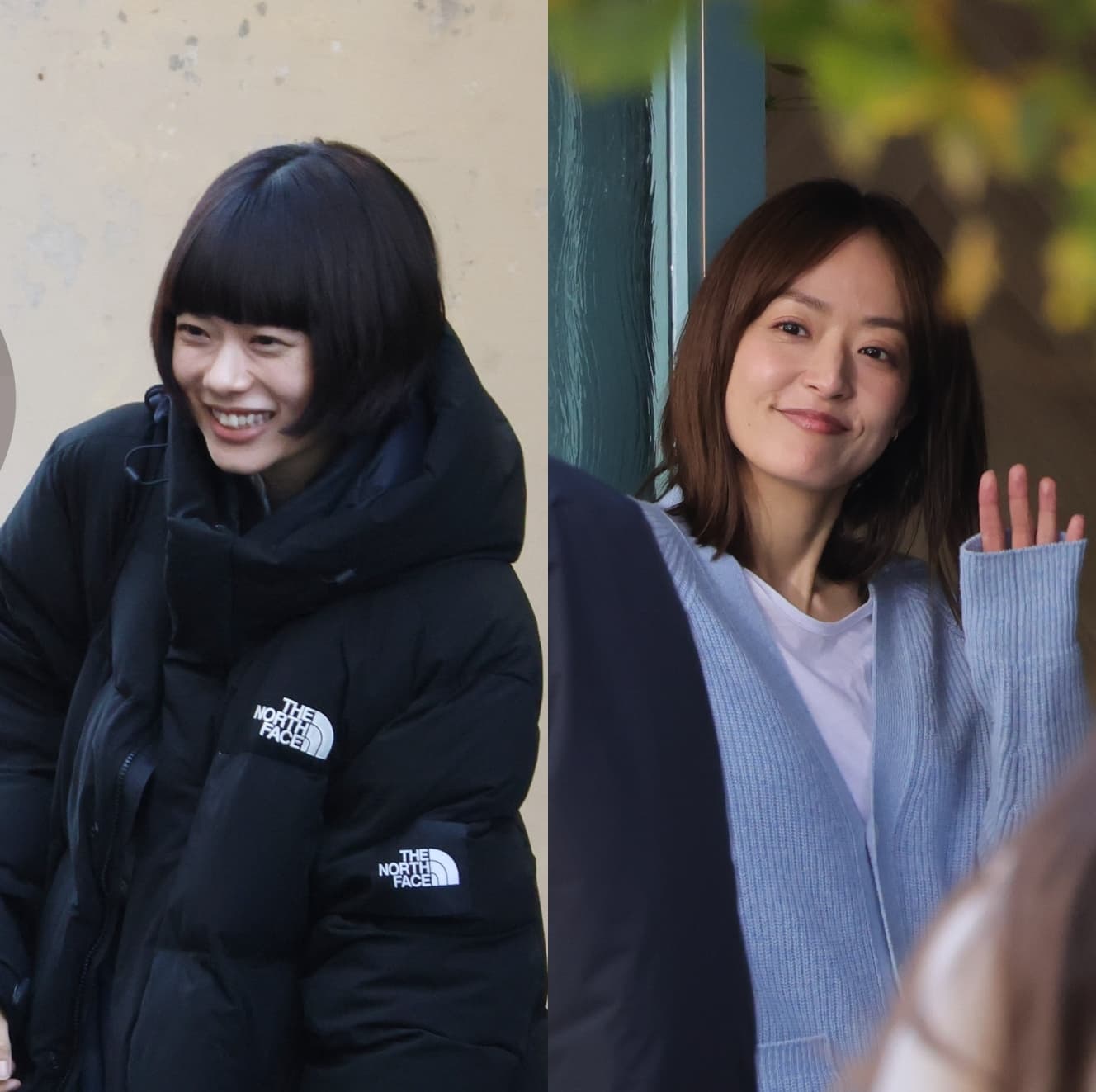
A mini online controversy!?
As winter dramas enter their final stretch, the general consensus has been lukewarm—aside from the Sunday Theater drama Reboot, most shows have been neither particularly good nor bad. It was expected that they would quietly conclude without much fanfare.
However, recently, an unexpected source of attention has emerged. The sparks come from Saikai ~Silent Truth~starring Ryoma Takeuchi and Fuyu no Nanka sa, Haru no Nanka ne starring Hana Sugisaki. On social media, two female characters in these shows are causing a minor stir, with many commenting, “I’d absolutely hate it if a girl like this were in my class!!”
So what exactly has drawn so much negative attention from female viewers? A drama insider explained:
“The characters causing the buzz are Makiko, played by Mao Inoue (39) in ‘Saikai,’ and Fumina, played by Hana Sugisaki (28) in ‘Fuyu no Nanka sa~.’ Typing ‘Makiko’ into a search engine brings up suggestions like dislike, and ‘Fumina’ brings up affair—their actions are really stirring up women’s emotions online. The reason is their cunning charm. They use almost manipulative techniques to captivate all the men around them.”
Here’s a quick overview of each story. In Saikai ~Silent Truth~, four childhood classmates (three boys, one girl) are separated by an incident. Twenty-three years later, a murder occurs in their hometown, prompting a reunion. As the mystery unfolds, their secrets come to light. Behind the scenes, all three boys had liked Makiko since childhood.
In contrast, Fuyu no Nanka sa, Haru no Nanka ne is a straightforward romance centered on 27-year-old Fumina. Her love life is wildly free-spirited: she goes home with a man she meets at a laundromat, continues seeing men despite having a boyfriend, and even tells a man who likes her, “We can’t date, but if you want to sleep together, that’s fine.” This casual attitude makes her extremely popular, and each episode features a different male character.
A romance article writer broke down why these characters provoke such strong reactions among women:
“Makiko is the classic femme fatale. She manipulates situations—using a child as an excuse to get close to Junichi (played by Ryoma Takeuchi), calling him when he’s vulnerable with ‘Come here, right now,’ or innocently touching the body of another childhood friend who has a crush on her. Her suggestive behavior is so sophisticated that other women can’t compete—making her the type of character women love to hate.
Fumina, on the other hand, is the cool yet cunning type. She acts nonchalant, but her gestures—resting her face in both hands while listening, staring straight at someone—are all subtle seduction techniques. Her quirky bob hairstyle, boyish clothing, and even smoking are all calculated. Men don’t notice, so they’re attracted by her seeming lightness. She effortlessly snatches all the attention, which is why other women are highly sensitive to this kind of character.”
Divine response & truly straightforward women
Thus, Inoue and Sugisaki—now attracting unexpected attention as the two major women viewers love to hate—have earned this not just for their characters, but because of their strong acting skills. Of course, their real personalities are completely different.
“Inoue is famous among writers for her divine response. She’s extremely considerate to those around her, and her attitude toward staff is incredibly polite. One writer shared that when they talked about a personal mistake during an interview, she later made a point of saying, ‘Cheer up!’ That’s completely unlike Makiko, whose thoughts are inscrutable!” said a female magazine entertainment editor.
“As for Sugisaki, in terms of being straightforward, she might be similar to Fumina—but she’s genuinely straightforward (laughs). She answers any question lightly, yet honestly. Personally, I was struck when she said, ‘I don’t need holidays. I love work and want to work every day.’ She seems like someone who doesn’t accumulate stress and is refreshingly candid,” said an interview writer.
Professor Takahiko Kageyama of Doshisha Women’s College’s Media Creation Department analyzed the two actresses’ roles in the dramas:
“Personally, I don’t find anything off-putting, but having taught at a women’s university for many years, I can intuitively sense which types of women might be disliked.
In ‘Saikai,’ it becomes clear in Episode 8 that Makiko experienced hardships in the past. On the surface, she seems fortunate, cherished by the men around her, but in reality this contrast is a classic storytelling technique. Of course, viewers who watch carefully understand this, though superficial impressions often miss it.”
The same applies to Fumina in “Fuyu no Nanka “
“If you pay close attention to each episode, Fumina isn’t simply toying with men; she approaches each relationship sincerely. But each one leaves her unfulfilled. She isn’t truly happy—there’s a sense of emptiness she can’t fill. This may connect to her work as a writer, but it’s also a storytelling contrast.
Having dabbled in drama production myself, I’m always amazed at how actresses can portray multiple layers of a character. It’s common for actors to be conflated with their roles, but careful viewing makes it clear, and I want to defend these two actresses.”
With the stories reaching their final arcs, it will be interesting to see how women viewers’ opinions of the two actresses evolve by the time the dramas conclude.
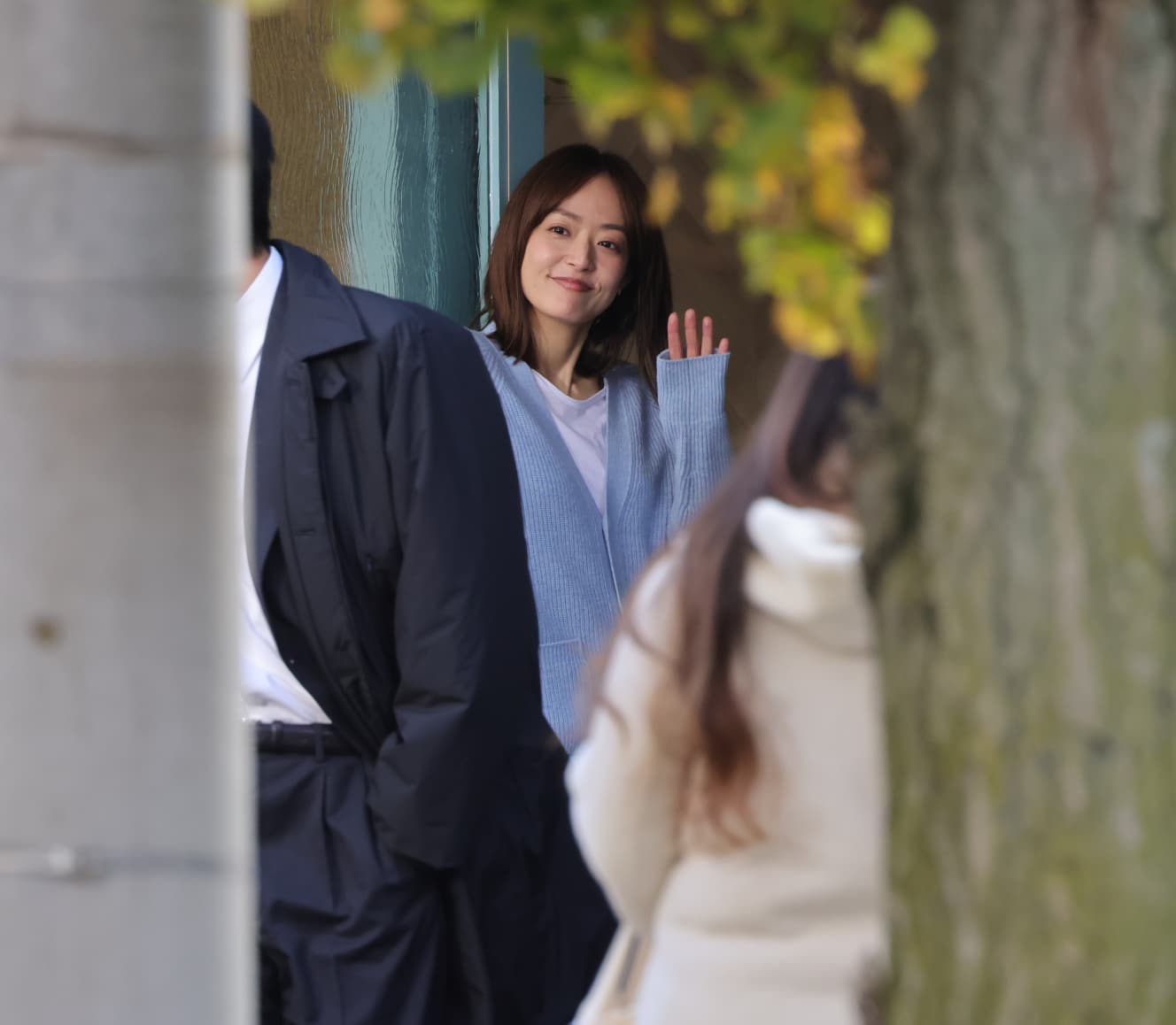

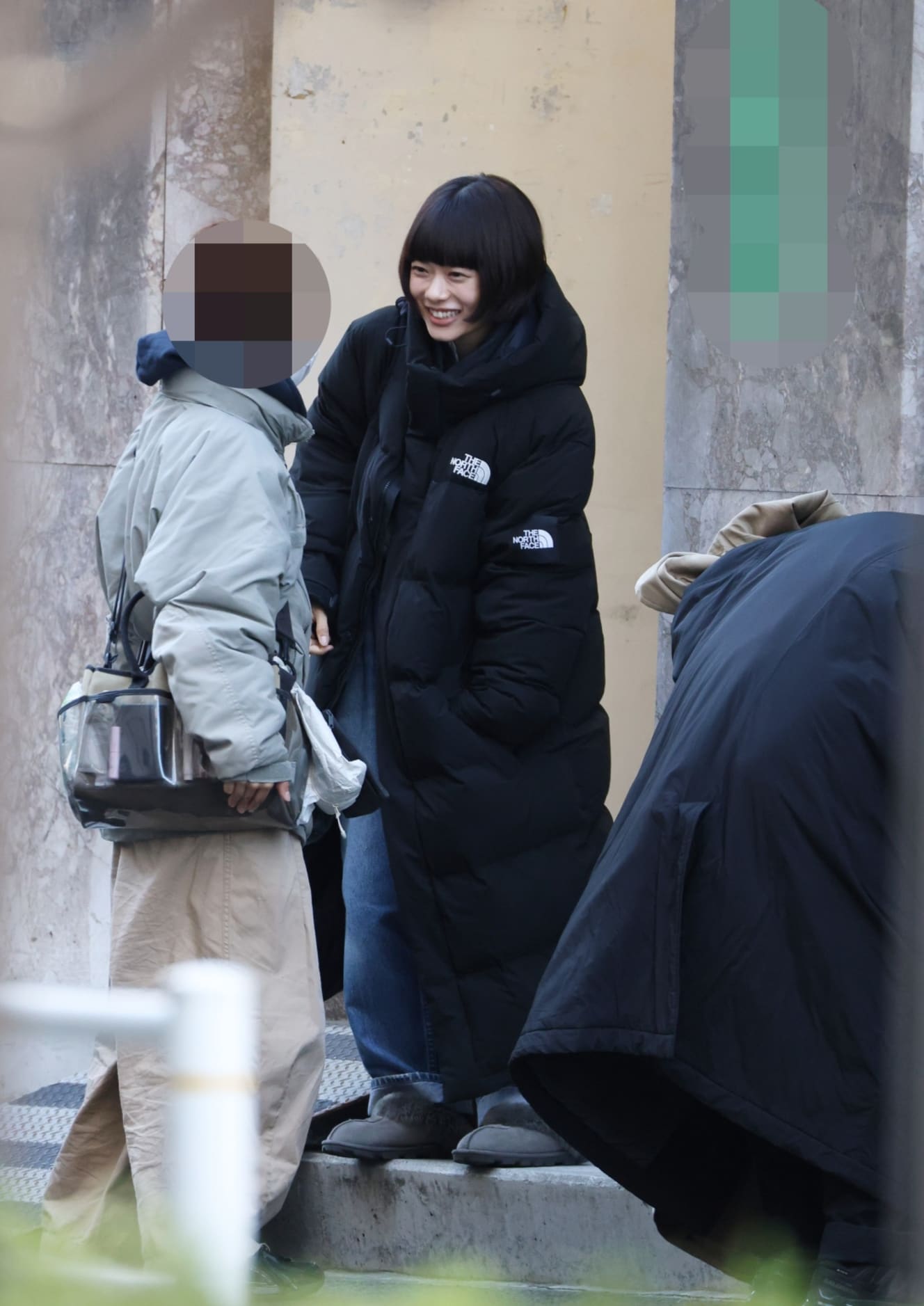

PHOTO: Kumataro Arai