Kanagawa Police Crackdown Chaos Engulfs Ordinary Drivers


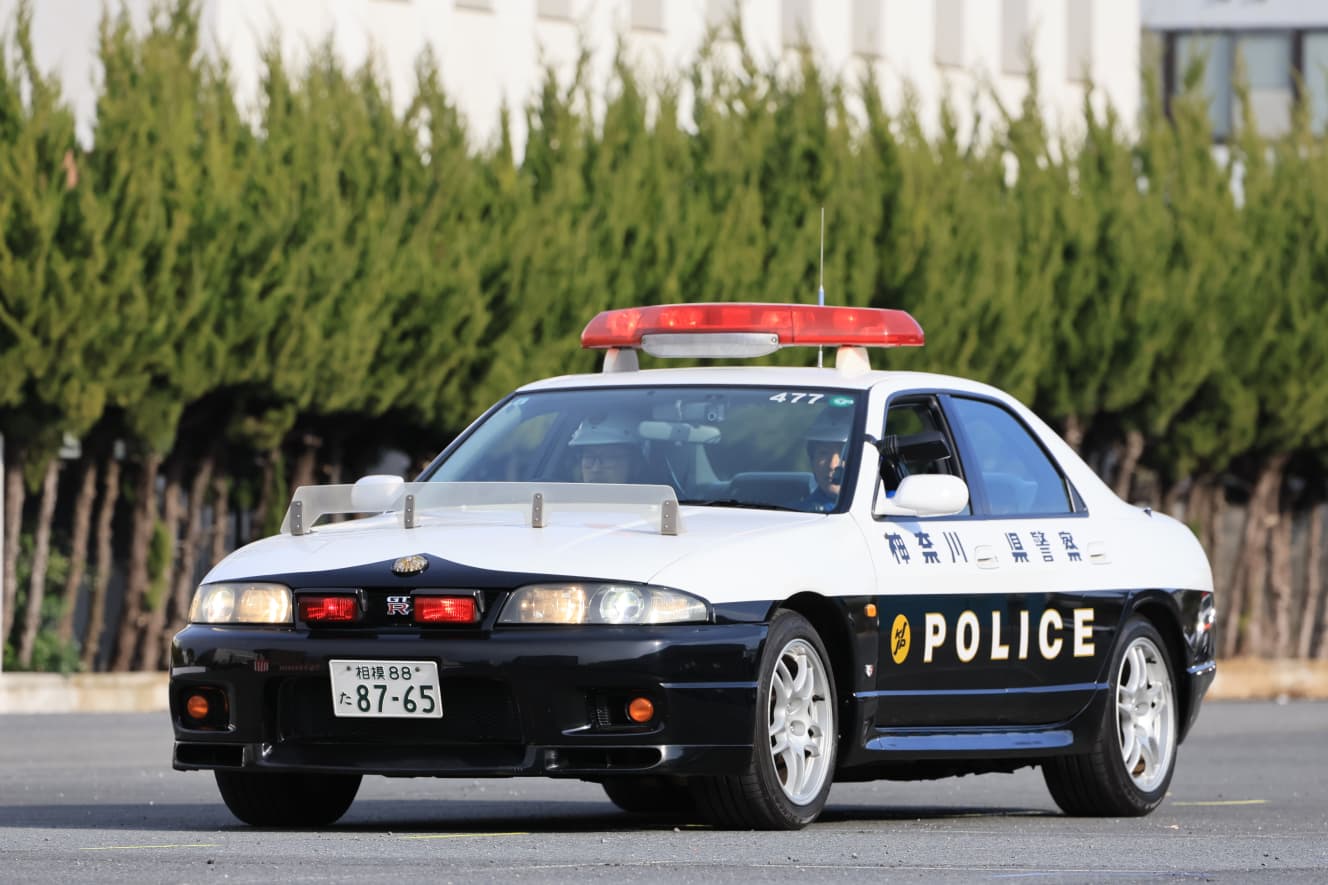
A Kanagawa Prefectural Police–style crackdown that had been normalized for over 30 years
The Kanagawa Prefectural Police has been plagued by repeated scandals, to the point where people say, “Again, Kanagawa Prefectural Police?” and “How many times will it take?” This time, shocking details have come to light one after another regarding traffic enforcement practices.
It was revealed that officers falsified official documents with seals by, for example, recording longer tailing distances on traffic violation tickets than actually occurred. Among seven officers from the Chigasaki substation of the 2nd Company, 4th Squad of the Second Traffic Mobile Unit, one assistant police inspector in his 40s was dismissed, while the other six received suspensions or pay cuts. In total, 24 personnel across the prefectural police were subject to disciplinary action.
Looking back at this incident, we also examine the long-standing, problematic enforcement methods traditionally used by the Kanagawa Prefectural Police.
In this case, more than 2,700 traffic violations were canceled. The setting was the Odawara-Atsugi Road, commonly known as “Oda-Atsu,” a well-known hotspot for enforcement among Kanagawa residents and professional drivers.
This general toll road is about 30 km long and built to expressway standards, but the speed limit is set at 70 km/h. Speed enforcement takes place here day and night, and jurisdiction over this road falls to the aforementioned Chigasaki substation of the Second Traffic Mobile Unit.
Not limited to this road, however, both the traffic mobile units and highway patrol units of the Kanagawa Prefectural Police had long engaged in their own traditional enforcement practices.
“I accelerated because a car behind me was tailgating me, and then I was caught for speeding by an unmarked police car.”
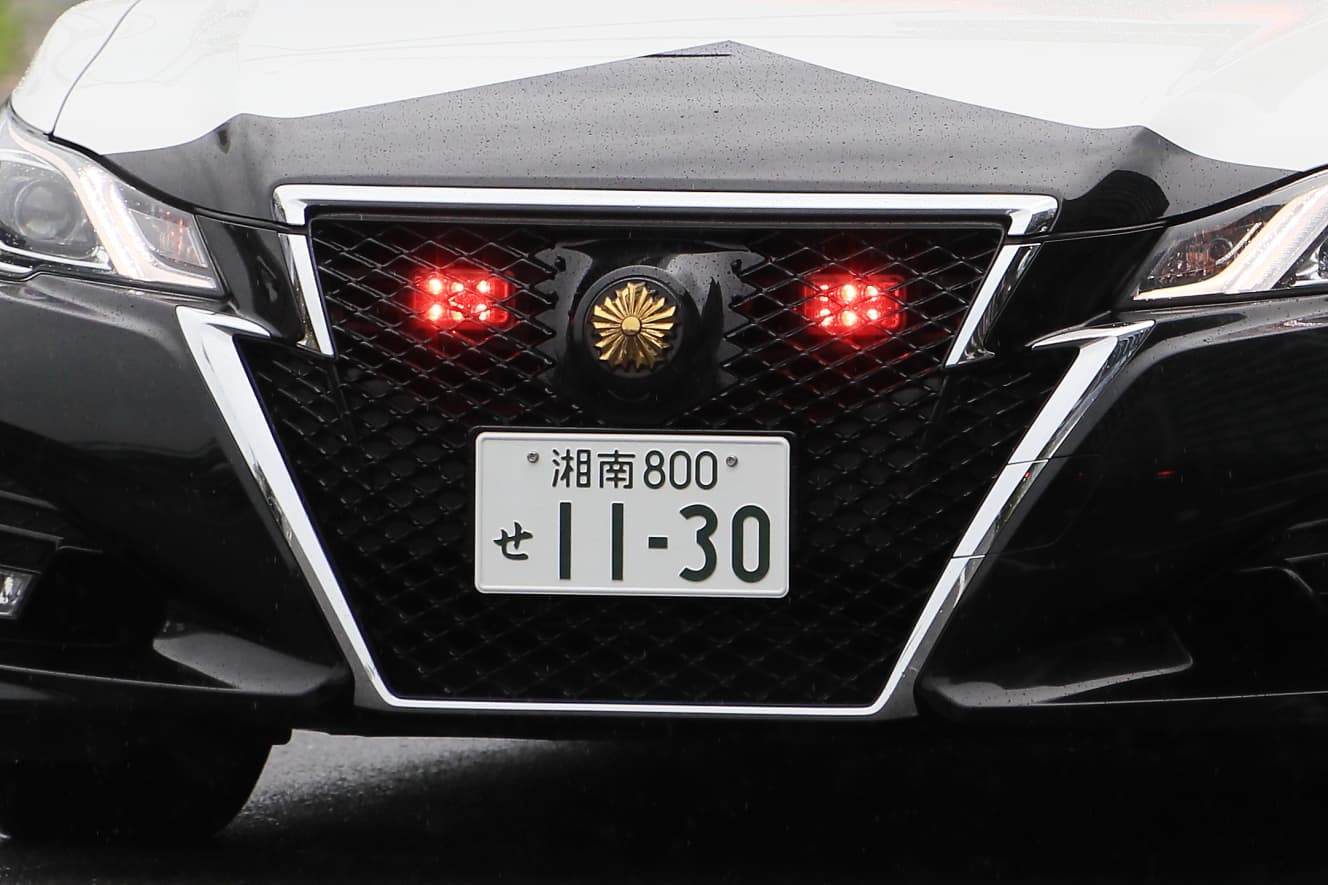
“They were conducting enforcement using only a front-mounted red flashing light on the grille or bumper, so I didn’t notice.”
“I was cited when I accelerated on a merging lane to match the speed of the main traffic flow.”
“A patrol car was driving over 100 km/h without using a siren or rotating red lights.”
These are all accounts from drivers who claimed to have been stopped or witnessed such actions by the Kanagawa police’s traffic and highway units.
Additionally, both unmarked and black-and-white patrol cars used by the Kanagawa Prefectural Police—regardless of manufacturer or model—were traditionally modified to allow only the front-facing red light to flash independently. Normally, front warning lights and rotating red lights are linked to flash together with a single button, but Kanagawa’s vehicles had a special modification known as the “Kanagawa specification,” enabling independent operation of the front light.
This practice was abolished around spring 2022. One reason was that as Toyota Motor Corporation began manufacturing traffic enforcement and unmarked police vehicles—including sirens and red lights—the vehicles could no longer be modified to the Kanagawa specification.
Originally, the ability to operate only front-facing warning lights is limited to police vehicles used for escorting and protecting members of the Imperial family or the Prime Minister, and such vehicles are deployed by police headquarters nationwide.
It was exactly a free-for-all
Why did the Kanagawa Prefectural Police insist on using front-facing warning lights? Because the requirements for speed enforcement stipulate that a red light must be activated.
Article 14 of the Enforcement Order of the Road Traffic Act states: “When a vehicle prescribed in the preceding paragraph is operated for an emergency duty, it must—(omitted)—sound a siren and display a red warning light. However, when a police vehicle is enforcing against a vehicle or tram violating Article 22 of the Act, and when deemed particularly necessary, it is not required to sound the siren.”
For speed enforcement, internal police rules require that the red light be activated; on general roads, a following distance of 50 meters (at minimum 100 meters) must be maintained, and on expressways, 100 meters (at minimum 200 meters). Speed is measured while following the vehicle, and once the violation is confirmed, the red light is activated and the siren sounded before making the stop.
However, in Kanagawa, the measured following distance from speed detection to apprehension was extremely short, and instead of using the roof-mounted red light, officers conducted measurements using only the front-facing warning light. As a result, violators and other drivers found it difficult to notice, making enforcement easier for officers.
A man who operates a private taxi in Yokohama spoke about enforcement conditions in the prefecture:
“I think it was about 20 years ago, but on the Hodogaya Bypass I had my speed measured using only a front warning light. I hurriedly slowed down and avoided trouble, but I remember an unmarked Cedric shouting over a microphone, ‘The limit here is 80!’ and letting me off with a warning. If it had been the Odawara-Atsugi Road, I’d have definitely been caught.
I’ve also seen unmarked cars tailgating drivers to enforce violations on the Daisan Keihin and Tomei Expressway. Back when dashcams weren’t common, it really felt like they could do whatever they wanted. The Yokohane Line and especially the Bay Bridge were also hunting grounds.
I’ve heard from people who were caught that officers would say things like, ‘At this speed you’d get your license suspended or even be arrested, but this time we’ll let you off with something that won’t invalidate your license,’ pressuring them to sign. They pushed right up to the limit. The methods were quite underhanded. Since I heard about similar enforcement in the 1990s, I think it’s been going on for about 30 years.”
In June 2013, then–National Public Safety Commission Chairman Keiji Furuya, a member of the House of Representatives, criticized traffic enforcement, saying, “It is questionable to enforce for about 20 km/h over the limit on straight roads with good visibility and little possibility of pedestrians. It becomes enforcement for the sake of enforcement.” The incident revealed this time is nothing less than exactly that kind of enforcement for its own sake.
Within the Kanagawa Prefectural Police, which is said to have a particularly strong sense of rivalry with the Metropolitan Police Department, there are also voices suggesting that unusual enforcement practices may have been widespread internally in order to maintain high arrest rates.
While there are officers who faithfully carry out their duties, this incident has shaken trust in speed enforcement not only in Kanagawa but also in other prefectural police forces. Although measures such as restoring violation points and refunding fines have been taken, many drivers were downgraded from so-called gold licenses, affecting their insurance classifications.
About 20 years ago, when dashcams were not yet widespread in Japan, they were commonly used by drivers in countries like Russia—where police corruption was prevalent—as a means of self-protection. Ironically, in Japan, dashcams have now become a tool for exposing improper police enforcement. The road to restoring trust in traffic enforcement remains long.
Interview, text, PHOTO: Takuma Arimura