Playback] Actually, there was nothing but uncertainty…Four Problems Faced by the First WBC “Oh Japan


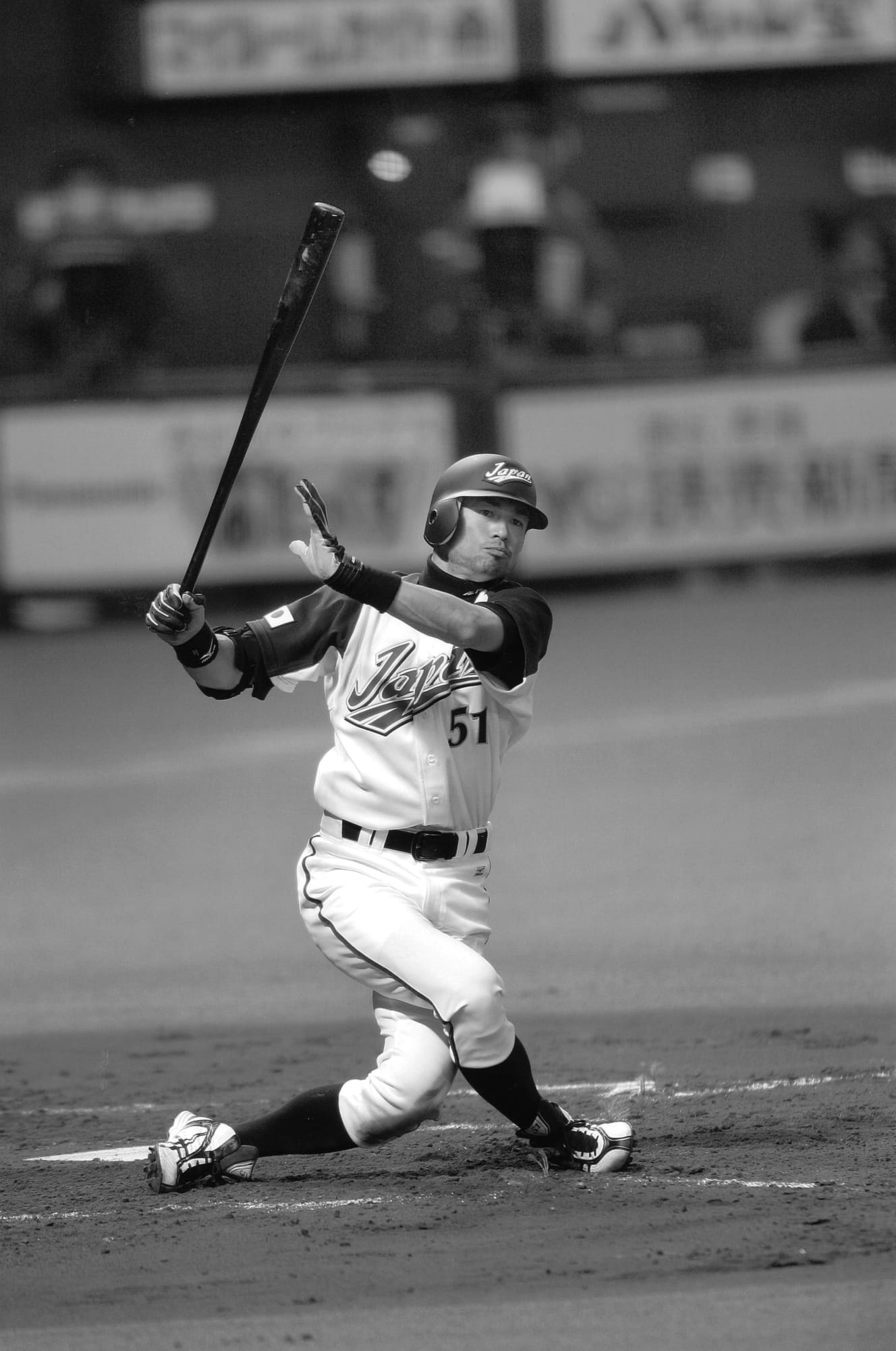
Two of our dependable players…
What did “FRIDAY” report 10, 20, or 30 years ago? In this edition of “Playback Friday,” we revisit the topics that were hot at the time. In this issue, we look back at the March 17, 2006 issue from 20 years ago, “Ichiro and Matsusaka’s poor performance calls into question their true abilities! The “red light” bomb that is the WBC’s “Oh Japan.
The first WBC, held 20 years ago in 2006, was still in a state of limbo and attracted little attention prior to the start of the season. Japan wanted to have a major-league team for the first time, but only Ichiro (Seattle Mariners, 32 at the time) and Akifumi Otsuka (Texas Rangers, 34 at the time) were able to participate. Furthermore, it took until the last minute for the team to be confirmed. The following is an article written just before the start of the first round league, which was filled with many other uncertainties (the descriptions in parentheses are taken from past articles; titles are those of the time).
The opponents in the Asian round, the first round league, are China, Taiwan, and South Korea. Japan was sure to get through this stage, but the team was in a “lousy” condition to go beyond that point. The team’s send-off games against the 12 teams selected and Lotte on February 24-26, 2006, were not as good as they could have been. The article at the time listed four problems with the team.
(1) Concerns about Ichiro, who is not in his best form
Ichiro is the only two active major leaguers in the Oh Japan team. He has shown leadership by directly coaching Nobuchika Aoki (Yakult, 24 at the time), a 200-hit man like himself, but there are many causes for concern. A sports newspaper’s desk clerk in charge of professional baseball said, “Ichiro is a slow starter by nature.
Ichiro is a slow starter by nature, so he is still adjusting to the new season. Especially in the majors, this is the time of year when he has barely started camp. He is not in his best form. However, four hits and zero hits in a send-off game, which is almost like a red-and-white game, is too bad.
Matsusaka took on the grueling schedule.
Daisuke Matsuzaka (then 25, Seibu), Japan’s ace, appeared in the second game of the pep rally, but he gave up four runs, including a three-run homer to Murata of Yokohama. So Matsuzaka hurriedly volunteered to make an adjustment pitching appearance against the Giants (*note: exhibition match held on March 1), which was three days away. Furthermore, after pitching against the Giants, Matsuzaka would have two days to pitch against Taiwan, a grueling schedule.
I don’t know if it’s good for him to pitch on two or three days with a lot of anxiety,” he said. It would be good if the result is good, but that is not always the case. Not only the leadoff man Ichiro, but also the ace was full of uncertainties.
The team was also concerned about No. 4 pitcher Nobuhiko Matsunaka (Softbank, 32 at the time), who had a strong sense of responsibility but was weak under pressure, and No. 4 manager Sadaharu Oh. And (4) doubts about the leadership of manager Sadaharu Oh. Because Oh himself selected the personnel, some people have said that he may be more reserved with the players than necessary. A baseball critic, who is not mentioned above, had the following to say.
“From what I saw in the three games, the regular players have not been confirmed yet. They may have a sense of equality toward the players, but the starters have to make adjustments earlier. We need to prepare in advance and be in a hurry. In international tournaments, the slightest thing can often result in defeat, so I want the players to feel the fear of a one-shot competition.
How far will Japan’s first “Dream Team” go against the world? The time for the match was approaching.
In a memorable turn of events, Japan won the championship.
But when the tournament opened, Oh’s Japan had won the tournament, going 2-1 in the first round despite a loss to South Korea, and then putting up a good fight in the second round against a U.S. team full of major league stars, including Clemens (Houston Astros) and Derek Jeter (New York Yankees), only to lose in the first round to a team with the same name, However, a “misjudgment of the century” prevented them from winning the game, and they lost by a score of 1-0. The team also lost to South Korea, leaving them with two losses from one game, and everyone was prepared for elimination.
But then a miracle happened. Mexico defeated the U.S., and the three teams of Japan, the U.S., and Mexico were now tied with one win and two losses. Thanks to this “Miracle in Anaheim,” Japan would advance to the semifinals on goal difference.
From the semifinals on, Wang Japan was a godsend. In the game against South Korea, which had lost two straight WBC games, the score was 0-0 until the seventh inning, when with one out and two runners on base, Oh substituted Kosuke Fukudome (Lotte, 28 at the time), who had been in poor form up to that point, to bat. Fukudome responded with a brilliant two-run double to win the game.
In the final game against Cuba, they were ahead by six runs, but Cuba fought back, and by the eighth inning, they were up by one run. The Cubans were completely in control, but in the 9th inning, with one out and runners at first and second, Ichiro hit a brilliant shot to the right field bleachers. The runner at second base, 24-year-old Munenori Kawasaki (SoftBank), was completely out of position when he evaded the catcher’s touch, scoring another run with a super play that has been described as “God’s right hand.
The MVP award went to Matsusaka, who won all three of his games despite a questionable start to the season. Ichiro also recorded a hit in every game and was named Outstanding Player of the Year.
What kind of drama awaits the WBC in 2014?


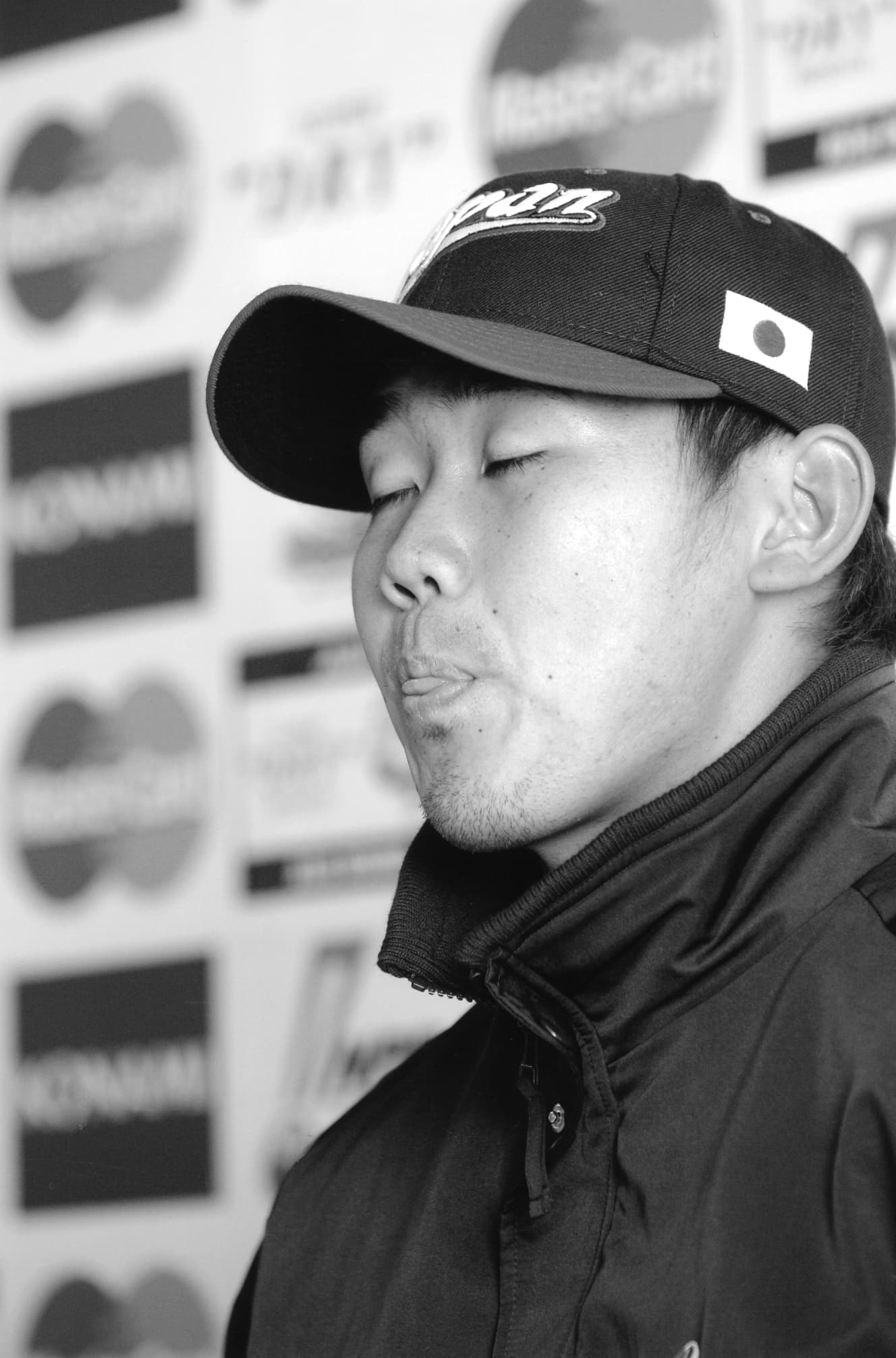
PHOTO: Shinji Hamasaki