Reporter’s Retrospective on the Great East Japan Earthquake Describes Vast Tsunami Devastation and Radiation Damage


A harrowing scene spread out before our eyes. Dozens of steel rods twisted grotesquely, charred inner walls exposed to the open air, and eerie white smoke rising continuously. This was the devastation witnessed by our magazine’s reporter immediately after the explosion accident at the Fukushima Daiichi Nuclear Power Plant (Futaba District, Fukushima Prefecture).
March 11 marks 15 years since the Great East Japan Earthquake, which left over 20,000 people dead or missing. Even today, it is difficult to say that the affected areas have fully recovered from this unprecedented disaster. In the immediate aftermath, the reporter repeatedly visited the disaster zones. Here, we look back on the scars left by the massive tsunami and the nuclear accident that they witnessed.
A few weeks after the earthquake, the reporter headed to Minamisoma City in Fukushima Prefecture. Entering a residential area from the main road, many buildings had been damaged by the violent shaking that recorded a maximum seismic intensity of 7. But what truly left them speechless was when they climbed the embankment separating the inland area from the coast.
As far as the eye could see—nothing but empty land. A tsunami several meters high had struck, sweeping away buildings, cars, and people alike. A nearby resident who survived at the time recalled:
“There were photos displayed at a nearby facility, but at first I couldn’t tell what they were showing. Swollen bodies filled with seawater. They were photos of the victims of the tsunami. They were displayed so that families could identify their loved ones.”
The tsunami moved faster than cars
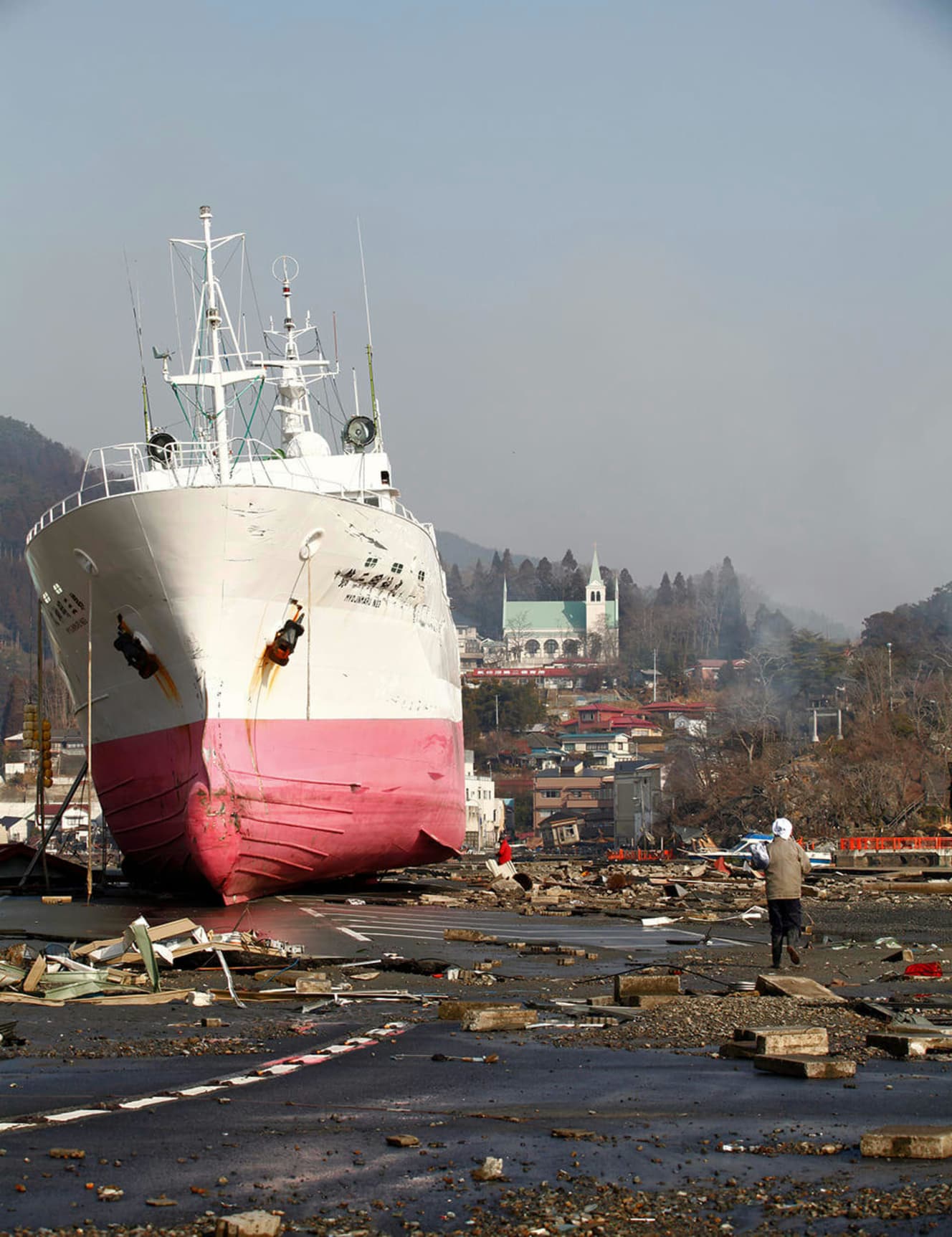
In Kamaishi City, Iwate Prefecture, a man in his 70s, Mr. A, spoke about the terror of the tsunami. At the time, he had rushed outside after being startled by the violent shaking. Soon after, he heard a terrifying rumble from the direction of the coast, and an enormous tsunami—so tall it seemed to cover the sky—came crashing toward him, knocking down utility poles and trees in its path.
“The tsunami was approaching faster than a car. My wife and I had no time to escape—we were swallowed up in an instant. We were swept away with tremendous force, barely managing to keep our faces above the water. I thought, ‘This is it. Am I going to die like this?’
Just then, I saw the second-floor window of a familiar house in front of me. I desperately grabbed onto the window frame and pulled myself inside. But my wife was still out there in the raging current. Frantically searching, I spotted her among others being swept away, clinging to a tatami mat. I grabbed a bath towel from inside and threw it toward her like a rope as she drifted closer.”
Fortunately, his wife managed to grab the towel and was pulled inside.
“Even after escaping that life-threatening situation, we were so terrified and cold that we couldn’t speak. For a while, we just sat there in silence, trembling.”
To warm themselves, the couple removed their soaked clothes and held each other naked. Once they regained some warmth, they found clothes belonging to a young woman in a dresser and changed into them, waiting for the water to recede. It wasn’t until evening, when they reached the gymnasium of a junior high school designated as an evacuation shelter, that they were finally able to feel some relief.
The camera suddenly stopped working
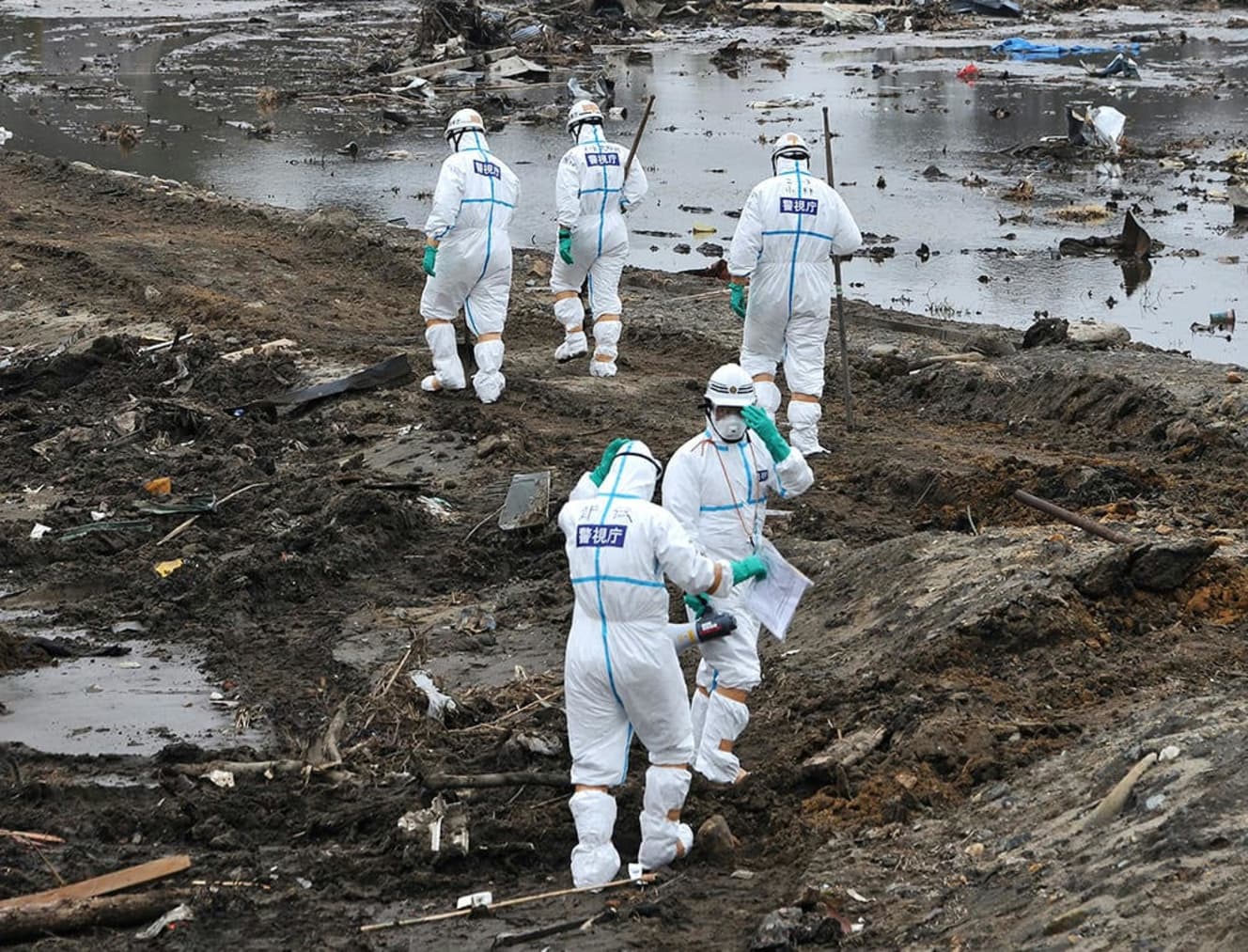
The reporter also witnessed the devastation of the nuclear accident—this was the scene described at the beginning.
Some time after the explosion at the Fukushima Daiichi Nuclear Power Plant (hereafter “Ichief”), the reporter, with the cooperation of plant workers, headed to the site along with a photographer. What they saw was the wreckage of the Unit 4 reactor building, which had suffered a hydrogen explosion four days after the disaster, viewed from a small hill about a 10-minute walk south of the plant’s main gate.
As they stood there, stunned by the sight before them, something strange suddenly happened. The photographer next to the reporter, who had been taking pictures, muttered in confusion:
“This is strange my camera suddenly stopped working.”
Looking at the camera, the images taken would not appear on the monitor. When they returned to a nearby car to check, the camera itself had recovered—but all the images stored on the memory card had vanished. What could have happened? An expert interviewed at the time offered this explanation:
“The camera was likely damaged by the intense radiation emitted from the plant. Humans can only perceive light with wavelengths of 0.4 to 0.8 microns, but radiation consists of invisible light below 0.4 microns. Naturally, cameras capture light. Even if humans cannot perceive it, the intense radiation may have effectively erased the images and corrupted the memory card.”
A worker who had been at Ichief immediately after the accident described the situation inside:
“The steel rods in Unit 4 that were bent out of shape had diameters close to 20 centimeters. The force of the explosion must have been so immense that dozens of such thick iron bars were twisted like candy.
The situation on the ground was also terrible. Near Unit 1, there was a bus stop used for transportation within the site, but in front of it, a heavy oil tank—probably about 10 meters tall—had been blown away, charred black, and was blocking the road. A 200-ton crane was crushed beyond recognition, and fire hoses were scattered everywhere. It looked like a battlefield.”
Fifteen years have passed since then. Even so, the memories of the massive earthquake, tsunami, and nuclear disaster must not be allowed to fade. The experiences from that time will surely serve as lessons for future generations.
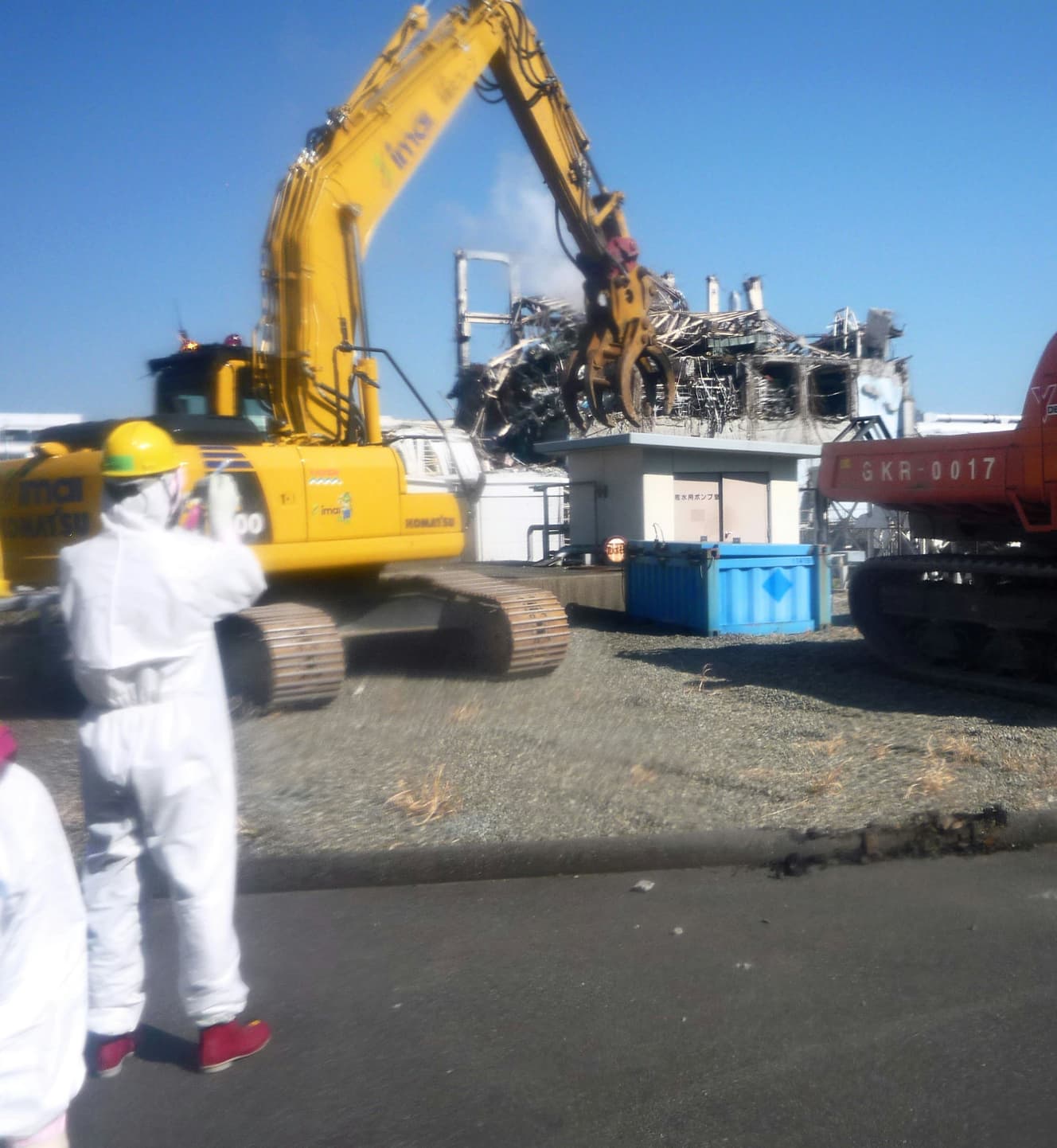
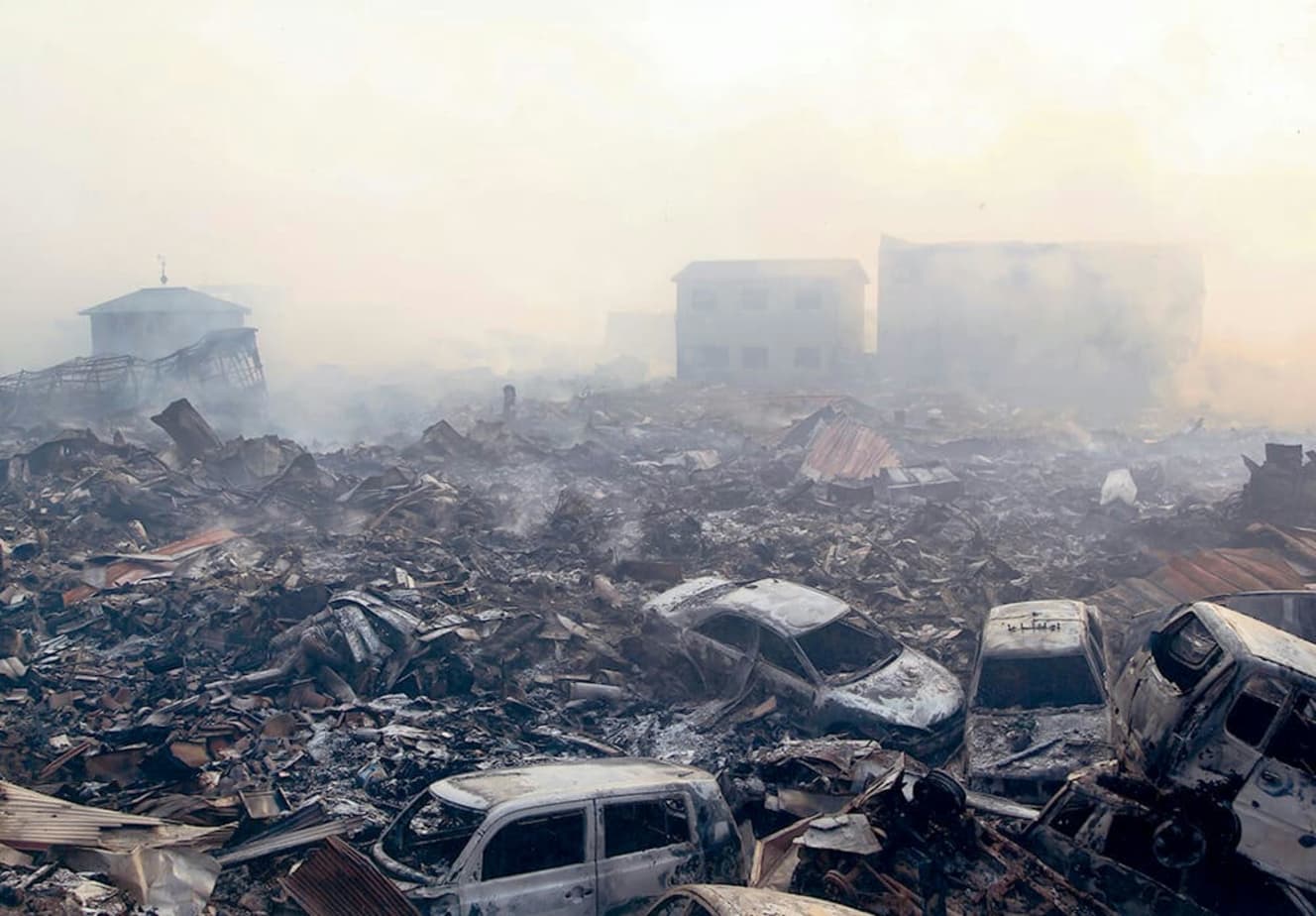

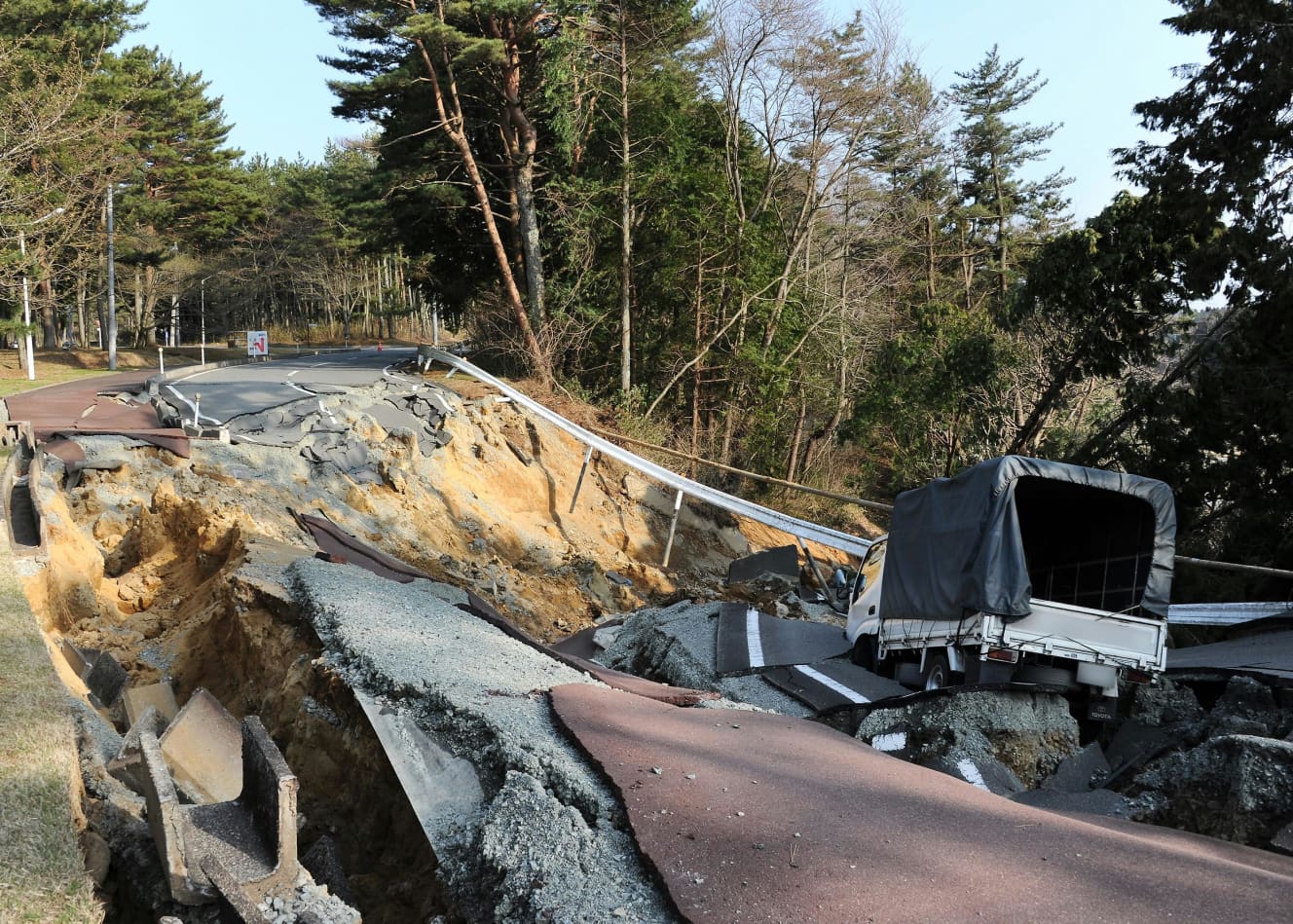
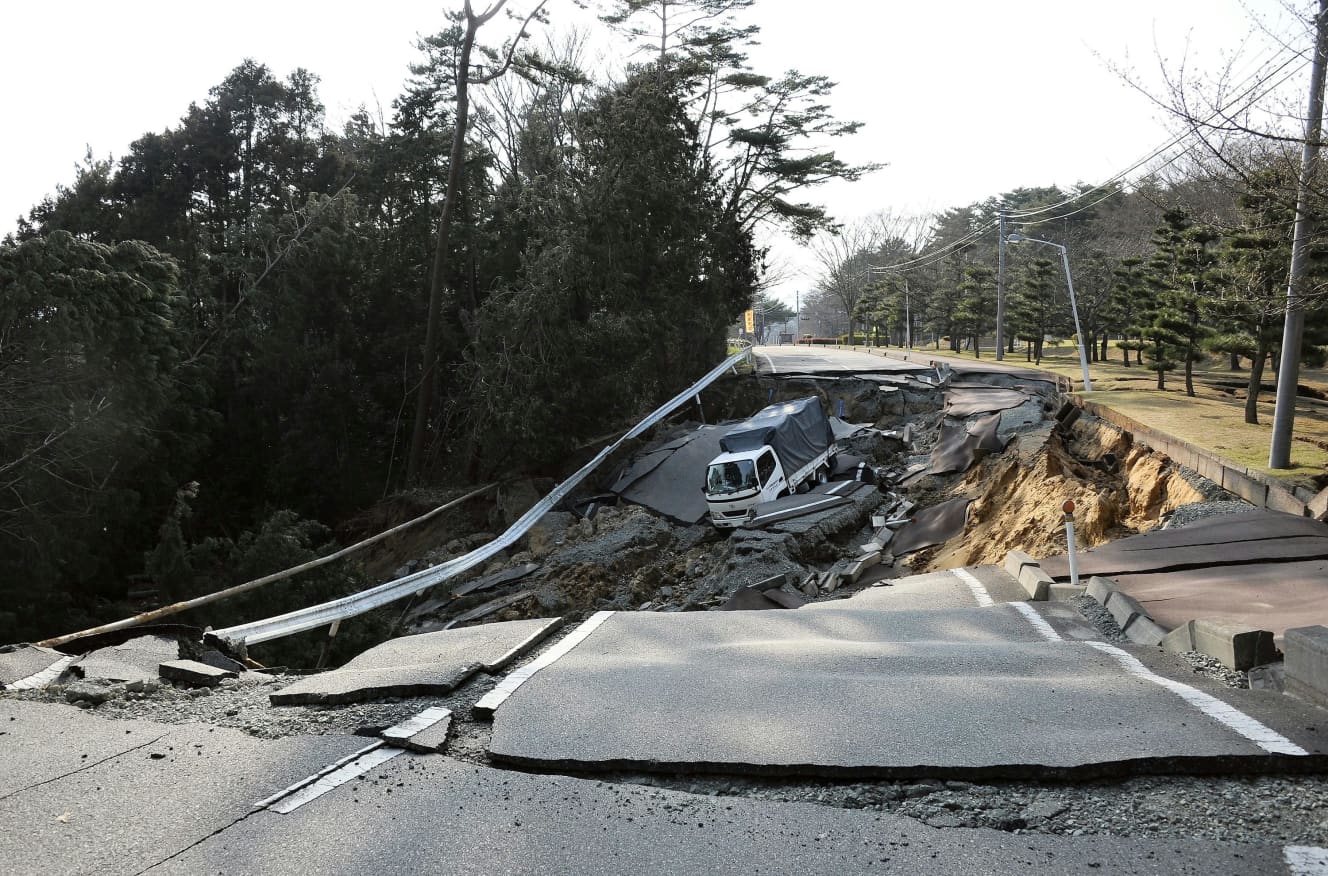

PHOTO: Shun Kirishima, Soichiro Koriyama, Takero Yuzoku