Unsolved Case Breakthrough as Suspect Confesses Memory of 12-Year-Old Robbery and Assault Incident


Reemergence Through Security Camera Reinvestigation
A suspect in a robbery causing injury that occurred 12 years ago has been arrested.
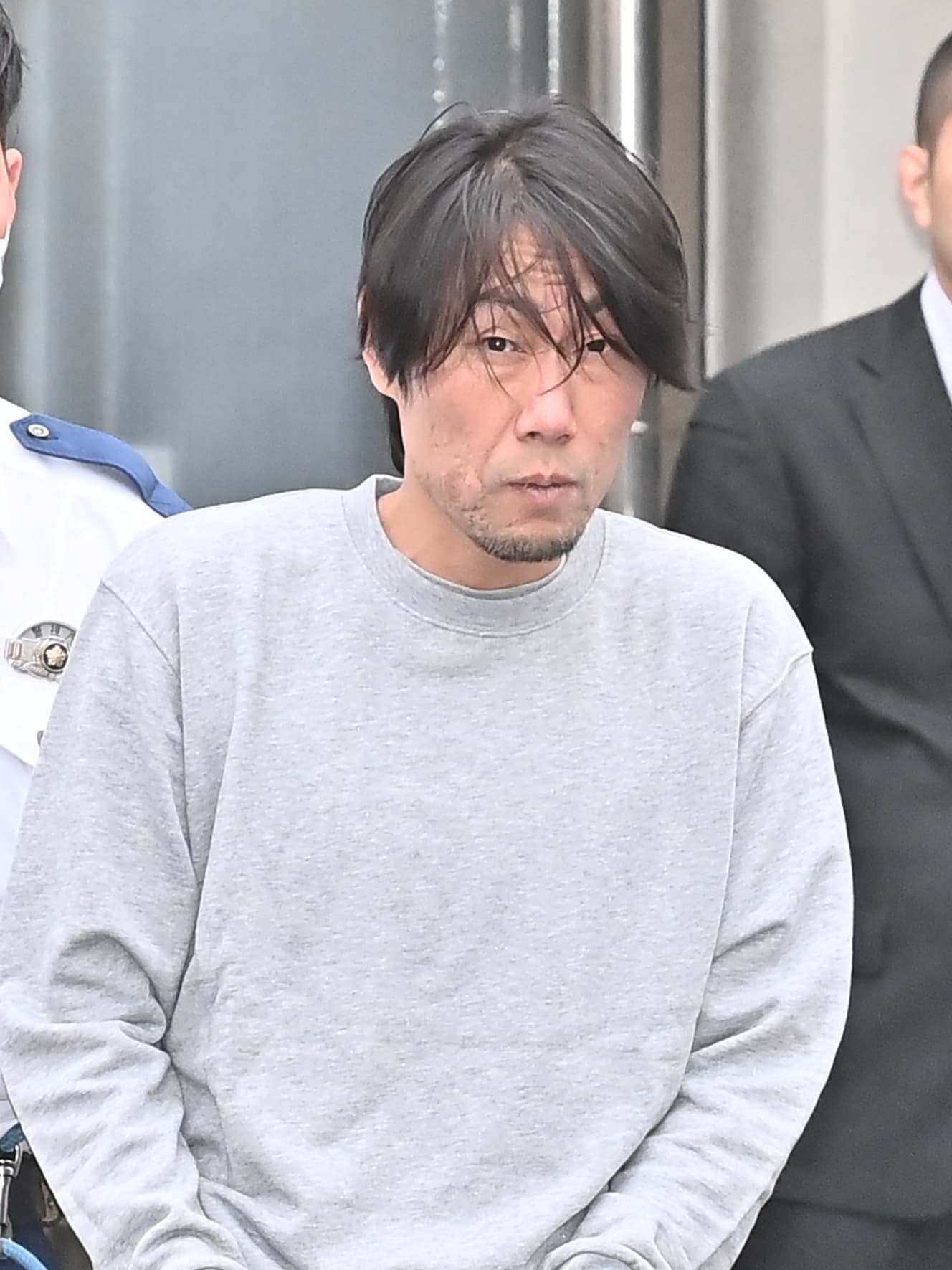
The Tokyo Metropolitan Police Ogu Police Station announced the arrest on March 3 of Shota Osawa (44), an unemployed man from Shinjuku Ward, Tokyo. Osawa is suspected of, on the morning of March 6, 2014, around 9:30 a.m., pushing an 84-year-old woman from behind on a street in Nishiogu 2-chome, Arakawa Ward, causing a fracture to her right arm and other injuries requiring two months to heal, and stealing her handbag. The bag contained 14,500 yen in cash.
Why was the case solved after 12 years?
“According to the police, at the time of the incident, security cameras in the area captured the face of a man believed to be the suspect, but identification was not possible. However, about three months ago, a detective began reinvestigating unsolved cases in the jurisdiction. When the security camera footage was compared with photos of several dozen people related to other cases, Shota Osawa emerged. When interviewed voluntarily on the 3rd, he reportedly said, ‘I did it because I had no money at the time,’ among other statements.
Osawa partially denied the allegations, saying, ‘I remember snatching a bag, but I don’t think I actually pushed her because of my personality.’ The statute of limitations for robbery causing injury is 15 years, so only three years remained before it would expire.” (National newspaper social affairs reporter)
At 7 a.m. on March 4, Osawa was sent to prosecutors from the Ogu Police Station. Shielded by an umbrella held by officers, he slightly grimaced at the cold and fine rain as he walked onto the transport bus.
According to former Kanagawa Prefectural Police detective and crime journalist Taihei Ogawa, unsolved cases are always monitored by someone unless the statute of limitations expires.
“For crimes like robbery, there is always a detective in charge, and even after transfers, the investigation materials are continuously handed over. Each prefectural police department has divisions that specialize in unsolved cases, but in addition, local stations continue investigating unsolved cases in a slightly different way. This is because information about past cases can unexpectedly surface even many years later, so detectives need to keep the cases in mind.”
Also, having another detective review inherited materials can sometimes bring a case closer to resolution.
“A different detective can view things from a new perspective. Moreover, forensic technology has advanced dramatically in recent years, so evidence such as DNA or security camera footage that couldn’t be analyzed at the time can now be examined.
Last October, a suspect in a 26-year-old Nagoya housewife murder case was arrested, prompting the National Police Agency Chief to issue instructions to review unsolved cases. When cases are actually resolved, as in this instance, it boosts detective motivation and may lead to more unsolved cases being solved.”
Even those who thought they had gotten away may find themselves caught years later — such instances may become more common.
“FRIDAY Digital” welcomes tips and information from readers. Please use the information submission form below or contact the official X account.
Information form: https://friday.kodansha.co.jp/tips
Official X: https://x.com/FRIDAY_twit


PHOTO: Shinji Hasuo