The fierce battle for even “Ohagi” (rice balls)… “Popularity” even with price hikes.


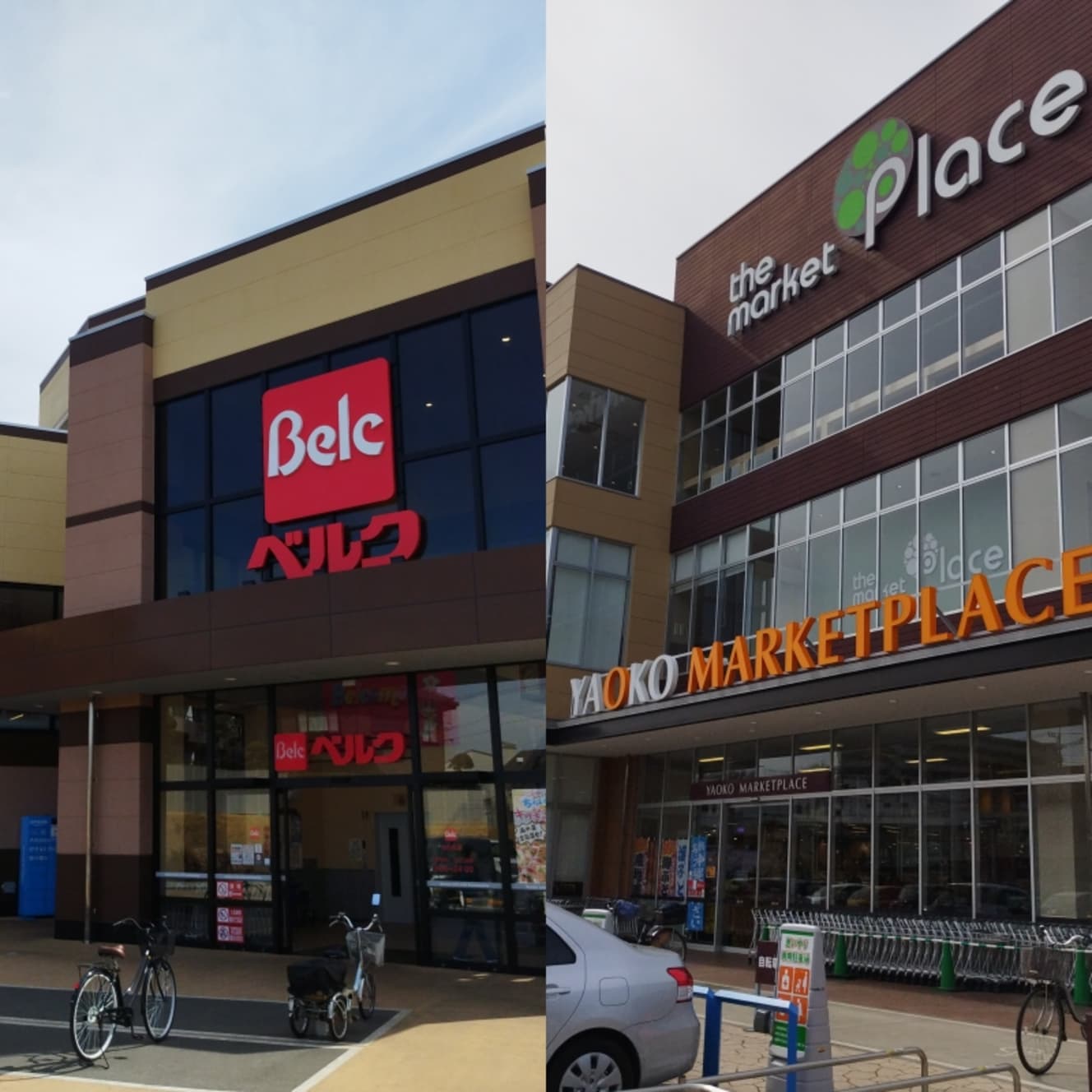
The largest number in the Kanto area (Tokyo and 6 prefectures)
What is the military’s take on ohagi?
Chain Store Authority
“The manuals are organized so that headquarters’ instructions can be executed immediately. This may seem obvious, but it’s not easy. It is extremely difficult to enforce this in supermarkets where many part-time staff rotate in and out. Naturally, all Japanese supermarkets aim for this, but the degree of thoroughness differs. Belc is often associated with low prices, but because it is run in the most efficient way with no waste, it can achieve this while maintaining high profitability.
Because their scale is large, even a fixed allocation can provide more value back to customers. In terms of profitability, they rank very high even compared to major corporations. We call Belc the ‘embodiment of a chain store.’”
So what is Yaoko’s strength?
“The basics are the same. The biggest difference between the two is in taste versus price. Belc’s stance is ‘we’re definitely cheaper!’ whereas Yaoko says, ‘it’s a little more expensive, but ours is definitely more delicious!’ They also target different customer groups. Yaoko focuses on seniors with a bit more disposable income, such as couples whose children have moved out and who think, ‘If it’s just the two of us, let’s enjoy something a bit nicer.’ The ohagi price increase is part of that strategy. Belc, on the other hand, targets younger people and families. Yaoko’s lead in the number of stores in Tokyo likely reflects this approach.”
“Expanding their influence while aiming for the capital,” Yaoko and Belc resemble feudal warlords of the Sengoku period. In those times, civilians were the main victims of war, but in the case of Yaoko vs. Belc, it is the consumers who benefit. We hope they continue to fiercely compete.
 Currently, “Yaoko” operates 201 stores across the Kanto region’s one metropolis and six prefectures.

Interview, text, PHOTO: Hiroyuki Sasaki