Ippudo and Ichiran are doing well even though the price of a bowl of ramen is over 1,000 yen… “Unexpected innovations” to prevent customers from thinking that the price is too high


The ramen chain restaurant industry is currently undergoing dramatic changes. Last November, “Kairikiya,” a back fat soy sauce ramen chain with approximately 180 outlets nationwide, announced the acquisition of MP Kitchen HD, which operates franchise restaurants such as Tenka Ippin in the Tokyo metropolitan area.
Kairikiya also acquired Grand Cuisine, which operates 17 restaurants, including “Niku Soba Keisuke.
Click here to read the first part of the article that explains more about Kairikiya.
Is the era of “ramen for 1,000 yen is expensive” over?
Tenka Ippin, on the other hand, is facing a crisis.
The impact of the recent departures has been significant, as both were urban-type stores. We are scrambling to somehow fill the hole left by M.P. Kitchen by opening the Shinjuku Nishiguchi branch in October of last year.
To avoid missing out on fans, it is necessary to open new stores with an emphasis on mobility, but this will force the company to compromise on relatively expensive properties, which will inflate costs. Also, if M.P. Kitchen’s performance improves, there is a possibility that other franchisees will follow suit and leave the franchise.
As the industry’s leading players face a crisis, new forces are gaining momentum through M&A. How will Ippudo and Ichiran, two popular ramen chains that, like Tenka Ippin, have the “I” in their name, fare in this turbulent era of the ramen industry?
Ippudo, which has 150 stores in Japan, is shifting its focus to its approximately 140 overseas stores. Ippudo, which has 150 stores in Japan, is shifting its focus to its 140 overseas outlets, no doubt nodding to Prime Minister Takaichi’s comment that he is “happy with the weak yen.
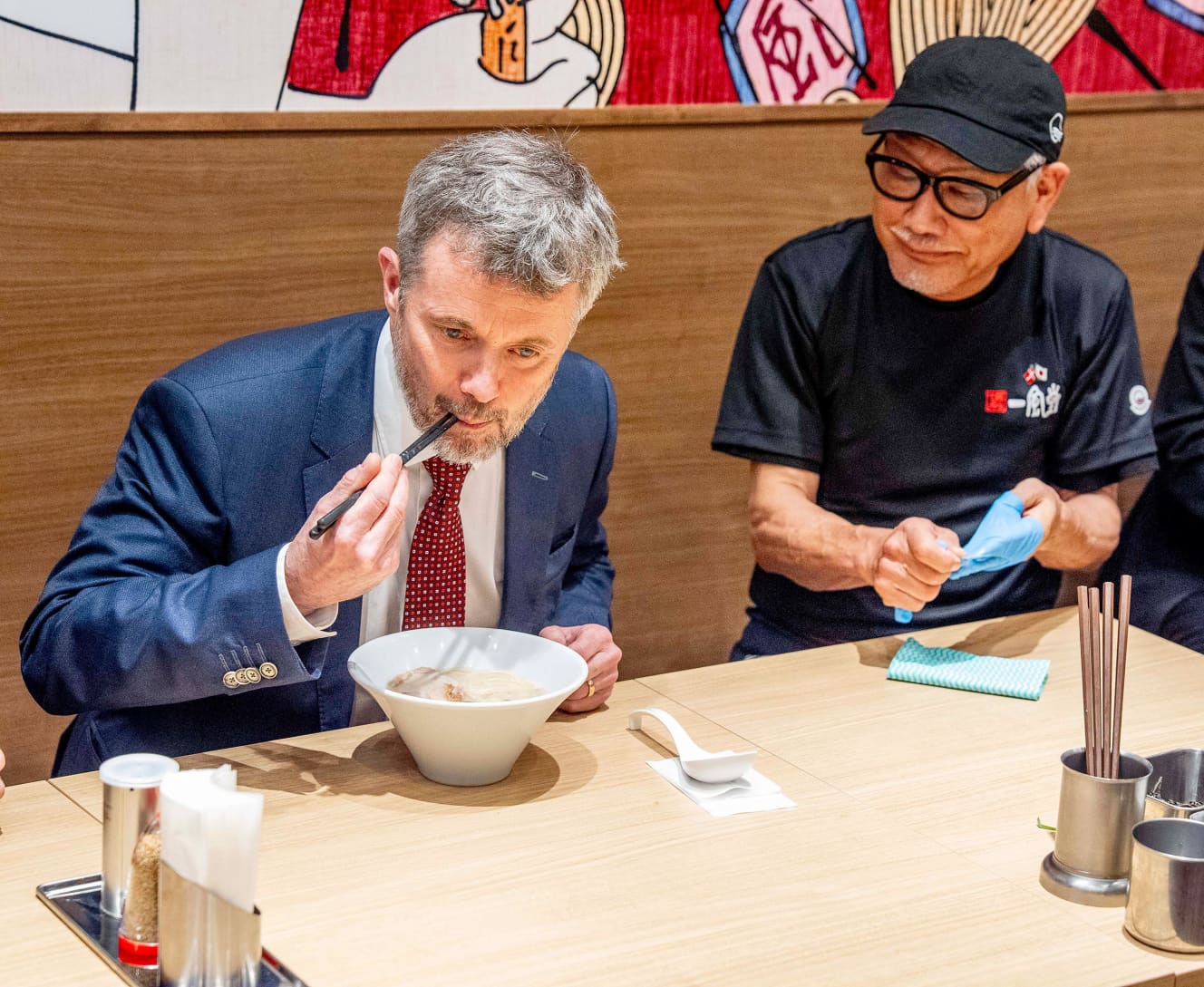
Ippudo’s most popular menu item, “Kyoku Hakumaru Genjiki” is priced at 1,290 yen, and the “1,000 yen barrier” that once existed in the ramen industry has completely collapsed. It is creamy with no smell, and the gentle taste of rich lard is very satisfying, but the price is quite aggressive. It is not surprising that customers are staying away. ……
In Japan, we are stepping up our efforts to open stores in station buildings.” Although people may be reluctant to pay 1,290 yen for ramen, the fact that Ippudo is opening stores in station buildings crowded with beef tongue restaurants, Western-style restaurants, and sushi restaurants, where the price per customer easily exceeds 2,000 yen, makes Ippudo seem relatively inexpensive. Ippudo’s popularity among women is also high, and it continues to perform well,” says food journalist Junnosuke Nagahama.
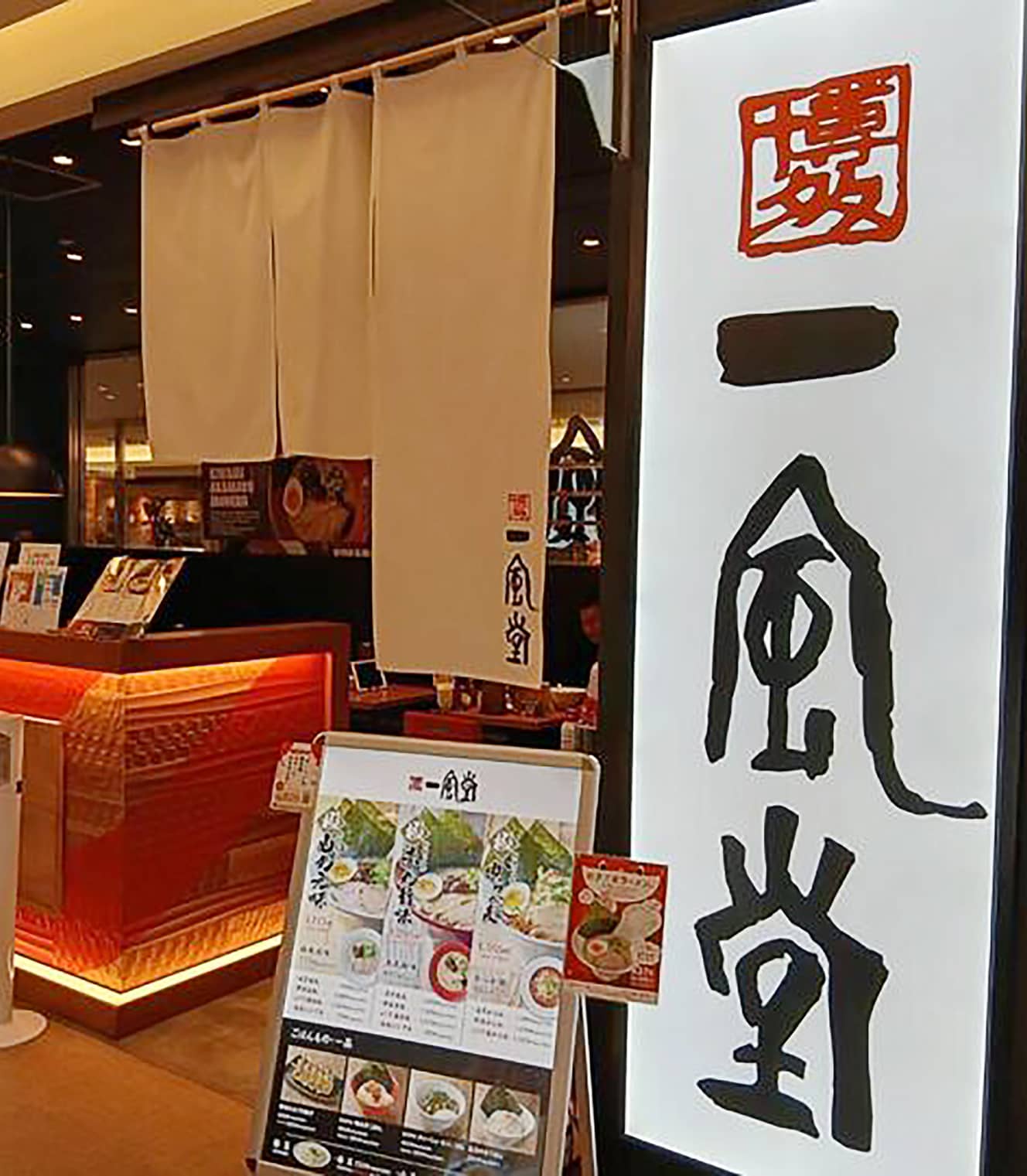
Ippudo is more expensive than Ichiran. The price of “ICHIRAN 5-selection,” a regular ramen with egg, chashu pork, seaweed, and kikurage toppings, starts at a whopping 1,620 yen. Even so, fans are willing to spend the money for the experience of enjoying the harmony of the clear tonkotsu (pork bone) soup and the spicy secret sauce at the “Taste Concentration Counter.
Ichiran is very popular among foreign tourists. Ichiran is very popular among foreign tourists, so even this price seems low to them. Ichiran’s style is to focus on downtown areas in major metropolitan areas where inbound tourists visit, and to open stores on the second floor and basement levels, which competitors avoid.
Although the number of Ichiran stores is inferior to those of Tenka Ippin and Ippudo, management efficiency is by far the best. If Ichiran can take advantage of its brand power and make the next move, such as launching a second brand, its performance should improve even further,” said Mitsuhiko Suda, a producer in the restaurant industry.
Ichiran is also skillful in product development. Ichiran Ramen Hakata Fine Noodle Straight, sold as a souvenir at stores, is priced at 2,300 yen for a five-serving package, but it is selling well. Cup noodles without ingredients, priced at 537 yen each, are also well received as a convenient way to enjoy the taste of the restaurant.
The company has not forced the opening of new stores, and is making money efficiently through both store sales and new sources of revenue such as product sales. Annual sales are 43.3 billion yen, more than Tenka Ippin. We are presenting a new form of ramen restaurant management,” said Mr. Nagahama.
The Ramen industry is undergoing a major upheaval, with a focus on “kotte-ruku,” an M&A offensive, and the acquisition of foreign currencies. Which chain will control the future of the ramen industry, which is undergoing a major upheaval? The answer is still hidden at the bottom of the bowl.
From the March 6, 2026 issue of FRIDAY