Death of a Showa-Era Fighter Yakuza—Strict Security at Funeral with Sixth Yamaguchi-gumi Leadership Present


A dump truck loaded with dynamite
On the evening of February 16, Teruaki Takeuchi (66), Wakagashira (number two) of the country’s largest yakuza group, the Sixth Yamaguchi-gumi, was seen at a funeral hall in Fujinomiya, Shizuoka Prefecture, with a view of Japan’s iconic Mount Fuji. Alongside him were Masahiro Nonai, president of the Hirodōkai, and senior members of the Sixth Yamaguchi-gumi from the Chubu and Tokai regions.
Takeuchi had come with other executives to pay his respects, but whose funeral was being held?
“It was the wake of Tadamasa Gotō, former boss of the Gotō-gumi. During the Fifth Yamaguchi-gumi era, he served as wakagashira-hosa (assistant to the number two), and in the Sixth Yamaguchi-gumi he was a trusted subordinate. Gotō passed away on February 8 from aspiration pneumonia associated with old age, surrounded by family, at 83.
Although he had been ill for a long time, he remained conscious, but his health had worsened since last year. Fujinomiya had been the base of the Gotō-gumi (dissolved in 2008), and even after retiring from the business, he maintained strong ties to this region where the gang was founded,” said a former associate of the Gotō-gumi.
Gotō was a legendary figure in the yakuza world, often called the legendary fighting boss or a pioneer of economic yakuza, and it is said that no one in the industry did not know his name.
“Gotō became notorious in the yakuza world during the ‘Yama-Ichi Conflict’ of 1984 between the Yamaguchi-gumi and the Ichihō-kai. Gotō-gumi members drove a dump truck loaded with dynamite into the home of the Ichihō-kai’s boss, vividly demonstrating the ‘combativeness’ of the Gotō-gumi. After dissolving the gang and retiring the following year, he became a Buddhist monk. His autobiography, Habayari-nagara, sold over 200,000 copies and established him as a figure with extensive connections in the yakuza, political, business, and entertainment worlds,” said a journalist familiar with the yakuza.
The funeral, conducted as a “private family ceremony,” drew a continuous stream of mourners even for the wake on the 19th. According to a photographer on site, “There were many ordinary attendees, over 200 in total.” Takeuchi arrived at the funeral hall shortly after 5 p.m., before general admission began.
“He finished the incense offering in just a few minutes and left the hall. Perhaps he was being considerate of the general mourners. He chatted briefly with those greeting him, and the atmosphere was not overly solemn. About ten investigators were on site for security, but no trouble occurred,” said the photographer who covered the scene.
Later, general admission began at 6 p.m., and the wake proceeded without incident.
The hidden aim of consolidating organizational ground
Although the next day’s funeral concluded smoothly and the ceremony ended without incident, one question remains. Wakagashira Teruaki Takeuchi apparently visited the funeral as a representative of Shinobu Tsukasa (84), the kumicho of the Sixth Yamaguchi-gumi. But the fact is, Gotō had dissolved his group and retired because the Sixth Yamaguchi-gumi had formally expelled him.
“The decision for the expulsion was made at an emergency supreme executive meeting in October 2008. The exact reasons were never made public, but at the time, Gotō often skipped the regular meetings of the Sixth Yamaguchi-gumi, which drew criticism. On top of that, a weekly magazine revealed that he had held a golf competition and party for his birthday, inviting multiple celebrities. Criticism erupted all at once: ‘He doesn’t have time for the regular meetings, but he has time for his birthday party?’” (journalist cited above)
So why did Takeuchi visit the funeral of such a former kumicho? The reasoning reflects the Sixth Yamaguchi-gumi’s strategic intent to solidify the “Takeuchi Wakagashira regime,” which will mark its first anniversary this April.
“Beyond past accomplishments, the fact that successor groups like Ryouchi-gumi, which inherited the foundation of Gotō-gumi after its dissolution, were nurtured and protected is likely being respected. The current Ryouchi-gumi leader was appointed as an ‘executive’ and brought into the administration through the reform personnel policies pushed forward by Wakagashira Takeuchi.
It wasn’t just about showing condolences for the former kumicho’s contributions; it was also about reinforcing the current executive structure. That’s why the Wakagashira himself visited the head of the former organization under his umbrella. Even Seiji Takayama (78), the advisor of the Sixth Yamaguchi-gumi said to have issued the expulsion against Gotō, reportedly paid his respects before the wake.” (same source)
Even after the departure of a major kumicho, the consolidation of the Sixth Yamaguchi-gumi’s leadership structure continues steadily.

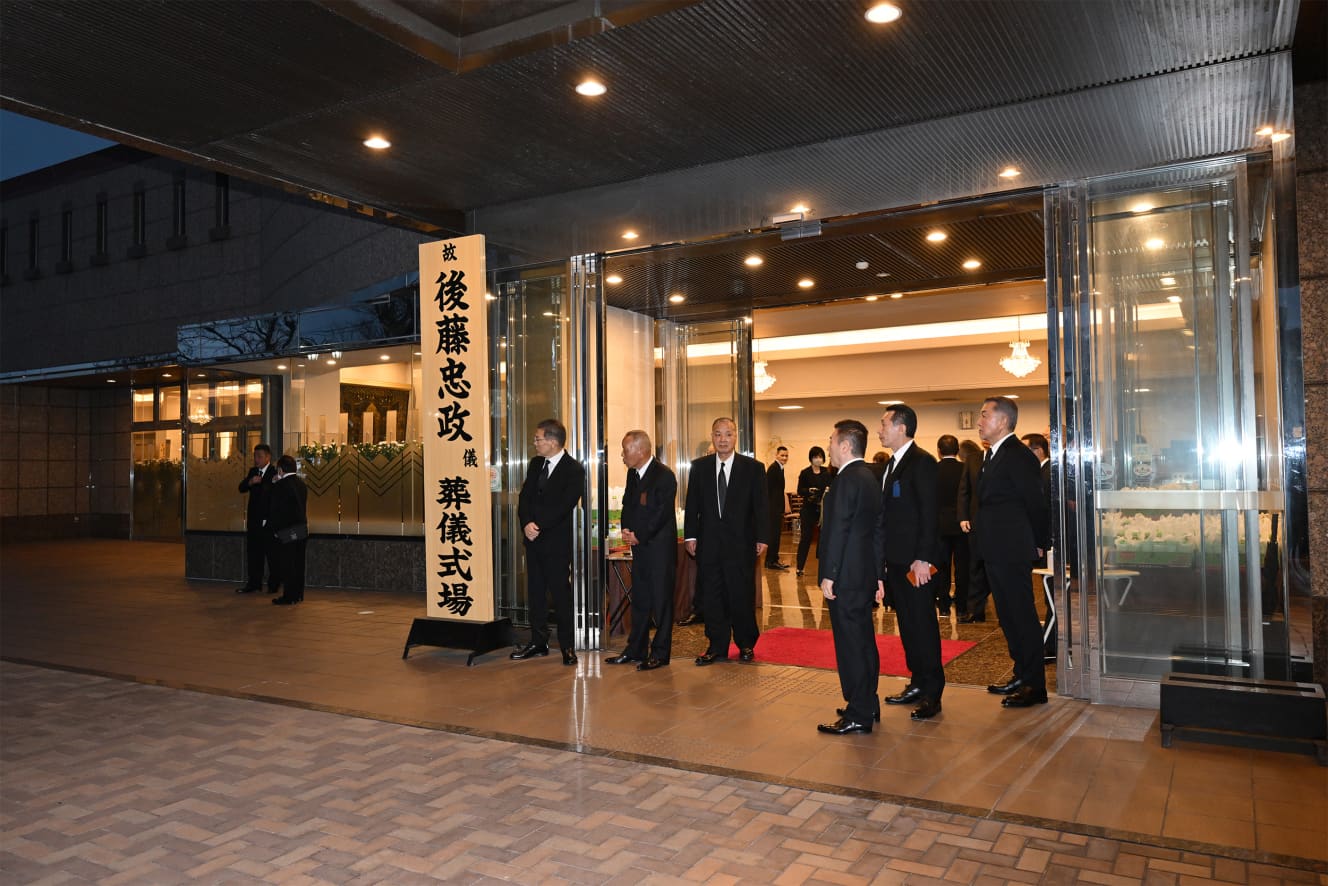


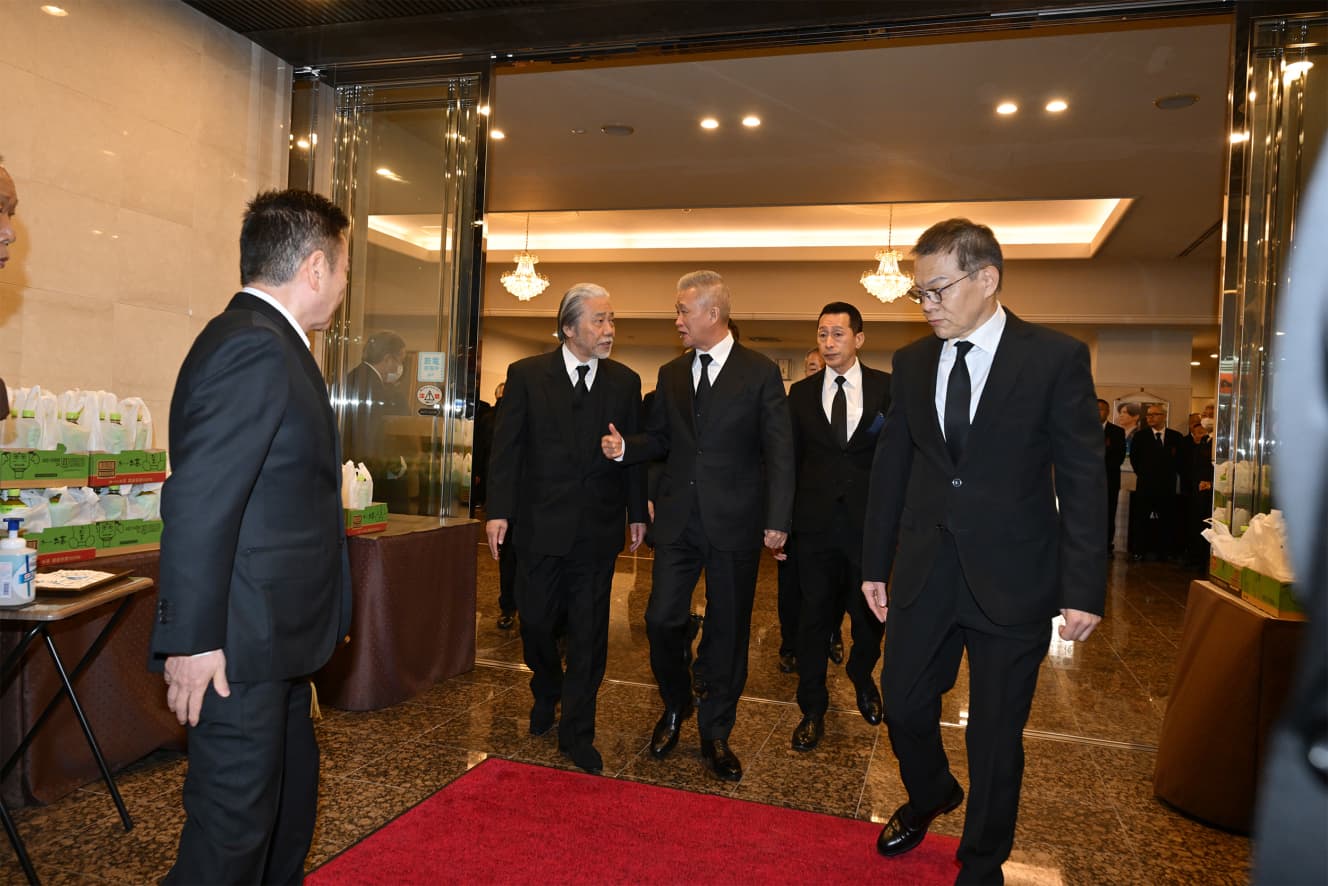
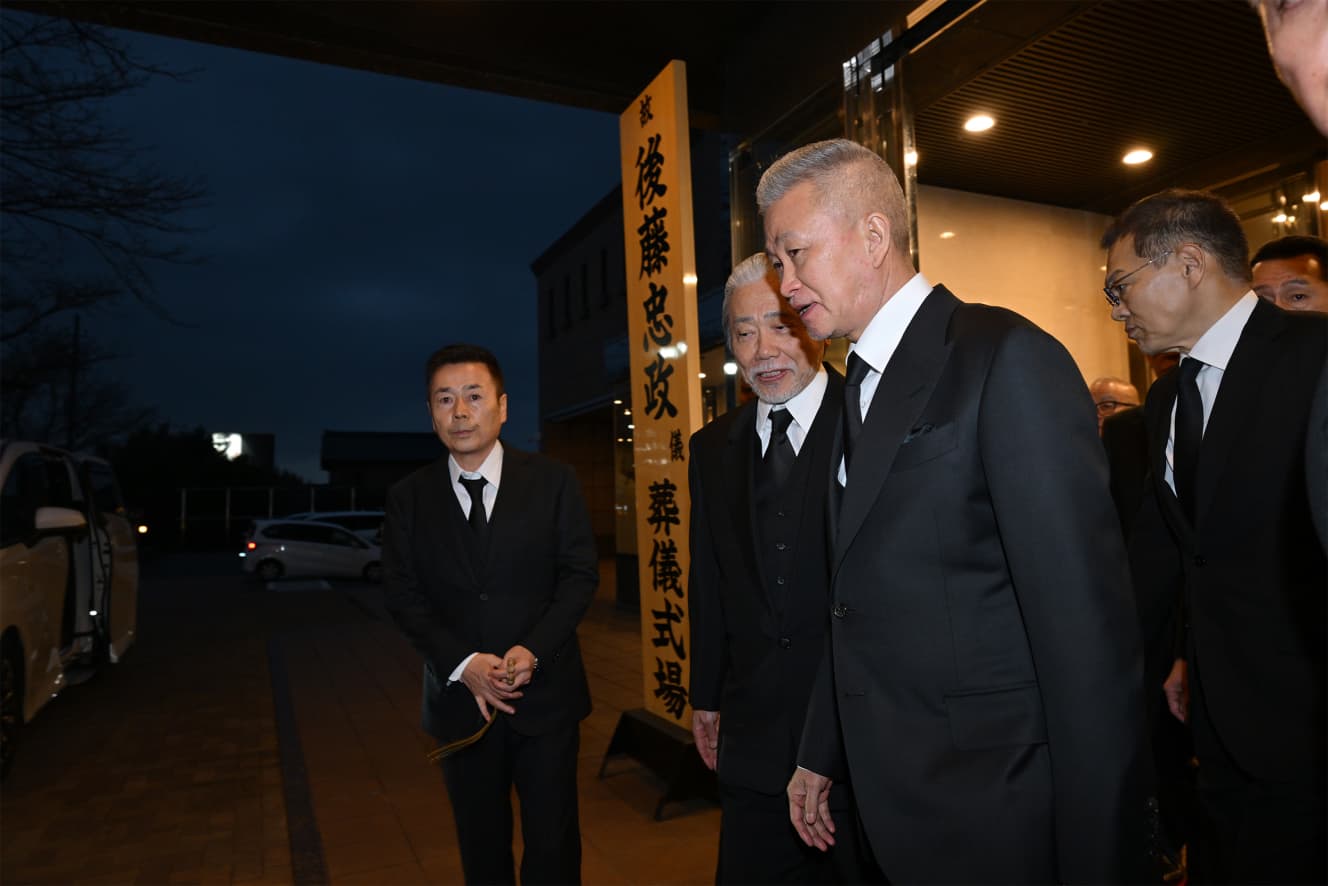
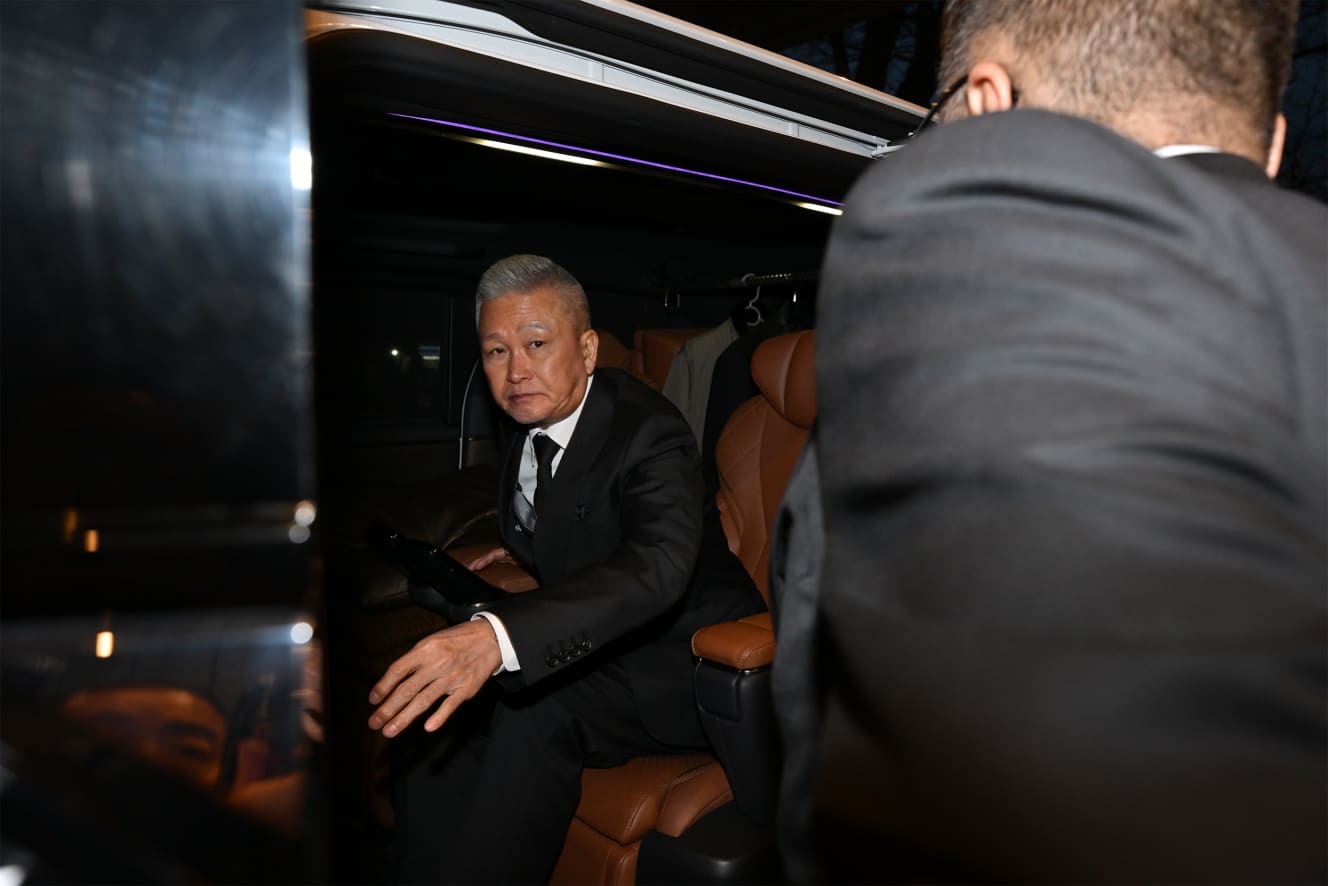
PHOTO: Takero Bund