Even with 100 Million Yen, They Wear Uniqlo and Drink at Izakaya! The Rational Reason New Wealthy Refuse to Upgrade Their Lifestyle


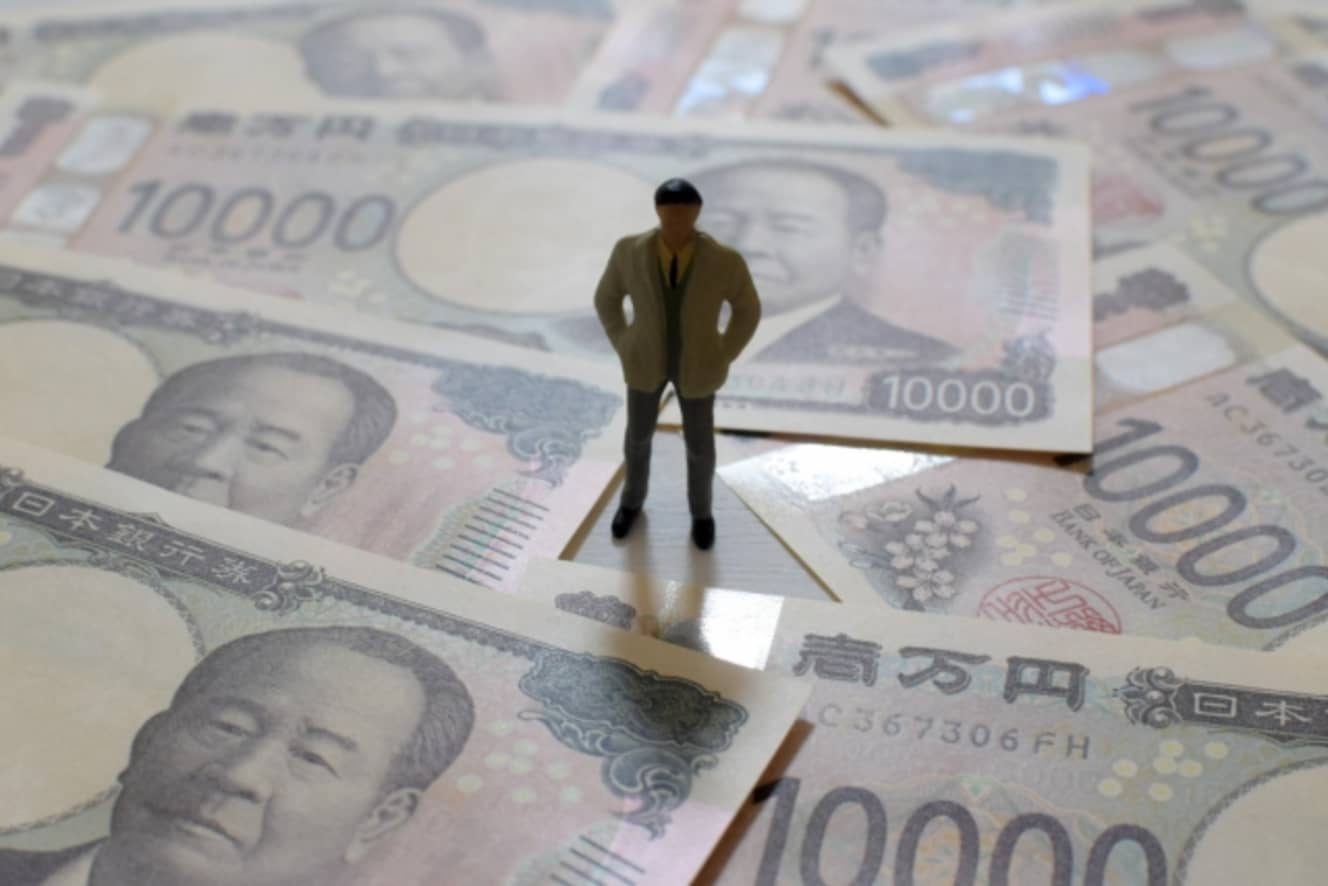
Against the backdrop of historic stock market highs, cases of ordinary company employees and civil servants suddenly becoming multi-millionaires are rapidly increasing.
Yet their lifestyles are surprisingly low-key. No interest in luxury cars or high-rise apartments. They wear Uniqlo as usual and drink cheap shochu at the same neighborhood izakaya at night. Living frugally within their salaries while quietly growing their wealth, they are called “New Affluent Class.”
How exactly do they cross the one-hundred-million-yen mark, and why don’t they raise their standard of living? We asked Katsuhide Takahashi, CEO of Malibu Japan Inc., an expert on the behavior of the wealthy, about this little-known reality.
——————–
Ordinary Employees Becoming Multi-Millionaires?
According to estimates released in February 2025 by Nomura Research Institute (NRI), the total number of wealthy and ultra-wealthy households in Japan reached approximately 1.653 million, with total net financial assets of around 469 trillion yen, a record high.
With the global era of excess money, soaring stock and real estate markets, and asset effects from unrealized gains or sale profits from additional investments, the number of wealthy people worldwide has been increasing.
Japan’s wealthy can mainly be divided into three groups: (1) traditional wealthy, such as landowners, doctors, and business owners, (2) emerging wealthy, such as IT founders, startup entrepreneurs, and foreign company executives, and (3) those who inherit wealth.
Amid this, cases are increasing where ordinary employees or civil servants, not company executives or entrepreneurs, become wealthy with financial assets exceeding 100 million yen before they even notice.
Mr. A (45), living along the Odakyu Line in Tokyo, works as a civil servant at the metropolitan government with an annual income of around 7.5 million yen. His wife, a classmate, works as an office worker at a listed company in Tokyo, earning about 4.5 million yen. Combined, they make around 12 million yen, but they still have a mortgage on their condominium, and with high living costs, they maintain a modest lifestyle.
Recently, while checking his online brokerage account on the commuter train, he noticed that the total balance of his individual stocks and index funds had exceeded the 100 million yen mark. “The mutual funds and individual stock investments I steadily accumulated had somehow become a huge sum,” he said with a smile, showing a screenshot of the proof screen of the 100 million yen balance.
The unprecedented stock boom that created multi-millionaires
Why were ordinary employees and civil servants like Mr. A able to reach the 100 million yen financial asset mark? Simply put, it was because of the stock market boom.
At the end of 2024, the Nikkei average closed at 39,894 yen, surpassing the 1989 bubble-era high of 38,915 yen, setting the highest year-end value in 35 years. By the end of 2025, the Nikkei average reached 50,339 yen, rising more than 10,000 yen for the year and breaking the 50,000-yen mark for the first time in history. This is nearly double the 27,444 yen at the end of 2020. As of February 26, 2026, it has further risen to 58,753 yen, setting a new record.
The long continuation of (1) monetary easing by central banks in Japan, the U.S., and Europe, and (2) the credibility of these advanced-country governments, led to global excess money. This, combined with asset effects from soaring stock and real estate prices, increased the number of wealthy people.
Ultimately, across history and geography, the source of wealth for the rich has almost always come from stocks (including entrepreneurship and management) and real estate. This is true for both traditional wealthy and those who suddenly became multi-millionaires.
The Two-Pronged Approach: Savings and Individual Stocks
Those who suddenly became multi-millionaires started saving and investing from their early days as new employees. Through long years of deflation and economic stagnation, even when deposit interest rates were near zero and the Nikkei average languished, they continued steadily. With the introduction of the new NISA in 2024, these steady contributions, combined with the recent surge in stock prices, have generated substantial unrealized gains.
Of course, very few people could have reached the multi-millionaire mark through index funds alone. Additional factors came into play, such as U.S. GAFA stocks like Tesla or Nvidia doubling, tripling, or even increasing tenfold, or Japanese individual stocks like Tokyo Electron and Advantest rising multiple times as well.
Mr. B (50s), who works at a wholesale company in Yokohama, became a multi-millionaire thanks to the rapid rise and subsequent sale of stocks he purchased five years ago—Mitsubishi Heavy Industries, Fujikura, Advantest, among others.
Frugal Daily Life Despite Crossing the Billion-Yen Threshold
Ordinary employees and civil servants who maintain disciplined daily lives and continue steady investing have quietly seen their financial assets surpass 100 million yen. These suddenly wealthy individuals do not flaunt their wealth on social media with luxury brands, fancy restaurants, or overseas trips, nor do they show off to people around them. Instead, they continue working at their companies or government offices, living ordinary lives while quietly holding their assets.
The image of a wealthy person might evoke luxury cars, high-rise apartments, and designer labels worn by business owners, doctors, or entrepreneurs—but these new multi-millionaires are very different.
Clothing: Uniqlo. Drinks: Izakaya
Even after becoming a multi-millionaire, their daily wear remains Uniqlo or Muji. Their living environment and diet stay the same as before.
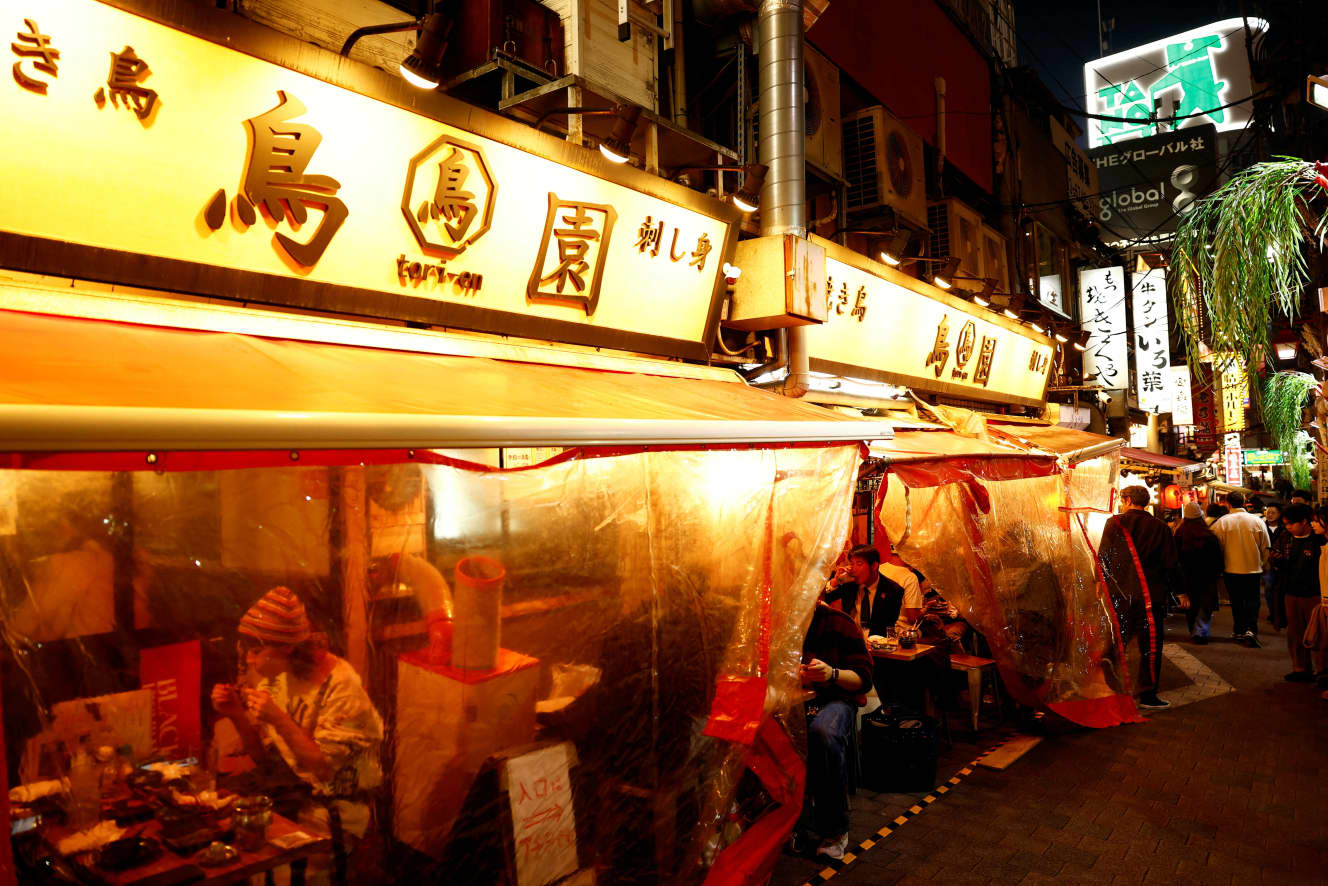
Rather than reserving a Michelin-star sushi restaurant in Ginza, they prefer their regular local izakaya, sharing lemon sours or shochu with friends and colleagues, chatting about work frustrations or hobbies. “Compared to fancy high-end restaurants where you have to put on a show, I feel more at ease just hanging out and having fun at my usual local izakaya with friends I can relax around,” explains Mr. A.
Ignoring Wealth Management Pitches from Banks
Ordinarily, once someone accumulates financial assets of 100 million yen, they start receiving attention from banks and securities firms’ private banking divisions, including invitations to luxurious lounges to discuss asset management and tax-saving strategies.
However, these sudden multi-millionaires continue their investments just as before. They maintain steady contributions to mutual funds and conduct individual stock trades through online brokers like SBI Securities or Rakuten Securities. Compared to in-person services from banks or private banking advisors, they prefer online banks and securities platforms, which are faster, cheaper, offer a wider range of options, and even accumulate reward points.

Why they don’t raise their standard of living
The reason suddenly wealthy individuals don’t increase their lifestyle even after accumulating 100 million yen in financial assets is not mere frugality—there are rational reasons behind it.
First, they understand the risk of raising their living standard, known as the ratchet effect: once lifestyle expenses increase, it is very difficult to reduce them later.
In today’s uncertain world with persistent inflation, 100 million yen is a large sum but not enough for a lifetime of luxury. With the average price of a used condominium in Tokyo exceeding 100 million yen, it’s far from an amount that guarantees eternal financial security. Simply spending 10 million yen per year on travel or luxury goods would deplete it in just ten years.
For them, 100 million yen is enough to maintain a comfortable ordinary life indefinitely—but if they indulge in luxury even once, it could vanish almost immediately.
Avoiding Jealousy and Isolation
The second reason is avoiding jealousy and social isolation.
In Japan, income and wealth gaps are a serious social issue. According to the Financial Literacy Promotion Organization’s 2024 survey on household financial behavior, 28.4% of households hold more than 10 million yen in financial assets, while 37.7% have less than 1 million yen, and 26.9% have zero assets. This stark polarization underscores the divide in society.
In such a context, if colleagues or close acquaintances learn that someone is wealthy, it can create tension and unnecessary trouble. The disadvantages of others’ jealousy often outweigh the benefits of being known as rich. Continuing to dress in Uniqlo and frequent local izakayas as ordinary employees or civil servants is, for them, a defensive strategy to protect their lifestyle and avoid jealousy and isolation.
Even traditional wealthy individuals adhere to the same rule: never flaunt your wealth. Those who have experienced the pitfalls of showing off money know that speaking openly about wealth brings no benefit and often leads to disadvantages.
100 Million Yen as Psychological Security
The suddenly wealthy are remarkably rational and humble. They prioritize a normal life over conspicuous wealth.
For them, 100 million yen is not a war chest for indulgence—it is security that guarantees mental freedom. It provides peace of mind, the knowledge that “I could quit my job anytime” or “I don’t have to worry about retirement.”
By continuing to live within their salary and investing the surplus, they can grow their financial assets further.
For example, Mr. A, living along the Odakyu Line, calmly opens his online brokerage app on the morning commute, checks that his portfolio has grown beyond 100 million yen thanks to the previous day’s stock surge, and heads to his usual civil service job—quietly and without fanfare.
Interview and text by: Katsuhide Takahashi
Katsuhide Takahashi is the Representative Director of Malibu Japan Co. After working for Mitsubishi Bank, Citigroup Securities, Citibank, and others, established the company in 2001. He has visited more than 60 countries around the world. He is an expert on resorts in Japan and abroad, including the Bahamas, Maldives, Palau, Malibu, Los Cabos, Dubai, Hawaii, Niseko, Kyoto, and Okinawa. He graduated from Keio University in 1993 with a bachelor's degree in economics and received a master's degree in economics from the Graduate School of International Political Science and Economics, Aoyama Gakuin University in 2000. He is the author of many books, including "Bank Zero Era" (Asahi Shimbun Publications), "Why Niseko Only Became a World Resort" (Kodansha + alpha Shinsho), and "The Extinction of Regional Banks" (Heibonsha).
PHOTO: Afro