Sharing Pizza Together Behind the Historic Landslide, a Female LDP Lawmaker Quietly Elected Amid Political Affair Allegations


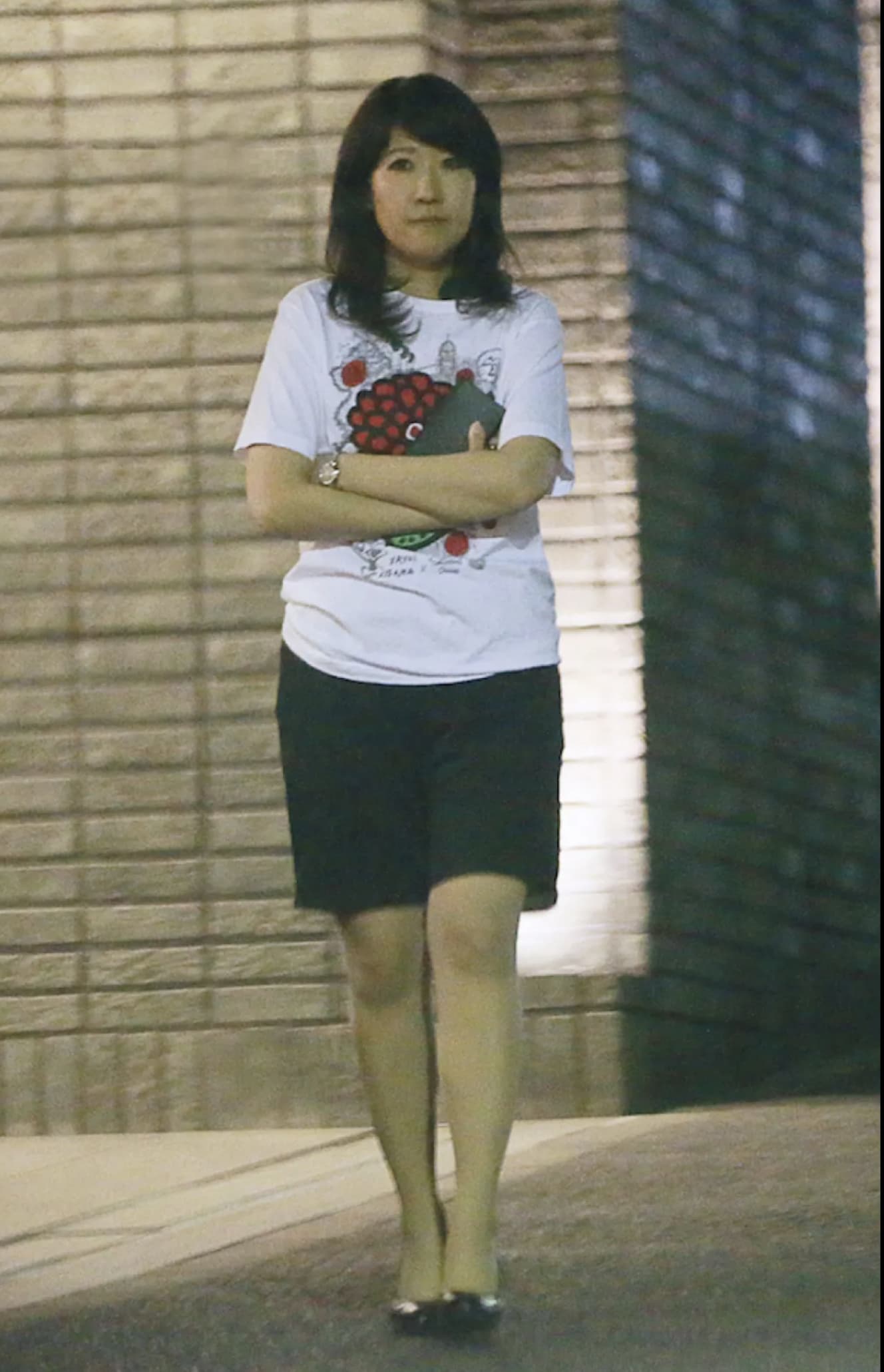
Suspicion of an affair with Representative Toshinao Nakagawa
Riding the overwhelming popularity of Prime Minister Sanae Takaichi (64), the LDP achieved a landslide victory with 316 seats in the recent general election. Amid this, attention has focused on those who ran solely on the proportional representation list without holding a constituency.
“Among the proportional-only candidates, the most notable is Nagisa Muraki (25), who was elected for the first time in the Hokkaido block. Her father is a member of the Hokkaido Prefectural Assembly, and during her student days, she served as head of the LDP Hokkaido branch’s student division. That connection led her to run, but even she seemed surprised to be elected,” said a national newspaper reporter.
She was listed 14th on the proportional list, a rank that would normally make election difficult. However, riding the Takaichi wave and the LDP’s major wins in single-seat districts, a seat came her way.
In the shadow of this youngest representative of note, there is another troublesome lawmaker who ran solely on the proportional list and is returning to the Diet after a long hiatus: Representative Megumi Maekawa (50), elected in the Kita-Kanto block.
Maekawa first ran in 2014 on the Tokyo proportional list and was elected. However, in the 2017 general election, she ran again on the Tokyo proportional list and lost. In 2021, she moved to the Tohoku block for another proportional-only run, but again lost.
In the latest general election, she ran in the Kita-Kanto block on the proportional list. Despite being 35th on the list, she was successfully elected and received her Diet badge for the first time in nine years.
“When first elected in 2014, Representative Maekawa faced media questions about constitutional revision and responded, ‘I don’t know—no comment,’ which drew criticism. But even more than that, what made her famous was the 2017 scandal involving suspicions of an affair with married Representative Toshinao Nakagawa at the time.”
Nakagawa, the son of Hidenobu Nakagawa, who served as Chief Cabinet Secretary and LDP Secretary-General, was a political heir attracting attention in political circles. But in addition to the affair suspicion with Maekawa, subsequent scandals emerged involving bigamy with another woman and stalking allegations. Eventually, he was abandoned by the LDP and ran as an independent in the 2021 general election, finishing last among four candidates and has not returned to the Diet since.
The affair suspicion with Maekawa, which caused a stir while Nakagawa was still a lawmaker, was reportedly witnessed by FRIDAY in February 2017, when Nakagawa was seen visiting the apartment Maekawa used as her office. A two-shot of them enjoying a cafe meal together was also reported.
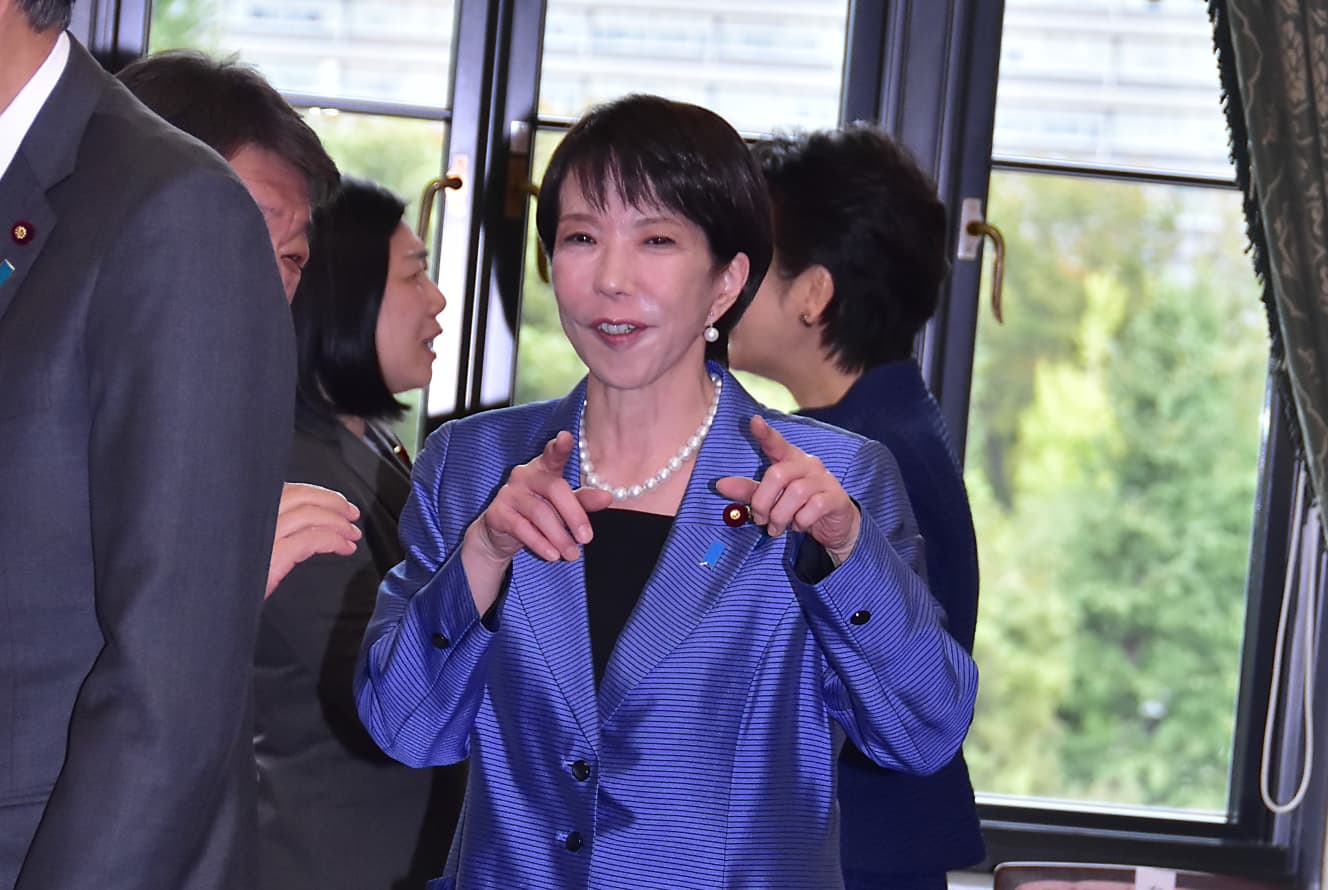
The chances of election are almost zero
At the time, the Diet was in turmoil over the Moritomo Gakuen issue. In that context, the extramarital affair suspicions involving two LDP lawmakers further fueled public anger.
“At the time, it seems Maekawa already knew Nakagawa before becoming a lawmaker and had been giving him various advice. She steadfastly denied any affair until the end,” said a Nagatacho insider.
Maekawa was elected twice via the proportional representation system, where voters cannot directly cast ballots for her. Why was her name listed four times on the proportional list, despite the fact that her ranking made election quite difficult?
“Even for Maekawa, who became a topic for winning via proportional representation, or for Muraki, the party headquarters viewed their chances of election as very low. That’s why there’s a list of people who are basically ready to run without complaint if they lose,” said an LDP official.
This time, the LDP’s proportional list ran short, and as a result, they had to give up 14 seats to other parties. To prevent that, even if the chance of winning is extremely low, names must be listed at the bottom of the proportional list.
“The important thing is that they won’t complain if they lose. After all, the chance of election is almost zero. And most importantly, even if they win by some miracle, they won’t demand a constituency in the next election. For example, if Muraki wanted to run in her local Hokkaido single-seat district, she would have to compete with an incumbent. The party headquarters wants to avoid that hassle as much as possible. That’s why the list includes people who can accept that,” said the same LDP official.
If a seat is vacant due to a lawmaker’s retirement or other reasons, it may be possible to run from a single-seat district via public recruitment. Still, many will not hold a constituency. If someone is willing to accept those conditions and has connections within the party, they may get their name on the proportional list, even at a low rank.
“Even a troublesome lawmaker like Maekawa has become a member of the House of Representatives twice. Surprisingly, the title of former lawmaker can be useful in business. You can build connections with lawmakers and bureaucrats. Moreover, since they don’t have a constituency, there’s almost no expense. There’s no need to hire private secretaries, only public ones. It’s a sweet deal,” said the Nagatacho insider.
The website sent questions to Maekawa’s office asking why she ran in the Kita-Kanto proportional block, whether she plans to run in a constituency in the future, and what kind of parliamentary activities she intends to carry out, but no response was received by the deadline.
Including salaries, document/communication/transportation allowances, legislative expense funds, party subsidies, JR and airline ticket coupons, and public secretary salaries, about ¥75 million per year of taxpayer money is spent per lawmaker. Even if elected via proportional representation, it is expected that they work diligently for the people.
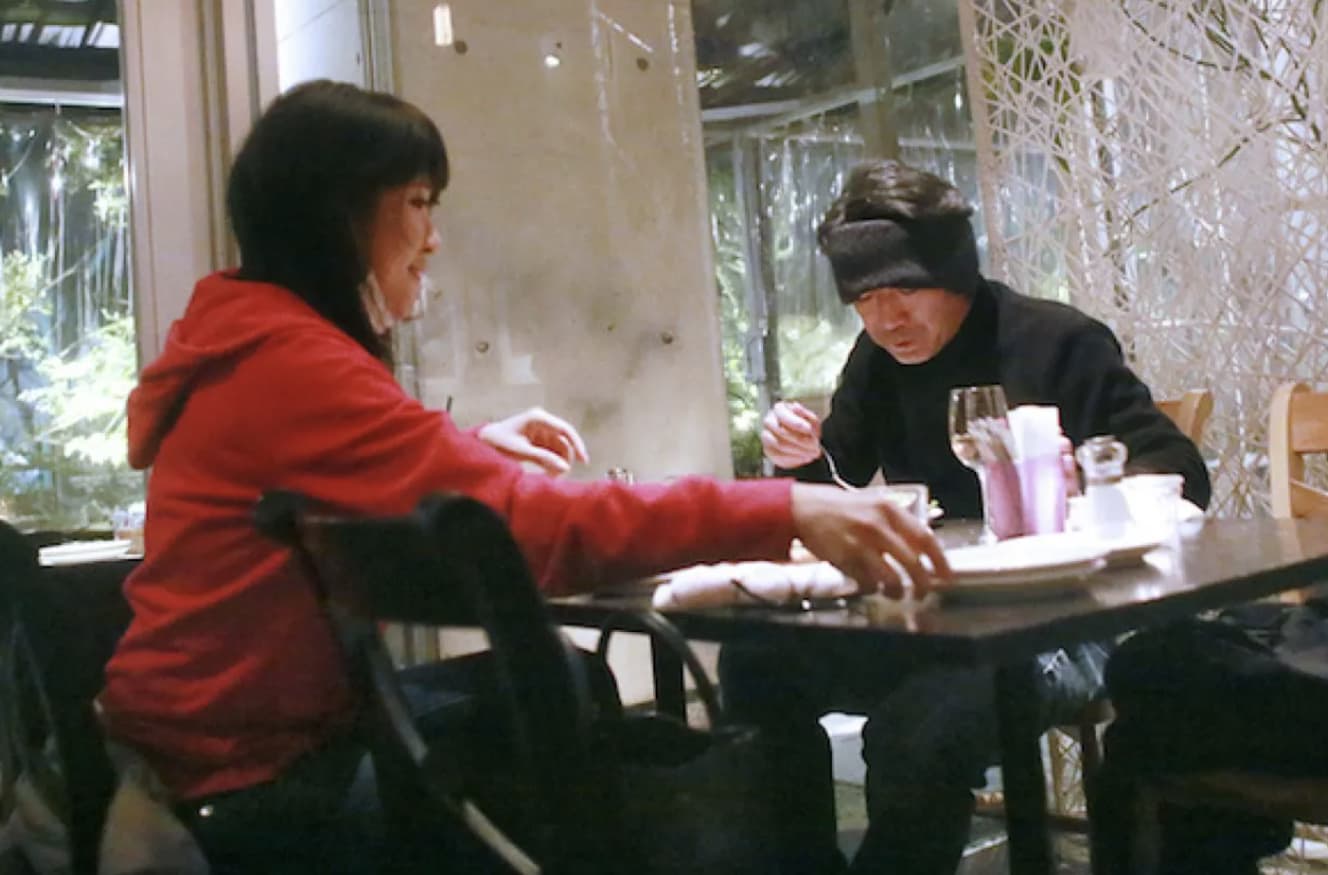

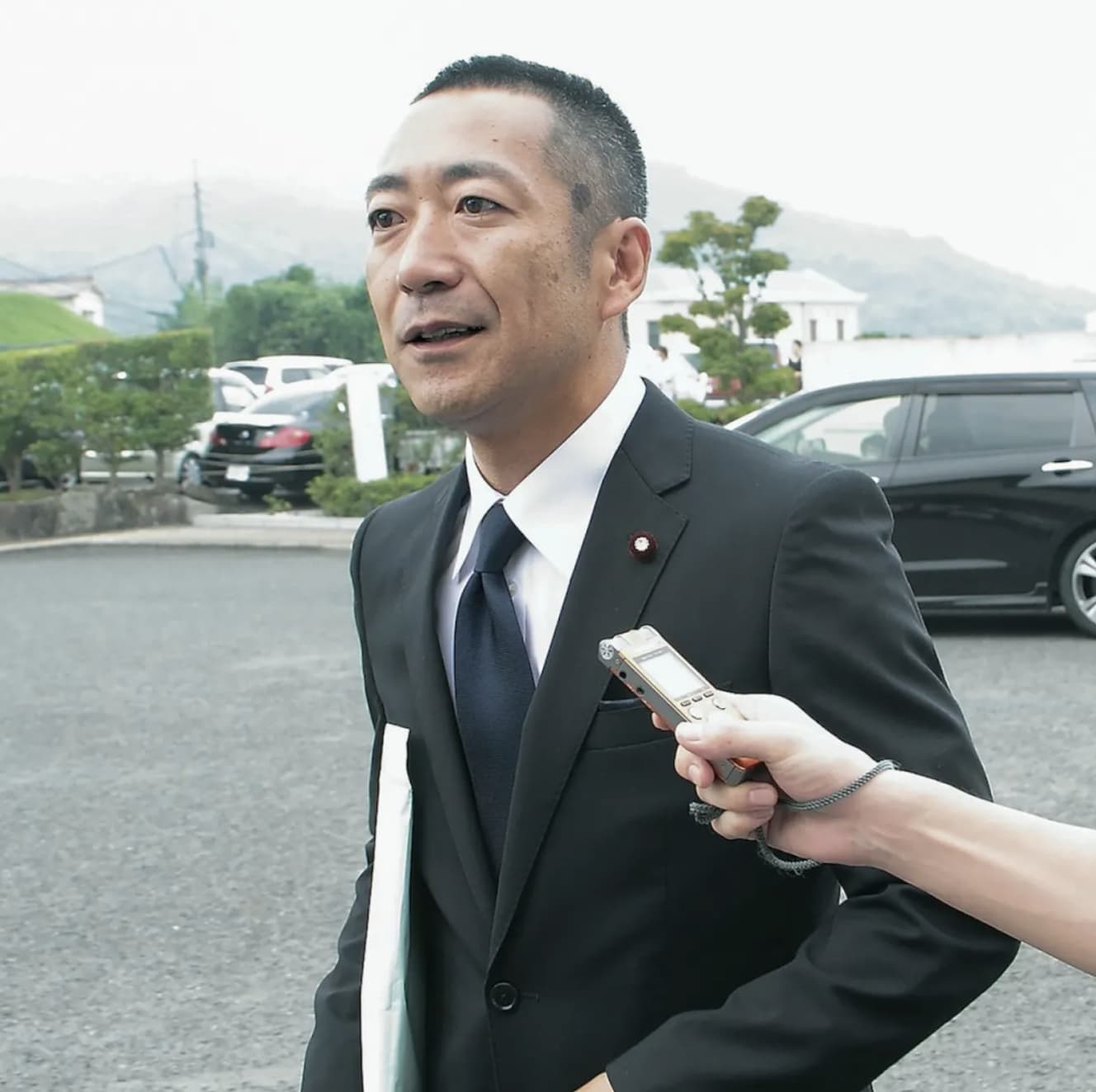
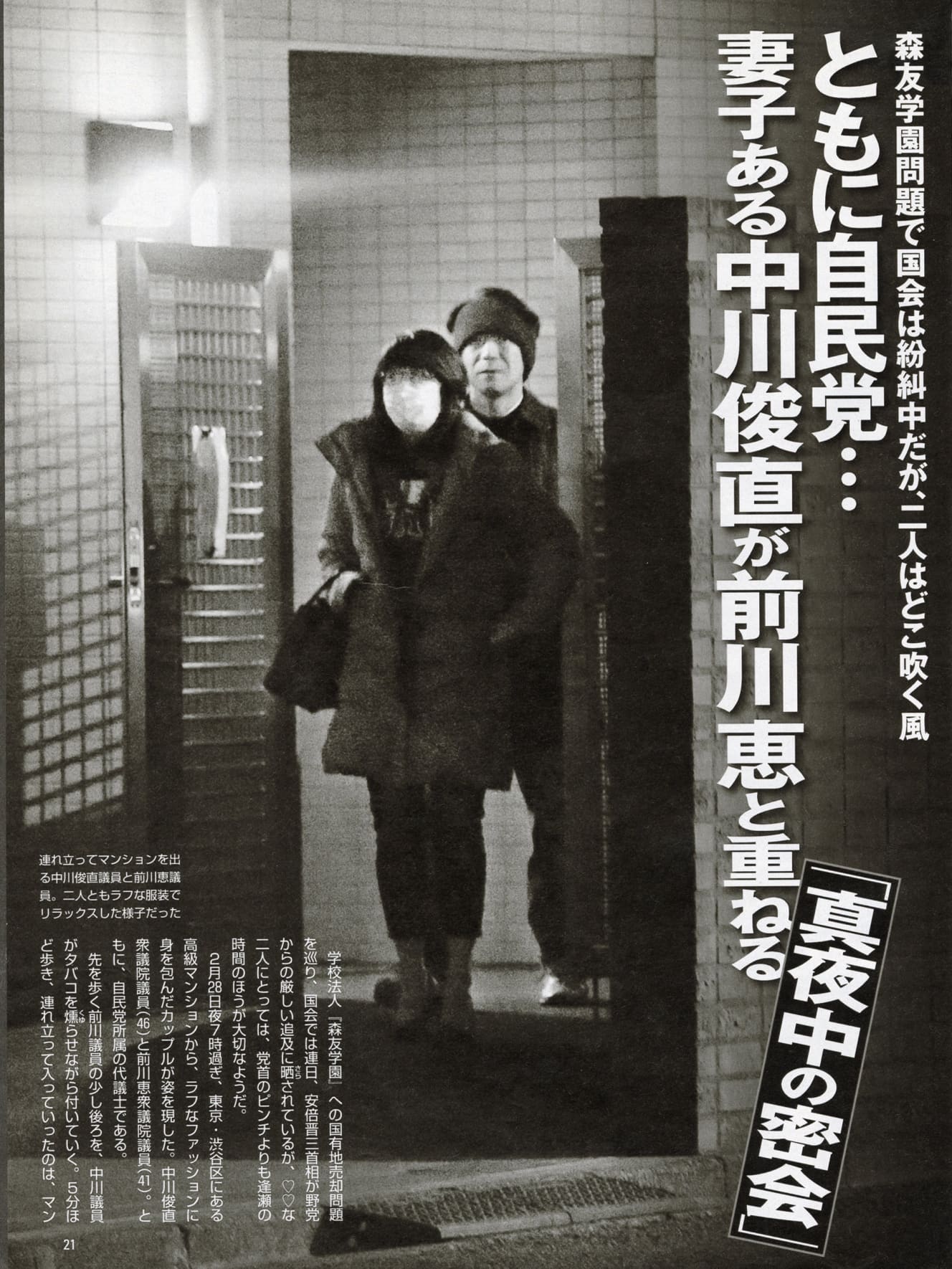
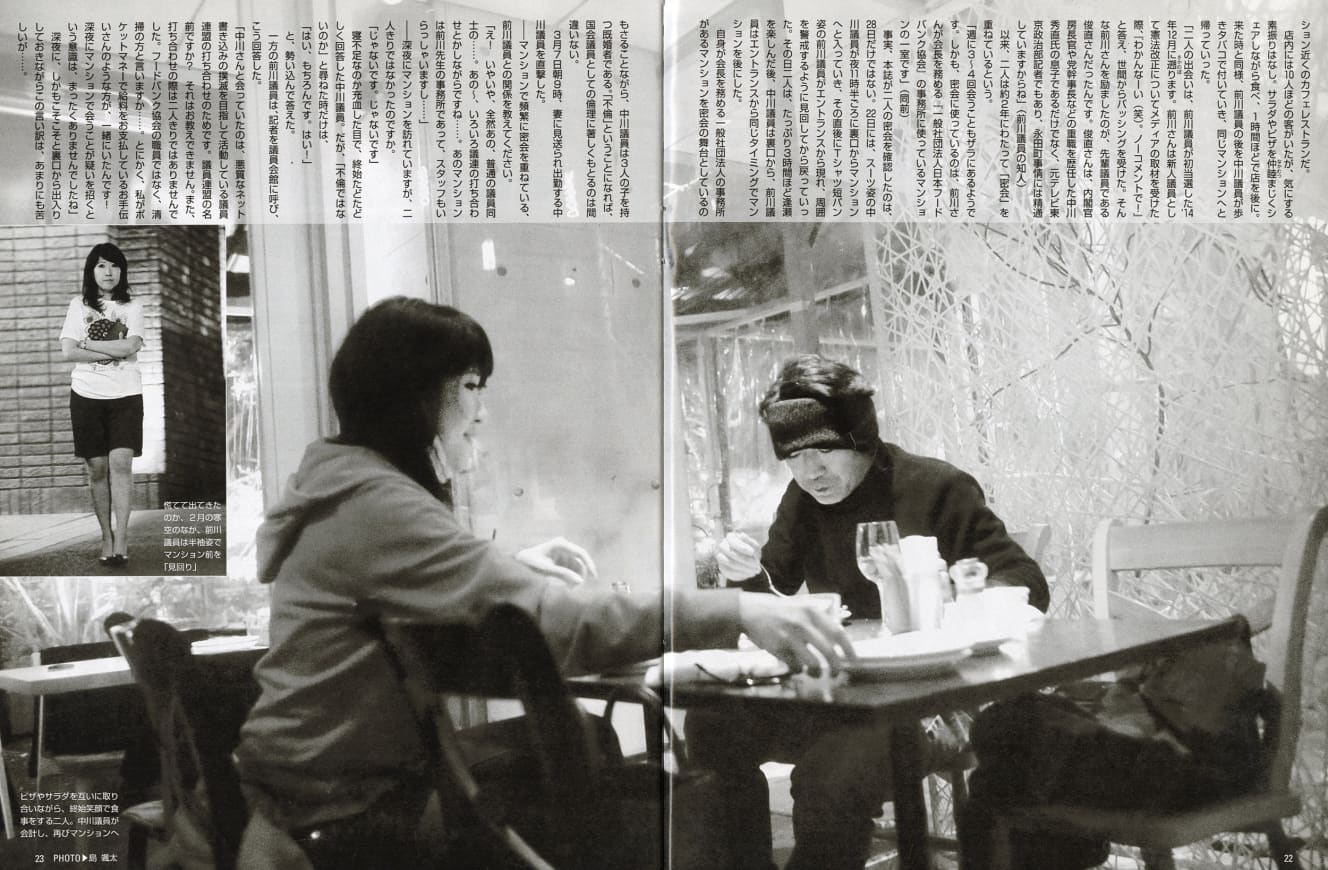
PHOTO.: Sota Shima (Maekawa), Takeshi Kinugawa (Takaichi)