The Cultural History of Image Clubs③ (Part 1) — How Purification Operations Sparked a Niche Cosplay Boom in the Mid-2000s


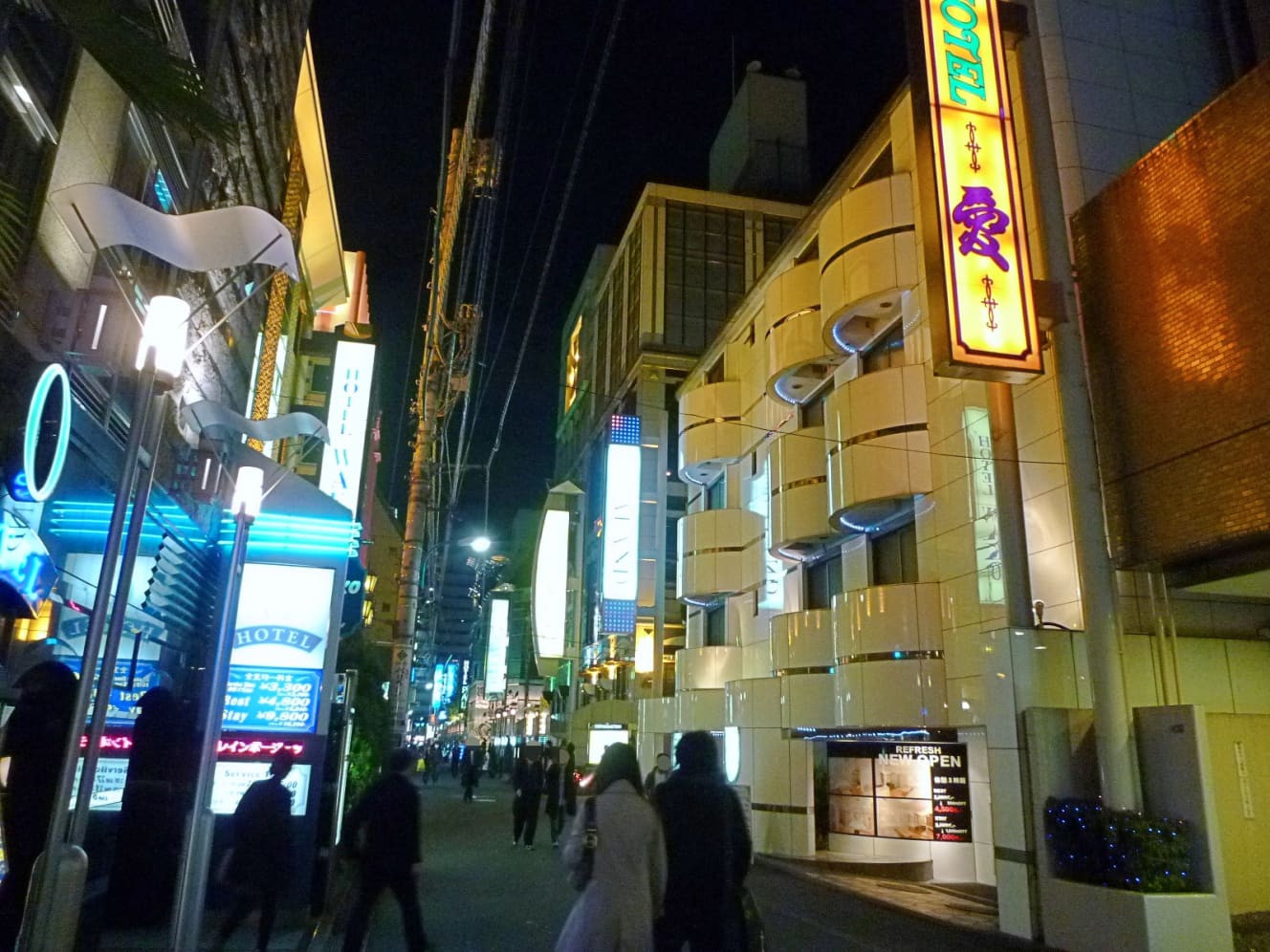 The Kabukicho love hotel district. Outcall-style sex services became mainstream, and the number of customers increased (2010).
A history of image-play that can also be called a cultural history of sexual services was explored by sex-industry journalist Akira Ikoma in The Cultural History of Image Clubs. This is the first part of the third installment, covering the mid-2000s to the mid-2010s.
From storefronts to outcall services due to the purification operation
The Kabukicho Purification Operation, implemented in 2003, dealt a major blow to the image club (imekura) industry. With the policy of not allowing lewd sexual-service signs in the streets, storefront-style clubs were the main targets. As a result, unlicensed storefront imekura, which had been tolerated until then, were raided one after another and largely destroyed.
This movement spread nationwide. In Kanagawa, Saitama, Gunma, Osaka, and other areas, storefront sex-service establishments disappeared rapidly from the streets. When the revised Adult Entertainment Law went into effect in 2006, authorities tightened enforcement even further. Consequently, the large playrooms modeled after trains, nurse’s offices, classrooms, and other settings—which had enlivened entertainment districts from the 1990s through the early 2000s—dramatically decreased.
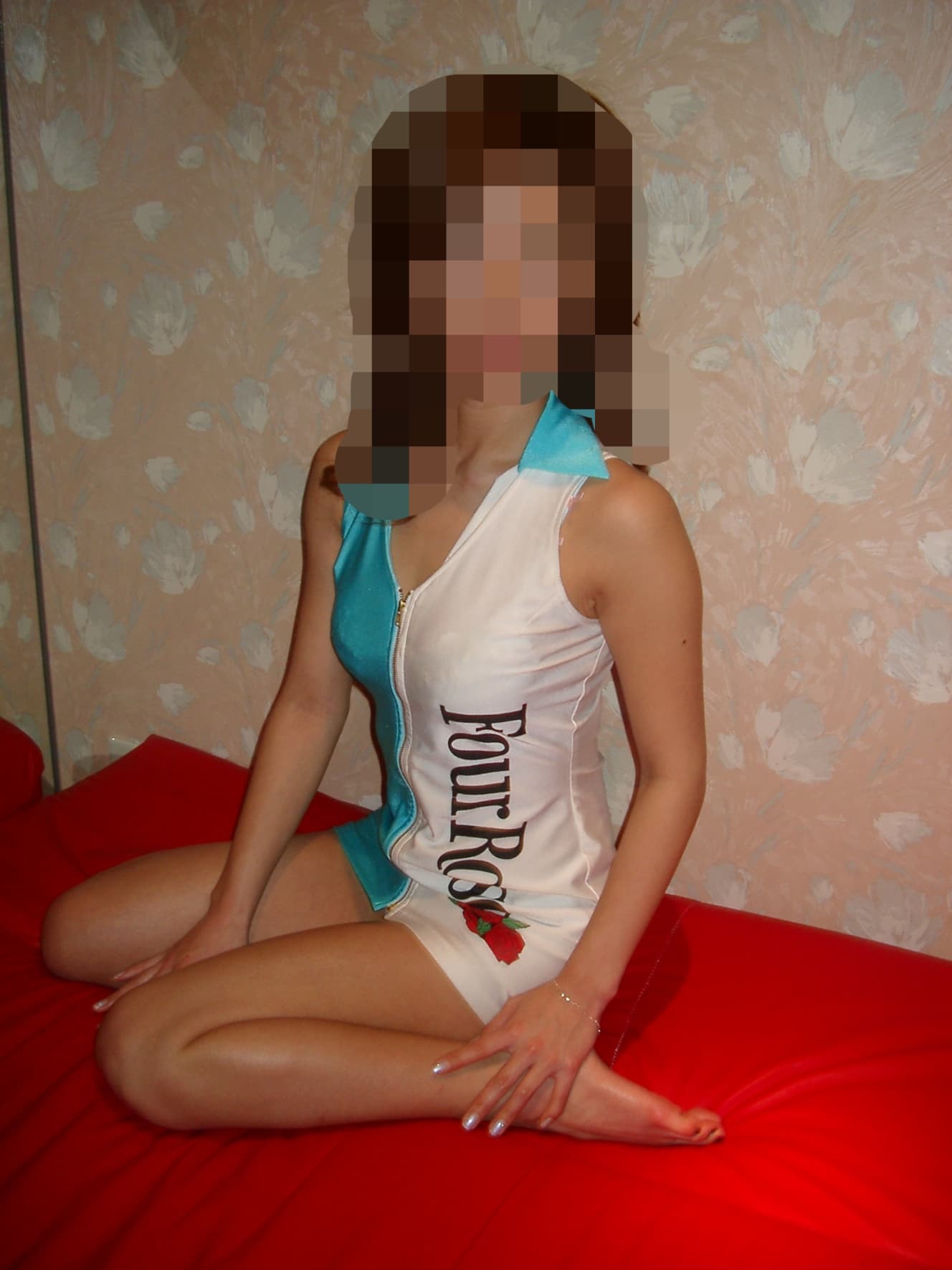
However, because the purification operation emphasized making sex shops invisible in the streets, authorities showed a tolerant attitude toward outcall-style services. As a result, the imekura industry shifted to outcall delivery health services (deriheru), with costumes becoming a major element in enjoying image play.
Sex workers would bring the costumes requested by clients and travel to hotels or private homes. Whether a client’s fantasy could be realized depended on the skill of the sex worker.
Additionally, because new outcall services could now open without a storefront, the number of places offering image play increased dramatically. Regular delivery health services began offering cosplay as an optional service, and the boundary between imekura and health services gradually disappeared.
At this time, as existing storefront sex shops converted to outcall services one after another, building operators anticipating the increase in delivery and hotel health services began creating rental rooms for the sex industry. Among them, some savvy operators designed rooms like full-fledged imekura from the past—classrooms, molestation-train setups, nurse’s offices, offices, and so on—for imekura clients to use.

Unique cosplay delivery health services appeared one after another
A wave of unique, outcall-style sex services featuring cosplay emerged, particularly in Tokyo and Osaka.
Tokyo had many innovative image-delivery services. One notable example was Gingira Tokyo in Shinjuku, which featured only flashy and sexy dominatrix-style women. Its concept was male-female encounters in the club scene, and it became popular as a club-style imekura where customers could play with beauties in bodycon outfits. Many active AV actresses were employed there, and the store is still operating.
During the 2008 Beijing Olympics, the hotel health service School Ran Blue appeared in Kabukicho, adopting Speed Co.’s competitive swimsuits that had broken world records. It was famous for delivering a world-record-class erotic experience. The shop offered 48 different swimsuits, and swim caps, kickboards, and goggles were free options. Reviews praised, “Playing in a competitive swimsuit feels great because the lotion makes it slippery.”
Shibuya’s hotel health service Pure Cos was popular as an anime & game cosplay specialty shop. Costumes included fan favorites like Sailor Moon, Gundam SEED, and Vampire Knight. Photography was generally allowed, and videos were permitted as well.
In Ōtsuka, Deriharu no ANA specialized in flight-attendant cosplay, employing women with actual cabin crew experience or model-like physiques. This trend was partly influenced by the financial troubles of airlines, symbolized by JAL’s bankruptcy.
Mama to Oneesan in Uguisudani offered twisted image-play, such as lewd married women reading erotic novels whispering in the customer’s ear. It was an M-genre outcall imekura featuring infantilism and forbidden incest-themed play, and it remains open.
In Kagurazaka, the hanamachi delivery health service Mukashi kara aru basho employed only active and former geiko. Customers could experience proper etiquette, sexy kimono styling, and attentive service. The store became popular for allowing more people to experience the atmosphere of the hanamachi, with sessions starting at 20,000 yen for 80 minutes.
Rare idol costumes costing tens of thousands of yen
In terms of cosplay delivery health diversity, Osaka was on par with Tokyo.
Yanchagakuen Nihonbashi Campus, a hotel & delivery health service in Nipponbashi, transformed from a school theme to an idol cosplay specialty shop. They offered 15 different idol costumes made from authentic materials, four of which were rare items costing tens of thousands of yen—treasures that excited the hardcore fans.
At Karma, an SM club in Umeda where customers could enjoy combat-themed play like catfights and boxing, the highlight was women’s sumo, where performers wore red-and-white mawashi belts. The striking appearance of the wrestlers was fresh and drew attention. The club is still operating.
In Jūsō, the soft SM clubs Joshi Ryō and Okusama Club offered elaborate medical play courses. They were equipped with lab coats, stethoscopes, penlights, forehead reflection mirrors, Cusco speculums, and sepés (tools for vaginal irrigation), all commonly used in obstetrics and gynecology. Okusama Club is still open today.
A unique example was Mōsō no Yakata in Nishinakajima, a meet-up delivery health service. It specialized in cross-dressing and M-play, allowing male clients to experience becoming women. The shop accommodated a wide range of fetishes, from light roleplay to full-fledged SM. Makeup services were provided, and costumes ranged from lolita styles to sophisticated outfits.
Maid boom spreads to the sex industry
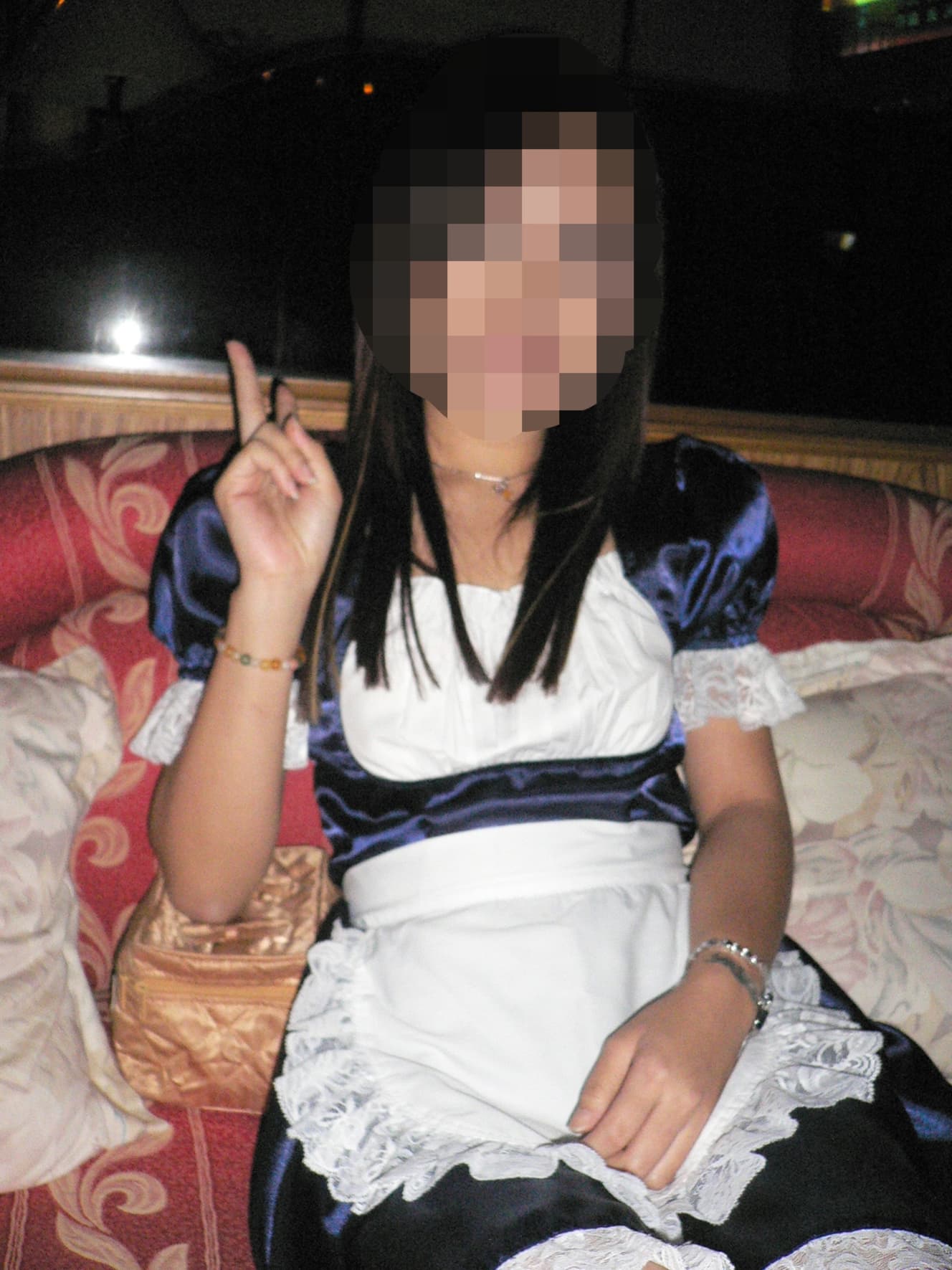
In Tokyo’s Akihabara, the drama Densha Otoko, featuring an otaku man as the protagonist, became a social phenomenon, triggering a rush of maid café openings and turning the area into a tourist spot. By the mid-2000s, when “moe” had become a major boom, the imekura-style delivery health services that were particularly active were the so-called “Akiba-style” shops, which specialized in maid costumes and anime character outfits.
Some of these shops even offered play along detailed storylines, like a scripted performance. By the 2010s, they had split into anime, game, and comic-themed styles, and the women working there were often fans of otaku culture themselves, keeping the momentum unstoppable.
A shop that boasted a vast selection of anime costumes, catering to both customer and staff requests, was the Osaka–Tanimachi 9-chome hotel health service Anihiro. It had over 500 costumes and a lineup of women who were die-hard cosplay, anime, and game enthusiasts—qualities that greatly appealed to male otaku customers. It is still in operation today.
Similarly, at the Osaka–Nipponbashi hotel health service Princess Layer, all the cast members were anime and comic fans even in their private lives. The store offered a full range of costumes, from classics to the latest anime cosplay outfits.
In Kobe–Sannomiya, the hotel health service Kobe Maid Dignity Maiden provided original maid costumes. The elaborate, authentic maid outfits were so well-crafted that many customers didn’t even have the women remove them during play.
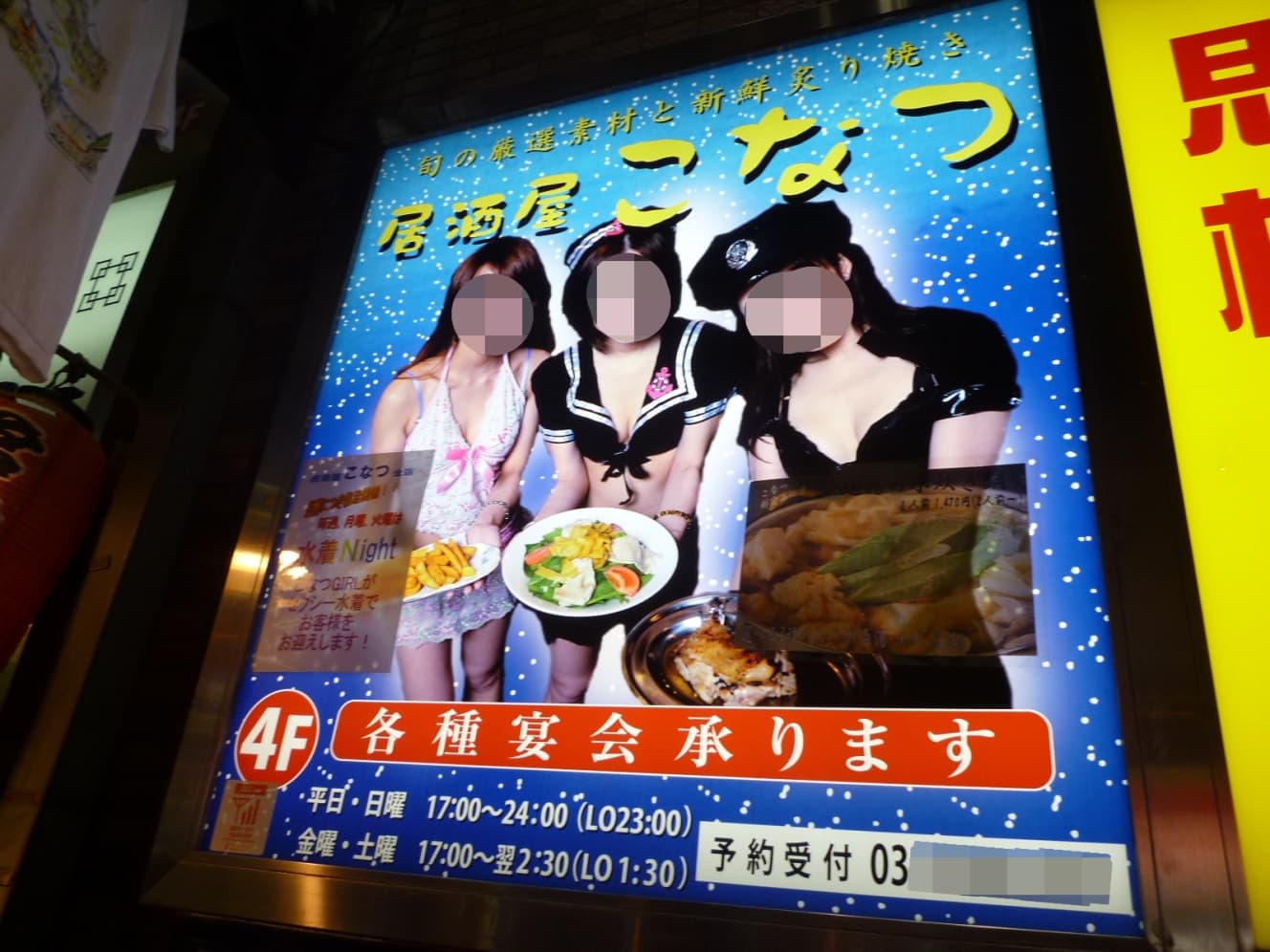
The maid boom also spread to industries outside of delivery health services. In Tokyo’s Ōtsuka and Kanda districts, a new type of business called cosplay yakiniku emerged, where women in costumes would grill meat or cook sukiyaki for customers at the table. Unlike cabaret clubs, the fact that the women didn’t act overly professional was popular. Besides maid costumes, there were also highly revealing outfits, such as short-skirted schoolgirl uniforms and swimsuits.
The maid cosplay boom even spread to Bangkok, Thailand. In the Japanese entertainment district of Thaniya, the karaoke club Playgirl, staffed by hostesses in maid costumes, became extremely popular, capturing the “moe” hearts of Japanese visitors. There was even a shop called Bangkok Girls’ Academy, where Thai women in sailor uniforms welcomed customers.
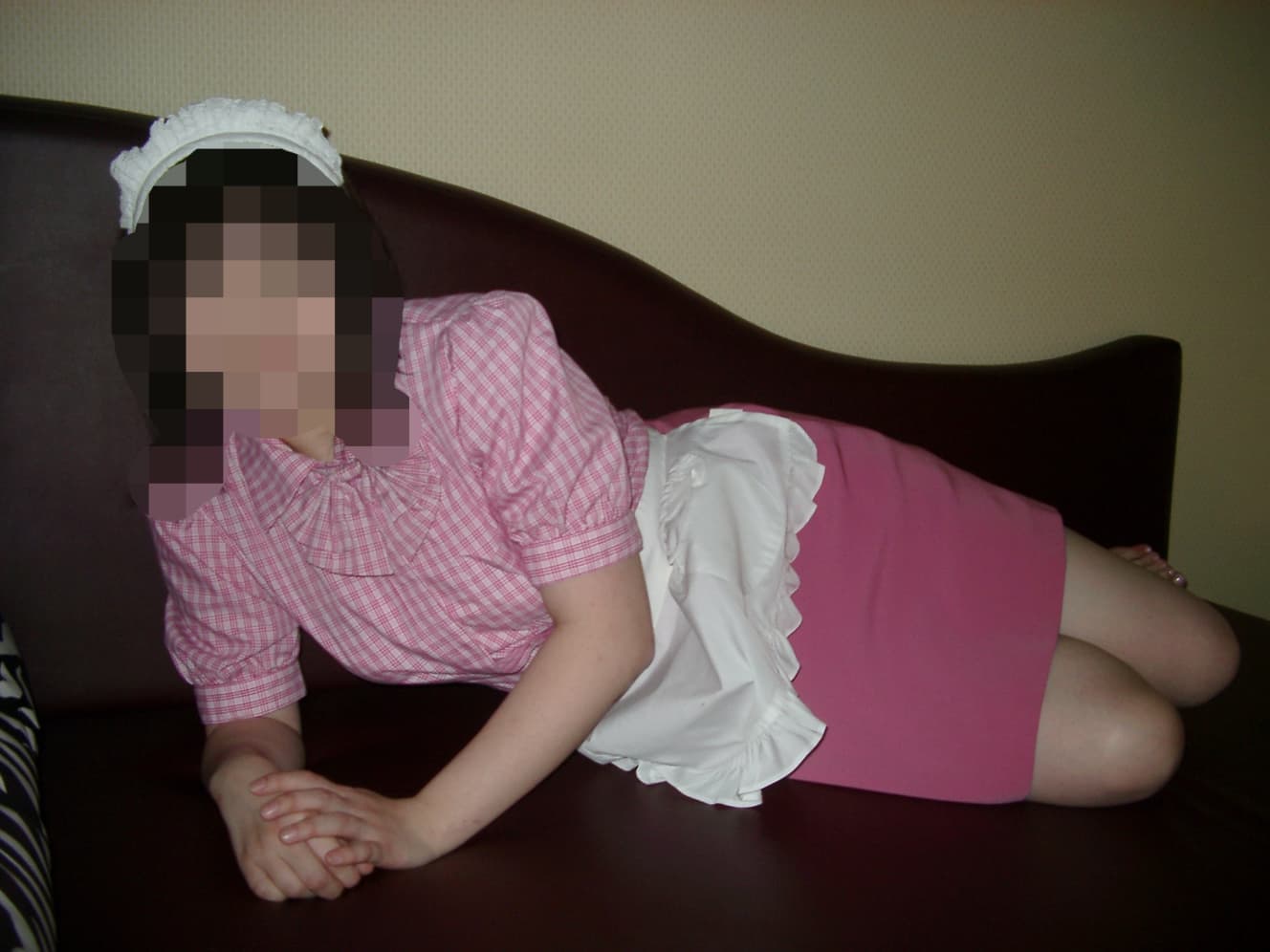
In Tokyo, there were also delivery health services that didn’t use maid costumes but featured women cooking in nothing but aprons, with the play continuing on the bed after the meal. Another type, called housekeeper delivery health, provided not only sexual services but also general household chores like cleaning and laundry. Both types were highly appreciated by men living alone.
Second part: What is the imekura district that was the only one to survive nationwide after store-based imekura were wiped out?
References:
Ore no Tabi (adult entertainment magazine), Million Publishing, 2003–2012
Junhiko Nakamura, Illustrated Japanese Sex Industry, Mediax, 2016
Junhiko Nakamura, Japanese Sex Workers, Shinchosha, 2014
Other numerous books and online sources were also consulted.
Interview, text, and photographs: Akira Ikoma