A Yakuza-Linked Man Glares at Reporters—Why Authorities Crack Down Even on Minor Offenses


The police will thoroughly investigate even minor offenses
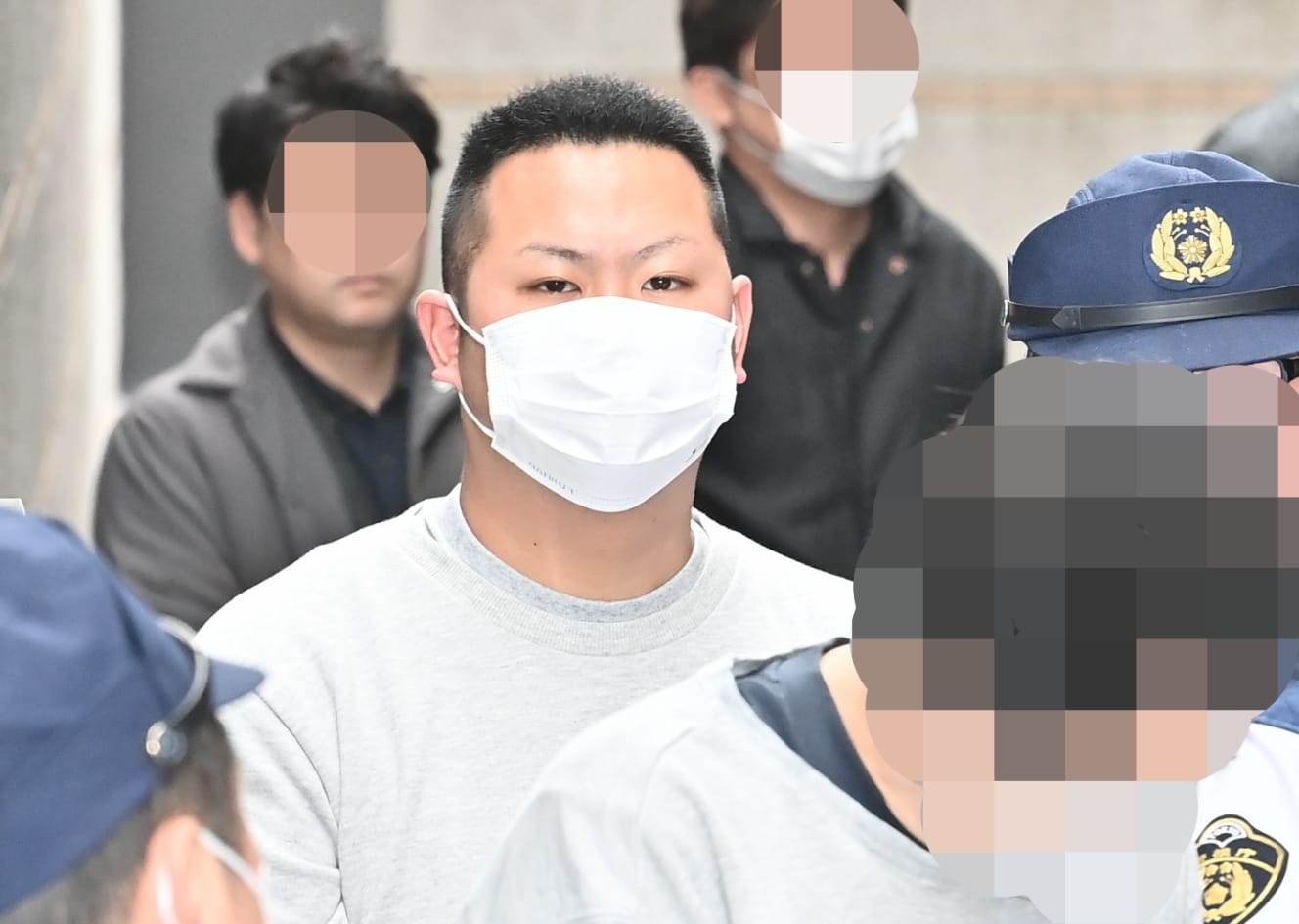
The man stared fixedly at the gathered reporters without averting his gaze for even a moment—.
Emerging from the Tokyo Metropolitan Police Department’s Manseibashi Station was Tenta Kato (24), an associate of a subsidiary organization under the designated crime syndicate Inagawa-kai. He was arrested on February 19 on suspicion of attempted theft.
“Last July, Kato is suspected of conspiring with accomplices to try to withdraw and steal 500,000 yen in cash from an ATM in Chiyoda Ward, Tokyo, using a bankbook under someone else’s name. At the time, the account had already been frozen, so the cash could not be withdrawn.
Before his arrest, Kato had frequently been seen entering and leaving a subsidiary organization of the Inagawa-kai, so on February 17, the Metropolitan Police conducted a search of the office. In other words, they are considering the possibility that this was not a solo crime, but an organized one,” said a reporter from a national newspaper’s social affairs desk.
Teppei Ogawa, a former Kanagawa Prefectural Police detective and crime journalist, explains:
“The police have conducted a search of a yakuza office, taking into account the possibility of organized crime, but in reality it would be difficult to charge the top of the organization based on this alone. However, in civil cases, it is possible to hold the group’s leader liable for damages under employer responsibility. This case is a minor offense, but there is no doubt it was an arrest carried out as part of a broader investigation into cracking down on organized crime. It shows the authorities’ intent to thoroughly investigate even minor crimes if they could serve as a source of funding for yakuza organizations.”
Recently, there has been a sharp increase in cases where individuals connected to organized crime are arrested for so-called minor offenses.
On February 9, four people—including a 63-year-old unemployed man who is an executive of an Inagawa-kai-affiliated gang—were arrested on suspicion of trespassing for attending a professional baseball game at Tokyo Dome. On September 10 last year, the four allegedly watched a Giants vs. Hiroshima game despite signs at the gates stating, “Members of organized crime groups and related persons are not allowed.” The Professional Baseball Anti-Organized Crime Council adopted a “Declaration to Exclude Organized Crime” in December 2003, clearly stating that such individuals are not to be allowed into stadiums.
On January 28, an appeal trial was held regarding a case involving a gang leader using an ETC card registered under a family member’s name. The previous acquittal was overturned and the case was sent back for retrial.
In this case, in December 2022, the gang leader, his wife, and a gang member allegedly conspired to use the wife’s ETC card—despite her not being in the vehicle—to drive on toll roads in Osaka Prefecture twice, receiving discounts totaling 1,140 yen.
“Highway usage rules state that payment using an ETC card is limited to one vehicle in which the cardholder, who has been issued the card by a credit card company, is riding at the time of use. In the first trial in January 2025, a not guilty verdict was issued, but in the second trial, it was pointed out that the ETC card had also been used for movements related to organized crime activities. The court ruled that it could not simply be regarded as typical borrowing between spouses and determined it constituted improper use,” the reporter added.
Based on these cases, Ogawa further explains:
“Members of organized crime groups cannot open bank accounts or rent apartments from real estate agencies. Recently, the number of services they cannot use even if they pay—such as ETC—has been increasing. Eventually, they may not even be able to use airplanes or bullet trains. Organized crime groups are finding it difficult not only to secure funding but even to live. Their weakening is likely to accelerate further.”
Kato continued glaring at the reporters until the very last moment before boarding a bus bound for the prosecutor’s office. According to investigators, he has remained silent during questioning.
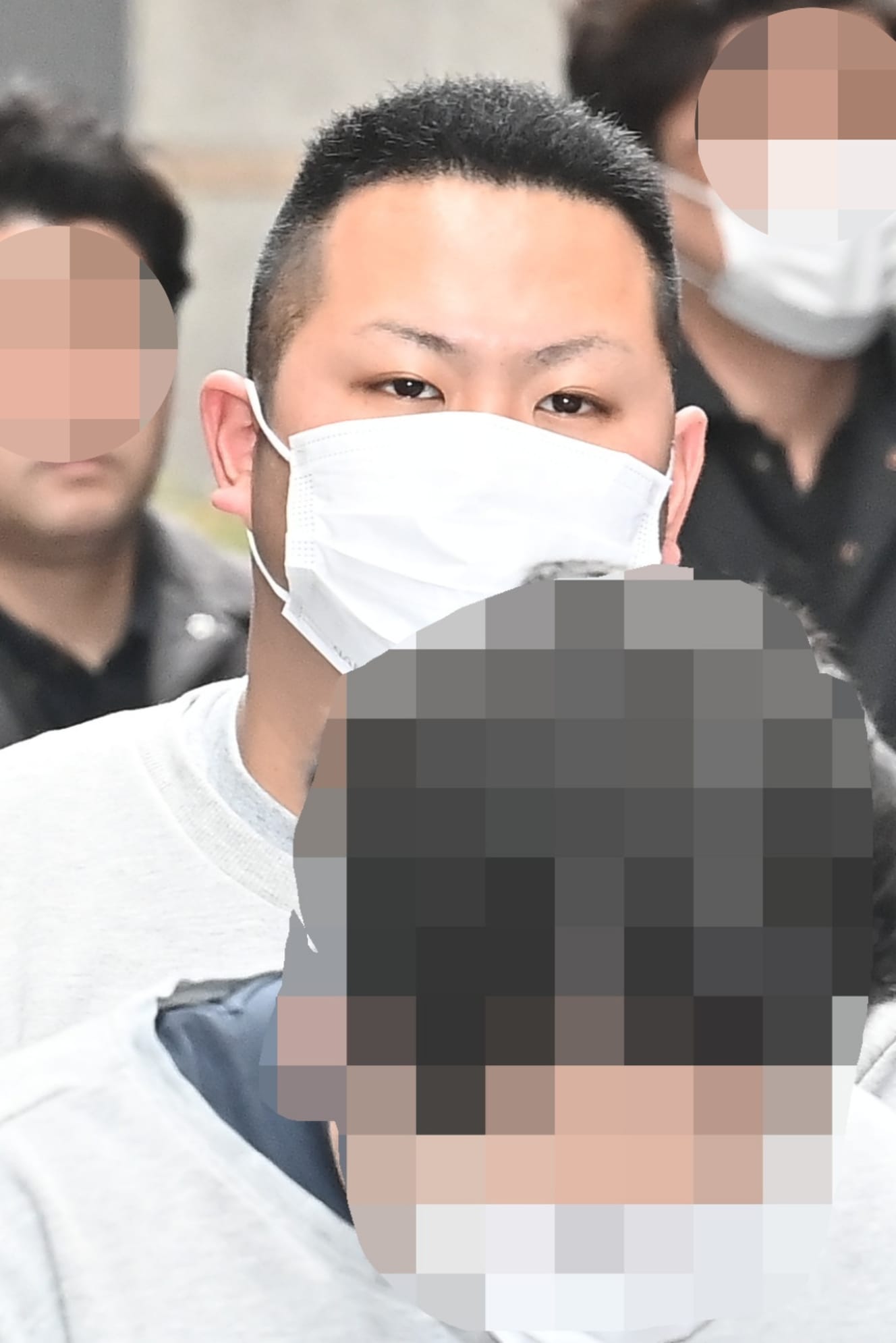

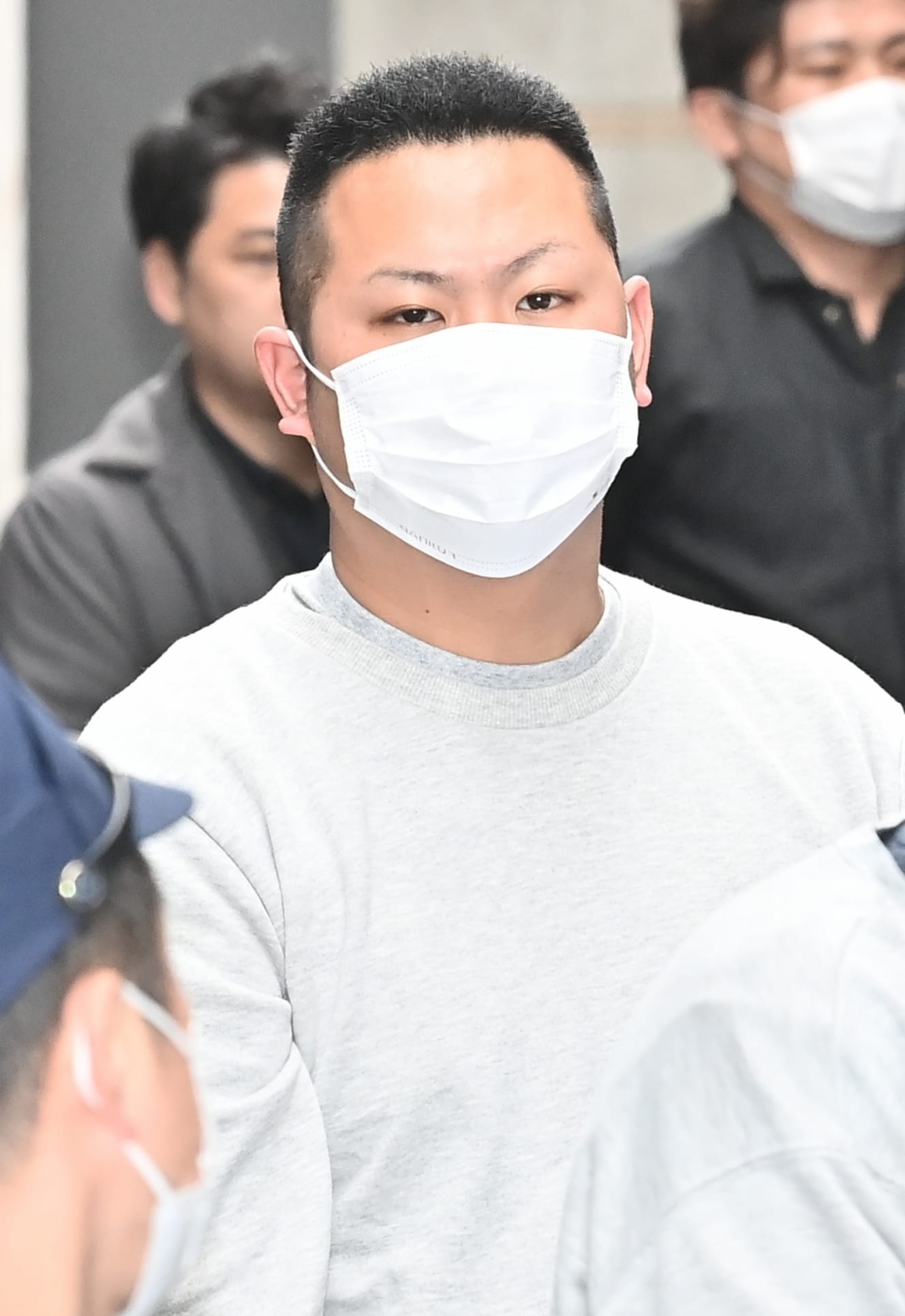
PHOTO: Shinji Hasuo