Court Issues Verdict in Shocking Case of Man Who Left a High School Girl to Die in the Suicide Forest


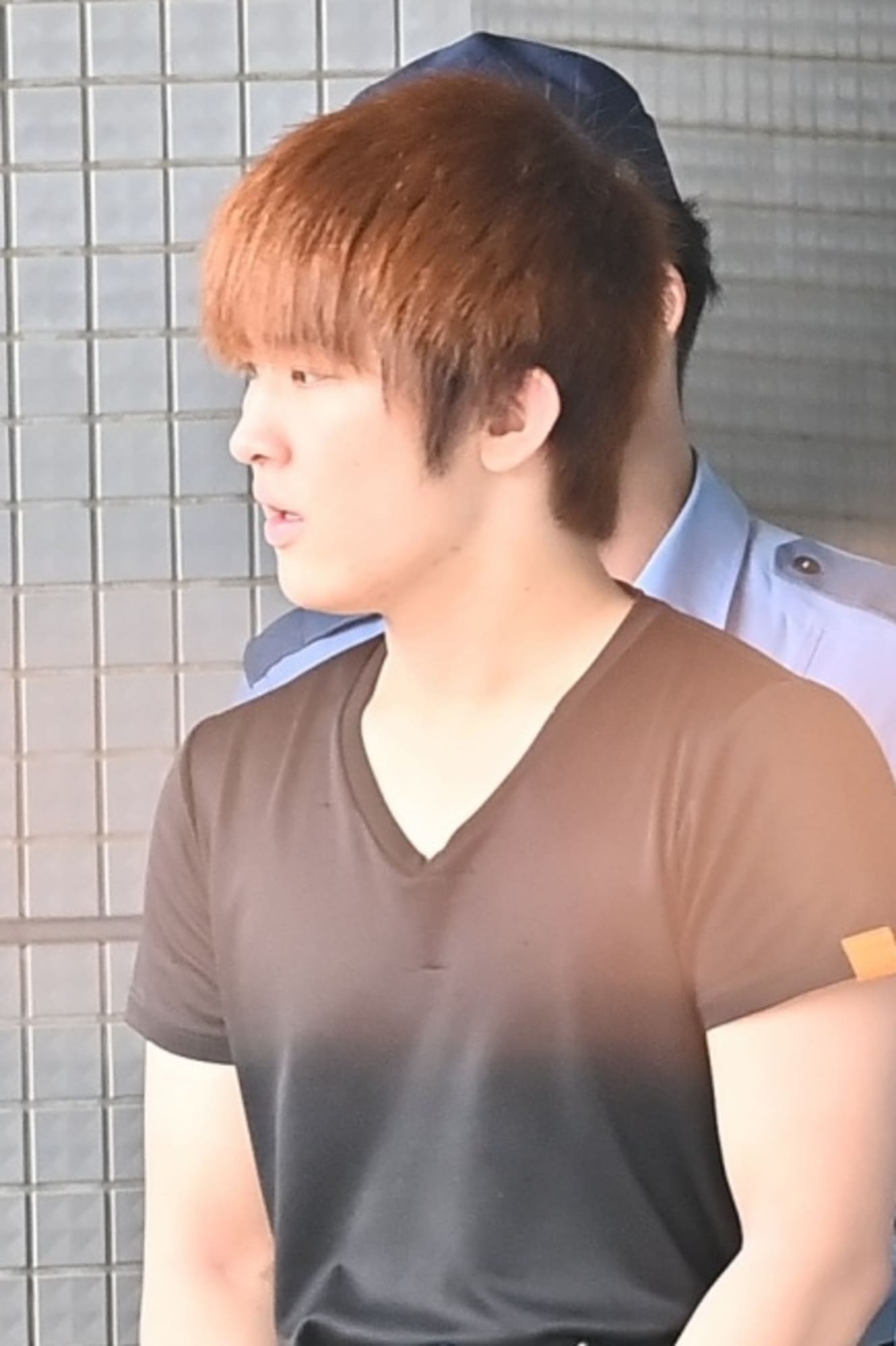
Took a high school girl into the Aokigahara forest and led to her death
“What does it mean to have suicidal thoughts but be afraid of dying?”
A man who had promised a high school girl he met on social media that they would die together fell silent and could not answer this question from the judge.
Yuto Kakuma (22), unemployed, from Minokamo City in Gifu Prefecture, was charged with kidnapping a minor and assisting suicide for luring a high school girl, A (17 at the time), who lived in Saitama Prefecture, to the Aokigahara forest on June 8, 2025, and helping her take her own life.
On February 13, at the Saitama District Court, Judge Hideki Inoshita stated that the defendant’s involvement had a significant impact on the victim carrying out the suicide, and the manner of the crime was malicious, and handed down a prison sentence of 2 years and 4 months (with the prosecution having sought 3 years).
Regarding why he came to have suicidal thoughts, Kakuma said:
“Since high school, I’ve had a complex about my appearance. I was troubled about my face and even had a period where I stopped going to school. I felt that because I looked ugly, I wouldn’t be accepted or understood. Even after I started working, I would remember the painful times from high school and wonder why I was working while going through such suffering, and I sometimes skipped work. Eventually, I began to think that living was painful and that it would be easier to die.”
He had previously attempted to jump to his death but was too afraid to take the final step. In May 2025, he also arranged to meet another woman to attempt suicide, but again could not go through with it.
Still, believing that if I’m with someone, I can end my life, Kakuma repeatedly posted on social media asking, “Won’t you die with me?”—and that was how he met A.
According to a statement from A’s mother read aloud in court by her lawyer, A had struggled from a young age to maintain appropriate distance with others and appeared to have difficulty coping with life.
“I’m afraid of dying” — “I want to live”
In the statement, her mother expressed her feelings for her daughter as follows:
“She seemed to constantly struggle with suicidal thoughts and even confided in me, saying, ‘I feel like I shouldn’t be alive.’ As a parent, she wasn’t an easy child to raise. But I loved her dearly and truly cherished her.
That’s why, even when she resisted, I kept telling her, ‘Wake up in the morning, take your medicine, and get some sunlight.’”
Although A sometimes pushed back against her mother’s efforts, she would also cook for her family. She worked hard at her part-time job and her high school studies, and dreamed of getting a job and living on her own after graduation.
Despite struggling with suicidal thoughts, A was trying to keep living. However, she was drawn in by the defendant Kakuma’s post, “Won’t you die with me?”
She then went to the meeting place at the date and time he had specified.
At around 9 p.m. on June 8, 2025, the two met at Kawaguchiko Station. Kakuma had researched the location and method for suicide and prepared items such as rope and gloves. They walked for about two hours into the forest, where Kakuma tied a rope to a tree, and A hanged herself first. Then Kakuma attempted to hang himself as well, but the rope came loose and he fell to the ground.
Kakuma described his feelings at that moment as follows:
“At that instant, I thought, ‘I’m afraid to die.’ The feeling that ‘I want to live’ welled up inside me. I tried to save A immediately, but I couldn’t do anything. I became scared and ran away from the scene.”
With his phone turned off, he wandered in the pitch darkness and only managed to leave the forest after it became light. Then, because A had said she didn’t want her body to be found and he felt guilty about what he had done, he hid her belongings and returned to his family home by train.
What Defendant Kakuma Pledged in Court
Kakuma’s mother, who appeared as a witness for the defense, spoke about his behavior after the incident:
“My son was withdrawn at home. He had scratches on his neck and legs, so I asked him, ‘What happened?’ and he replied, ‘I fell.’”
On the morning of June 15, the body of A, who had hanged herself in the Aokigahara forest, was discovered. “I couldn’t consult anyone about what I had done and was holed up at home when the police came,” said Kakuma.
Kakuma was arrested by the Saitama Prefectural Police Investigation Division 1 on June 21 on suspicion of kidnapping a minor, and re-arrested on July 10 for assisting suicide.
Judge Inoshita explained the reasoning for the sentence as follows:
“There was no reason to commit suicide together with a victim he only met through SNS, and no reason to encourage and cause the victim to act on suicidal thoughts. The motive reflects a disregard for the life of another person, leaving no room for leniency, and harsh criticism is appropriate.”
On the way from Kawaguchiko Station to the forest, Kakuma and A reportedly had the following conversation:
“We talked about what happens after you die—whether there is reincarnation, whether there is an afterlife, that kind of thing.”
Even in a situation where they had decided to commit suicide, neither could completely overcome their fear of death, perhaps trying in some way to distract themselves. Could they have chosen to turn back at that point?
As noted in the judge’s initial question, although Kakuma was afraid of dying, he forcibly attempted to end his life, ultimately taking the life of a stranger high school girl. In his final statement, choking on his voice, he said, “From now on, I pledge that I will never again act in a way that disregards life or commit any criminal acts.”
How did Kakuma react to the prison sentence?
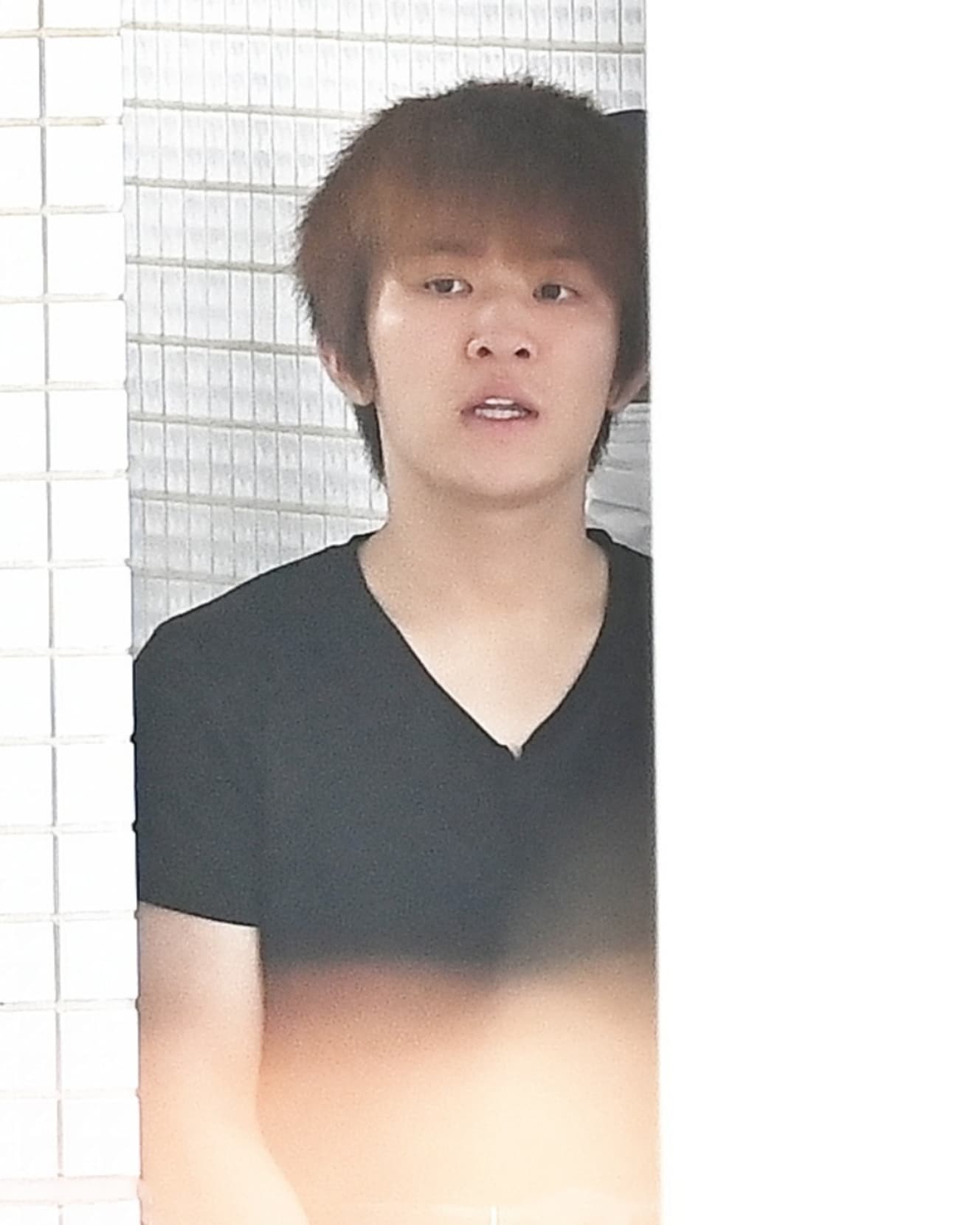
Wearing a gray sweat suit, Kakuma remained expressionless and stared into space from the moment the sentence was read until he left the courtroom. No emotion could be discerned.
Japan Life Line Federation
Phone: 0570-783-556 (10:00 a.m.–10:00 p.m.)
https://www.inochinodenwa.org/
Yorisoi Hotline (General Incorporated Association Social Inclusion Support Center)
Phone: 0120-279-338 (24-hour service; for Iwate, Miyagi, and Fukushima, dial 226 at the end)
https://www.since2011.net/yorisoi/
Ministry of Health, Labour and Welfare “Unified Dial for Mental Health Consultation” and SNS consultation
Phone: 0570-064-556 (service hours vary by municipality)
https://www.mhlw.go.jp/stf/seisakunitsuite/bunya/hukushi_kaigo/seikatsuhogo/jisatsu/soudan_info.html
List of Life-Supporting Consultation Services (by prefecture and ordinance-designated city)
https://jscp.or.jp/soudan/index.html


Interview and text by: Nakahira Ryo PHOTO: Shinji Hasuo