Playback ’16] “The End of the Bomb Shopping”? …The impact of the bursting of the Chinese stock market bubble on the “Chinese New Year shopping spree” was discussed with the “Chinese New Year shopping spree” Chinese.


Shanghai Stock Bubble Bursts
What was “FRIDAY” reporting 10, 20, or 30 years ago? In this issue of “Playback Friday,” we revisit the topics that were hot at the time. In this issue, we take a look at the February 26, 2004 issue, which was published 10 years ago, and discuss the topic of the “Great Recession in China,” as told to a group of Chinese New Year holiday shoppers.
Although the number of Chinese tourists to Japan has been drastically reduced this year due to the Chinese government’s advice to refrain from traveling to Japan, Chinese tourists used to flock to Japan in droves every year during the Chinese New Year season from January to February. Especially since around 2008, “Bakuhatsu” has become a hot topic of conversation, and by the early 2010s, it had become a familiar sight. They were buying all kinds of goods, from luxury brands and home appliances to daily necessities, in large quantities, but in 2004, things were a little different.
“I went to Matsumotokiyoshi and Tomod’s, which I had researched on the Internet beforehand. Today I spent about 20,000 yen shopping for thermos bottles, medicine, cosmetics, etc.”
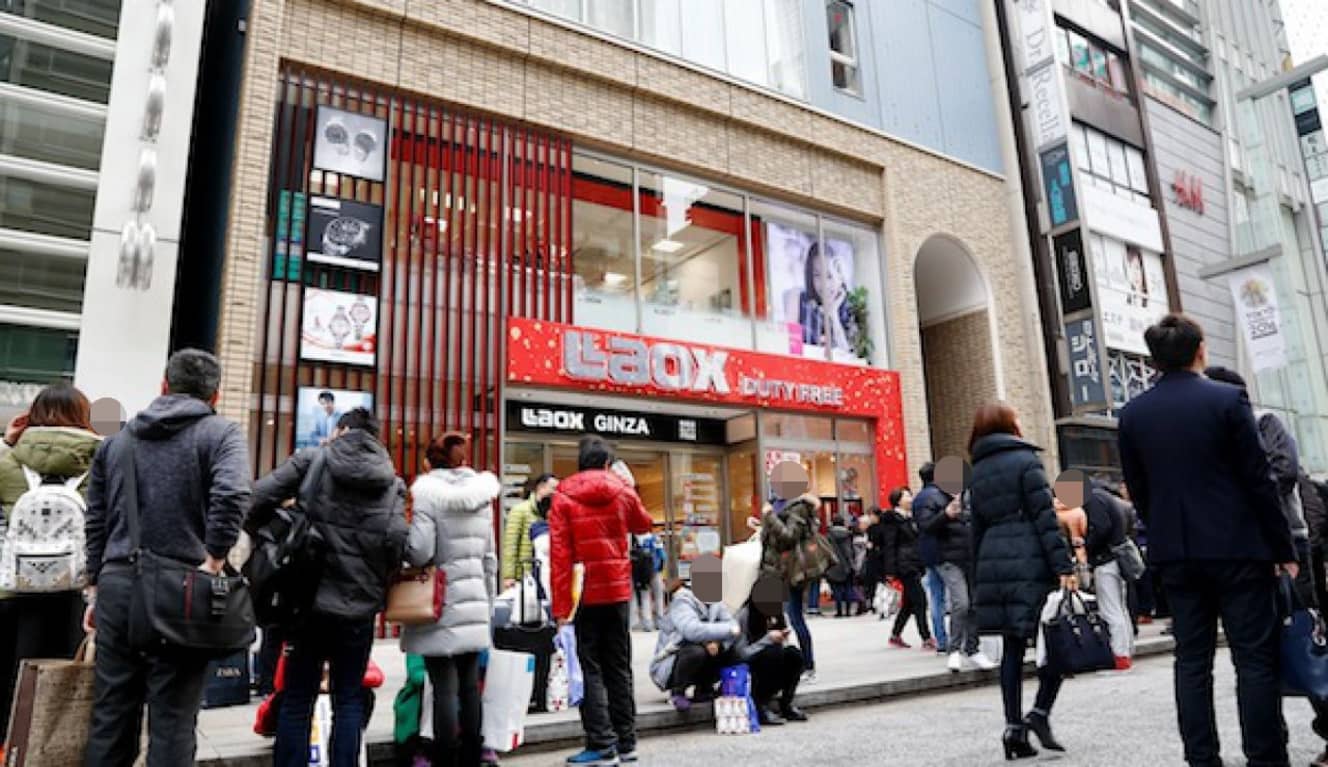
This year, too, Chinese tourists came to Japan in droves for the Chinese New Year vacation. A whirlwind of “Bakuhai” shopping is sweeping across the country. Mr. R, 45, who came from Tianjin, China on a tour, was shopping in Ginza, Tokyo, that day.
According to the Japan National Tourist Organization, the number of Chinese tourists who visited Japan last year doubled from the previous year to about 5 million, with each tourist spending about 160,000 yen. The “Bakuhai” shopping season during the Chinese New Year is a particularly hot time for Japanese companies.
However, in June 2003, the year before the Chinese New Year, the Shanghai stock market, which had been in the midst of a bubble, crashed. The devaluation of the Chinese yuan also caused a global stock market crash, and real economic growth in 2003 was 6.9%, the lowest growth in 25 years, raising concerns about a slowdown in the Chinese economy.
They don’t buy brand-name goods and high-end home appliances.
Will the recession really affect the “buying spree”? According to a journalist familiar with the situation in China at the time, the most popular items were vacuum flasks, ceramic kitchen knives, electric shavers, and other daily necessities. Mr. R, as shown in the photo at the beginning of this article, had a paper bag stuffed full of thermos bottles. The “bomb shopping” has shifted from high-end home appliances and brand-name goods, which were once popular, to general merchandise and cosmetics, according to the survey.
“We are conservative, so we don’t trade stocks. So we don’t feel the impact (of the recession) that much. Our budget is …… or so.” (Ms. C., a woman in her 30s, from Beijing)
It (the impact) depends on the industry. Yes, the economy may have worsened, but for me personally, not so much. In fact, I was able to take a vacation and come to Japan.
She denies any influence, but there are no luxury-brand paper bags in her hands, as was the case with the “bomb-buying” Chinese of yesteryear.
They are also economical when it comes to accommodations. A source in the tourism industry in Ueno, Tokyo, said.
“The occupancy rate of hotels during the Chinese New Year is over 90%, but most of them are inexpensive business hotels. Especially in Ueno, there are many inexpensive hotels priced between 10,000 and 20,000 yen, so they meet the demand of “Bakuhatsu” tourists.
One of the factors that contributed to the disappearance of the “buying spree” was believed to be the Chinese government’s restriction on the maximum amount of UnionPay cards, the most widely used debit card in China, that can be used outside of China. The limit has been raised from 10,000 yuan per day to 100,000 yuan per year (approximately 1.7 million yen at the then current exchange rate). This was said to be aimed at preventing capital outflows and expanding domestic demand in China.
At the time, the yuan was also weakening, and Chinese tourists’ purse strings were tightening. Did the “Bakuhai” boom, which brought a bubble like a rain shower to Japan, which has been in a perpetual state of recession due to deflation, end with this?
Chinese tourists continued to increase after
In ’16, travel spending by foreigners visiting Japan reached a record high of 3,747.6 billion yen. On the other hand, per capita travel spending (including travel and lodging expenses) by Chinese tourists was 230,504 yen, a significant 18.4% decrease from the previous year. The luxury brand and watch sections of duty-free stores newly opened by department stores in anticipation of the “Bakuhai” shopping spree were reportedly deserted. Sales of duty-free goods at department stores continued to fall below the previous year’s level, leading to whispers that the “boom-buying bubble” was over.
The Japan Tourism Agency cited the following as reasons for the decline in “Bakuhai”: (1) In the previous year, many wealthy people visited Japan for the first time, but in 2004, the number of repeat visitors and middle-class people increased, (2) the tax on Chinese people bringing back foreign goods increased from April 2004, and (3) the yen appreciated against the Chinese yuan compared to the previous year. The increase in the number of repeat customers and the middle class increased in ’16. Some also pointed to a shift from shopping-centered “goods consumption” to “koto consumption,” enjoying nature and unique Japanese experiences, as a result of the increase in repeat visitors.
China’s economic slowdown did not proceed rapidly. The number of Chinese tourists visiting Japan continued to increase steadily, reaching 9.59 million in 2007. Although the COVID-19 crisis caused a drop, the number exceeded 9 million once again in 2013.
The per capita travel expenditure in 2013 was 246,154 yen. While this is not a large amount considering that tourists from Europe and the U.S. spend more than 300,000 yen per person, the large number of visitors accounts for 21.2% of the total amount spent by foreign visitors to Japan.
Due to the voluntary restraint on travel, the number of foreign visitors to Japan in January 2014 was 3,597,500, down 4.9% from the same month last year and the first negative figure since January 2010. This is due to a 60.7% decrease in the number of Chinese tourists. However, as mentioned above, the amount of money spent per Chinese tourist today is no longer as high, so the impact is not as great as in the past.
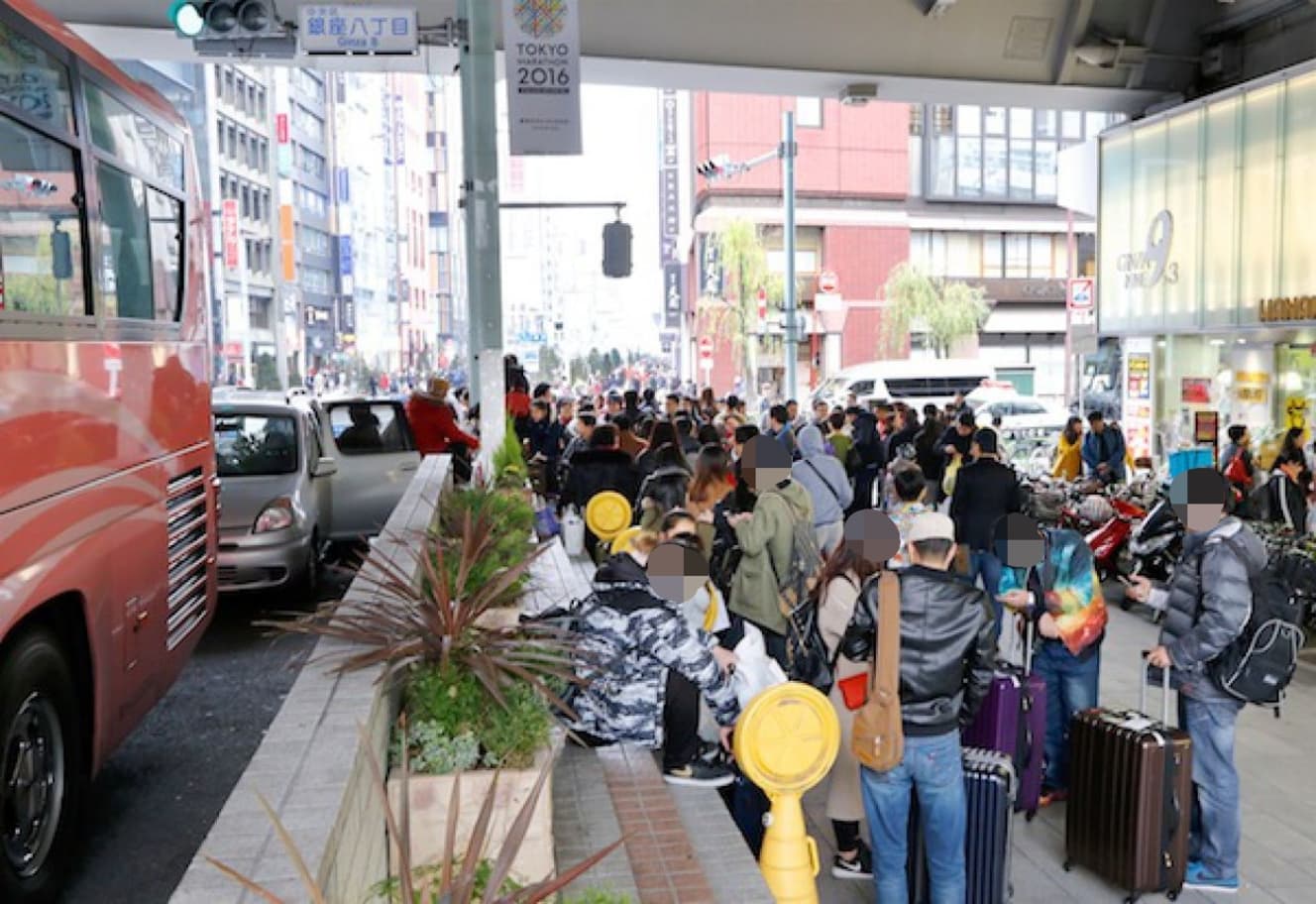
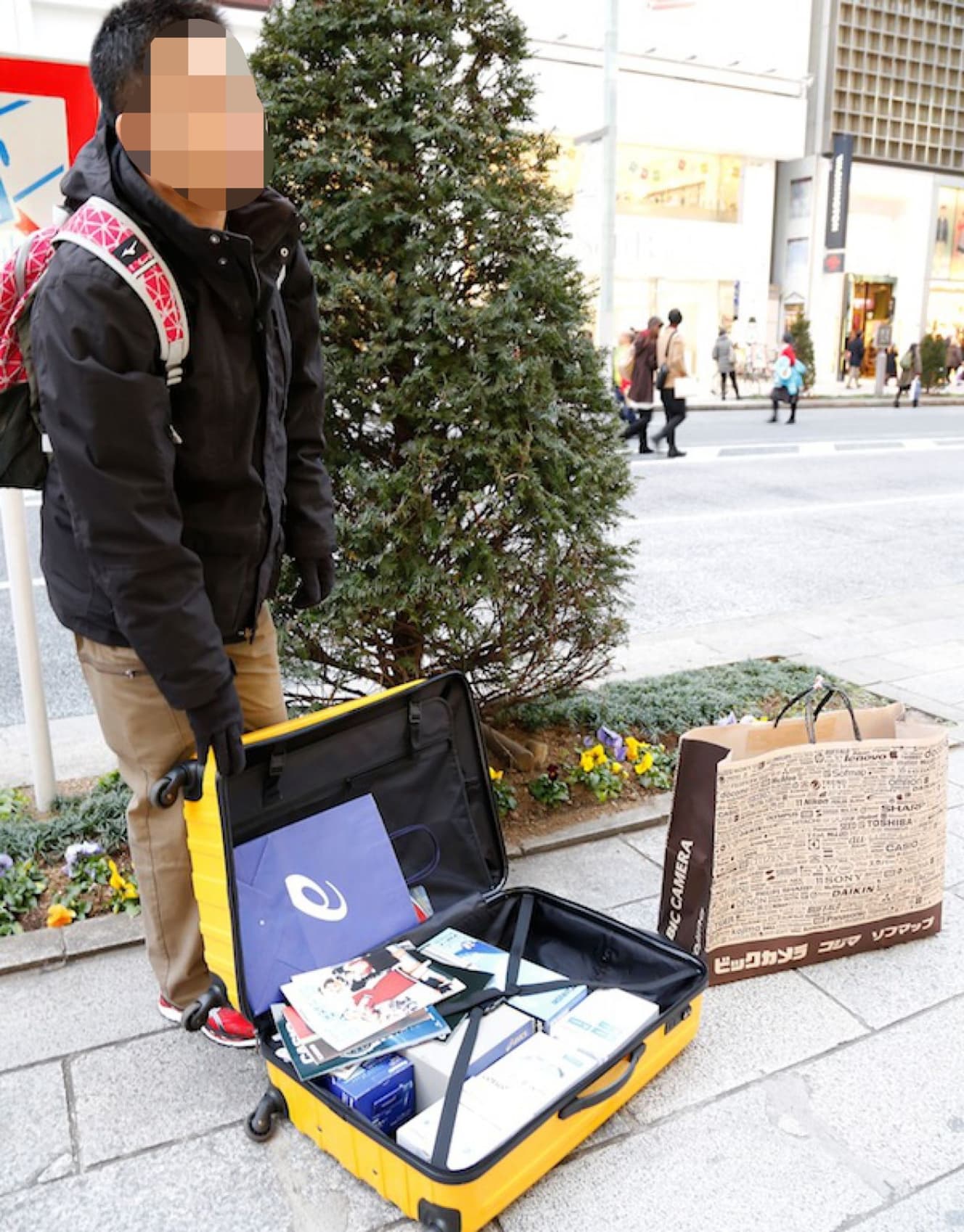

PHOTO: Aida Garden