“Prescribed but unavailable!” — The shortage of ADHD drug Concerta and its underlying risks


Rapid increase in adult ADHD
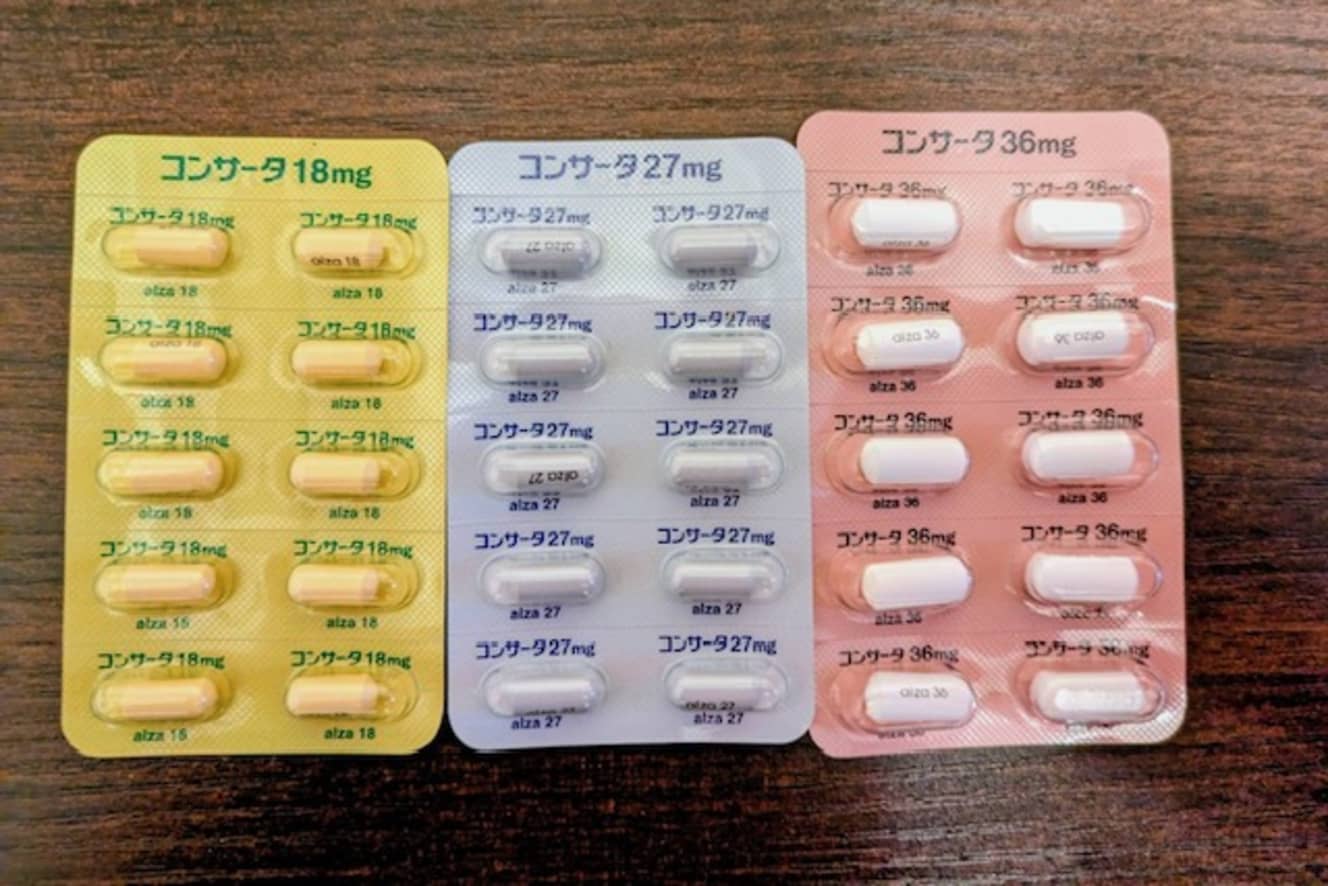
The widely used ADHD (Attention Deficit Hyperactivity Disorder) medication Concerta (generic name: methylphenidate hydrochloride extended-release tablets) is experiencing shipment restrictions, leading to repeated shortages at medical institutions and pharmacies. Even if patients are diagnosed, receive a prescription from a doctor, and go to a pharmacy, they may not be able to obtain the medication. This abnormal situation, where treatment cannot continue, is occurring nationwide.
When contacted, the manufacturer Janssen Pharma stated, “Due to the increase in demand from a growing number of ADHD patients, supply cannot keep up, so we are limiting the shipment volume to designated distributors.”
Are ADHD patients really increasing that much? According to psychiatrist Nozomi Takagi, “Adult ADHD care has rapidly expanded over the past 10 years.”
“Until the early 2010s, ADHD was strongly perceived as a childhood disorder, and the concept of adult ADHD had not yet spread. However, reports indicate that the number of diagnoses increased between 2010 and 2019,” said Dr. Takagi.
According to her, survey reports show that the number of diagnoses increased by approximately 2.7 times for ages 0–6, 2.5 times for ages 7–19, and about 21 times for adults. The sharp increase among adults is partly due to changes in the system.
“In 2013, Concerta was approved for use in adults, which expanded treatment in this population and led to an increase in patients needing the medication.”
As the number of patients rises, the amount prescribed naturally increases, and supply cannot keep up with this demand. Dr. Takagi warns, “We cannot attribute the supply shortage solely to the increase in patients.”
“While the expansion of adult treatment has increased the number of patients needing medication, some doctors, lacking expertise, may make ADHD diagnoses too easily. Considering the balance of supply, it is necessary to review whether prescriptions are being made appropriately.”
If the quality of diagnosis and prescriptions is not reviewed, the situation in which medication does not reach those who truly need it may continue in the future.
Risk of loss of stability with substitute medications
If the shortage continues, doctors will inevitably have to consider switching patients to alternative medications. However, Dr. Takagi clearly rejects the idea that just switching to another drug is fine.
“Among ADHD medications, Concerta is the only central nervous system stimulant approved for adults. Some patients have tried other medications without sufficient improvement and only finally reach Concerta. In other words, for many patients, Concerta is the medication that provides stability that cannot be found elsewhere.
Being forced to switch to a substitute can disrupt treatment stability. The effects and side effects of medications vary greatly between individuals, and even other ADHD medications may not provide the same effectiveness.
ADHD patients are able to maintain stable daily lives with appropriate treatment. Changing their medication could cause a return of inattention, restlessness, and impulsivity, potentially disrupting their lives rapidly.”

PHOTO: Kyodo News (2nd photo)