Doctor breaks down the dangers of chronic subdural hematoma affecting Kanagawa governor


 On January 28, just before being hospitalized, Governor Yuji Kuroiwa (right) attended a press conference with “DB. Starman,” the local mascot for Kanagawa Prefecture’s 33 municipalities, and DeNA owner Tomoko Nanba.
Chronic subdural hematoma spreads in the brain over several weeks to months
Kanagawa Governor Yuji Kuroiwa (71), who had been hospitalized for surgery to treat a chronic subdural hematoma, has been discharged. He is reportedly recovering well and is expected to return to official duties. On his social media, Governor Kuroiwa revealed that the condition was caused by a fall into an outdoor bath on New Year’s Eve, during which he struck the back of his head.
The term chronic subdural hematoma may be unfamiliar to some. What makes this condition particularly insidious is that its cause is often not a major accident or severe trauma, but rather events that occur in the normal course of daily life, making it easy to overlook.
“Tripped lightly,” “fell on my butt,” “bumped my head a little a few months ago”
Even minor incidents like these can later lead to life-threatening situations. This warning comes from Dr. Satoshi Ozaki, director of Ebina Neurosurgery Clinic.
Chronic subdural hematoma is a condition in which blood gradually collects under the dura mater on the surface of the brain, and over time, the hematoma grows larger.
Dr. Ozaki explains:
“A key feature of chronic subdural hematoma is that symptoms do not appear immediately. Even if a person seems fine right after a fall, weeks or months later they may experience dizziness, headaches, or memory problems. Often, neither the person nor those around them realize anything is wrong, dismissing it as fatigue or aging.
What’s particularly tricky is that the person may not remember hitting their head. With minor falls, memory of the incident is often absent. Elderly individuals in particular may not even recognize a fall as an event worth noting.”
What symptoms should raise suspicion for chronic subdural hematoma?
“It often accumulates on one side of the brain, so symptoms tend to appear on one side, creating a left-right asymmetry. For example, dragging one leg, tripping, weakness in one hand, numbness on one side of the body, or difficulty moving one side of the mouth. While these symptoms resemble a stroke, chronic subdural hematoma is often treatable, which makes early detection critical.”
Chronic subdural hematomas can recur at a certain rate
Dr. Ozaki listed the following three categories of people who are prone to chronic subdural hematoma:
・Elderly people
“When the brain shrinks with age, gaps are more likely to form between the brain and the dura mater. As a result, even a minor impact can easily rupture blood vessels.”
・Those taking blood-thinning medications (antithrombotic drugs)
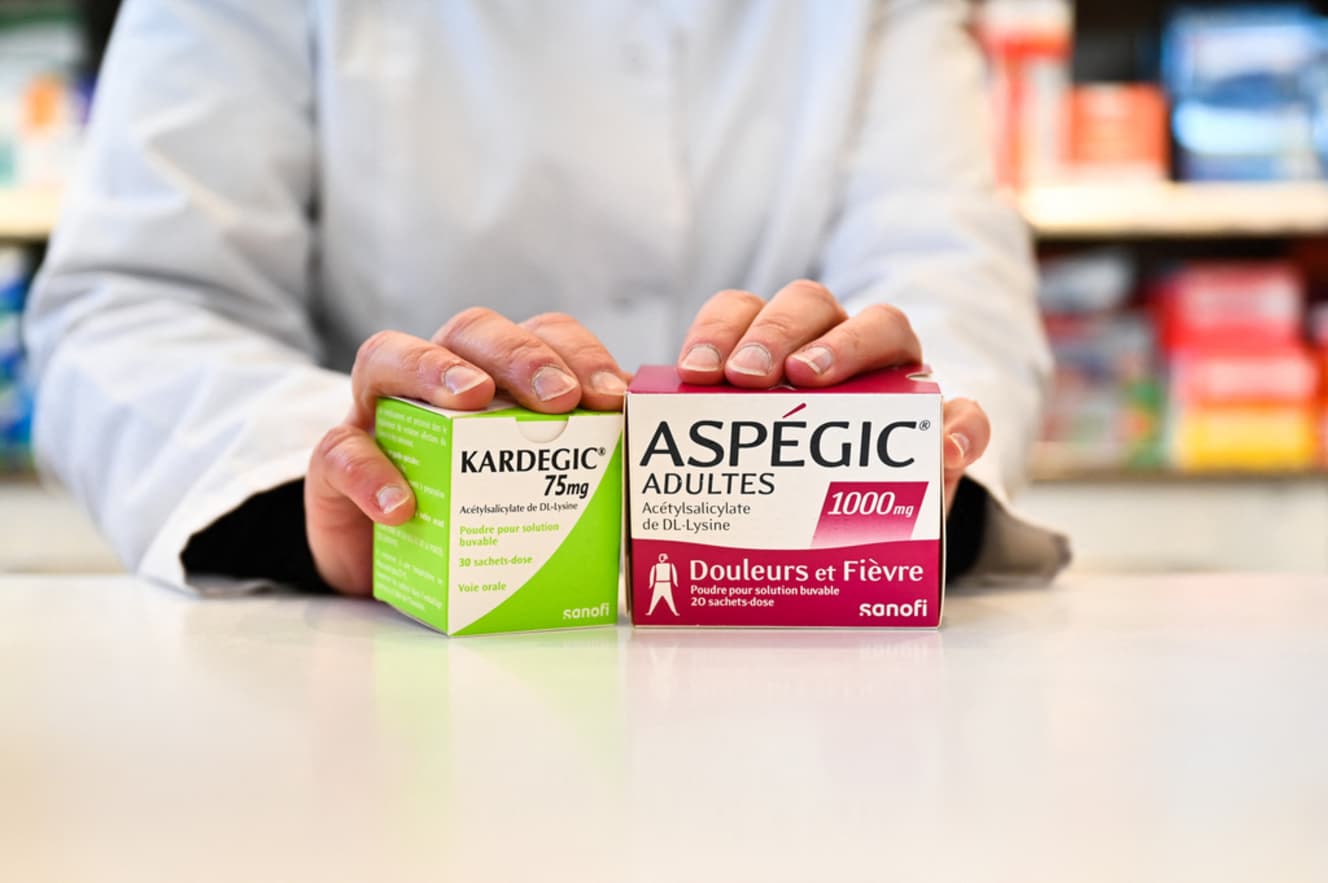
“Taking antiplatelet drugs (such as aspirin) or anticoagulants (such as warfarin or DOACs) makes it harder for bleeding to stop.”
・Those with a habit of drinking alcohol
“Not only does the risk of falls increase, but liver function and blood coagulation are also affected.”
The diagnosis and treatment of chronic subdural hematoma are surprisingly simple.
“A CT scan can reveal it quite clearly. It can also be diagnosed with an MRI, but a CT is sufficient to start with. If suspected, it is important to test immediately rather than just observe. Treatment, when the hematoma is large and symptomatic, is primarily surgical. Most often, a procedure called burr-hole drainage is performed, where a small hole is made in the skull to remove the accumulated blood. It is a short procedure and relatively low in invasiveness.”
This surgery is different from the major brain surgery that the general public might imagine, and it can be safely performed even in elderly patients. Chronic subdural hematoma is a condition that can often be improved with treatment.
“Many patients experience improvement in dizziness or paralysis after surgery. Some even say they suddenly feel more energetic. However, recurrence requires caution. Chronic subdural hematoma can recur at a certain rate. Especially those taking antithrombotic drugs or elderly patients tend to have a higher risk of recurrence. That said, even if it recurs, early reoperation is often possible. It is advisable to see a doctor immediately if you notice anything unusual.”
Because chronic subdural hematoma progresses slowly, the consequences of late detection can be severe.
“If the hematoma grows large, it can compress the brain, causing consciousness disorders or even life-threatening situations. While it is a condition with a high chance of recovery, leaving it untreated can be dangerous. If you experience unusual headaches, dizziness, difficulty walking, numbness or discomfort in one side of the body, or trouble speaking, see a doctor promptly.”
Governor Kuroiwa’s report serves as a reminder that this is never someone else’s problem as we age. “It could happen to my family” or “It could happen to me.” Recognizing this is a first step in protecting life.
PHOTO: Kyodo News